

Itsukushima Jinja Travel Guide
Free Guide: Discover the enchanting Itsukushima Shrine, a World Heritage site on Miyajima Island, where a 'floating' torii gate meets serene natural beauty.


A brief summary of Itsukushima Jinja
Discover the enchanting Itsukushima Shrine, a World Heritage site on Miyajima Island, where a 'floating' torii gate meets serene natural beauty.
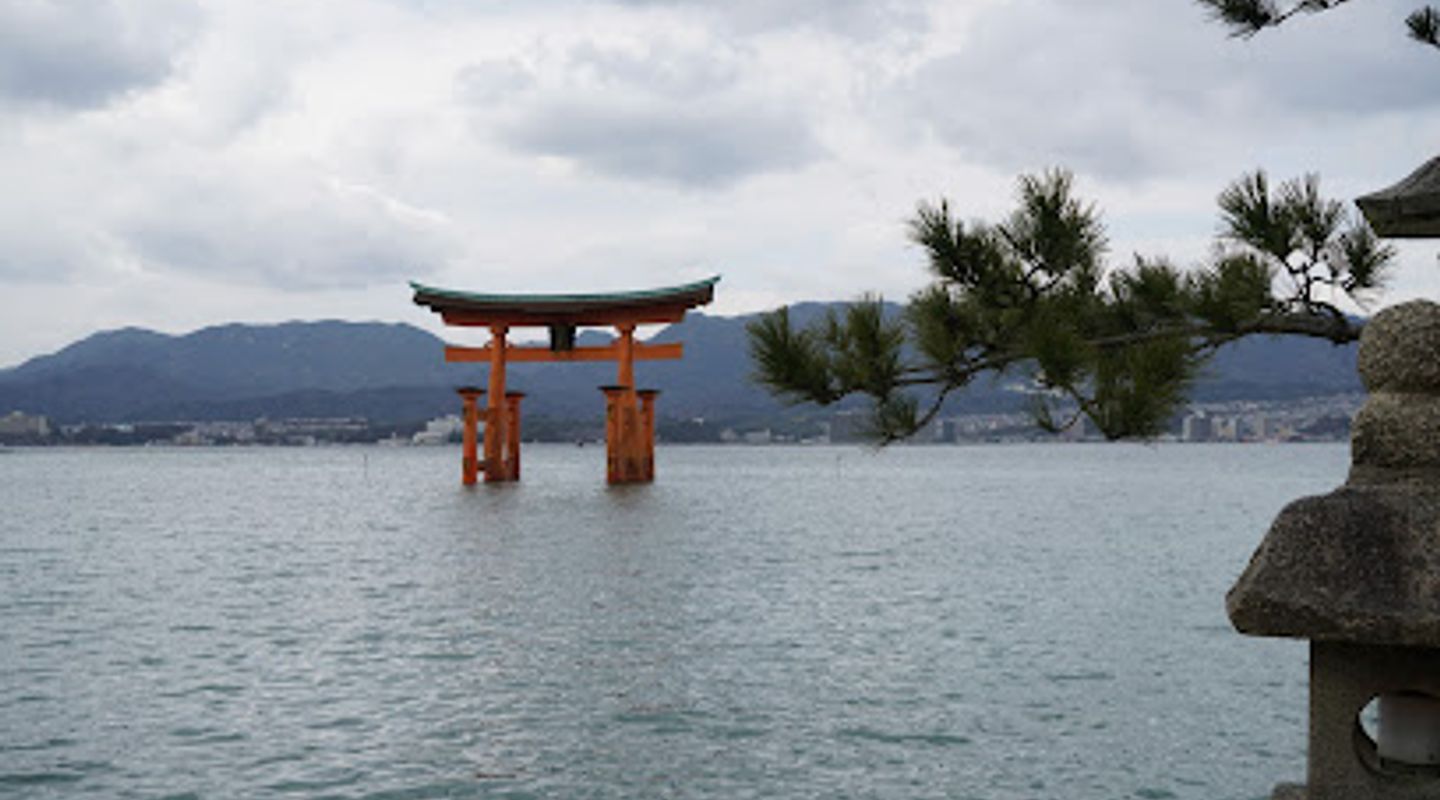
Itsukushima Shrine, a UNESCO World Heritage site on Miyajima Island, is famed for its iconic 'floating' torii gate. Built over water, the vermilion shrine complex appears to float at high tide, creating a mesmerizing scene that has drawn pilgrims and visitors for centuries.
Opening hours
- Every day6:30 am–6 pm
Opening hours as listed on the venue’s Google Business Profile. Hours can change for services and special events, so check with the venue before you go.
- Address
- 1-1 Miyajimacho, Hatsukaichi, Hiroshima 739-0588
- Phone
- Website
Getting there
Ferry
Walking
Discover more about Itsukushima Jinja
Overview
Itsukushima Shrine, located on Miyajima Island in Hiroshima Prefecture, is a breathtaking testament to Japanese history and spiritual devotion. Dedicated to three daughters of the sea deity Susanoo, the shrine dates back to the 6th century, with its iconic design largely attributed to Taira no Kiyomori in the 12th century. The island itself was worshipped as a god from ancient times.The shrine's most distinctive feature is the giant red torii gate that stands in the Seto Inland Sea. At high tide, the gate and the shrine buildings appear to float on the water, a scene that has become synonymous with Japan itself. At low tide, visitors can walk out to the gate and see it up close. The main shrine complex comprises multiple buildings, including a prayer hall, main hall, and Noh theater stage, all connected by boardwalks supported by pillars above the sea. The shrine's architecture incorporates the Shinden style and reflects a harmonious blend with nature.Itsukushima Shrine has been a significant pilgrimage site for centuries, attracting worshippers, fishermen, and traders seeking maritime safety and prosperity. The shrine's popularity grew during the Heian period when it became a place of worship for the Imperial Court. Today, Itsukushima Shrine continues to attract visitors from around the world, drawn by its beauty, history, and spiritual significance.
Evendo Review Centre
 Google
Guest reviews
Explore Itsukushima Jinja on the map
A handpicked selection of must-see spots near Itsukushima Jinja, mapped for you.
Get your free copy of our complete guide to Itsukushima Jinja, delivered straight to you.
Everything on this page, from opening hours and how to get there to Eve’s tips and the best time to go, in one PDF you can read offline, print or share.
Already have an account? Sign in
Your Itsukushima Jinja guide is ready.
We'll send it to · Not you? Sign out

Getting your guide ready…
We are putting together a fresh copy of the Itsukushima Jinja guide. This can take up to a minute.
This can take a few moments. If your browser asks, choose Allow so the download can start. You'll find the guide in your Downloads folder.
Nothing happened? Download it again
Sorry, the guide is taking longer than usual. Please try again in a minute, or get it by email instead.
Unlock the best of Itsukushima Jinja
Skip-the-line tickets, guided tours with entry, and walking tours of the area, booked in a few clicks.
 Tour with entry
Discover Miyajima Local Eats and Sacred Sites in 2 Hours
from $42.09 Tour with entry
Hiroshima and Miyajima Day Trip with Itsukushima Shrine & Ferry
from $42.75 Tour with entry
Full-day tour to Hiroshima and Miyajima with ferry ride
from $43.17 Tour with entry
Miyajima Small Group Tour from Hiroshima Station
from $60.13


Other nearby places you may find interesting
The closest places of the same kind, if this one is not quite what you had in mind.
-
-
-
-
-


Swipe for more places
More to explore near Itsukushima Jinja

 Best experiences near Itsukushima Jinja
 Best hotels near Itsukushima Jinja
 Best landmarks near Itsukushima Jinja
 Best attractions near Itsukushima Jinja
 Best shops near Itsukushima Jinja
 Best restaurants near Itsukushima Jinja
 Best bars near Itsukushima Jinja
Do you manage this location?
Take control to get all the benefits, like improved information, better appearance, and stronger visibility across AI-powered discovery.
Explore more

Explore more of Aki
Discover Aki: A serene town in Kochi Prefecture, Japan, offering natural beauty, rich culture, and delicious cuisine for an unforgettable experience.
Explore Aki
Explore more of Japan
Discover the harmony of tradition and modernity in Japan, where ancient temples and cutting-edge technology coexist in perfect balance.
Explore Japan
