

Free Aki Travel Guide & Mobile App
Explore Aki with free travel guides. Discover regional history, expert tips, proposed trips, and audio guides on web or mobile app.


Explore Aki in Kochi for samurai-era streets, Iwasaki heritage, coastal scenery, local produce and quiet rural journeys through eastern Shikoku.
Read more about Aki
When is the best time to visit Aki?
Best: May–June, November · 18–27°C| Month | High (°C) | Rainfall (mm) |
|---|---|---|
| January | 9 | 60 |
| February | 11 | 80 |
| March | 14 | 115 |
| April | 19 | 140 |
| May (best) | 23 | 150 |
| June (best) | 27 | 180 |
| July | 30 | 200 |
| August | 31 | 220 |
| September | 29 | 250 |
| October | 23 | 200 |
| November (best) | 18 | 120 |
| December | 12 | 90 |
Getting to and around Aki
How to get there
Transportation
Best attractions in Aki
Aki’s attractions focus on the meeting of local history, agriculture and the Pacific coast rather than on a large concentration of commercial entertainment. The former castle-town area offers traditional residences, gardens and streets associated with the Aki clan and the Tosa domain, while the Aki Castle ruins provide a more elevated historical setting and views over the surrounding plain. The birthplace and related heritage of Iwasaki Yataro introduce the city’s connection with Japan’s Meiji-era commercial transformation. Small museums and local cultural facilities add context to these sites. Beyond the centre, the Aki River plain, greenhouse districts and rural roads reveal the importance of farming in the modern city, and the coast provides open scenery, fishing landscapes and opportunities for quiet walks. Visitors who enjoy cycling can link several central sites at a measured pace, while a car makes it easier to reach outlying areas and combine coastal and inland scenery. The attraction landscape is best approached as a sequence of connected local stories rather than as a list of headline monuments.
-
Tourist attraction
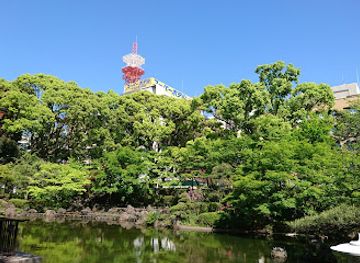
Yokohama Park
Explore the lush landscapes, seasonal blooms, and recreational activities at Yokohama Park, a serene escape in the heart of Yokohama.
-
Tourist attraction
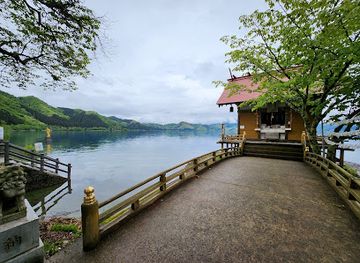
Statue of Tatsuko
Explore the enchanting Statue of Tatsuko in Semboku, Akita, a captivating sculpture steeped in local folklore and surrounded by breathtaking landscapes.
-
Tourist attraction
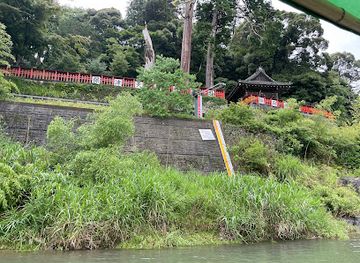
Hozugawa River Boat Ride (Hozugawa Kudari)
Discover the serene beauty of Kyoto on the Hozugawa River Boat Ride, a perfect blend of culture and nature amidst stunning landscapes.
-
Toll road rest stop
Roadside Station Akitakō
Experience local Akita culture and cuisine at Roadside Station Akitakō, a charming rest stop on your journey through northern Japan.

Best landmarks in Aki
Aki Castle ruins are the city’s principal historical landmark, marking the stronghold associated with the Aki clan and the political landscape that preceded the unified Tosa domain. The elevated site also helps visitors understand the relationship between the former castle town, the agricultural plain and the surrounding hills. In the historic town area, traditional samurai residences, walls, gardens and related buildings form a more intimate architectural landmark landscape, expressing the regulated social order of the Edo period. Iwasaki Yataro’s birthplace is significant for its connection with the entrepreneur who later established the business that became Mitsubishi, linking a local house and rural community with the national transformation of Meiji Japan. The Aki River and the broad coastal plain are natural landmarks of a different kind: they explain the city’s agricultural development and provide the setting in which its historic settlements evolved. Together these places give Aki a coherent identity rooted in local power, farming and coastal geography.
-
Shinto shrine
Fushimi Inari Taisha
Explore Kyoto's iconic Fushimi Inari Taisha: a mesmerizing mountain path through thousands of vibrant vermilion torii gates.
-
Observation deck
Tokyo Skytree
Experience breathtaking panoramic views of Tokyo from Japan's tallest structure, a modern symbol of the city with unique shopping and dining.
-
Observation deck
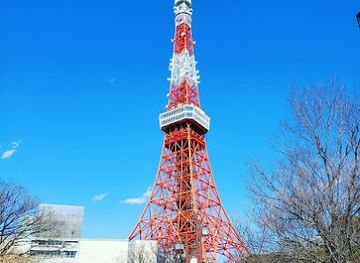
Tokyo Tower
Iconic symbol of Tokyo offering panoramic city views, entertainment, and a glimpse into Japan's post-war resurgence.
-
 Buddhist temple
Sensō-ji
Explore Tokyo's oldest temple, Sensō-ji, a vibrant center of Buddhist worship with iconic gates, traditional shops, and a rich cultural history in Asakusa.

Explore Aki on the map
Plan your trip on one map. See where the top cities, national parks and sights are, and book hotels and experiences in a few clicks.
Best hotels in Aki
Best restaurants in Aki
Dining in Aki reflects Kochi’s coastal and agricultural setting, with seafood, rice, vegetables and seasonal fruit appearing in local meals. Restaurants and family-run eateries commonly offer familiar Japanese dishes alongside Kochi specialities, including preparations using bonito, citrus and other ingredients associated with the prefecture, although menus vary by season and establishment. Fresh produce from the surrounding plain is an important part of the local food economy, and roadside shops or markets can be useful places to find vegetables, fruit and prepared items. Cafés, noodle shops, traditional Japanese restaurants and informal izakaya provide most of the town’s dining character, while accommodation facilities may offer set meals featuring regional ingredients. Aki is not primarily a destination for a dense fine-dining scene; its appeal lies in straightforward food connected to local supply, coastal communities and Kochi’s wider culinary traditions. Cash remains useful at smaller establishments.
-
Monjayaki restaurant
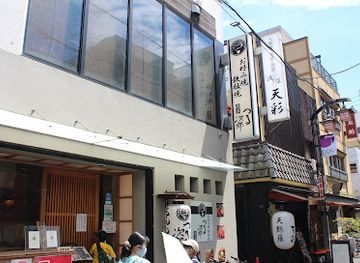
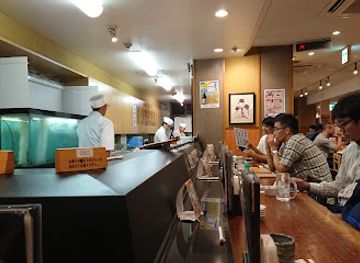
Okonomiyaki Teppanyaki Asakusa Tsurujiro
Experience traditional Japanese cuisine with interactive cooking at Okonomiyaki Teppanyaki Asakusa Tsurujiro – a must-visit spot for food enthusiasts.
-
-
Izakaya
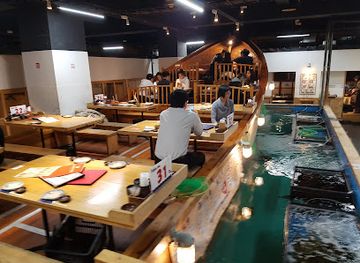
Fishing Restaurant Zauo Shinjuku
Discover the joy of fishing while dining at Fishing Restaurant Zauo Shinjuku – where fresh seafood meets interactive fun.
-
Restaurant
Okuhida Garden Hotel Yakedake
Discover tranquility at Okuhida Garden Hotel Yakedake - your ultimate destination for exquisite dining and rejuvenating spa experiences amidst nature's beauty.
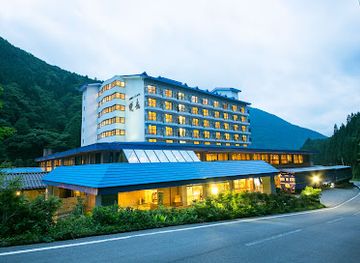
Best bars in Aki
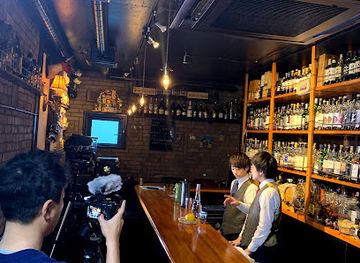
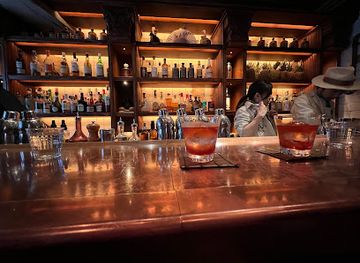
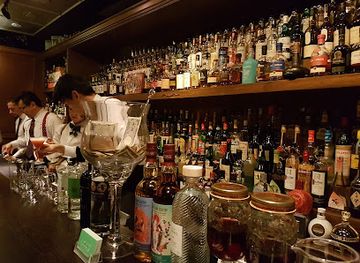
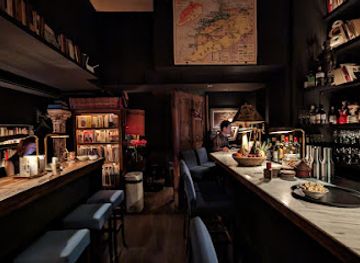
Aki has a modest evening scene centred on izakaya, small bars, restaurants and traditional drinking establishments rather than a substantial nightclub district. The main concentration is around the town centre and Aki Station, where visitors may find places serving local dishes, beer, sake and shochu alongside casual conversation. Some establishments are compact and may have limited English information, so checking menus or asking accommodation staff can be helpful. Evening activity is generally quieter than in Kochi city, and rural areas tend to close early, with nightlife often taking the form of a meal, a drink or a relaxed gathering rather than late dancing. Visitors should respect neighbouring residents when returning to accommodation and use taxis or arranged transport if travelling beyond the central area.
-
Bar
BAR LIVET
Discover BAR LIVET: A Cozy Bar in Shinjuku Offering Unique Cocktails and a Lively Atmosphere for an Unforgettable Night Out in Tokyo.
-
Bar
The SG Club
Discover The SG Club in Shibuya for innovative cocktails and a vibrant atmosphere, blending Japanese traditions with modern flavors.
-
Bar
High Five
Discover High Five in Tokyo's Ginza district, where exceptional cocktails and a vibrant atmosphere await you in the heart of Japan's nightlife.
-
Bar
THESE
Immerse yourself in the vibrant nightlife of Nishiazabu at THESE, a bar offering exquisite drinks and a cozy atmosphere to unwind and connect.
Best nightclubs in Aki
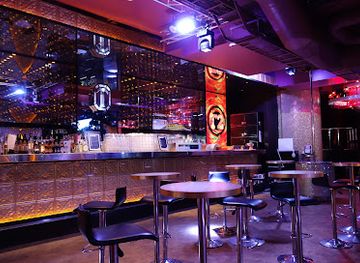
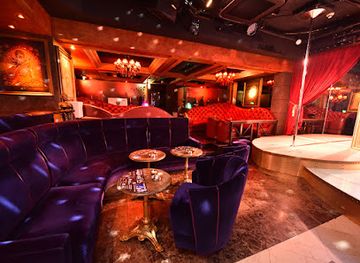
Aki has a modest evening scene centred on izakaya, small bars, restaurants and traditional drinking establishments rather than a substantial nightclub district. The main concentration is around the town centre and Aki Station, where visitors may find places serving local dishes, beer, sake and shochu alongside casual conversation. Some establishments are compact and may have limited English information, so checking menus or asking accommodation staff can be helpful. Evening activity is generally quieter than in Kochi city, and rural areas tend to close early, with nightlife often taking the form of a meal, a drink or a relaxed gathering rather than late dancing. Visitors should respect neighbouring residents when returning to accommodation and use taxis or arranged transport if travelling beyond the central area.
-
Night club
TK
Discover TK Nightclub in Shibuya, Tokyo - a premier nightlife destination featuring electrifying music, vibrant crowds, and unforgettable experiences.
-
Night club
V2 TOKYO
Discover the electrifying nightlife of Tokyo at V2 TOKYO, an upscale night club in Roppongi known for its vibrant atmosphere and great dance music.
-
Night club
1 OAK TOKYO
Unleash your inner party spirit at 1 OAK Tokyo, a luxurious night club offering an unforgettable nightlife experience in the heart of the city.
-
Night club
TANTRA TOKYO
Dance the night away at TANTRA TOKYO, a premier nightclub and cabaret in Roppongi, blending vibrant performances with exquisite cocktails.


Best shops in Aki
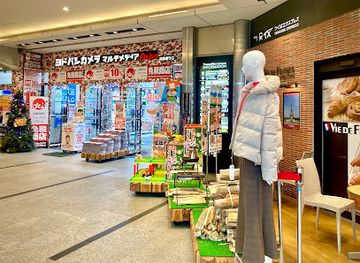
Shopping in Aki is concentrated on practical local commerce, food and regional products rather than large-scale retail. Small shops and produce outlets are useful for seasonal vegetables, fruit, rice, prepared foods and gifts reflecting the surrounding agricultural economy. The area’s greenhouse farming makes fresh produce particularly relevant, although availability changes with the season. Traditional sweets, packaged Kochi specialities, tea, sake and locally made food products can also be found in shops serving residents and visitors. The town centre around Aki Station is more convenient for everyday purchases, while rural roadside outlets offer a closer connection with local growers. Visitors should not expect an extensive designer or department-store scene; for broader retail choices, Kochi city is the larger regional centre outside Aki. Independent stores may have limited opening hours and may prefer cash, so carrying yen is sensible when shopping away from the station.
-
Electronics store
Yodobashi Akiba
Explore Yodobashi Akiba, Tokyo's premier electronics store, offering cutting-edge gadgets, cameras, and an immersive shopping experience.
-
Shopping mall
Ikspiari
Explore Ikspiari, a vibrant shopping mall in Maihama, combining diverse shopping, exquisite dining, and engaging entertainment for an unforgettable experience.
-
Shopping mall
Shibuya 109
Discover Shibuya 109, where Tokyo's youth culture meets cutting-edge fashion in a vibrant shopping experience.
-
Shopping mall
AEON MALL Akita
Discover AEON MALL Akita, the ultimate shopping destination filled with diverse stores, delicious dining, and family-friendly entertainment in Akita, Japan.
Get your free copy of our complete guide to Aki, delivered straight to you.
Everything on this page, from attractions and restaurants to essentials and local phrases, in one PDF you can read offline, print or share.
Already have an account? Sign in
Your Aki guide is ready.
We'll send it to · Not you? Sign out

Getting your guide ready…
We are putting together a fresh copy of the Aki guide. This can take up to a minute.
This can take a few moments. If your browser asks, choose Allow so the download can start. You'll find the guide in your Downloads folder.
Nothing happened? Download it again
Sorry, the guide is taking longer than usual. Please try again in a minute, or get it by email instead.
Aki essentials
Currency and Payment
Safety
Emergency Situations
Do's and Don'ts
Local Tips
From Eve
Local phrases worth knowing
You don't need to get them perfect. A few words go a long way, and locals appreciate the effort.
Basics
| English | Local | Say it |
|---|---|---|
| Hello | Hey | [hey] |
| Goodbye | See ya! | [see ya] |
| Yes | Yeah | [yeah] |
| No | Nah | [nah] |
| Please/You're welcome | No problem | [no prob] |
| Thank you | Thanks | [thanks] |
| Excuse me/Sorry | Sorry | [sorry] |
| How are you? | How's it going? | [how's it going] |
| Fine. And you? | Good. You? | [good. you?] |
| Do you speak English? | Do you talk English? | [do you talk english?] |
| I don't understand | I don’t get it | [i don’t get it] |
Eating & Drinking
| English | Local | Say it |
|---|---|---|
| I'd like to see the menu, please | Can I see the menu? | [can i see the menu?] |
| I don't eat meat | I’m vegetarian | [i’m vegetarian] |
| Cheers! | Cheers! | [cheers] |
| I would like to pay, please | Can I get the check, please? | [can i get the check please?] |
Emergencies
| English | Local | Say it |
|---|---|---|
| Help! | Help! | [help] |
| Go away! | Leave me alone! | [leave me alone] |
| Call the Police! | Call 911! | [call 911] |
| Call a doctor! | Get a doctor! | [get a doctor] |
| I'm lost | I'm really lost | [i'm really lost] |
| I'm ill | I'm not feeling well | [i'm not feeling well] |
Shopping
| English | Local | Say it |
|---|---|---|
| I'd like to buy... | I'm looking to buy... | [i'm looking to buy] |
| I'm just looking | Just browsing | [just browsing] |
| How much is it? | What's the price? | [what's the price?] |
| That's too expensive | That's a bit pricey | [that's a bit pricey] |
| Can you lower the price? | Can you give me a better deal? | [can you give me a better deal?] |
Time & Numbers
| English | Local | Say it |
|---|---|---|
| What time is it? | What time is it? | [what time is it?] |
| It's one o'clock | It's 1 o'clock | [it's 1 o'clock] |
| Half past (10) | Half past 10 | [half past 10] |
| Morning | Morning | [morning] |
| Afternoon | Afternoon | [afternoon] |
| Evening | Evening | [evening] |
| Yesterday | Yesterday | [yesterday] |
| Today | Today | [today] |
| Tomorrow | Tomorrow | [tomorrow] |
| 1 | One | [one] |
| 2 | Two | [two] |
| 3 | Three | [three] |
| 4 | Four | [four] |
| 5 | Five | [five] |
| 6 | Six | [six] |
| 7 | Seven | [seven] |
| 8 | Eight | [eight] |
| 9 | Nine | [nine] |
| 10 | Ten | [ten] |
Transport & Directions
| English | Local | Say it |
|---|---|---|
| Where's a/the...? | Where's the nearest...? | [where's the nearest?] |
| What's the address? | What's the address? | [what's the address?] |
| Can you show me (on the map)? | Can you show me on the map? | [can you show me on the map?] |
| When's the next (bus)? | When's the next bus? | [when's the next bus?] |
| A ticket (to ....) | One ticket to... please | [one ticket to... please] |
History of Aki
Ancient Tosa and the Aki Coastal Plain
The Aki area developed within the wider historical province of Tosa, occupying a productive coastal plain with access to the Pacific and routes towards the mountainous interior. Farming, fishing and local exchange shaped settlement long before the modern city existed. Archaeological remains and regional historical records indicate the long continuity of human occupation in eastern Kochi, although the surviving landscape is more readily understood through its combination of fields, river corridors and later castle-town development than through a single monumental ancient site.
The Aki Clan and Medieval Power
During Japan’s medieval period, the Aki clan held influence in eastern Tosa and established its base in the area that later became associated with Aki Castle. Local lords competed for control of land, transport routes and agricultural production as political authority in Tosa shifted between regional families. The castle and its surrounding settlement were not simply military installations: they were centres of administration, farming and local allegiance. The surviving castle ruins provide the clearest physical reminder of this earlier political landscape.
Chosokabe Consolidation in the Sixteenth Century
In the sixteenth century, Chosokabe Motochika expanded his control across Tosa and brought the Aki area into a more unified regional political order. The defeat of the Aki forces and the subsequent reorganisation of local authority altered the role of the castle town. These conflicts formed part of the broader Sengoku era, when provincial lords sought to consolidate territory amid shifting alliances. In Aki, the legacy is visible principally through the castle site and the historical memory of a settlement whose strategic importance pre-dated the modern city.
Aki under the Tosa Domain
After the establishment of the Tokugawa shogunate, Tosa was governed by the Yamauchi family, and Aki became part of the Tosa domain’s network of administrative and social control. Samurai residences, farming communities and commercial activity developed around the castle-town area, while the coastal position supported local movement and exchange. The surviving traditional streetscape and former residence areas reflect the hierarchy of the Edo period, when status, occupation and access to land were closely regulated.
Iwasaki Yataro and the Meiji Transformation
Iwasaki Yataro was born in the Aki area in 1835 and later founded the enterprise that developed into Mitsubishi. His life illustrates the rapid changes that followed the Meiji Restoration, when former domain subjects could enter new forms of commerce, shipping and industrial enterprise. Aki’s Iwasaki-related heritage places this national story in a local setting, showing how an individual from a provincial Tosa community became involved in the commercial transformation of modern Japan.
Agriculture, Railways and Modern Aki
Modern Aki grew through the combination of agriculture, coastal commerce, road connections and improved transport links with Kochi and eastern Shikoku. The region’s mild climate encouraged greenhouse cultivation and the production of vegetables and fruit for wider markets. Rail access arrived through the coastal railway network that now forms the Tosa Kuroshio Railway’s Asa Line, linking Aki with Kochi Prefecture’s eastern communities. Today, the city’s identity rests on this mixture of historic settlement, farming and modest regional service functions.
Aki in Photos
Browse through our photo collection highlighting the charm and character of the destination.
Neighbouring regions of Aki
The closest regions to Aki, if you have time for more than one.
-

-

-

-

-


Swipe for more regions
Explore more

Explore more of Japan
Discover the harmony of tradition and modernity in Japan, where ancient temples and cutting-edge technology coexist in perfect balance.
Explore Japan