

Sensō-ji, Awa Travel Guide
Explore Tokyo's oldest temple, Sensō-ji, a vibrant cultural landmark in Asakusa with iconic gates, bustling markets, and serene temple grounds.
Sensō-ji, Tokyo's oldest temple, is a vibrant and historically significant Buddhist site in Asakusa. Founded in 645 AD, it attracts millions annually with its iconic Kaminarimon gate, Nakamise shopping street, and the serene main hall dedicated to Kannon, the Bodhisattva of Compassion.
A brief summary to Sensō-ji
- 2 Chome-3-1 Asakusa, Taito City, 2 Chome Asakusa, Tokyo, 111-0032, JP
- Click to display
- Click to display

Know before you go
Hi, I'm Eve. Here are a few practical things to know before exploring Sensō-ji.
- Visit early in the morning to avoid crowds, especially on weekends and holidays.
- Explore Nakamise-dori for unique souvenirs and local snacks like sweet potato yokan and matcha treats.
- Purify yourself by wafting incense smoke over you at the Jōkōro to promote healing and good health.
- Check your fortune (omikuji), and if it's bad, tie it to the designated posts to change your destiny.
- Visit at night to see the temple buildings beautifully illuminated until 11:00 pm, offering a less crowded and enchanting experience.
Do you manage this location?
Take control to get all the benefits, like improved information, better appearance, and stronger visibility across AI-powered discovery. Learn more about listing your business on Evendo
Activate your presenceOther nearby places you may find interesting
The closest places of the same kind, if this one is not quite what you had in mind.
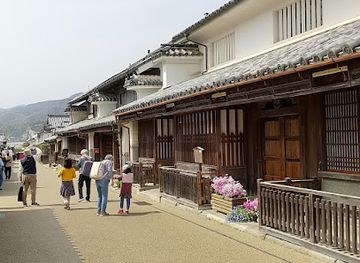
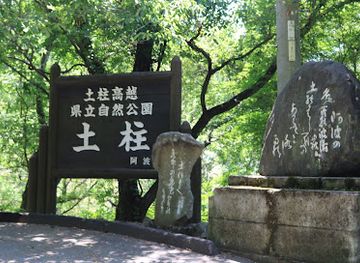
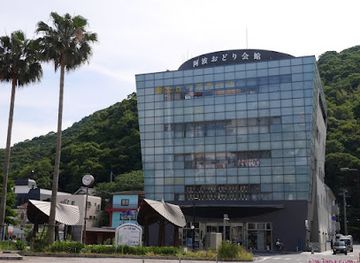
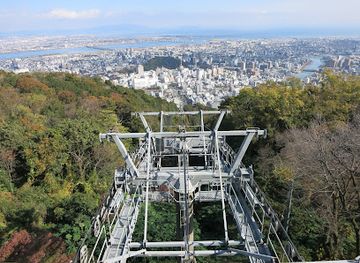
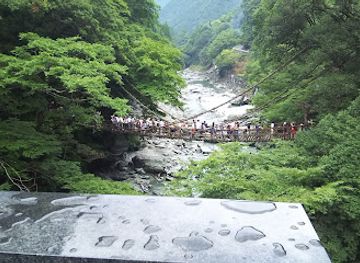
Explore Sensō-ji on the Map
A handpicked selection of must-see spots near Sensō-ji, mapped for you.
Unlock the Best of Sensō-ji
Buy tickets
-
No tickets available
Book tours with entry


Getting There
-
Public Transport
From Tokyo Station, take the JR Yamanote Line to Kanda Station (2 minutes, ¥150) and transfer to the Ginza Subway Line for Asakusa (10 minutes, ¥180). From Asakusa Station (Ginza Line), use Exit 1, the closest to Kaminarimon Gate. Follow the signs and walk straight for about a minute to reach the gate. Total cost: ¥330.
-
Public Transport
From Ueno Station, take the Ginza Subway Line directly to Asakusa Station (5 minutes, ¥178). From Asakusa Station (Ginza Line), use Exit 1, which is nearest to the Kaminarimon Gate. Follow the signs and walk straight for about a minute to reach the gate. Total cost: ¥178.
-
Taxi
From Tokyo Station, a taxi to Sensō-ji Temple takes approximately 5 minutes and costs between ¥3,000 and ¥3,700. From Ueno Station, a taxi to Sensō-ji Temple takes approximately 3 minutes and costs between ¥2,000 and ¥2,400. Note that taxi fares can vary depending on traffic conditions.
-
Parking
Sensō-ji Temple does not have its own parking facilities. Visitors are encouraged to use nearby coin-operated parking lots such as the Kaminarimon Underground Parking Lot. Weekday daytime rates are capped (e.g., ¥2,400 for 6 to 12 hours). Hourly rates typically range from ¥200 for 15-30 minutes. Be aware of size restrictions (e.g., max length 5.3m, width 2.0m, height 2.1m).
Discover more about Sensō-ji













Your all‑in‑one travel companion app
Explore expert travel guides, compare and book tours, experiences, hotels, and more—all from the palm of your hand. Download now for seamless trip planning wherever your wanderlust takes you.


Explore More of Awa
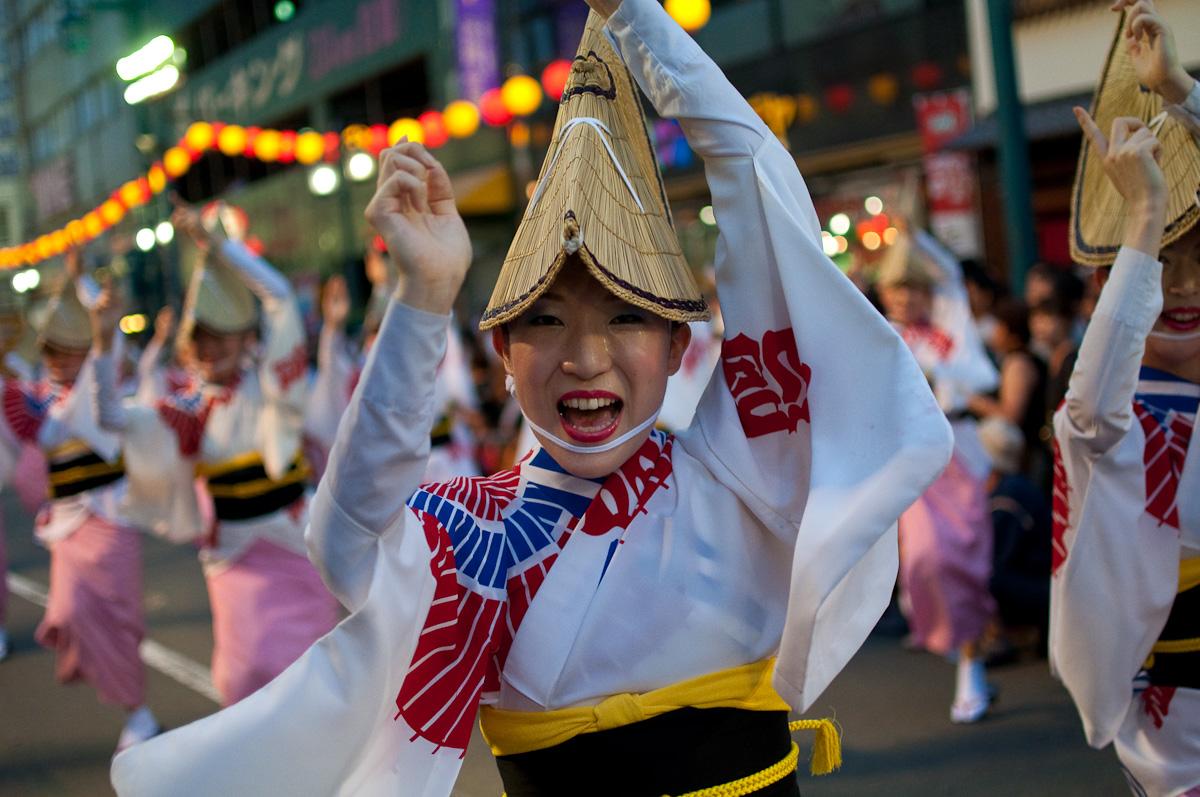
Looking beyond Sensō-ji? Discover Awa for broader travel guides, local hot-spots, and regional highlights.
Explore Awa