

Free Awa Travel Guide & Mobile App
Explore Awa with free travel guides. Discover regional history, expert tips, proposed trips, and audio guides on web or mobile app.


Discover the timeless beauty and cultural richness of Awa, Japan—where nature, history, and tradition come together to create an unforgettable experience.
Read more about Awa
When is the best time to visit Awa?
Best: April–May, October · 19–25°C| Month | High (°C) | Rainfall (mm) |
|---|---|---|
| January | 11 | 70 |
| February | 12 | 80 |
| March | 16 | 100 |
| April (best) | 19 | 110 |
| May (best) | 24 | 120 |
| June | 28 | 170 |
| July | 32 | 190 |
| August | 32 | 180 |
| September | 29 | 160 |
| October (best) | 25 | 140 |
| November | 19 | 120 |
| December | 13 | 100 |
Getting to and around Awa
How to get there
Transportation
Best attractions in Awa
Awa, located in the heart of Tokushima Prefecture, is a treasure trove of cultural, historical, and natural wonders that captivate visitors at every turn. Begin your journey with a visit to the Awa Odori Kaikan, where you can immerse yourself in the vibrant dance and music of the famous Awa Odori Festival. Explore the ancient Tairyuji Temple, perched high in the mountains, offering breathtaking views and a serene atmosphere. Don't miss the Naruto Whirlpools, a natural spectacle where powerful tidal currents create mesmerizing whirlpools in the Naruto Strait. For history buffs, the Awa Folk Museum provides a fascinating glimpse into the region's rich past, with exhibits on traditional crafts, farming tools, and samurai armor. Nature enthusiasts will be enchanted by the lush beauty of the Iya Valley, known for its steep gorges, vine bridges, and picturesque villages. Whether you're drawn to the pulse of traditional dance, the tranquility of ancient temples, or the awe-inspiring power of nature, Awa promises an unforgettable adventure.
-
Tourist attraction
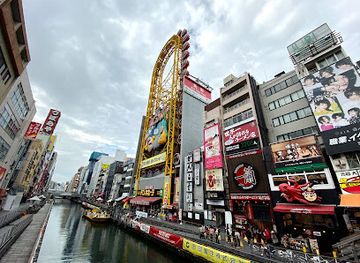
Dotonbori
Discover the vibrant nightlife and delicious street food of Dotonbori, Osaka's iconic cultural and culinary destination.
-
 Tourist attraction
Otsuka Museum of Art
Explore the Otsuka Museum of Art, Japan's premier art museum, showcasing stunning replicas of masterpieces in a serene setting perfect for all visitors.
-
Tourist attraction
Tokushima Prefectural Uzu-no-Michi Walkway
Discover the breathtaking views and natural wonders at the Tokushima Prefectural Uzu-no-Michi Walkway, a scenic gem in Naruto, Japan.
-
Mountain cable car
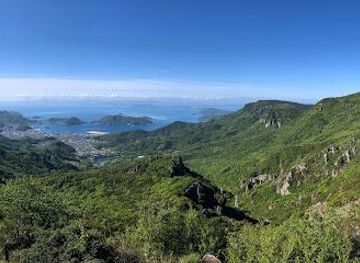
Kankakei Ropeway
Discover breathtaking views and natural beauty at the Kankakei Ropeway in Shodoshima, a top tourist attraction in Japan's Setouchi region.
Best landmarks in Awa
Awa, nestled in the serene landscapes of Tokushima Prefecture, offers an enticing blend of natural beauty and historical richness. Visitors can explore the awe-inspiring Naruto Whirlpools, a natural phenomenon that captivates with its swirling tides. The ancient Awa Odori Kaikan museum offers an immersive experience into the spirited Awa Odori dance, a vibrant festival held every August. History enthusiasts will be drawn to the Otsuka Museum of Art, home to meticulously recreated Western masterpieces, and the centuries-old Ryozen-ji Temple, the first stop on the Shikoku Pilgrimage. For those seeking tranquility, the Iya Valley promises breathtaking views, with its vine bridges and rugged cliffs providing a glimpse into Japan's untouched natural splendor. Finally, the Awa Puppet Theater invites you to witness the intricate art of traditional Japanese puppetry, a cultural treasure that has been preserved for generations.
-
Shinto shrine
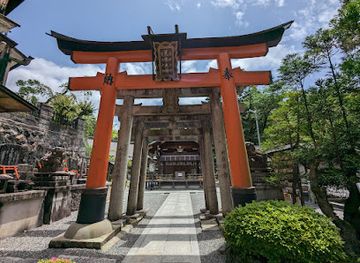
Fushimi Inari Taisha
Explore Kyoto's iconic Fushimi Inari Taisha: a mesmerizing mountain path through thousands of vibrant vermilion torii gates. A spiritual journey awaits.
-
Observation deck
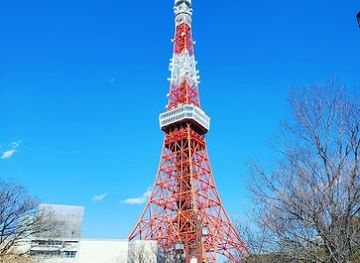
Tokyo Tower
Iconic symbol of Tokyo offering panoramic city views, diverse attractions, and a glimpse into Japan's post-war resurgence.
-
Buddhist temple
Sensō-ji
Explore Tokyo's oldest temple, Sensō-ji, a vibrant cultural landmark in Asakusa with iconic gates, bustling markets, and serene temple grounds.
-
Tourist attraction
Dotonbori
Experience Osaka's vibrant nightlife, dazzling lights, and delicious street food in the iconic Dotonbori entertainment district.
Explore Awa on the map
Plan your trip on one map. See where the top cities, national parks and sights are, and book hotels and experiences in a few clicks.
Best hotels in Awa
Best restaurants in Awa
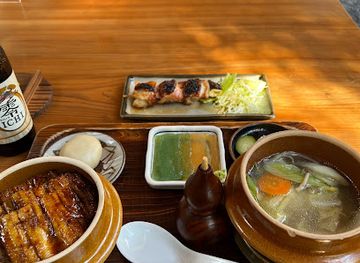
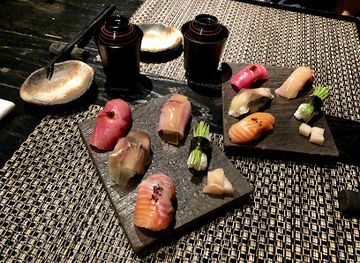
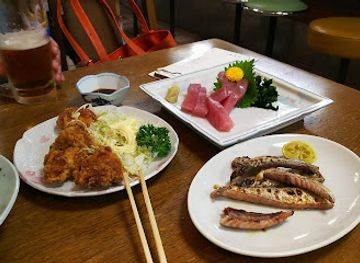
Nestled in the heart of Tokushima Prefecture, Awa's dining scene is a culinary tapestry woven with rich historical traditions and modern innovation. Visitors can indulge in the region's famed Awa-odori chicken, celebrated for its tender and flavorful meat, or savor fresh seafood plucked straight from the Naruto Strait, prepared with a finesse that highlights the natural bounty of the Seto Inland Sea. Traditional izakayas offer a cozy atmosphere to enjoy local sake varieties, while charming family-run restaurants serve up hearty bowls of Tokushima ramen, distinguished by its unique soy sauce and pork bone broth. For those with a sweet tooth, regional delights like sudachi citrus-flavored desserts provide a refreshing end to a meal. From bustling markets brimming with fresh produce to high-end dining establishments that marry tradition with contemporary flair, Awa promises a gastronomic journey that captivates and satisfies every palate.
-
Japanese
Kamameshi Nakai
Discover the flavors of Japan at Kamameshi Nakai, where authentic soba noodles and traditional kamameshi create an unforgettable dining experience.
-
Fusion restaurant
Ninja Tokyo
Experience the art of fusion cuisine at Ninja Tokyo - where tradition meets innovation in every delectable dish.
-
Steak
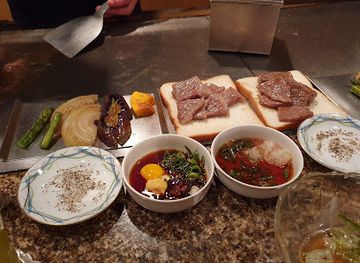
Hakushū Teppanyaki
Discover exquisite teppanyaki at Hakushū Teppanyaki in Shibuya – where flavors meet artistry for an unforgettable dining experience.
-
Izakaya
Yasube
Experience authentic Japanese izakaya culture at Yasube in Tokushima—affordable delights await every palate.
Best bars in Awa
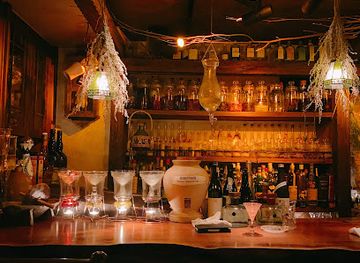
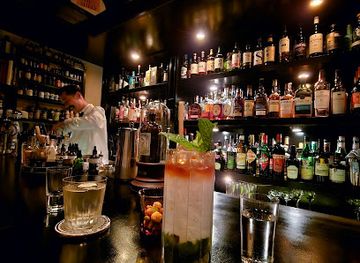
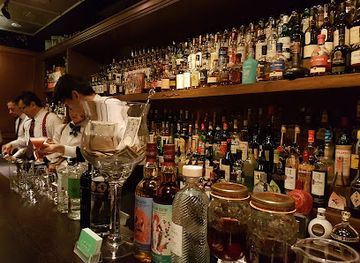
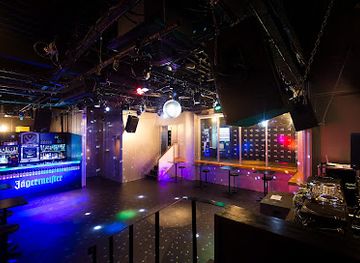
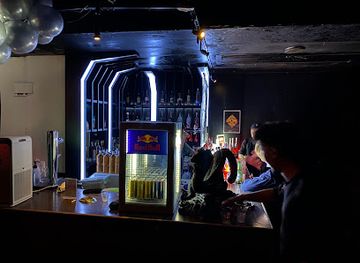
Awa's nightlife scene is a vibrant tapestry of traditional and contemporary experiences, offering an unforgettable journey through the heart of Japanese culture. As the sun sets, the streets come alive with the soft glow of lanterns and the inviting hum of izakayas, where locals and visitors alike gather to enjoy delectable bites and sake. For a touch of the modern, sleek bars and nightclubs pulse with energy, featuring live DJ sets and innovative cocktails crafted by skilled mixologists. Hidden gems like karaoke bars and jazz lounges provide intimate settings for those seeking a more relaxed evening, while the occasional festival or night market adds a festive flair with street food, performances, and artisan crafts. Whether you're looking to dance the night away, savor local delicacies, or simply soak in the ambiance, Awa's nightlife promises an eclectic and immersive experience.
-
Bar
Bar Benfiddich
Discover the artistry of mixology at Bar Benfiddich, Tokyo's premier cocktail destination with an exceptional whiskey selection.
-
Bar
moon walk Shibuya Center-Gai
Discover the essence of Tokyo nightlife at Moon Walk Shibuya Center-Gai, where modern izakaya meets vibrant bar culture.
-
Cocktail bar
Bar TRENCH
Discover the art of mixology at Bar TRENCH, Tokyo's premier cocktail bar offering unique drinks and a cozy atmosphere for all cocktail enthusiasts.
-
Bar
High Five
Discover High Five, a premier bar in Ginza, Tokyo, where expertly crafted cocktails meet a vibrant atmosphere, perfect for unwinding after a day of exploration.

Best nightclubs in Awa
Awa's nightlife scene is a vibrant tapestry of traditional and contemporary experiences, offering an unforgettable journey through the heart of Japanese culture. As the sun sets, the streets come alive with the soft glow of lanterns and the inviting hum of izakayas, where locals and visitors alike gather to enjoy delectable bites and sake. For a touch of the modern, sleek bars and nightclubs pulse with energy, featuring live DJ sets and innovative cocktails crafted by skilled mixologists. Hidden gems like karaoke bars and jazz lounges provide intimate settings for those seeking a more relaxed evening, while the occasional festival or night market adds a festive flair with street food, performances, and artisan crafts. Whether you're looking to dance the night away, savor local delicacies, or simply soak in the ambiance, Awa's nightlife promises an eclectic and immersive experience.
-
Night club
TK
Discover the heart of Tokyo's nightlife at TK Night Club, where electrifying beats meet unforgettable nights in vibrant Shibuya.
-
Night club
BAIA
Experience the electrifying atmosphere of BAIA, a premier night club in Shibuya City that captures the essence of Tokyo's vibrant nightlife.
-
Night club
WOMB
Experience the heartbeat of Tokyo's nightlife at WOMB, a cutting-edge club in Shibuya offering live music, vibrant atmosphere, and unforgettable nights.
-
Event venue
club asia
Club Asia in Shibuya: A premier rock music venue offering electrifying live performances in the heart of Tokyo's nightlife.


Best shops in Awa
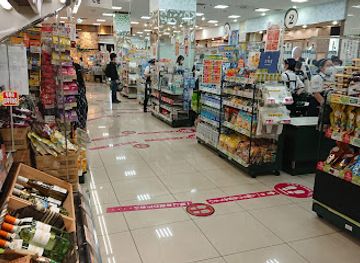
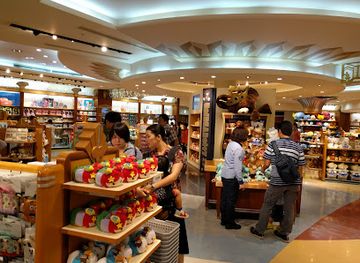
The vibrant shopping scene of Awa is a delightful blend of traditional and contemporary experiences that cater to every taste. Visitors can explore bustling markets filled with artisanal crafts, exquisite textiles, and local delicacies, where the air is infused with the rich aroma of freshly cooked street food. High-end boutiques offer a range of modern fashion, while quaint, family-owned shops provide unique souvenirs, from hand-painted ceramics to intricate woodwork. The covered shopping arcades, known as 'shotengai,' are perfect for a leisurely stroll, offering everything from vintage finds to the latest gadgets. Night markets illuminate the streets with their lively atmosphere, making shopping in Awa a truly immersive experience.
-
Shopping mall
Lazona Kawasaki Plaza
Explore Lazona Kawasaki Plaza, a vibrant shopping mall in Kanagawa with diverse shops, exquisite dining, and exciting entertainment options.
-
Shopping mall
LaLaport TOKYO-BAY
Explore LaLaport TOKYO-BAY, a vibrant shopping mall in Funabashi, Chiba, offering a unique blend of shopping, dining, and family-friendly entertainment.
-
Shopping mall
Ikspiari
Experience the ultimate shopping and entertainment hub at Ikspiari, a must-visit destination in Maihama, Chiba, where shopping meets leisure!
-
Shopping mall
Shibuya 109
Discover the heart of Tokyo's fashion scene at Shibuya 109, where style meets culture in a vibrant shopping experience.

Get your free copy of our complete guide to Awa, delivered straight to you.
Everything on this page, from attractions and restaurants to essentials and local phrases, in one PDF you can read offline, print or share.
Already have an account? Sign in
Your Awa guide is ready.
We'll send it to · Not you? Sign out

Getting your guide ready…
We are putting together a fresh copy of the Awa guide. This can take up to a minute.
This can take a few moments. If your browser asks, choose Allow so the download can start. You'll find the guide in your Downloads folder.
Nothing happened? Download it again
Sorry, the guide is taking longer than usual. Please try again in a minute, or get it by email instead.
Awa essentials
Currency and Payment
Safety
Emergency Situations
Do's and Don'ts
Local Tips
From Eve
Local phrases worth knowing
You don't need to get them perfect. A few words go a long way, and locals appreciate the effort.
Basics
| English | Local | Say it |
|---|---|---|
| Hello | こんにちは | [Konnichiwa] |
| Goodbye | さようなら | [Sayōnara] |
| Yes | はい | [Hai] |
| No | いいえ | [Iie] |
| Please/You're welcome | どうぞ | [Dōzo] |
| Thank you | ありがとう | [Arigatou] |
| Excuse me/Sorry | すみません | [Sumimasen] |
| How are you? | お元気ですか? | [Ogenki desu ka?] |
| Fine. And you? | 元気です。あなたは? | [Genki desu. Anata wa?] |
| Do you speak English? | 英語を話せますか? | [Eigo o hanasemasu ka?] |
| I don't understand | わかりません | [Wakarimasen] |
Eating & Drinking
| English | Local | Say it |
|---|---|---|
| I'd like to see the menu, please | メニューを見せてください | [Menyū o misete kudasai] |
| I don't eat meat | 肉は食べません | [Niku wa tabemasen] |
| Cheers! | 乾杯! | [Kanpai!] |
| I would like to pay, please | お会計をお願いします | [Okaikei o onegaishimasu] |
Emergencies
| English | Local | Say it |
|---|---|---|
| Help! | 助けて! | [Tasukete!] |
| Go away! | どこか行って! | [Doko ka itte!] |
| Call the Police! | 警察を呼んで! | [Keisatsu o yonde!] |
| Call a doctor! | 医者を呼んで! | [Isha o yonde!] |
| I'm lost | 迷いました | [Mayoimashita] |
| I'm ill | 具合が悪いです | [Guai ga warui desu] |
Shopping
| English | Local | Say it |
|---|---|---|
| I'd like to buy... | …を買いたいです | [… o kaitai desu] |
| I'm just looking | 見ているだけです | [Mite iru dake desu] |
| How much is it? | いくらですか? | [Ikura desu ka?] |
| That's too expensive | それは高すぎます | [Sore wa takasugimasu] |
| Can you lower the price? | 値段を下げてもらえますか? | [Nedan o sagete moraemasu ka?] |
Time & Numbers
| English | Local | Say it |
|---|---|---|
| What time is it? | 今何時ですか? | [Ima nanji desu ka?] |
| It's one o'clock | 1時です | [Ichi-ji desu] |
| Half past (10) | 10時半です | [Jū-ji han desu] |
| Morning | 朝 | [Asa] |
| Afternoon | 午後 | [Gogo] |
| Evening | 夕方 | [Yūgata] |
| Yesterday | 昨日 | [Kinō] |
| Today | 今日 | [Kyō] |
| Tomorrow | 明日 | [Ashita] |
| 1 | 1 | [Ichi] |
| 2 | 2 | [Ni] |
| 3 | 3 | [San] |
| 4 | 4 | [Shi] |
| 5 | 5 | [Go] |
| 6 | 6 | [Roku] |
| 7 | 7 | [Nana] |
| 8 | 8 | [Hachi] |
| 9 | 9 | [Kyū] |
| 10 | 10 | [Jū] |
Transport & Directions
| English | Local | Say it |
|---|---|---|
| Where's a/the...? | …はどこですか? | [… wa doko desu ka?] |
| What's the address? | 住所は何ですか? | [Jūsho wa nan desu ka?] |
| Can you show me (on the map)? | 地図で見せてくれますか? | [Chizu de misete kuremasu ka?] |
| When's the next (bus)? | 次の(バス)はいつですか? | [Tsugi no (basu) wa itsu desu ka?] |
| A ticket (to ....) | (…)までのチケット | [(…) made no chiketto] |
History of Awa
Ancient Origins and Mythology
Awa, located in Tokushima Prefecture on Shikoku Island, boasts a rich history that dates back to ancient times. According to Japanese mythology, Awa was one of the original eight provinces created by the deities Izanagi and Izanami. This mythological foundation has deeply influenced the cultural and spiritual fabric of the region.
The Rise of the Awa-no-Kuni
During the Nara Period (710-794), Awa-no-Kuni was officially recognized as a province. It flourished as an agricultural hub, famed for its fertile lands and abundant resources. The establishment of numerous Shinto shrines and Buddhist temples during this era highlights the region's spiritual significance.
Awa Odori: A Cultural Legacy
One of Awa's most enduring cultural contributions is the Awa Odori dance festival. Originating in the 16th century during the Tokugawa shogunate, this lively and colorful dance is celebrated every August. It is a vibrant display of local traditions, music, and communal spirit, attracting thousands of visitors from around the globe.
The Battle of Yashima
Awa's strategic location made it a focal point during the Genpei War (1180-1185). The Battle of Yashima, fought nearby, was a decisive conflict between the Taira and Minamoto clans. This battle significantly impacted the region's political landscape and is a key event in Japanese military history.
Edo Period Prosperity
During the Edo Period (1603-1868), Awa experienced economic prosperity through its indigo dye production. Known as 'Awa Ai,' the indigo dye was highly prized and became a major export product. The wealth generated from this industry led to the development of merchant towns and enhanced the region's cultural heritage.
Modern Era Transformation
In the Meiji Period (1868-1912), Awa underwent significant modernization. The construction of railways and the development of new industries transformed the region's economic landscape. Despite these changes, Awa has managed to preserve its historical sites and traditional culture, making it a unique blend of the old and the new.
Awa Puppet Theater
Awa is also renowned for its traditional puppet theater, known as 'Awa Ningyo Joruri.' This form of puppetry, which dates back to the Edo Period, combines storytelling, music, and intricate puppetry skills. The theater remains a cherished cultural institution, with performances that continue to captivate audiences.
Cultural Festivals and Traditions
Beyond Awa Odori, the region hosts a variety of cultural festivals throughout the year. These events celebrate local traditions, crafts, and culinary delights. The 'Hina Matsuri' (Doll Festival) and the 'Awa Bancha Tea Festival' are just a few examples of the vibrant cultural life in Awa.
Awa in Photos
Browse through our photo collection highlighting the charm and character of the destination.
Neighbouring regions of Awa
The closest regions to Awa, if you have time for more than one.
-
 Sagami
Discover Sagami, an enchanting city in Japan's Kanagawa Prefecture, where ancient temples, scenic landscapes, and vibrant festivals await your exploration.
Sagami
Discover Sagami, an enchanting city in Japan's Kanagawa Prefecture, where ancient temples, scenic landscapes, and vibrant festivals await your exploration.
-
 Musashi
Discover Musashi: A harmonious blend of historical temples, serene nature trails, and vibrant cultural festivals in Japan's Kanto region.
Musashi
Discover Musashi: A harmonious blend of historical temples, serene nature trails, and vibrant cultural festivals in Japan's Kanto region.
-
 Izu
Discover Izu, Japan: A picturesque peninsula known for its scenic coastlines, relaxing hot springs, historical temples, and vibrant cherry blossoms.
Izu
Discover Izu, Japan: A picturesque peninsula known for its scenic coastlines, relaxing hot springs, historical temples, and vibrant cherry blossoms.
-
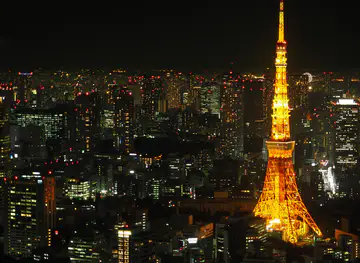 Kanto
Explore the Kanto region in Japan, where ancient traditions meet modern wonders amidst vibrant cities, historical sites, and natural beauty.
Kanto
Explore the Kanto region in Japan, where ancient traditions meet modern wonders amidst vibrant cities, historical sites, and natural beauty.
-
 Suruga
Discover the serene beauty and rich history of Suruga, Japan - from breathtaking views of Mount Fuji to historic castles and exquisite green tea plantations.
Suruga
Discover the serene beauty and rich history of Suruga, Japan - from breathtaking views of Mount Fuji to historic castles and exquisite green tea plantations.
Swipe for more regions

