Inujima Travel Guide
Free Guide: Discover Inujima: Where industrial history meets contemporary art in a unique island setting. Explore museums, art houses, and natural beauty.


A brief summary of Inujima
Discover Inujima: Where industrial history meets contemporary art in a unique island setting. Explore museums, art houses, and natural beauty.
Inujima, a small island in the Seto Inland Sea, blends contemporary art with its industrial past. The Inujima Seirensho Art Museum, housed in a former copper refinery, and the Art House Project offer unique cultural experiences amidst the island's natural beauty.
- Address
- Inujima, Higashi-ku, Okayama, 704-8153
Getting there
Ferry
Walking
Discover more about Inujima
Overview
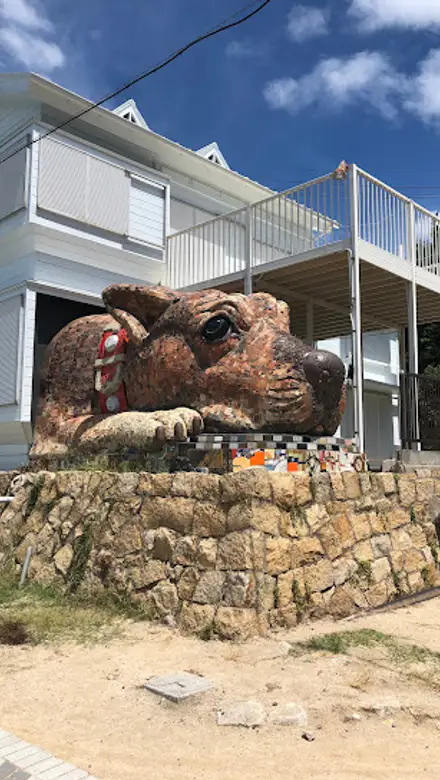
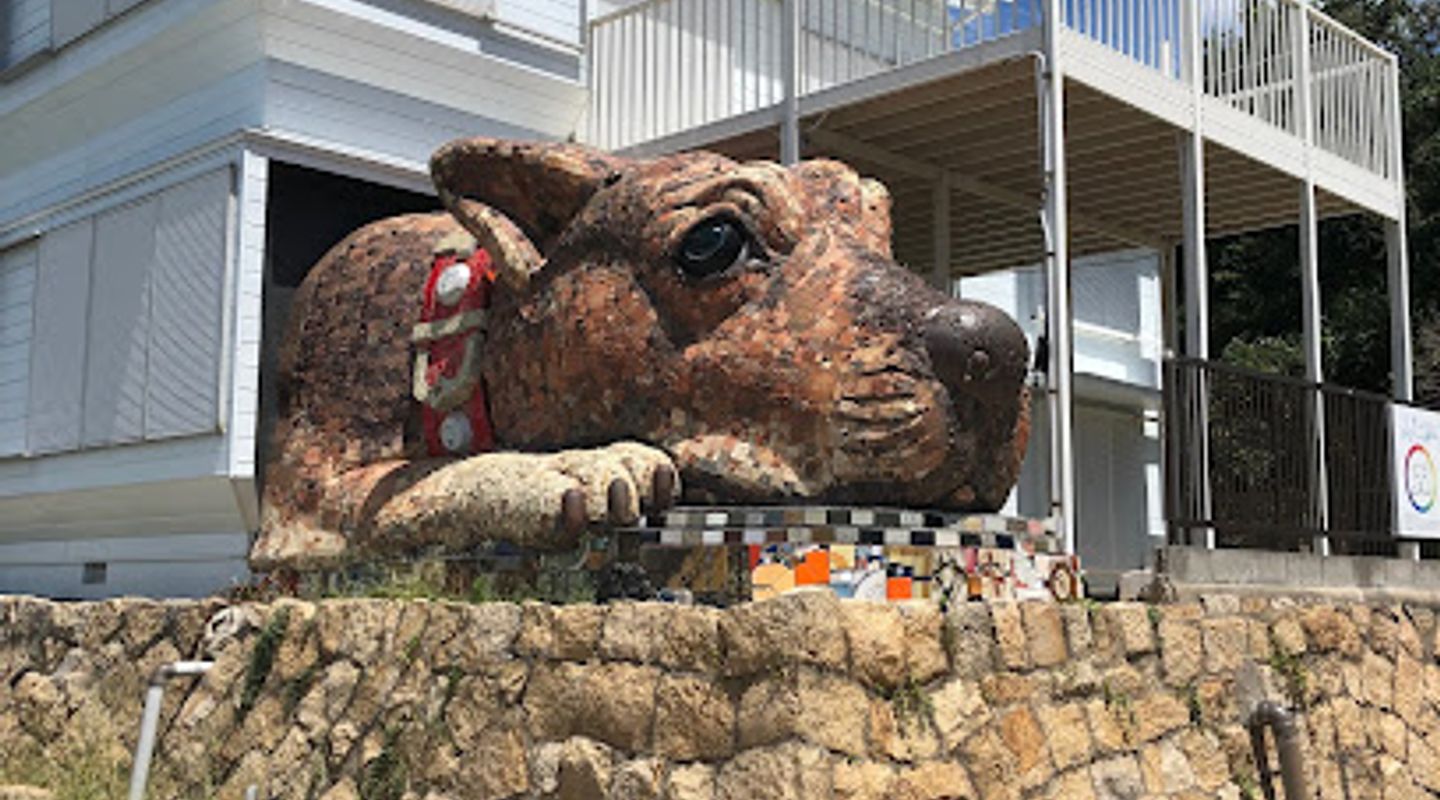
Inujima, meaning "Dog Island," is a small island in the Seto Inland Sea, off the coast of Okayama. The island gets its name from a dog-shaped rock. Once a site of copper smelting and granite quarrying, Inujima has reinvented itself as a haven for contemporary art, attracting visitors with its unique blend of industrial heritage and modern installations.The Inujima Seirensho Art Museum, opened in 2008, stands as a testament to this transformation. The museum repurposed the ruins of a copper refinery, blending art with the existing structures. Architect Hiroshi Sambuichi designed the museum with a focus on sustainability, utilizing natural energy sources like solar and geothermal power. The museum's design incorporates the refinery's chimney for ventilation and uses karami bricks, byproducts of the copper smelting process. Artist Yukinori Yanagi created installations inspired by Yukio Mishima, a writer critical of Japan's modernization, adding a layer of historical and cultural reflection.Inujima is also home to the Art House Project, which began in 2010. This project transforms old, abandoned houses into contemporary art galleries, integrating art into the daily life of the island's residents. Scattered throughout the village, the Art Houses feature works by various artists, using materials like local stone, wood, acrylic glass, and aluminum to create new perspectives on the island's landscape. The Inujima Life Garden is another facet of the island's art scene, emphasizing self-sufficiency and sustainability through ecological and social projects.Visitors can explore the island's historical roots by observing the remnants of the copper smelters and quarries from the Meiji and Taisho periods. Inujima's granite, known as Inujima Mikage, was used in the construction of Osaka Castle and other notable sites. Today, Inujima offers a unique experience where art, history, and nature intertwine, inviting contemplation and appreciation.
Evendo Review Centre
 Google
Guest reviews
Explore Inujima on the map
A handpicked selection of must-see spots near Inujima, mapped for you.
Get your free copy of our complete guide to Inujima, delivered straight to you.
Everything on this page, from opening hours and how to get there to Eve’s tips and the best time to go, in one PDF you can read offline, print or share.
Already have an account? Sign in
Your Inujima guide is ready.
We'll send it to · Not you? Sign out

Getting your guide ready…
We are putting together a fresh copy of the Inujima guide. This can take up to a minute.
This can take a few moments. If your browser asks, choose Allow so the download can start. You'll find the guide in your Downloads folder.
Nothing happened? Download it again
Sorry, the guide is taking longer than usual. Please try again in a minute, or get it by email instead.
Unlock the best of Inujima
Skip-the-line tickets, guided tours with entry, and walking tours of the area, booked in a few clicks.

Other nearby places you may find interesting
The closest places of the same kind, if this one is not quite what you had in mind.
-
-
-
-
-


Swipe for more places
More to explore near Inujima

 Best experiences near Inujima
 Best hotels near Inujima
 Best landmarks near Inujima
 Best attractions near Inujima
 Best shops near Inujima
 Best restaurants near Inujima
 Best bars near Inujima
Do you manage this location?
Take control to get all the benefits, like improved information, better appearance, and stronger visibility across AI-powered discovery.
Explore more

Explore more of Bizen
Discover the timeless allure of Bizen, Japan - a town celebrated for its ancient pottery, historic sites, and serene natural landscapes.
Explore Bizen
Explore more of Japan
Discover the harmony of tradition and modernity in Japan, where ancient temples and cutting-edge technology coexist in perfect balance.
Explore Japan