

Free Bizen Travel Guide & Mobile App
Explore Bizen with free travel guides. Discover regional history, expert tips, proposed trips, and audio guides on web or mobile app.


Explore Bizen in Japan for wood-fired pottery, Edo-period heritage, oyster-rich coastal cuisine and quiet Seto Inland Sea landscapes.
Read more about Bizen
When is the best time to visit Bizen?
Best: April–May, October · 19–24°C| Month | High (°C) | Rainfall (mm) |
|---|---|---|
| January | 10 | 50 |
| February | 11 | 55 |
| March | 15 | 90 |
| April (best) | 19 | 110 |
| May (best) | 24 | 120 |
| June | 27 | 170 |
| July | 32 | 220 |
| August | 32 | 170 |
| September | 28 | 150 |
| October (best) | 23 | 110 |
| November | 17 | 90 |
| December | 12 | 60 |
Getting to and around Bizen
How to get there
Transportation
Best attractions in Bizen
Bizen's attractions centre on living craft, rural history and the Seto Inland Sea rather than on a dense concentration of large museums. Imbe is the principal cultural focus, with Bizen pottery workshops, galleries, kiln compounds and the Bizen Ceramic Art Museum explaining how local clay and wood-firing create the tradition's distinctive surfaces. Many studios offer demonstrations or experiences, though arrangements vary and advance enquiries are sensible. Shizutani School provides a contrasting historical visit, placing early education within a wooded landscape and well-preserved Edo-period architecture. In the Hinase area, harbour scenery, fishing culture and seasonal oyster cuisine reveal the region's maritime side. Inland roads lead through agricultural landscapes and wooded hills suited to quiet drives and cycling, while temples, shrines and old settlements offer smaller-scale heritage encounters. Bizen is best experienced through several connected stops, with time allowed for workshops, local food and changing coastal scenery rather than a hurried checklist of sights.
-
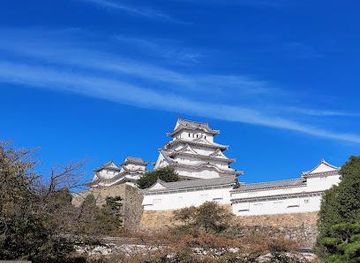
Castle
Himeji Castle
Explore the grandeur of Himeji Castle, a UNESCO World Heritage Site, and witness the beauty of Japan's historical architecture and stunning gardens.
-
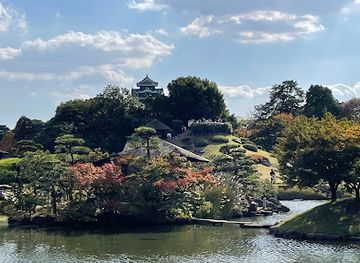
Garden
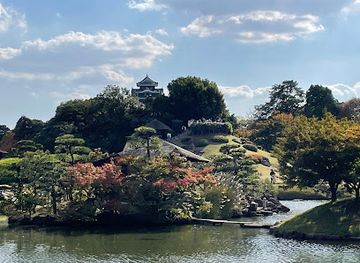
Okayama Korakuen
Discover the serene beauty of Okayama Korakuen, a quintessential Japanese garden rich in history and breathtaking landscapes, perfect for relaxation and exploration.
-
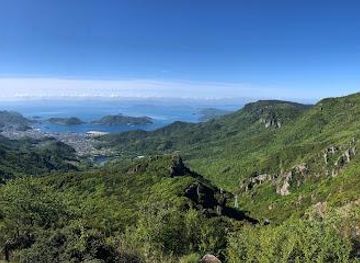
Mountain cable car
Kankakei Ropeway
Experience breathtaking views and natural beauty aboard the Kankakei Ropeway in Shodoshima, Kagawa - a must-see tourist attraction.
-
City park
Ujo Park
Discover the serene beauty of Ujo Park in Okayama, where lush landscapes and rich culture converge for an unforgettable experience.
Best landmarks in Bizen
The most recognisable cultural landmark in Bizen is Shizutani School, whose early educational buildings, stone walls, carefully composed grounds and distinctive black roof tiles make it an important Edo-period survival. In Imbe, the clusters of working kilns and pottery workshops form a less monumental but highly characteristic industrial landscape: smoke-blackened kiln structures, clay yards and shopfronts show that Bizen ware remains a working tradition rather than a purely historic memory. The Bizen Ceramic Art Museum provides an architectural and cultural reference point for understanding the local style. Along the coast, Hinase's harbours, islands and narrow Inland Sea channels are geographical landmarks shaped by fishing and maritime travel. The contrast between Imbe's kiln landscape, Shizutani's formal educational setting and Hinase's working waterfront gives Bizen its clearest visual identity.
-
Garden
Okayama Korakuen
Discover the beauty and serenity of Okayama Korakuen, a stunning Japanese garden that captivates visitors with its seasonal charm and historical significance.
-
Shopping mall
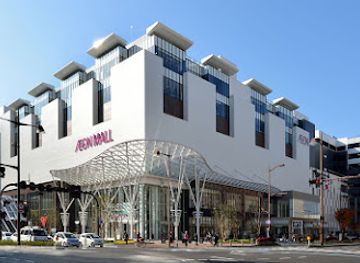
AEON Mall Okayama
Discover the ultimate shopping experience at AEON Mall Okayama, where modern retail meets local flavors and entertainment.
-
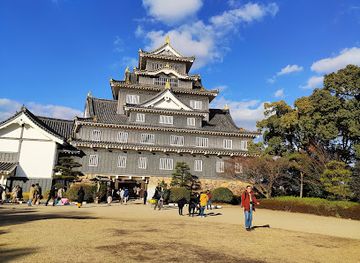
Castle
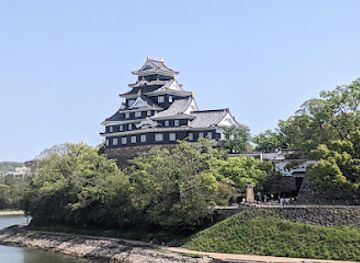
Okayama Castle
Explore Okayama Castle, the 'Crow Castle': A historic landmark offering cultural experiences and panoramic city views next to Korakuen Garden.
-
Shinto shrine
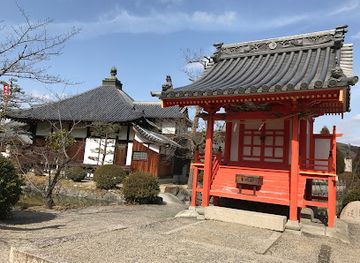
Kibitsu Jinja (Sanbi Ichinomiya)
Discover Kibitsu Jinja, Okayama's legendary shrine with unique architecture, tranquil gardens, and the captivating Momotaro folklore.
Explore Bizen on the map
Plan your trip on one map. See where the top cities, national parks and sights are, and book hotels and experiences in a few clicks.
Best hotels in Bizen
Best restaurants in Bizen
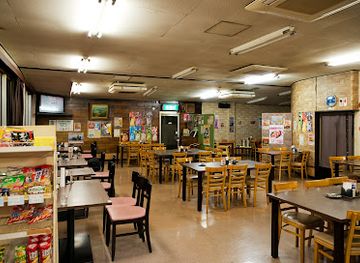
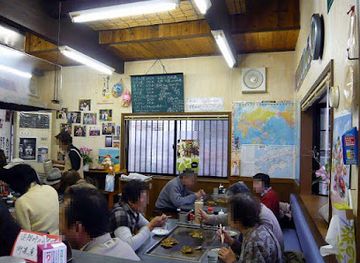
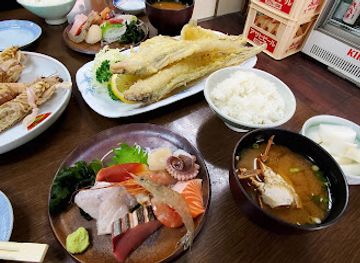
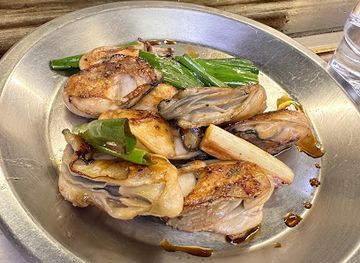
Bizen's food culture reflects both its inland farming communities and its Seto Inland Sea coast. Hinase is particularly associated with oysters, which appear in seasonal dishes at local restaurants and are often enjoyed grilled, fried or incorporated into rice and hot-pot preparations. Fresh fish and other seafood are also important in coastal dining, while inland eateries and traditional Japanese restaurants provide familiar regional staples such as noodles, rice dishes and set meals. Around Imbe, cafés and small restaurants complement visits to pottery studios, and eating from a vessel made in Bizen adds a fitting connection between food and craft. Local markets and shops may sell prepared foods and seasonal produce, but opening patterns can be limited outside the main centres. Tipping is not expected, and menus in smaller establishments may require patience when English is limited.
-
Syokudo and Teishoku restaurant
Ōsakaya Shokudō
Discover authentic Japanese flavors at Ōsakaya Shokudō – where tradition meets taste in Bizen's charming atmosphere.
-
Okonomiyaki restaurant
Hori Okonomiyaki
Experience authentic Japanese okonomiyaki at Hori Okonomiyaki in Bizen – a delightful blend of tradition and flavor awaits you.
-
Seafood
Seafood Iso
Experience the finest seafood dishes at Seafood Iso in Bizen - where freshness meets tradition in every bite.
-
Okonomiyaki restaurant
Morishita
Discover the authentic taste of Japan at Morishita, Bizen's premier okonomiyaki restaurant offering delicious flavors and warm hospitality.
Best bars in Bizen
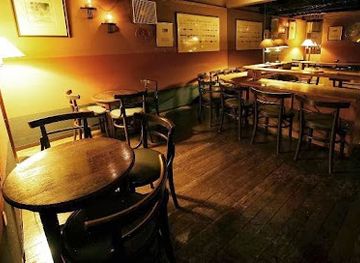
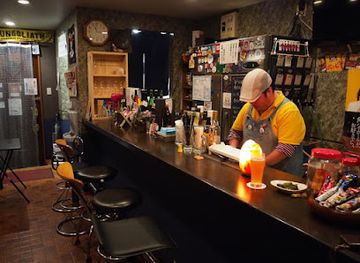
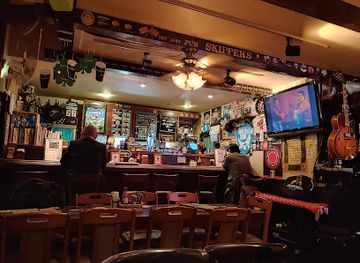
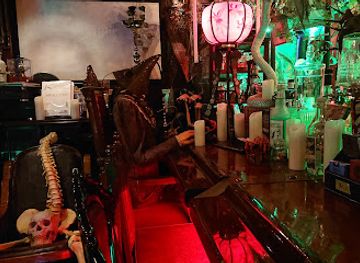
Bizen has no large, concentrated nightclub district; evening life is generally quiet and centred on restaurants, izakaya-style dining, small bars and traditional establishments in the larger local communities. Imbe's pottery focus makes it primarily a daytime destination, while Hinase's waterfront identity is expressed more through seafood dining and harbour atmosphere than late-night entertainment. Visitors staying locally can expect a slower rural evening, with convenience stores and accommodation areas providing more practical options than a broad choice of clubs. For a larger selection of bars, live music and late-night venues, Okayama city outside Bizen is the nearest major centre, reached by rail or road but requiring a planned return journey. Drink responsibly and remember that rural public transport may finish early.
-
Bar
Legend
Discover the vibrant nightlife of Okayama at Legend Bar, where drinks flow and memories are made in a charming atmosphere.
-
Bar
Craftbeer pub CRAFTRainbow
Experience the vibrant craft beer culture at CRAFTRainbow, where quality Japanese brews meet a cozy atmosphere in Okayama.
-
Bar
SKIPPER’S BEER PUB
Discover the unique charm of SKIPPER’S BEER PUB in Okayama, offering a cozy atmosphere and a delightful selection of local and international beers.
-
Bar
Salon Arhall
Discover the vibrant fusion of art and nightlife at Salon Arhall, Okayama's premier bar and artistic haven.
Best nightclubs in Bizen
Bizen has no large, concentrated nightclub district; evening life is generally quiet and centred on restaurants, izakaya-style dining, small bars and traditional establishments in the larger local communities. Imbe's pottery focus makes it primarily a daytime destination, while Hinase's waterfront identity is expressed more through seafood dining and harbour atmosphere than late-night entertainment. Visitors staying locally can expect a slower rural evening, with convenience stores and accommodation areas providing more practical options than a broad choice of clubs. For a larger selection of bars, live music and late-night venues, Okayama city outside Bizen is the nearest major centre, reached by rail or road but requiring a planned return journey. Drink responsibly and remember that rural public transport may finish early.
-
Bar
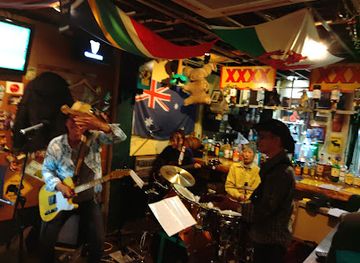
Aussie Bar
Experience the vibrant nightlife of Okayama at Aussie Bar, where Australian culture meets local charm with great drinks and live music.
-
Night club
YEBISU YA PRO
Dive into Okayama's nightlife at YEBISU YA PRO, where live music and vibrant energy create unforgettable nights.
-
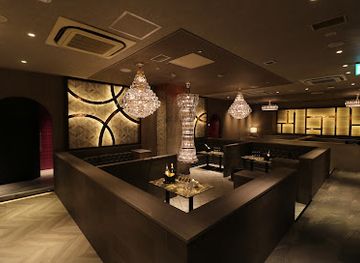
Lounge
XIX the lounge 岡山 相席ラウンジ
Experience the best of izakaya culture at XIX the Lounge, a stylish spot in Okayama for delicious food and lively social interactions.
-
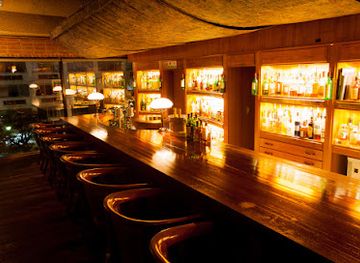
Bar
Paradis
Experience the enchanting vibe of Paradis, a jazz bar in Okayama, where exquisite wines and live music create unforgettable nights.

Best shops in Bizen
Shopping in Bizen is closely linked to pottery, with Imbe offering the broadest choice of Bizen-yaki vessels, tea utensils, sake cups, plates and contemporary ceramic art. Pieces vary considerably in price and scale, from practical everyday ware to one-off works by established makers, and studios can usually explain firing marks and care requirements. Shops may offer packing or shipping advice for international visitors, but check arrangements before purchase. In Hinase, seafood products and seasonal oyster-related foods provide a different kind of local shopping, subject to availability and transport regulations for taking food abroad. Small local shops, roadside produce outlets and community markets can also sell agricultural goods and regional gifts, while larger fashion and department-store shopping is found in nearby Okayama rather than in Bizen itself. Cash remains useful in independent businesses.
-
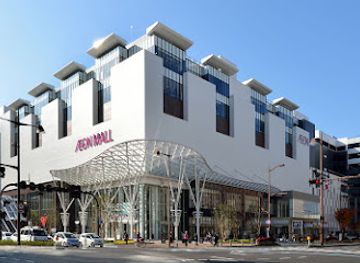
Shopping mall
AEON Mall Okayama
Explore AEON Mall Okayama, a vibrant shopping center with diverse stores, dining options, and entertainment that showcases modern Japanese culture.
-
Department store
Okayama Takashimaya
Discover a shopping paradise at Okayama Takashimaya, where fashion meets culinary delights in the heart of Okayama.
-
Handicraft museum
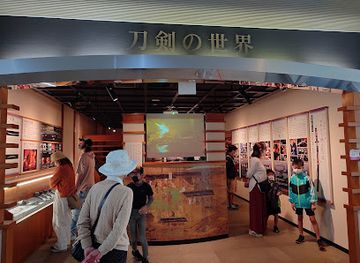
Bizen Osafune Japanese Sword Museum
Explore the rich heritage of Japanese sword-making at Bizen Osafune Japanese Sword Museum, a captivating journey into artistry and tradition.
-
Souvenir store
Tonosho port Tourist centre
Explore the Tonosho Port Tourist Centre for unique souvenirs and local insights on Shodo Island's rich culture and heritage.

Get your free copy of our complete guide to Bizen, delivered straight to you.
Everything on this page, from attractions and restaurants to essentials and local phrases, in one PDF you can read offline, print or share.
Already have an account? Sign in
Your Bizen guide is ready.
We'll send it to · Not you? Sign out

Getting your guide ready…
We are putting together a fresh copy of the Bizen guide. This can take up to a minute.
This can take a few moments. If your browser asks, choose Allow so the download can start. You'll find the guide in your Downloads folder.
Nothing happened? Download it again
Sorry, the guide is taking longer than usual. Please try again in a minute, or get it by email instead.
Bizen essentials
Currency and Payment
Safety
Emergency Situations
Do's and Don'ts
Local Tips
From Eve
Local phrases worth knowing
You don't need to get them perfect. A few words go a long way, and locals appreciate the effort.
Basics
| English | Local | Say it |
|---|---|---|
| Hello | こんにちは | [Konnichiwa] |
| Goodbye | さようなら | [Sayōnara] |
| Yes | はい | [Hai] |
| No | いいえ | [Iie] |
| Please/You're welcome | どうぞ | [Dōzo] |
| Thank you | ありがとう | [Arigatou] |
| Excuse me/Sorry | すみません | [Sumimasen] |
| How are you? | お元気ですか? | [Ogenki desu ka?] |
| Fine. And you? | 元気です。あなたは? | [Genki desu. Anata wa?] |
| Do you speak English? | 英語を話せますか? | [Eigo o hanasemasu ka?] |
| I don't understand | わかりません | [Wakarimasen] |
Eating & Drinking
| English | Local | Say it |
|---|---|---|
| I'd like to see the menu, please | メニューを見せてください | [Menyū o misete kudasai] |
| I don't eat meat | 肉は食べません | [Niku wa tabemasen] |
| Cheers! | 乾杯! | [Kanpai!] |
| I would like to pay, please | お会計をお願いします | [Okaikei o onegaishimasu] |
Emergencies
| English | Local | Say it |
|---|---|---|
| Help! | 助けて! | [Tasukete!] |
| Go away! | どいて! | [Doite!] |
| Call the Police! | 警察を呼んで! | [Keisatsu o yonde!] |
| Call a doctor! | 医者を呼んで! | [Isha o yonde!] |
| I'm lost | 迷いました | [Mayoimashita] |
| I'm ill | 具合が悪いです | [Guai ga warui desu] |
Shopping
| English | Local | Say it |
|---|---|---|
| I'd like to buy... | …を買いたいです | [… o kaitai desu] |
| I'm just looking | 見ているだけです | [Mite iru dake desu] |
| How much is it? | これはいくらですか? | [Kore wa ikura desu ka?] |
| That's too expensive | それは高すぎます | [Sore wa takasugimasu] |
| Can you lower the price? | 値段を下げてもらえますか? | [Nedan o sagete moraemasu ka?] |
Time & Numbers
| English | Local | Say it |
|---|---|---|
| What time is it? | 今何時ですか? | [Ima nanji desu ka?] |
| It's one o'clock | 1時です | [Ichi-ji desu] |
| Half past (10) | 10時半です | [Jū-ji han desu] |
| Morning | 朝 | [Asa] |
| Afternoon | 午後 | [Gogo] |
| Evening | 夕方 | [Yūgata] |
| Yesterday | 昨日 | [Kinō] |
| Today | 今日 | [Kyō] |
| Tomorrow | 明日 | [Ashita] |
| 1 | 1 | [Ichi] |
| 2 | 2 | [Ni] |
| 3 | 3 | [San] |
| 4 | 4 | [Shi] |
| 5 | 5 | [Go] |
| 6 | 6 | [Roku] |
| 7 | 7 | [Nana] |
| 8 | 8 | [Hachi] |
| 9 | 9 | [Kyū] |
| 10 | 10 | [Jū] |
Transport & Directions
| English | Local | Say it |
|---|---|---|
| Where's a/the...? | …はどこですか? | [… wa doko desu ka?] |
| What's the address? | 住所は何ですか? | [Jūsho wa nan desu ka?] |
| Can you show me (on the map)? | 地図で見せてもらえますか? | [Chizu de misete moraemasu ka?] |
| When's the next (bus)? | 次の(バス)はいつですか? | [Tsugi no (basu) wa itsu desu ka?] |
| A ticket (to ....) | …までのチケット | [… made no chiketto] |
History of Bizen
Ancient Bizen Province
Bizen formed part of the historical province of Bizen, one of the old territorial divisions of Japan. Its position along the Inland Sea connected inland settlements with maritime routes linking western Japan, while fertile plains and river valleys supported agriculture. The region's later prominence in ceramics and metalworking developed within this wider network of resources, transport and political authority. Although modern Bizen City is a contemporary administrative area, its communities retain connections to the older cultural landscape of eastern Okayama.
The Rise of Bizen Ware
Bizen pottery developed from medieval kiln traditions associated with the Imbe area. Local craftspeople used iron-rich clay and wood-firing techniques that produced warm red-brown surfaces, natural marks and varied textures without relying on painted decoration. Bizen ware became valued for practical vessels as well as tea utensils, and its reputation spread through networks of merchants, religious institutions and tea practitioners. The tradition survived changes in patronage and technology and remains central to Bizen's cultural identity.
Bizen and the Inland Sea Economy
During the medieval and early modern periods, Bizen's coastal settlements participated in the busy economy of the Seto Inland Sea. Fishing, salt, agriculture and local trade connected communities to ports elsewhere in western Japan. Inland routes linked the coast with market and administrative centres, while maritime knowledge helped sustain the settlements around Hinase. The sea remains important today, although modern roads, railways and aquaculture have transformed the older pattern of transport and production.
Shizutani School and Edo-Period Education
Shizutani School was established in 1670 under the Okayama domain and developed as an institution for education beyond the ruling elite. Its surviving buildings and grounds illustrate the importance that some feudal domains placed on learning, moral instruction and local administration during the Edo period. The school is particularly notable for its durable construction and distinctive roof tiles. Its continued preservation gives visitors an unusually tangible view of early organised education in regional Japan.
Modernisation and the Railway Era
The arrival of modern transport altered the relationship between Bizen's inland settlements, pottery districts and coast. Railways and improved roads offered new routes for people and goods, while industrialisation changed employment patterns and reduced the isolation of rural communities. Traditional crafts faced pressure from mass production but also gained new opportunities through museums, cultural preservation and specialist markets. The present-day city was formed through municipal consolidation, bringing the pottery, inland and Hinase coastal districts within one local authority.
Bizen Pottery in Contemporary Japan
In the modern period, Bizen ware was reassessed not merely as a utilitarian product but as a major ceramic art tradition. Artists, kiln families, collectors and cultural institutions helped maintain wood-firing methods while allowing individual makers to experiment with form and scale. Imbe continues to function as a working pottery district rather than a reconstructed historical display. Visitors can therefore see a living craft economy in which workshops, exhibitions and everyday use all contribute to Bizen's continuing identity.
Bizen in Photos
Browse through our photo collection highlighting the charm and character of the destination.
Neighbouring regions of Bizen
The closest regions to Bizen, if you have time for more than one.
-

-

-

-

-


Swipe for more regions
Explore more

Explore more of Japan
Discover the harmony of tradition and modernity in Japan, where ancient temples and cutting-edge technology coexist in perfect balance.
Explore Japan