
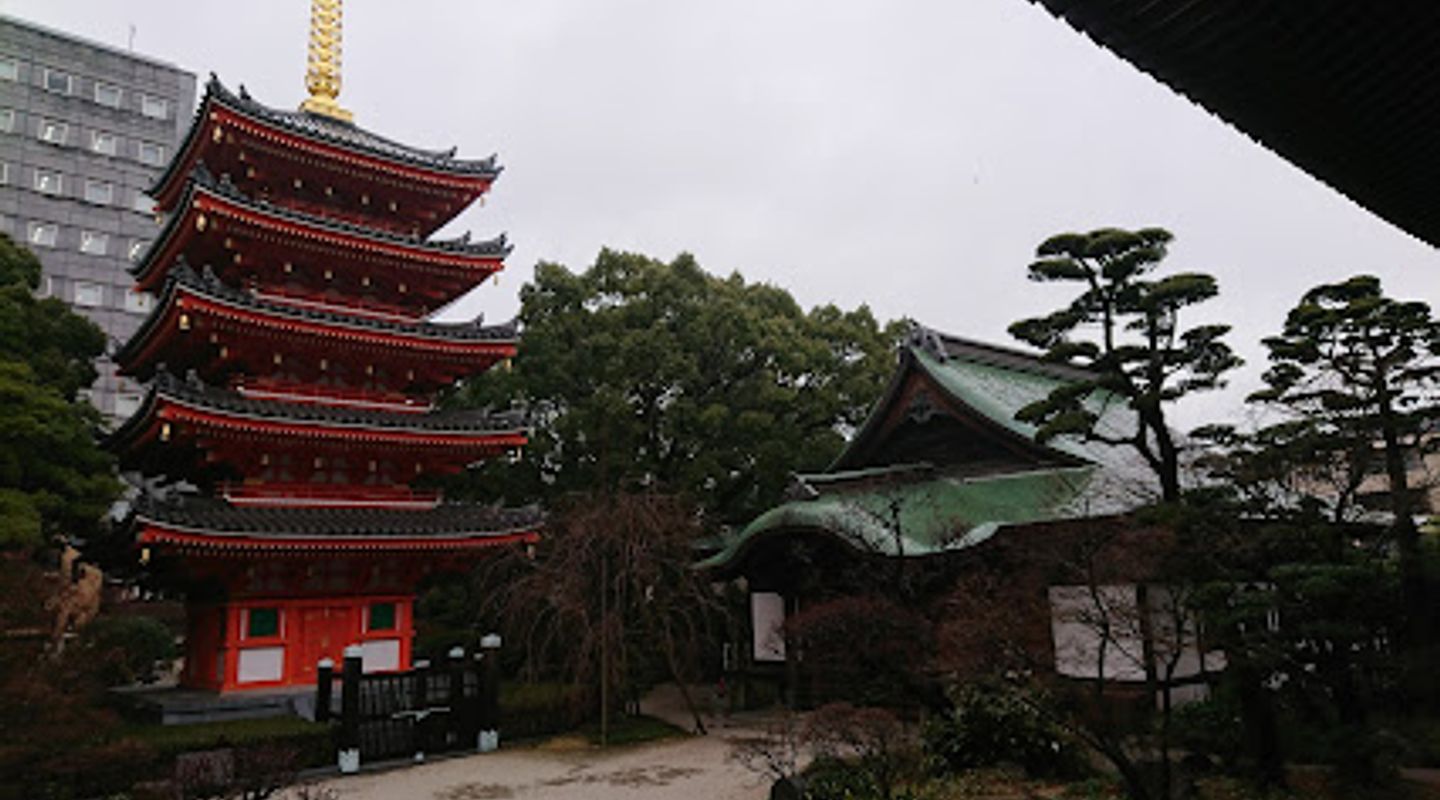
Jotenji, Chikuzen Travel Guide
Discover tranquility at Jotenji Temple in Hakata, the birthplace of udon, soba, and the vibrant Hakata Gion Yamakasa festival.
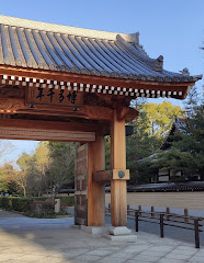
Jotenji Temple, founded in 1242, offers a serene escape from bustling Hakata. This Zen temple is historically significant as the birthplace of udon and soba noodles and the Hakata Gion Yamakasa festival. Visitors can explore its tranquil grounds and view the renowned Zen rock garden.
A brief summary to Jotenji
- 1 Chome-29-9 Hakata Ekimae, Fukuoka, 1 Chome Hakata Ekimae, Hakata Ward, Fukuoka, 812-0011, JP
- Click to display
- Monday 8:30 am-4:30 pm
- Tuesday 8:30 am-4:30 pm
- Wednesday 8:30 am-4:30 pm
- Thursday 8:30 am-4:30 pm
- Friday 8:30 am-4:30 pm
- Saturday 8:30 am-4:30 pm
- Sunday 8:30 am-4:30 pm

Know before you go
Hi, I'm Eve. Here are a few practical things to know before exploring Jotenji.
- Visit in mid-November to see the temple grounds, including the Zen garden, beautifully illuminated during the light-up event.
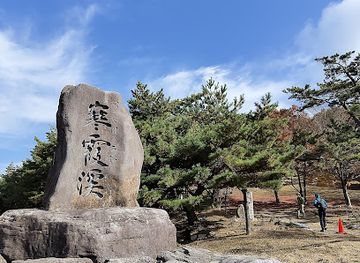
- Look for the stone monuments commemorating the introduction of udon, soba, manju, and yokan by Shoichi Kokushi.
- Take a moment to appreciate the serene atmosphere and traditional design of Jotenji Avenue leading to the temple.
Do you manage this location?
Take control to get all the benefits, like improved information, better appearance, and stronger visibility across AI-powered discovery. Learn more about listing your business on Evendo
Activate your presenceOther nearby places you may find interesting
The closest places of the same kind, if this one is not quite what you had in mind.
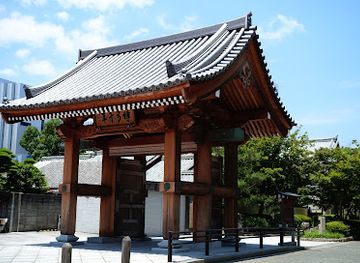
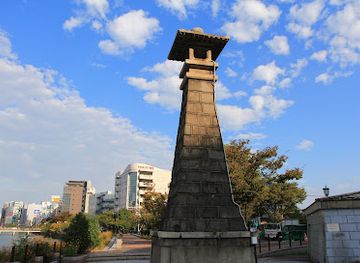
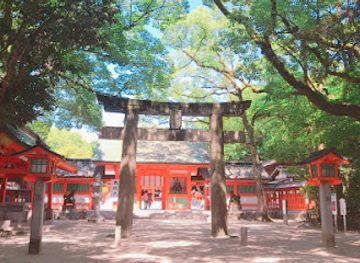
Explore Jotenji on the Map
A handpicked selection of must-see spots near Jotenji, mapped for you.
Unlock the Best of Jotenji
Buy tickets
-
No tickets available
Book tours with entry


Book tours without entry
-
No tours available
Getting There
-
Walking
From Hakata Station, walk north along the main road, passing the Hakata Kotsu Center. Turn left at Nishitetsu Hotel Croom Hakata and follow the signs to Hakata Sennen no Mon Gate. Jotenji Temple is a short walk from the gate. The walk is approximately 10 minutes.
-
Public Transport
Take the Fukuoka City Subway from Hakata Station to Gion Station. From Gion Station, Jotenji Temple is a 5-minute walk. Subway fare is ¥190-¥220.
-
Taxi
Taxis are readily available from Hakata Station. The taxi ride to Jotenji Temple is approximately 3 minutes and costs between ¥1,100 and ¥1,400.
Discover more about Jotenji













Your all‑in‑one travel companion app
Explore expert travel guides, compare and book tours, experiences, hotels, and more—all from the palm of your hand. Download now for seamless trip planning wherever your wanderlust takes you.


Explore More of Chikuzen
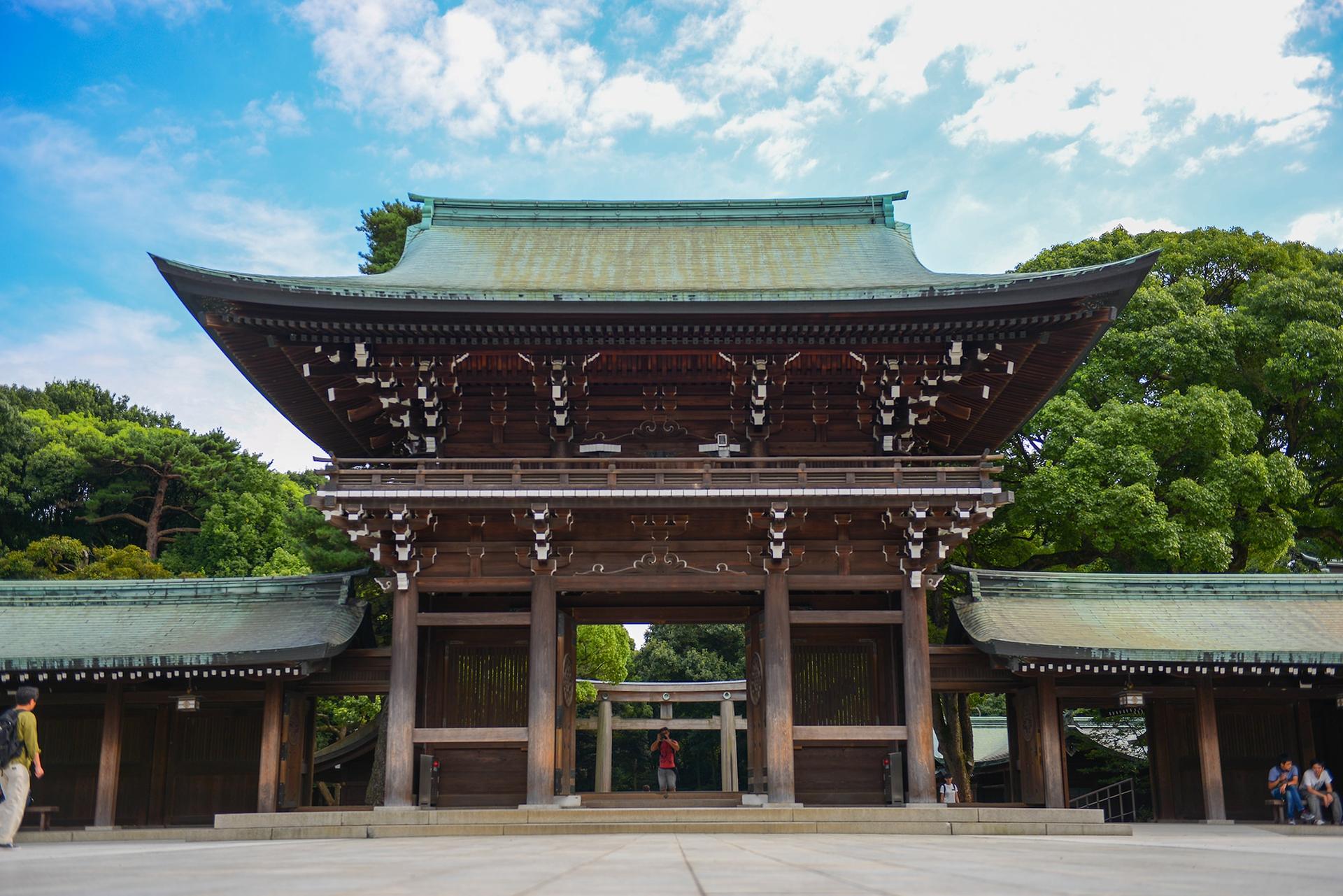
Looking beyond Jotenji? Discover Chikuzen for broader travel guides, local hot-spots, and regional highlights.
Explore Chikuzen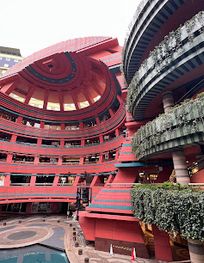
Experience Fukuoka's vibrant 'city within a city': shopping, dining, entertainment, and stunning canal-side architecture at Canal City Hakata.
Discover Fukuoka's historic heart: Explore ancient temples, serene shrines, and traditional streets in Hakata Old Town, a step back in time.
