

Free Chikuzen Travel Guide & Mobile App
Explore Chikuzen with free travel guides. Discover regional history, expert tips, proposed trips, and audio guides on web or mobile app.


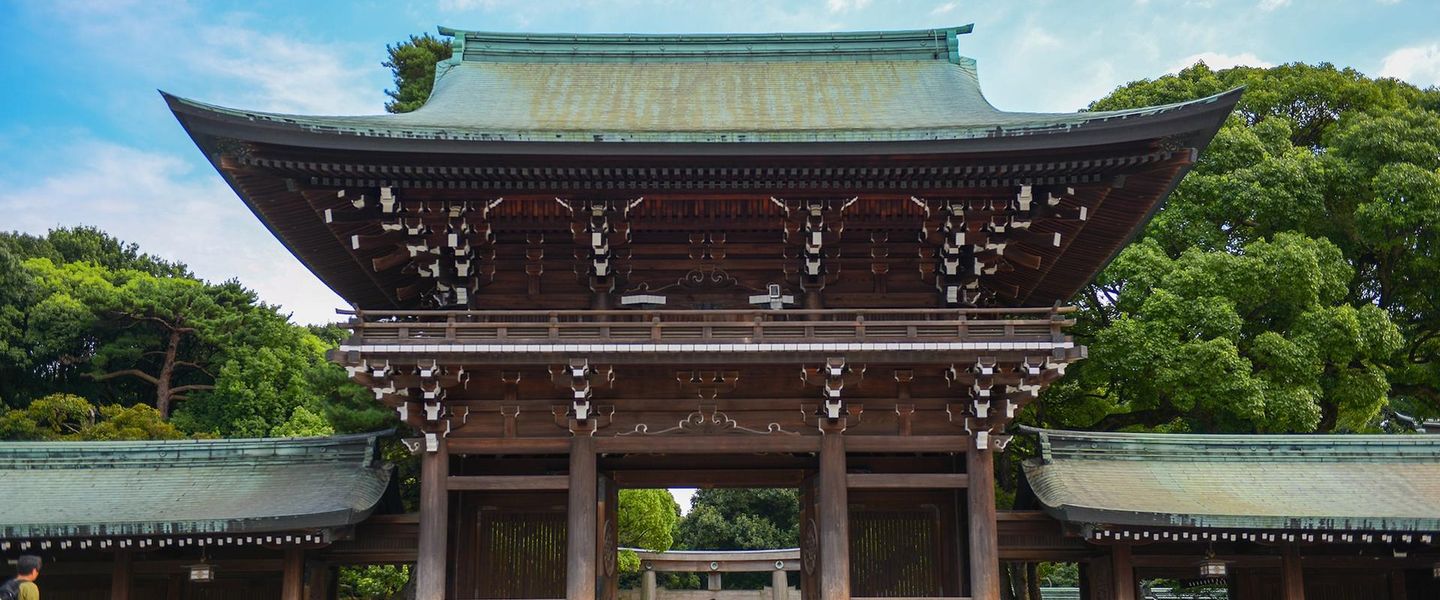


Explore Chikuzen in northern Kyushu for Fukuoka’s food, Dazaifu’s heritage, Munakata’s sacred coast and Itoshima’s open landscapes.
Read more about Chikuzen
When is the best time to visit Chikuzen?
Best: May, October–November · 18–24°C| Month | High (°C) | Rainfall (mm) |
|---|---|---|
| January | 10 | 60 |
| February | 11 | 70 |
| March | 15 | 100 |
| April | 19 | 120 |
| May (best) | 24 | 140 |
| June | 29 | 200 |
| July | 33 | 240 |
| August | 32 | 180 |
| September | 30 | 170 |
| October (best) | 24 | 120 |
| November (best) | 18 | 100 |
| December | 13 | 60 |
Getting to and around Chikuzen
How to get there
Transportation
Top city travel guides in Chikuzen
The cities of Chikuzen, and the easiest places to base yourself.

Swipe for more cities
Best attractions in Chikuzen
Chikuzen’s attractions range from major urban museums and waterfront districts to shrine precincts, archaeological sites and open coastal landscapes. Fukuoka offers the Fukuoka Asian Art Museum, the Hakata Machiya Folk Museum and the parks and excavated remains around Fukuoka Castle, while the Kyushu National Museum and Dazaifu’s historic religious sites provide deeper insight into the region’s ancient international role. The Munakata area is important for maritime heritage and sacred traditions, whereas Itoshima is suited to beaches, farm visits, cycling and coastal scenery. Inland, Sasaguri’s forested temple route and Iizuka’s mining heritage reveal quieter aspects of Chikuzen. Families may find broad recreation areas around Fukuoka’s parks and waterfront, while walkers can seek wooded hills and rural paths, taking account of weather, terrain and transport limitations. The region’s appeal lies in its contrasts: dense city life is close to old shrine towns, industrial history, fishing settlements and cultivated countryside.
-
Tourist attraction
Hachikō Memorial Statue
Discover the heartwarming story of loyalty at the Hachikō Memorial Statue in Shibuya, Tokyo—a must-see symbol of devotion and love.
-
Shinto shrine
Kamado Shrine
Experience the serene beauty and spiritual significance of Kamado Shrine, a must-visit Shinto shrine in Dazaifu, Fukuoka, rich in culture and history.
-
Tourist attraction
Sumiyoshi Jinja
Experience the serene beauty and rich cultural heritage at Sumiyoshi Jinja, a must-visit Shinto shrine in Fukuoka, Japan.
-
Tourist attraction
Tochoji Temple
Explore the tranquil beauty of Tochoji Temple, home to Japan's largest wooden Buddha and a serene oasis in the heart of Fukuoka.

Best landmarks in Chikuzen
Dazaifu Tenmangu is Chikuzen’s most recognisable religious landmark, its long approach and shrine buildings reflecting centuries of devotion to Sugawara no Michizane, the scholar associated with Tenjin worship. Nearby, the ruins of the ancient Dazaifu government complex and Kanzeonji evoke the region’s former administrative importance. In Fukuoka, the surviving stone walls and elevated earthworks of Fukuoka Castle form a substantial historic presence within Maizuru Park, while Hakata’s Kushida Shrine remains closely linked with the old merchant city and its major festival traditions. Munakata Taisha’s mainland shrines represent a maritime sacred landscape extending towards the remote island of Okinoshima, whose access is restricted. Along the coast, Itoshima’s headlands and beaches provide natural landmarks rather than monumental architecture, and inland Sasaguri’s wooded temple routes show how religious sites are integrated into Chikuzen’s hills. Together these places express the region’s principal historical themes: continental exchange, seafaring, state administration, lordly power and living religious practice.
-
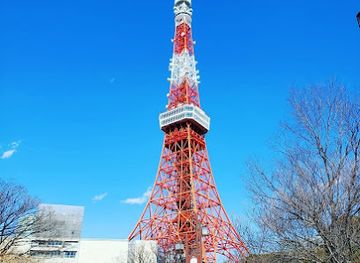
Observation deck
Tokyo Tower
Experience breathtaking panoramic views of Tokyo from this iconic symbol of Japan's post-war rebirth and modern innovation.
-
 Buddhist temple
Sensō-ji
Explore Tokyo's oldest temple, Sensō-ji, a vibrant Asakusa landmark with rich history, stunning architecture, and traditional shopping.
-
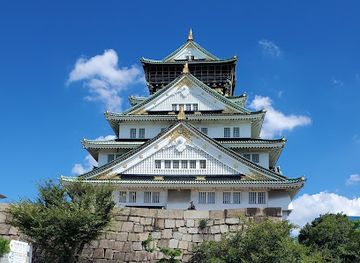
Castle
Osaka Castle
Explore Osaka Castle: Witness history, enjoy panoramic views, and immerse yourself in the beauty of Osaka Castle Park.
-
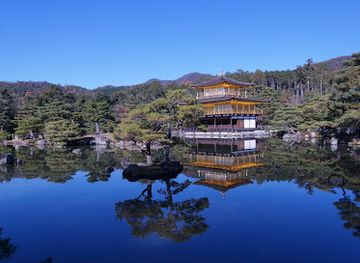
Buddhist temple
Kinkaku-ji
A dazzling Zen Buddhist temple in Kyoto, Japan, Kinkaku-ji's gold-leaf exterior reflects beautifully on the surrounding pond, a must-see World Heritage Site.
Explore Chikuzen on the map
Plan your trip on one map. See where the top cities, national parks and sights are, and book hotels and experiences in a few clicks.
Best hotels in Chikuzen
Best restaurants in Chikuzen
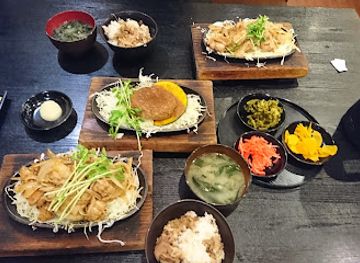
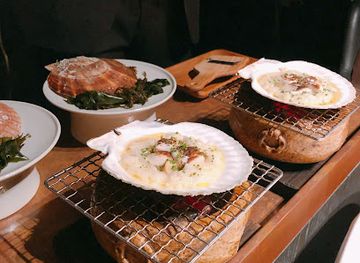
Chikuzen’s food culture is anchored by Fukuoka’s celebrated everyday dining rather than by one narrowly defined regional cuisine. Hakata ramen, with its pork-bone broth and thin noodles, is widely available, while mentaiko, a spicy seasoned cod roe, appears in rice dishes, set meals and snacks. Hakata udon, grilled seafood and seasonal catches from the Genkai Sea add further local character. In Itoshima and other coastal districts, restaurants and markets make use of fish, shellfish and locally grown vegetables; inland communities are associated with rice, fruit and produce from small farms. Fukuoka’s central districts offer everything from compact noodle counters and izakaya to bakeries, cafés and contemporary restaurants, while Dazaifu is known for snacks eaten around the shrine approach, including umegae mochi. Food halls, morning markets and neighbourhood shops can be as informative as formal restaurants, and smaller establishments may accept cash more readily than overseas cards.
-
Fusion restaurant
Ninja Tokyo
Discover the enchanting fusion of creative Japanese cuisine and immersive ninja-themed dining at Ninja Tokyo.
-
Syokudo and Teishoku restaurant
Aozora Shokudo
Discover authentic Japanese flavors at Aozora Shokudo in Fukuoka – where hearty meat dishes meet warm hospitality.
-
French
L’Effervescence
Experience culinary excellence at L’Effervescence, where French gastronomy meets Japanese artistry in an elegant setting.
-
Japanese
Narisawa
Experience innovative kaiseki cuisine at Narisawa, where each dish reflects Japan's natural beauty and seasonal ingredients.

Best bars in Chikuzen
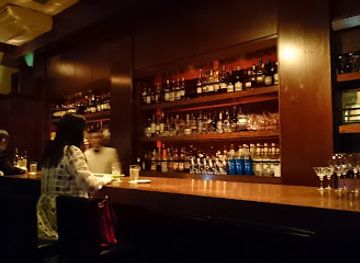
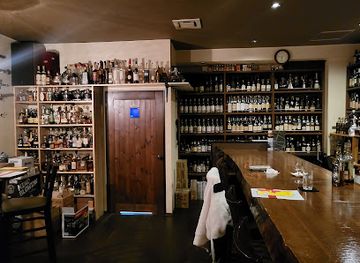
Nightlife in Chikuzen is concentrated in Fukuoka, particularly around Tenjin, Nakasu, Daimyo and the older Hakata quarters. The choices include izakaya, standing bars, cocktail rooms, live-music venues, karaoke and late-night restaurants, with Nakasu known for its dense concentration of evening businesses. Fukuoka also has a substantial student and creative population, although the character of individual streets changes considerably between quiet residential lanes and busier entertainment areas. Dazaifu, Munakata and Itoshima are more subdued after dark, with evening meals, local pubs and accommodation-based dining more common than clubbing. Visitors should check payment policies and last train times before settling into a night out, since rural connections finish earlier and taxis can be less readily available outside the city.
-
Cocktail bar
Oscar
Experience the essence of Fukuoka nightlife at Oscar Cocktail Bar, where exquisite cocktails meet a stylish ambiance.
-
Bar
Barr Nowhere
Experience the lively atmosphere of Barr Nowhere, Fukuoka's premier bar for craft cocktails and great conversations.
-
Bar
Cheers
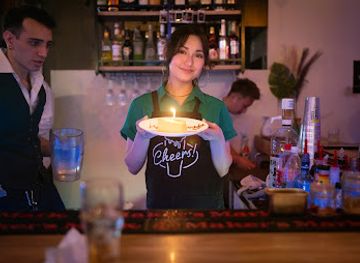
Discover the vibrant nightlife at Cheers in Fukuoka, where live music and a welcoming atmosphere create unforgettable evenings.
-
Bar
Bar Kitchen
Discover the lively atmosphere and exceptional drinks at Bar Kitchen, a must-visit bar in Fukuoka's vibrant nightlife scene.

Best nightclubs in Chikuzen
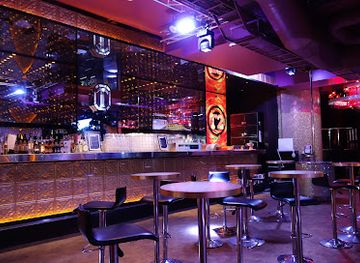
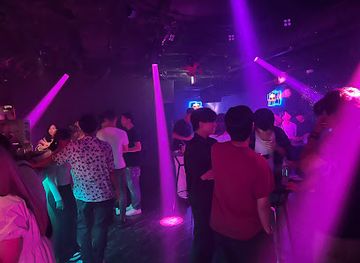
Nightlife in Chikuzen is concentrated in Fukuoka, particularly around Tenjin, Nakasu, Daimyo and the older Hakata quarters. The choices include izakaya, standing bars, cocktail rooms, live-music venues, karaoke and late-night restaurants, with Nakasu known for its dense concentration of evening businesses. Fukuoka also has a substantial student and creative population, although the character of individual streets changes considerably between quiet residential lanes and busier entertainment areas. Dazaifu, Munakata and Itoshima are more subdued after dark, with evening meals, local pubs and accommodation-based dining more common than clubbing. Visitors should check payment policies and last train times before settling into a night out, since rural connections finish earlier and taxis can be less readily available outside the city.
-
Night club
TK
Discover the electrifying nightlife at TK Nightclub, a top destination in Shibuya, Tokyo, known for its vibrant atmosphere and exceptional music.
-
Night club
Cat's
Discover Fukuoka's nightlife at Cat's, a vibrant club in Tenjin known for its energetic atmosphere and lively music scene.
-
Night club
V2 TOKYO
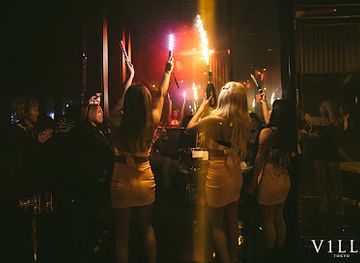
Dive into the electrifying nightlife of V2 Tokyo, where world-class DJs and a stylish atmosphere create unforgettable nights in Roppongi.
-
Night club
WOMB
Discover WOMB, Tokyo's iconic night club in Shibuya, where electrifying music meets a vibrant atmosphere for an unforgettable nightlife experience.

Best shops in Chikuzen
Fukuoka provides Chikuzen’s broadest shopping choice, from the department stores and underground arcades of Tenjin to the station malls around Hakata and the independent boutiques of Daimyo. Hakata’s older quarters are useful for traditional crafts, textiles, ceramics, food gifts and locally themed souvenirs, while markets and food halls offer mentaiko, confectionery, tea, dried seafood and other products suited to travel. Dazaifu’s approach to Tenmangu is lined with shops selling sweets, festival snacks, charms and craft items, though visitors should distinguish religious souvenirs from mass-produced gifts. Itoshima is known for small galleries, farm shops and lifestyle-oriented craft businesses rather than extensive retail streets. In the Munakata and inland districts, local produce, pottery and regional food products are more characteristic purchases than fashion shopping. Market days and independent shop hours can vary, so rural shopping is best planned as part of a daytime excursion.
-
Gift shop
CANAL CITY HAKATA
Experience the vibrant blend of shopping, dining, and entertainment at Canal City Hakata, Fukuoka's premier attraction.
-
Shopping mall
AMU Plaza Hakata City
Discover shopping and dining at AMU Plaza Hakata City, a vibrant mall in Fukuoka offering local and international brands, plus exciting attractions.
-
Outlet mall
Tosu Premium Outlets
Experience unbeatable shopping at Tosu Premium Outlets, where designer brands meet extraordinary discounts in a vibrant outdoor setting.
-
Shopping mall
Marinoa City Fukuoka
Experience shopping, dining, and stunning views at Marinoa City Fukuoka, a premier destination for tourists in Japan.


Get your free copy of our complete guide to Chikuzen, delivered straight to you.
Everything on this page, from attractions and restaurants to essentials and local phrases, in one PDF you can read offline, print or share.
Already have an account? Sign in
Your Chikuzen guide is ready.
We'll send it to · Not you? Sign out

Getting your guide ready…
We are putting together a fresh copy of the Chikuzen guide. This can take up to a minute.
This can take a few moments. If your browser asks, choose Allow so the download can start. You'll find the guide in your Downloads folder.
Nothing happened? Download it again
Sorry, the guide is taking longer than usual. Please try again in a minute, or get it by email instead.
Chikuzen essentials
Currency and Payment
Safety
Emergency Situations
Do's and Don'ts
Local Tips
From Eve
Local phrases worth knowing
You don't need to get them perfect. A few words go a long way, and locals appreciate the effort.
Basics
| English | Local | Say it |
|---|---|---|
| Hello | こんにちは | [Konnichiwa] |
| Goodbye | さようなら | [Sayōnara] |
| Yes | はい | [Hai] |
| No | いいえ | [Iie] |
| Please/You're welcome | どうぞ | [Dōzo] |
| Thank you | ありがとう | [Arigatou] |
| Excuse me/Sorry | すみません | [Sumimasen] |
| How are you? | お元気ですか? | [Ogenki desu ka?] |
| Fine. And you? | 元気です。あなたは? | [Genki desu. Anata wa?] |
| Do you speak English? | 英語を話せますか? | [Eigo o hanasemasu ka?] |
| I don't understand | わかりません | [Wakarimasen] |
Eating & Drinking
| English | Local | Say it |
|---|---|---|
| I'd like to see the menu, please | メニューを見せてください | [Menyū o misete kudasai] |
| I don't eat meat | 肉は食べません | [Niku wa tabemasen] |
| Cheers! | 乾杯! | [Kanpai!] |
| I would like to pay, please | お会計をお願いします | [Okaikei o onegaishimasu] |
Emergencies
| English | Local | Say it |
|---|---|---|
| Help! | 助けて! | [Tasukete!] |
| Go away! | どいて! | [Doite!] |
| Call the Police! | 警察を呼んで! | [Keisatsu o yonde!] |
| Call a doctor! | 医者を呼んで! | [Isha o yonde!] |
| I'm lost | 道に迷いました | [Michi ni mayoimashita] |
| I'm ill | 具合が悪いです | [Guai ga warui desu] |
Shopping
| English | Local | Say it |
|---|---|---|
| I'd like to buy... | これを買いたいです | [Kore o kaitai desu] |
| I'm just looking | 見ているだけです | [Mite iru dake desu] |
| How much is it? | これはいくらですか? | [Kore wa ikura desu ka?] |
| That's too expensive | それは高すぎます | [Sore wa takasugimasu] |
| Can you lower the price? | 値段を下げてもらえますか? | [Nedan o sagete moraemasu ka?] |
Time & Numbers
| English | Local | Say it |
|---|---|---|
| What time is it? | 今何時ですか? | [Ima nanji desu ka?] |
| It's one o'clock | 1時です | [1-ji desu] |
| Half past (10) | 10時半です | [10-ji han desu] |
| Morning | 朝 | [Asa] |
| Afternoon | 午後 | [Gogo] |
| Evening | 夕方 | [Yūgata] |
| Yesterday | 昨日 | [Kinō] |
| Today | 今日 | [Kyō] |
| Tomorrow | 明日 | [Ashita] |
| 1 | 1 | [1] |
| 2 | 2 | [2] |
| 3 | 3 | [3] |
| 4 | 4 | [4] |
| 5 | 5 | [5] |
| 6 | 6 | [6] |
| 7 | 7 | [7] |
| 8 | 8 | [8] |
| 9 | 9 | [9] |
| 10 | 10 | [10] |
Transport & Directions
| English | Local | Say it |
|---|---|---|
| Where's a/the...? | どこに...がありますか? | [Doko ni ... ga arimasu ka?] |
| What's the address? | 住所は何ですか? | [Jūsho wa nan desu ka?] |
| Can you show me (on the map)? | 地図で見せてくれますか? | [Chizu de misete kuremasu ka?] |
| When's the next (bus)? | 次の(バス)はいつですか? | [Tsugi no (basu) wa itsu desu ka?] |
| A ticket (to ....) | (...)への切符 | [ (...) e no kippu] |
History of Chikuzen
Early Coastal Exchange and Yayoi Kyushu
Northern Kyushu was one of the principal points of contact between the Japanese archipelago and the Korean Peninsula during the Yayoi and Kofun periods. Agricultural techniques, metalworking, burial customs and objects connected with continental trade reached communities around the northern Fukuoka coast and inland plains. The precise boundaries of ancient polities are debated, but the archaeological record establishes the importance of this area as a zone of exchange. Its position facing the Korean Strait later made Chikuzen a natural setting for diplomacy, maritime movement and defence.
Dazaifu and the Ancient Government of Kyushu
From the late seventh century, Dazaifu developed as the imperial government’s administrative and military centre for Kyushu. It supervised relations with the continent, managed taxation and communications, and coordinated defence in a region considered strategically important. Roads, official compounds and religious institutions supported its authority, while nearby temples such as Kanzeonji reflected the political and spiritual importance of the site. Although little of the original government complex survives above ground, excavated foundations and museum collections show why Dazaifu became one of ancient Japan’s most significant regional centres.
Hakata, Maritime Trade and Mongol Invasions
Hakata grew as a port and commercial settlement connected to trade across the Korea Strait and the East China Sea. Merchants, religious institutions and diplomatic missions helped make the coast around Hakata an important international gateway in medieval Japan. The port also became a military frontier when Mongol-led forces invaded northern Kyushu in 1274 and 1281. Defensive earthworks and stone fortifications were constructed along parts of Hakata Bay after the first invasion. The campaigns left a lasting mark on the region’s historical identity, even though the invasion armies ultimately withdrew.
Munakata’s Maritime Religious Tradition
The Munakata area preserves a religious tradition closely linked to sea travel and navigation. Munakata Taisha venerates three deities associated with the protection of maritime routes, with worship historically extending to islands between Kyushu and the Korean Peninsula. Okinoshima, the most restricted of these sacred places, contains a remarkable archaeological record of offerings made during ancient diplomatic and trading contacts. Its isolation helped preserve the site, while the mainland shrines continue to represent the region’s long relationship with the sea. Visitors should observe access rules and the sacred character of the island tradition.
The Kuroda Domain and the Making of Fukuoka
After Tokugawa Ieyasu’s victory at Sekigahara, Kuroda Nagamasa received the Fukuoka domain and established Fukuoka Castle in the early seventeenth century. The castle and its surrounding town reshaped the political geography of Chikuzen, while Hakata continued its separate mercantile identity across the river. The paired urban traditions of lordly Fukuoka and commercial Hakata remain visible in street names, shrine districts, surviving historic structures and local festivals. The castle’s stone walls, moats and elevated remains now form the core of Maizuru Park.
Coal, Railways and Industrial Chikuzen
From the late nineteenth century into the early twentieth century, coal mining transformed inland districts of Chikuzen, particularly around Iizuka and the Chikuho coalfield. Mines, railways and associated settlements supplied fuel for Japan’s industrial expansion and connected rural communities with the growing port and city economy. Mining was physically demanding and socially complex, involving workers from different parts of Japan and, during wartime, people subjected to coercive labour. After the industry declined, museums, former railway traces and mining-related buildings helped preserve this important chapter of regional industrial history.
Fukuoka’s Modern Urban and Cultural Growth
Fukuoka expanded rapidly after the Second World War, becoming the principal metropolitan centre of Kyushu and a major transport, education and business hub. Hakata Station, the port and the airport strengthened connections with the rest of Japan and with East Asia, while redevelopment brought new commercial districts alongside older temple and merchant quarters. Contemporary Fukuoka retains a strong food culture and youthful cultural scene, but its modern identity rests on older layers: Dazaifu’s ancient administration, Hakata’s maritime commerce, Fukuoka’s castle town and Chikuzen’s rural and industrial hinterland.
Chikuzen in Photos
Browse through our photo collection highlighting the charm and character of the destination.
Neighbouring regions of Chikuzen
The closest regions to Chikuzen, if you have time for more than one.
-

-

-

-

-


Swipe for more regions
Explore more

Explore more of Japan
Discover the harmony of tradition and modernity in Japan, where ancient temples and cutting-edge technology coexist in perfect balance.
Explore Japan