Dotonbori Glico Sign, Iki Travel Guide
Osaka's iconic illuminated billboard in Dotonbori, the Glico Running Man has been a symbol of the city's vibrant energy since 1935.
The Dotonbori Glico Sign, a dazzling display in Osaka's vibrant Dotonbori district, has been a symbol of the city since 1935. Featuring a running man, it represents the Glico confectionery company and has become a beloved photo spot for tourists and locals alike.
A brief summary to Dotonbori Glico Sign
- 1 Chome-10-4 Dotonbori, Osaka, 1 Chome Dotonbori, Chuo Ward, Osaka, 542-0071, JP
- Click to display
- Click to display

Know before you go
Hi, I'm Eve. Here are a few practical things to know before exploring Dotonbori Glico Sign.
- Visit during the evening to see the Glico Sign beautifully illuminated.
- Try local street food while you're there; Dotonbori is famous for its culinary scene.
- Bring a camera or smartphone for great photo opportunities with the sign.
- Explore the surrounding area for unique shops and entertainment options.
Do you manage this location?
Take control to get all the benefits, like improved information, better appearance, and stronger visibility across AI-powered discovery. Learn more about listing your business on Evendo
Activate your presenceOther nearby places you may find interesting
The closest places of the same kind, if this one is not quite what you had in mind.

Explore Dotonbori Glico Sign on the Map
A handpicked selection of must-see spots near Dotonbori Glico Sign, mapped for you.
Unlock the Best of Dotonbori Glico Sign
Buy tickets
-
No tickets available
Book tours with entry


Getting There
-
Walking
From Shinsaibashi Station, take Exit 1 and head towards the Shinsaibashi Shopping Arcade. Walk straight through the arcade until you reach Dotonbori Street. Turn left onto Dotonbori Street and walk for about 10 minutes. The Glico Sign will be visible on your right side.
-
Public Transport
From Osaka Station, transfer to the Osaka Metro Midosuji Line and ride to Namba Station (approximately 12 minutes, ¥280). Exit Namba Station via 'Exit 14' and walk towards Dotonbori (approximately 5 minutes on foot). The Glico Sign is located at 1 Chome-10-4 Dotonbori, Chuo Ward.
Discover more about Dotonbori Glico Sign













Your all‑in‑one travel companion app
Explore expert travel guides, compare and book tours, experiences, hotels, and more—all from the palm of your hand. Download now for seamless trip planning wherever your wanderlust takes you.


Explore More of Iki
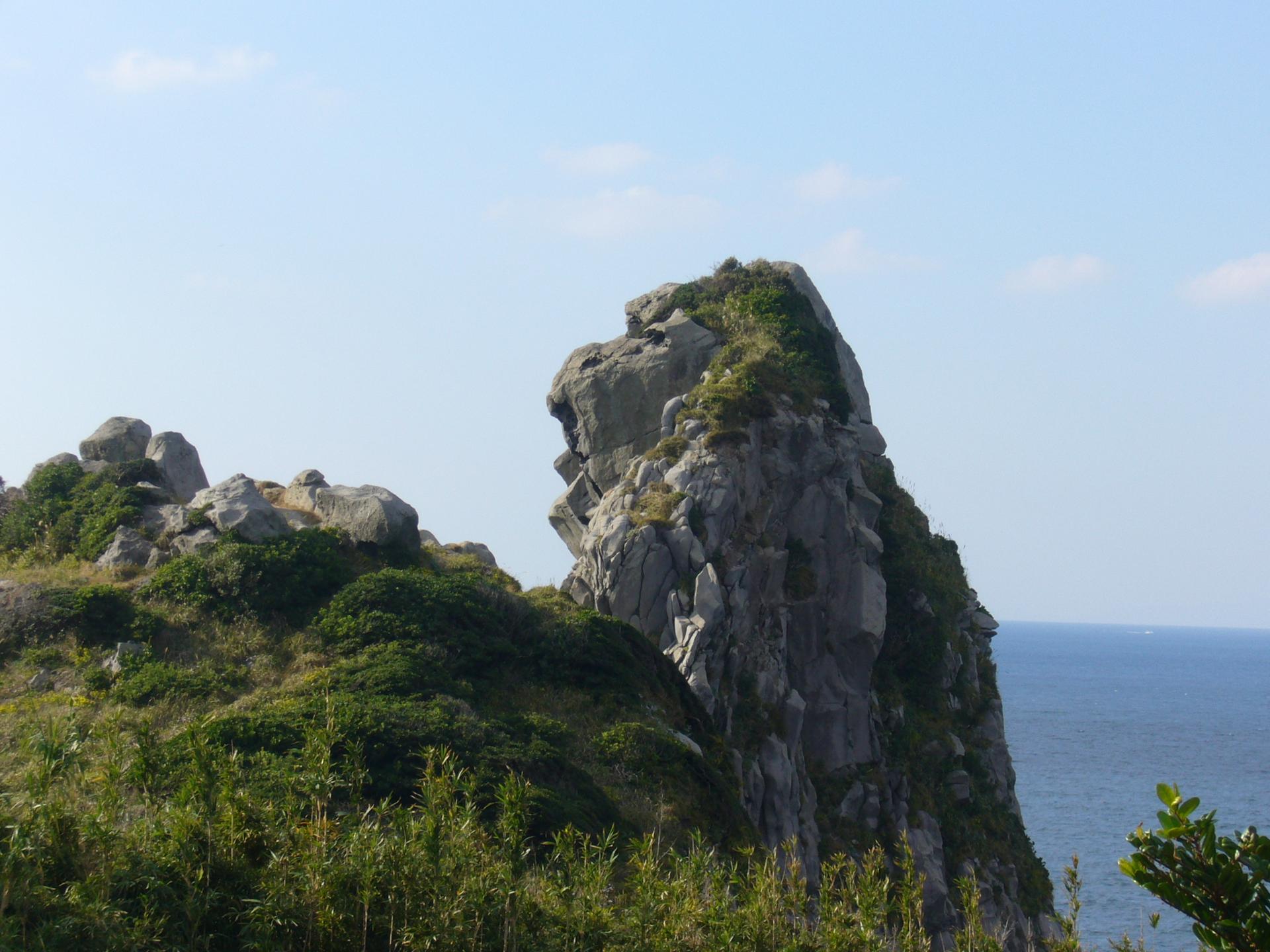
Looking beyond Dotonbori Glico Sign? Discover Iki for broader travel guides, local hot-spots, and regional highlights.
Explore Iki
Experience the breathtaking views and rich history at Zyanose-Loveless-EP Rooftop, a must-visit landmark in Osaka that highlights the city's architectural beauty.

Experience the vibrant heart of Osaka at Ebisubashi Bridge, a stunning landmark connecting you to the bustling Dotonbori district.