

Sensō-ji Travel Guide
Free Guide: Explore Tokyo's oldest temple, Sensō-ji, a vibrant center of Buddhist tradition, iconic gates, and bustling Nakamise shopping in Asakusa.


A brief summary of Sensō-ji
Explore Tokyo's oldest temple, Sensō-ji, a vibrant center of Buddhist tradition, iconic gates, and bustling Nakamise shopping in Asakusa.
Sensō-ji, Tokyo's oldest temple, is a vibrant Buddhist site in Asakusa. Founded in 645 AD, it draws millions with its iconic Kaminarimon gate, Nakamise shopping street, and the serene main hall dedicated to Kannon, the Bodhisattva of compassion.
- Address
- 2 Chome-3-1 Asakusa, Taito City, Tokyo 111-0032
- Phone
- Website
Getting there
Public Transport
Walking
Taxi
Parking
Discover more about Sensō-ji
Overview
Sensō-ji, also known as Asakusa Kannon Temple, is Tokyo's oldest and most significant Buddhist temple, located in the heart of Asakusa. Its history stretches back to 628 AD when, according to legend, two fishermen, Hinokuma Hamanari and Hinokuma Takenari, discovered a golden statue of Kannon in the Sumida River. Despite their attempts to return it to the river, the statue kept reappearing. Recognizing its sanctity, the village chief, Hajino Nakamoto, enshrined the statue in a small temple, marking the beginning of Sensō-ji.The temple was completed in 645 AD and has since become a symbol of rebirth and peace, drawing over 30 million visitors annually. The complex includes the Kaminarimon (Thunder Gate), with its massive red lantern, and Nakamise-dori, a bustling shopping street leading to the Hozomon Gate and the main hall. The main hall is dedicated to Kannon Bosatsu (Avalokiteśvara), the Bodhisattva of compassion. Though the original statue remains hidden, visitors can pay their respects to Kannon.Key features include the five-story pagoda, Asakusa Shrine, and various events held throughout the year, such as Sanja Matsuri in May and the Asakusa Samba Carnival in August. The temple was destroyed during World War II but was reconstructed in 1958, symbolizing resilience. Nakamise-dori offers traditional souvenirs and snacks, providing a taste of old Edo. The Kaminarimon, guarded by Fūjin and Raijin, the gods of wind and thunder, is a prominent landmark.
Evendo Review Centre
 Google
Guest reviews
Explore Sensō-ji on the map
A handpicked selection of must-see spots near Sensō-ji, mapped for you.
Get your free copy of our complete guide to Sensō-ji, delivered straight to you.
Everything on this page, from opening hours and how to get there to Eve’s tips and the best time to go, in one PDF you can read offline, print or share.
Already have an account? Sign in
Your Sensō-ji guide is ready.
We'll send it to · Not you? Sign out

Getting your guide ready…
We are putting together a fresh copy of the Sensō-ji guide. This can take up to a minute.
This can take a few moments. If your browser asks, choose Allow so the download can start. You'll find the guide in your Downloads folder.
Nothing happened? Download it again
Sorry, the guide is taking longer than usual. Please try again in a minute, or get it by email instead.
Unlock the best of Sensō-ji
Skip-the-line tickets, guided tours with entry, and walking tours of the area, booked in a few clicks.
 Tour with entry
Tokyo: Asakusa & Sensoji ー Oldest Temple Walking Tour (2hrs)
from $12.03 Tour with entry
Tokyo Asakusa Night Photo Tour: Quiet Streets & Lit Temple
from $30.06 Tour with entry
Time Travel in Tokyo Explore Old Town Asakusa and Local Food
from $33.25 Tour with entry
Customizable Personal Photographer Anywhere in Tokyo
from $36.08


Other nearby places you may find interesting
The closest places of the same kind, if this one is not quite what you had in mind.
-
-
-
-
-


Swipe for more places
More to explore near Sensō-ji

 Best experiences near Sensō-ji
 Best hotels near Sensō-ji
 Best landmarks near Sensō-ji
 Best attractions near Sensō-ji
 Best shops near Sensō-ji
 Best restaurants near Sensō-ji
 Best bars near Sensō-ji
Do you manage this location?
Take control to get all the benefits, like improved information, better appearance, and stronger visibility across AI-powered discovery.
Explore more
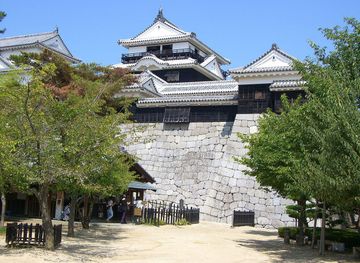
Explore more of Iyo
Explore Iyo, Japan’s hidden gem in Ehime Prefecture, offering serene landscapes, historic sites, traditional crafts, and delectable local cuisine.
Explore Iyo
Explore more of Japan
Discover the harmony of tradition and modernity in Japan, where ancient temples and cutting-edge technology coexist in perfect balance.
Explore Japan
