

Free Iyo Travel Guide & Mobile App
Explore Iyo with free travel guides. Discover regional history, expert tips, proposed trips, and audio guides on web or mobile app.


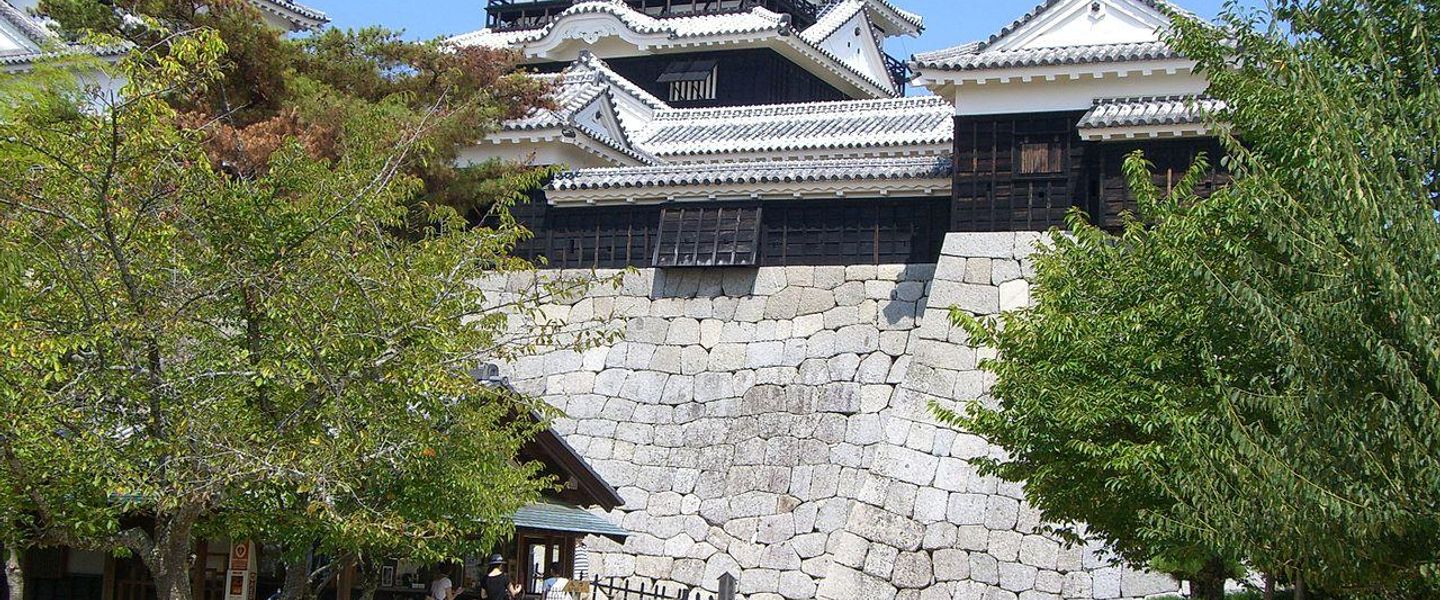


Explore Iyo, Japan’s hidden gem in Ehime Prefecture, offering serene landscapes, historic sites, traditional crafts, and delectable local cuisine.
Read more about Iyo
When is the best time to visit Iyo?
Best: April–May, October · 21–25°C| Month | High (°C) | Rainfall (mm) |
|---|---|---|
| January | 11 | 50 |
| February | 12 | 60 |
| March | 16 | 80 |
| April (best) | 21 | 100 |
| May (best) | 25 | 120 |
| June | 28 | 150 |
| July | 32 | 170 |
| August | 32 | 160 |
| September | 29 | 140 |
| October (best) | 24 | 120 |
| November | 17 | 90 |
| December | 12 | 70 |
Getting to and around Iyo
How to get there
Transportation
Best attractions in Iyo
Nestled in the picturesque Ehime Prefecture, Iyo offers a mesmerizing blend of natural beauty and historical depth that captivates every visitor. Discover the serene charm of the Seto Inland Sea from the scenic Shimonada Station, famed for its breathtaking sunsets. History buffs will revel in the ancient allure of Iyo's many temples and shrines, including the revered Yasaka-ji, a pivotal stop on the Shikoku Pilgrimage. The town's rich cultural tapestry is further highlighted by vibrant festivals such as the Iyo Taiko Festival, where you can witness traditional Japanese drumming. For a taste of local life, explore the bustling Iyo Farmers' Market, where fresh produce and artisanal crafts abound. Adventurers can trek through the verdant hills of the Ishizuchi Mountain Range, offering panoramic views and invigorating hikes. With its harmonious blend of the old and the new, Iyo promises an unforgettable journey through Japan's storied past and scenic splendor.
-
Tourist attraction
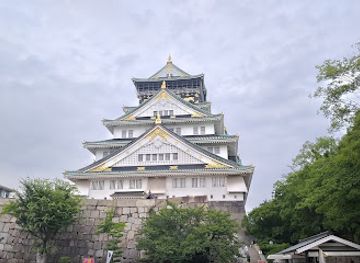
Osaka Castle
Discover the historical grandeur of Osaka Castle, a majestic fortress nestled in lush gardens, offering breathtaking views and rich cultural insights.
-
Castle
Matsuyama Castle
Experience the rich history and breathtaking views at Matsuyama Castle, a stunning landmark in Ehime, Japan.
-
National reserve
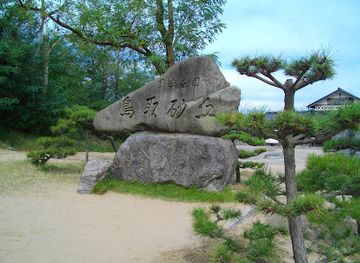
Tottori Sand Dunes
Discover Tottori Sand Dunes, a stunning national reserve in Japan, where adventure meets breathtaking natural beauty in a unique desert landscape.
-
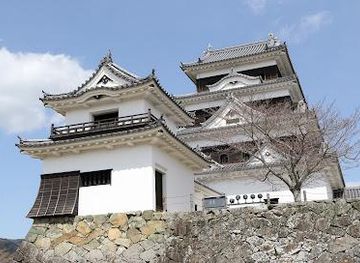
Castle
Ozu Castle
Discover the allure of Ozu Castle, a historic gem in Ehime, Japan, offering breathtaking views and a deep dive into Japan's rich heritage.
Best landmarks in Iyo
Nestled in the heart of Shikoku, Iyo offers a mesmerizing blend of historical and natural wonders that captivate every traveler. Begin your journey at the grand Matsuyama Castle, perched atop Mount Katsuyama, offering panoramic views of the city and a glimpse into Japan's feudal past. Stroll through the serene Dogo Onsen, one of Japan's oldest and most renowned hot springs, believed to have healing properties. The Ishite-ji Temple, a key stop on the Shikoku Pilgrimage, enchants with its ancient architecture and spiritual significance. Explore the picturesque Garyu Sanso, a traditional villa surrounded by lush gardens and serene water features, reflecting the exquisite aesthetics of Japanese design. For those seeking nature's tranquility, the Shimonada Station, known as one of the most scenic train stations, offers breathtaking views of the Seto Inland Sea, especially during sunset. The Iyo area is a treasure trove of cultural and natural heritage, waiting to be discovered.
-
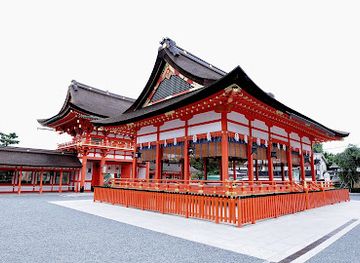
Shinto shrine
Fushimi Inari Taisha
Discover the spiritual heart of Kyoto at Fushimi Inari Taisha, a stunning Shinto shrine adorned with thousands of iconic vermilion torii gates.
-
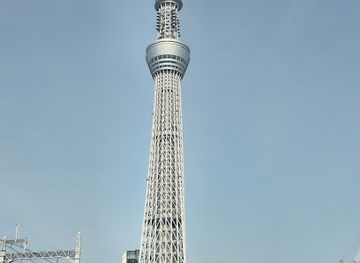
Observation deck
Tokyo Skytree
Experience breathtaking panoramic views of Tokyo from Japan's tallest structure, a modern marvel blending innovation and tradition.
-
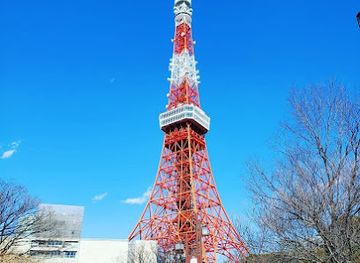
Observation deck
Tokyo Tower
Iconic symbol of Tokyo offering panoramic city views, historical significance, and a vibrant entertainment hub at its base.
-
 Buddhist temple
Sensō-ji
Explore Tokyo's oldest temple, Sensō-ji, a vibrant center of Buddhist tradition, iconic gates, and bustling Nakamise shopping in Asakusa.
Explore Iyo on the map
Plan your trip on one map. See where the top cities, national parks and sights are, and book hotels and experiences in a few clicks.
Best hotels in Iyo
Best restaurants in Iyo
In the heart of Iyo, Japan, culinary enthusiasts will find a dining scene that is a true feast for the senses, blending centuries-old traditions with modern creativity. Visitors can indulge in the freshest seafood, caught daily from the Seto Inland Sea, and savor the region’s renowned Uwajima-style tai-meshi, a delectable rice dish topped with sea bream sashimi. Street vendors and cozy izakayas offer an array of local delights, from succulent yakitori skewers to the comforting bowl of Iyo’s famous imotaki, a hearty taro and chicken stew. The area’s vibrant markets and quaint tea houses provide an immersive experience where one can taste the subtleties of locally grown produce and traditional sweets, while high-end restaurants elevate these local ingredients into exquisite, artful presentations. Whether dining riverside with a view of the picturesque Iyo-Ozu Castle or nestled in a rustic mountain eatery, the culinary landscape of Iyo promises an unforgettable journey through flavors both familiar and exotic.
-
Restaurant
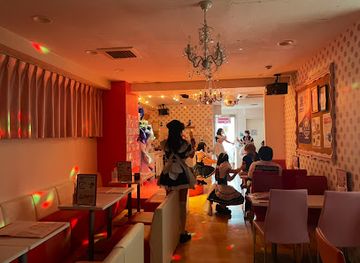
Maidcafe Maidreamin Akihabara idol-dori Store
Discover the whimsical world of Maidcafe Maidreamin Akihabara—where every meal comes with charm and delightful entertainment.
-
Restaurant
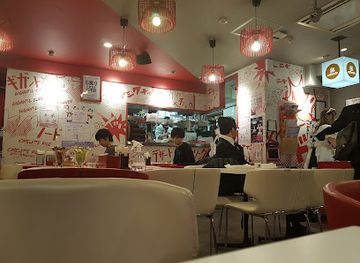
Maidreamin Akihabara Sotokanda 1-Chome Store
Discover Maidreamin Akihabara: A whimsical cosplay café and izakaya where dining meets Japan's vibrant pop culture.
-
Sushi
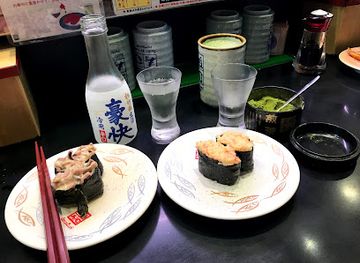
UobeiGoulabe
Discover Uobei Goulabe in Shibuya: where conveyor belt sushi meets modern dining innovation at affordable prices.
-
Japanese
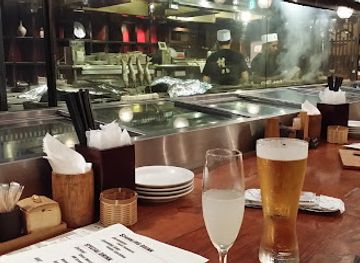
Gonpachi Nishi-Azabu
Experience authentic Japanese cuisine at Gonpachi Nishi-Azabu in Tokyo—where tradition meets modernity in every delicious bite.
Best bars in Iyo
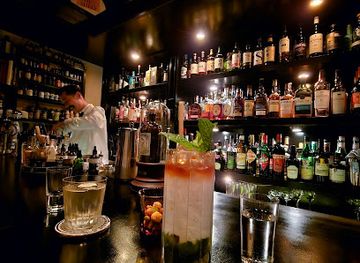
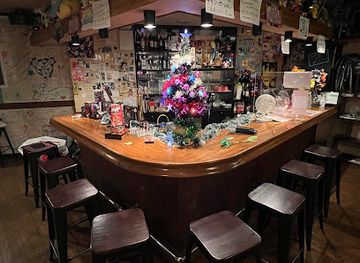
Iyo's nightlife is a hidden gem that seamlessly blends the traditional with the modern, offering an eclectic mix of experiences for visitors. As the sun sets, the city comes alive with charming izakayas where you can savor local sake and freshly prepared yakitori, all while enjoying the warm hospitality of the locals. Trendy bars and lounges dot the area, each providing a unique ambiance—from chic, modern interiors with craft cocktails to rustic, wooden settings that whisk you back in time. For those seeking a more vibrant scene, lively nightclubs with pulsating music and energetic dance floors await, ensuring an unforgettable night. Whether you're looking to unwind with a quiet drink or dance the night away, Iyo's nightlife has something for every traveler.
-
Bar
BAR LIVET
Discover the rich flavors of whiskey in the heart of Shinjuku at BAR LIVET, a modern bar with a captivating atmosphere.
-
Cocktail bar
Bar TRENCH
Discover the exquisite cocktail creations at Bar TRENCH, a premier cocktail bar in Shibuya, Tokyo, known for its unique atmosphere and inventive drinks.
-
Bar
Deathmatch in Hell
Discover the vibrant nightlife at Deathmatch in Hell, a unique bar in Tokyo's Golden Gai, where eclectic decor meets lively atmosphere.
-
Bar
Bonjour Tokyo Bar
Experience the vibrant nightlife at Bonjour Tokyo Bar, where craft cocktails and a welcoming atmosphere create unforgettable memories in Toshima City.


Best nightclubs in Iyo
Iyo's nightlife is a hidden gem that seamlessly blends the traditional with the modern, offering an eclectic mix of experiences for visitors. As the sun sets, the city comes alive with charming izakayas where you can savor local sake and freshly prepared yakitori, all while enjoying the warm hospitality of the locals. Trendy bars and lounges dot the area, each providing a unique ambiance—from chic, modern interiors with craft cocktails to rustic, wooden settings that whisk you back in time. For those seeking a more vibrant scene, lively nightclubs with pulsating music and energetic dance floors await, ensuring an unforgettable night. Whether you're looking to unwind with a quiet drink or dance the night away, Iyo's nightlife has something for every traveler.
-
Night club
TK
Discover the vibrant nightlife at TK Nightclub in Shibuya, Tokyo, where music, dance, and unforgettable moments await every night.
-
Night club
V2 TOKYO
Experience the pulse of Tokyo nightlife at V2 Tokyo, a stylish night club in Roppongi known for its vibrant atmosphere and electrifying music.
-
Night club
WOMB
Experience the electrifying atmosphere of WOMB, Tokyo's premier nightclub, known for top DJs, live music, and unforgettable nights in Shibuya.
-
Night club
CLUB VIZEL
Immerse yourself in the electrifying atmosphere of CLUB VIZEL, Tokyo's premier night club for rock music lovers in Shibuya.




Best shops in Iyo
Iyo's shopping scene is a delightful fusion of tradition and modernity, offering visitors a unique experience that is both culturally rich and vibrantly contemporary. Wander through the bustling markets and quaint alleyways of Uchiko, where traditional craft shops sell exquisite handmade paper and locally produced soy sauce, or explore the sleek, modern boutiques in central Iyo for the latest in Japanese fashion and innovative design. Don’t miss the opportunity to visit the local pottery studios to find beautifully crafted Tobe ware, a regional specialty. With a variety of shops from charming local stores to contemporary malls, Iyo promises an unforgettable shopping adventure that caters to a wide array of tastes and interests.
-
Shopping mall
Tokyo Character Street
Explore Tokyo Character Street, a vibrant hub of anime and pop culture shopping beneath Tokyo Station, featuring exclusive character merchandise and collectibles.
-
Souvenir store
Oriental Bazaar
Explore Oriental Bazaar in Shibuya, a premier souvenir store offering authentic Japanese antiques, pottery, and unique used clothing.
-
Gift shop
THE SKYTREE SHOP
Discover unique souvenirs and gifts at The Skytree Shop, located at the iconic Tokyo Skytree, perfect for capturing the essence of Japan.
-
Antique store
Maiko Antiques Kyoto
Explore a treasure trove of Japanese history at Maiko Antiques Kyoto, where every piece tells a story.



Get your free copy of our complete guide to Iyo, delivered straight to you.
Everything on this page, from attractions and restaurants to essentials and local phrases, in one PDF you can read offline, print or share.
Already have an account? Sign in
Your Iyo guide is ready.
We'll send it to · Not you? Sign out

Getting your guide ready…
We are putting together a fresh copy of the Iyo guide. This can take up to a minute.
This can take a few moments. If your browser asks, choose Allow so the download can start. You'll find the guide in your Downloads folder.
Nothing happened? Download it again
Sorry, the guide is taking longer than usual. Please try again in a minute, or get it by email instead.
Iyo essentials
Currency and Payment
Safety
Emergency Situations
Do's and Don'ts
Local Tips
From Eve
Local phrases worth knowing
You don't need to get them perfect. A few words go a long way, and locals appreciate the effort.
Basics
| English | Local | Say it |
|---|---|---|
| Hello | こんにちは | [Konnichiwa] |
| Goodbye | さようなら | [Sayōnara] |
| Yes | はい | [Hai] |
| No | いいえ | [Iie] |
| Please/You're welcome | どうぞ | [Dōzo] |
| Thank you | ありがとう | [Arigatou] |
| Excuse me/Sorry | すみません | [Sumimasen] |
| How are you? | お元気ですか? | [Ogenki desu ka?] |
| Fine. And you? | 元気です。あなたは? | [Genki desu. Anata wa?] |
| Do you speak English? | 英語を話せますか? | [Eigo o hanasemasu ka?] |
| I don't understand | わかりません | [Wakarimasen] |
Eating & Drinking
| English | Local | Say it |
|---|---|---|
| I'd like to see the menu, please | メニューを見せてください | [Menyū o misete kudasai] |
| I don't eat meat | 肉は食べません | [Niku wa tabemasen] |
| Cheers! | 乾杯! | [Kanpai!] |
| I would like to pay, please | お会計をお願いします | [Okaikei o onegaishimasu] |
Emergencies
| English | Local | Say it |
|---|---|---|
| Help! | 助けて! | [Tasukete!] |
| Go away! | どいて! | [Doite!] |
| Call the Police! | 警察を呼んで! | [Keisatsu o yonde!] |
| Call a doctor! | 医者を呼んで! | [Isha o yonde!] |
| I'm lost | 迷いました | [Mayoimashita] |
| I'm ill | 具合が悪いです | [Guai ga warui desu] |
Shopping
| English | Local | Say it |
|---|---|---|
| I'd like to buy... | ...を買いたいのですが | [... o kaitai no desu ga] |
| I'm just looking | 見ているだけです | [Mite iru dake desu] |
| How much is it? | いくらですか? | [Ikura desu ka?] |
| That's too expensive | それは高すぎます | [Sore wa takasugimasu] |
| Can you lower the price? | 値段を下げてもらえますか? | [Nedan o sagete moraemasu ka?] |
Time & Numbers
| English | Local | Say it |
|---|---|---|
| What time is it? | 今、何時ですか? | [Ima, nanji desu ka?] |
| It's one o'clock | 1時です | [Ichi-ji desu] |
| Half past (10) | 10時半です | [Jū-ji han desu] |
| Morning | 朝 | [Asa] |
| Afternoon | 午後 | [Gogo] |
| Evening | 夕方 | [Yūgata] |
| Yesterday | 昨日 | [Kinō] |
| Today | 今日 | [Kyō] |
| Tomorrow | 明日 | [Ashita] |
| 1 | 1 | [Ichi] |
| 2 | 2 | [Ni] |
| 3 | 3 | [San] |
| 4 | 4 | [Shi] |
| 5 | 5 | [Go] |
| 6 | 6 | [Roku] |
| 7 | 7 | [Shichi] |
| 8 | 8 | [Hachi] |
| 9 | 9 | [Kyū] |
| 10 | 10 | [Jū] |
Transport & Directions
| English | Local | Say it |
|---|---|---|
| Where's a/the...? | どこに...がありますか? | [Doko ni ... ga arimasu ka?] |
| What's the address? | 住所は何ですか? | [Jūsho wa nan desu ka?] |
| Can you show me (on the map)? | 地図で見せてもらえますか? | [Chizu de misete moraemasu ka?] |
| When's the next (bus)? | 次の(バス)はいつですか? | [Tsugi no (basu) wa itsu desu ka?] |
| A ticket (to ....) | (...)への切符 | [(...) e no kippu] |
History of Iyo
Ancient Beginnings: The Formation of Iyo Province
The history of Iyo, now part of Ehime Prefecture on Shikoku Island, can be traced back to the Nara period (710-794 AD). Originally one of the provinces of Japan, Iyo played a crucial role in the early administrative divisions of the country. The region's rich natural resources, including its fertile land and proximity to the Seto Inland Sea, made it an important area for agriculture and trade.
The Heian Period: Iyo's Cultural Flourish
During the Heian period (794-1185 AD), Iyo saw significant cultural development. The influence of the Kyoto court spread, and the region embraced the flourishing arts and literature of the time. Local shrines and temples, such as Ishite-ji, a Shingon Buddhist temple in Matsuyama, were established, becoming centers for religious and cultural activities.
The Kamakura and Muromachi Periods: Feudal Struggles
From the Kamakura period (1185-1333 AD) through the Muromachi period (1336-1573 AD), Iyo was often embroiled in the feudal conflicts that characterized much of Japan's history. The region was controlled by various samurai clans, including the powerful Kōno clan, who built several castles and fortifications to defend their territories. The impact of these periods is still visible in the form of castle ruins and historical sites scattered across the region.
The Sengoku Period: Iyo in Turmoil
The Sengoku period (1467-1603 AD) was a time of intense conflict and political instability throughout Japan, and Iyo was no exception. The province was a battleground for numerous warring factions. Prominent figures, such as the daimyo Chōsokabe Motochika, sought to control Iyo as part of their ambitions to dominate Shikoku. Castles like Yuzuki Castle in Matsuyama played pivotal roles during these tumultuous times.
The Edo Period: Matsuyama Castle and Peaceful Prosperity
The Edo period (1603-1868 AD) brought relative peace and stability to Iyo under the Tokugawa shogunate. During this time, Matsuyama Castle was constructed by Katō Yoshiakira, becoming a symbol of the region's prosperity and strategic importance. The castle town of Matsuyama flourished, with the development of hot springs like Dōgo Onsen, which attracted visitors from all over Japan. The period also saw the growth of local industries, including the production of mikan (Japanese mandarins).
Meiji and Taishō Periods: Modernization and Industrialization
With the Meiji Restoration in 1868, Iyo, now part of Ehime Prefecture, underwent significant modernization and industrialization. The construction of railways and the establishment of modern educational institutions, such as Ehime University, marked a new era of progress. The region's traditional industries adapted to new technologies, and the port of Matsuyama became an important hub for trade and transportation.
World War II and Post-War Recovery
During World War II, Iyo, like many parts of Japan, experienced hardship and destruction. Matsuyama was targeted by Allied bombing raids, which caused significant damage to the city. However, the post-war period saw a remarkable recovery, with efforts to rebuild and modernize infrastructure. The preservation of historical sites and the development of new cultural institutions contributed to the revival of Iyo's rich heritage.
Contemporary Iyo: A Blend of Tradition and Innovation
Today, Iyo, as part of modern-day Ehime Prefecture, is a vibrant region that blends its deep historical roots with contemporary advancements. Matsuyama Castle stands as a testament to the area's storied past, while Dōgo Onsen continues to be a popular destination for both locals and tourists. The region's commitment to preserving its cultural heritage, alongside its embrace of innovation and technology, makes Iyo a unique and captivating destination for travelers.
Iyo in Photos
Browse through our photo collection highlighting the charm and character of the destination.
Neighbouring regions of Iyo
The closest regions to Iyo, if you have time for more than one.
-

-

-

-

-


Swipe for more regions
Explore more

Explore more of Japan
Discover the harmony of tradition and modernity in Japan, where ancient temples and cutting-edge technology coexist in perfect balance.
Explore Japan