

Daitoku-ji Temple Travel Guide
Free Guide: Explore Kyoto's Daitoku-ji Temple: A Zen Buddhist complex with stunning gardens, teahouses, and a rich cultural heritage.


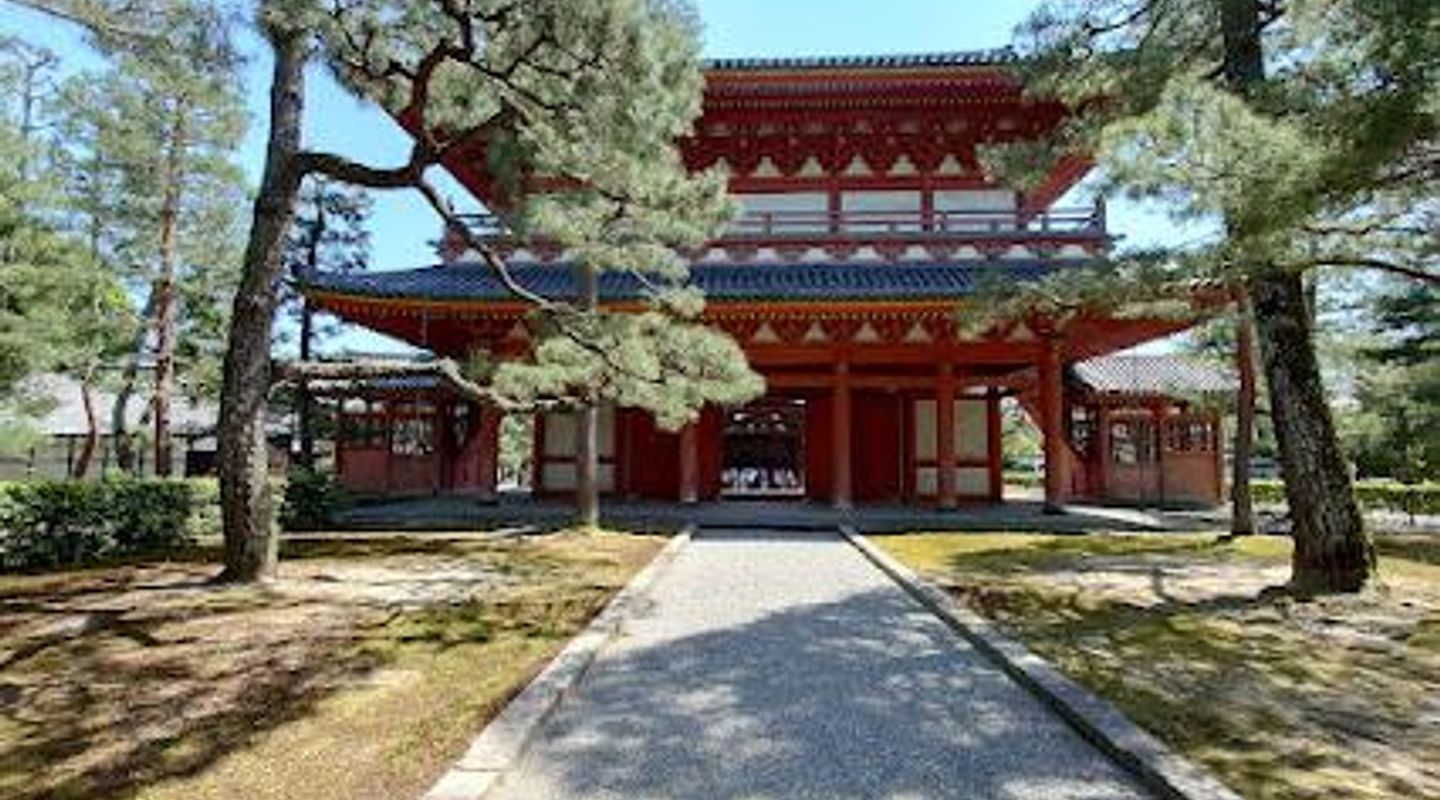
A brief summary of Daitoku-ji Temple
Explore Kyoto's Daitoku-ji Temple: A Zen Buddhist complex with stunning gardens, teahouses, and a rich cultural heritage.
Daitoku-ji Temple is a sprawling Zen Buddhist complex in northern Kyoto, known for its numerous sub-temples, exquisite gardens, and deep connection to Japanese tea ceremony. Founded in 1315, it offers a serene escape and a glimpse into Zen culture and architecture.
Opening hours
- Every day10 am–4:30 pm
Opening hours as listed on the venue’s Google Business Profile. Hours can change for services and special events, so check with the venue before you go.
- Address
- 53 Murasakino Daitokujicho, Kita Ward, Kyoto, 603-8231
- Phone
- Website
Getting there
Public Transport
Walking
Taxi
Discover more about Daitoku-ji Temple
Overview
Daitoku-ji, the 'Temple of Great Virtue,' is a sprawling walled temple complex in northern Kyoto, serving as the head temple of the Rinzai sect's Daitokuji school of Zen Buddhism. Founded in 1315, it houses nearly two dozen sub-temples, each with its own unique character and history. Daitoku-ji is renowned as one of the best places in Japan to experience Zen gardens and architecture.Originally a small Zen temple, Daitoku-ji was destroyed by fire during the Onin War (1467-1477) before being rebuilt by the Zen master Ikkyu Sojun in the late 15th century. The temple's significance grew when Toyotomi Hideyoshi held a funeral ceremony here for Oda Nobunaga in 1582. Daitoku-ji fostered a close relationship with tea master Sen no Rikyu, further solidifying its place in Japanese culture.While the main temple buildings are not typically open to the public, visitors can explore several sub-temples, each requiring a separate admission fee. These sub-temples boast stunning Zen gardens, teahouses, and cultural treasures. Regularly open sub-temples include Daisen-in, Ryogen-in, Zuiho-in, and Koto-in (though Koto-in is currently closed indefinitely). Each sub-temple offers a unique perspective on Zen Buddhism and Japanese aesthetics.A visit to Daitoku-ji offers a tranquil escape from the bustling city and a chance to immerse oneself in the beauty and serenity of Zen culture. The temple is particularly beautiful in autumn when the maple trees blaze with color. Daitoku-ji is not only a historical landmark but also a living center for the transmission and practice of Zen Buddhism.
Evendo Review Centre
 Google
Guest reviews
Explore Daitoku-ji Temple on the map
A handpicked selection of must-see spots near Daitoku-ji Temple, mapped for you.
Get your free copy of our complete guide to Daitoku-ji Temple, delivered straight to you.
Everything on this page, from opening hours and how to get there to Eve’s tips and the best time to go, in one PDF you can read offline, print or share.
Already have an account? Sign in
Your Daitoku-ji Temple guide is ready.
We'll send it to · Not you? Sign out

Getting your guide ready…
We are putting together a fresh copy of the Daitoku-ji Temple guide. This can take up to a minute.
This can take a few moments. If your browser asks, choose Allow so the download can start. You'll find the guide in your Downloads folder.
Nothing happened? Download it again
Sorry, the guide is taking longer than usual. Please try again in a minute, or get it by email instead.
Unlock the best of Daitoku-ji Temple
Skip-the-line tickets, guided tours with entry, and walking tours of the area, booked in a few clicks.


Other nearby places you may find interesting
The closest places of the same kind, if this one is not quite what you had in mind.
-
-
-
-
-


Swipe for more places
More to explore near Daitoku-ji Temple

 Best experiences near Daitoku-ji Temple
 Best hotels near Daitoku-ji Temple
 Best landmarks near Daitoku-ji Temple
 Best attractions near Daitoku-ji Temple
 Best shops near Daitoku-ji Temple
 Best restaurants near Daitoku-ji Temple
 Best bars near Daitoku-ji Temple
Do you manage this location?
Take control to get all the benefits, like improved information, better appearance, and stronger visibility across AI-powered discovery.
Explore more
Explore more of Kinki (Kansai)
Discover Kinki (Kansai), Japan's cultural heartland, where ancient traditions meet modern vibrancy in iconic cities like Kyoto, Osaka, and Nara.
Explore Kinki (Kansai)
Explore more of Japan
Discover the harmony of tradition and modernity in Japan, where ancient temples and cutting-edge technology coexist in perfect balance.
Explore Japan
