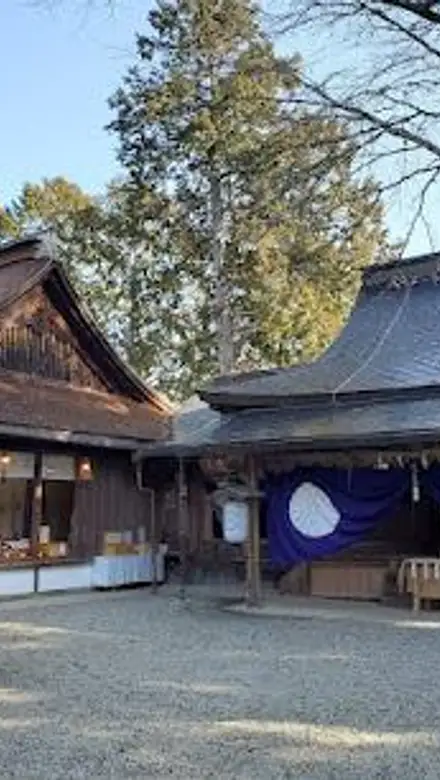
Yoshimizu Shrine Travel Guide
Free Guide: Discover Yoshimizu Shrine: A historic mountain sanctuary with stunning views, cultural treasures, and a rich connection to Japan's past.


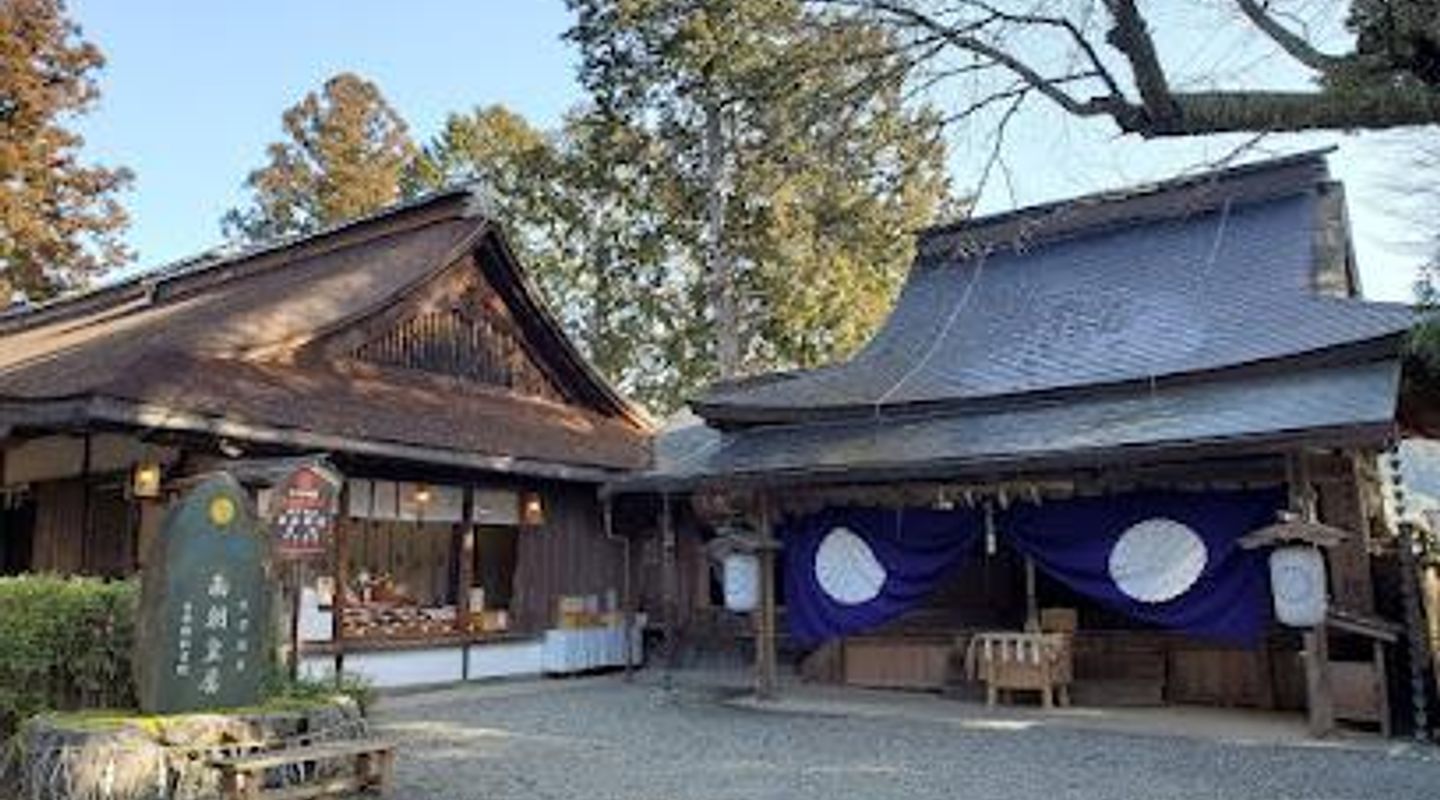
A brief summary of Yoshimizu Shrine
Discover Yoshimizu Shrine: A historic mountain sanctuary with stunning views, cultural treasures, and a rich connection to Japan's past.
Yoshimizu Shrine, originally an 8th-century temple, offers a rich tapestry of Japanese history. It served as a refuge for historical figures like Minamoto Yoshitsune and Emperor Go-Daigo. Today, it's known for its stunning views, especially during cherry blossom season, and its historical artifacts.
Opening hours
- Every day9 am–4:30 pm
Opening hours as listed on the venue’s Google Business Profile. Hours can change for services and special events, so check with the venue before you go.
- Address
- 579 Yoshinoyama, Yoshino, Yoshino District, Nara 639-3115
- Phone
- Website
Getting there
Walking
Public Transport
Driving
Discover more about Yoshimizu Shrine
Overview
Yoshimizu Shrine, nestled in the Naka Senbon area of Mount Yoshino, boasts a history stretching back to the 8th century. Initially founded as a temple, it provided living quarters for practitioners of Shugendo mountain worship. Over the centuries, it became a sanctuary for prominent historical figures. In the 12th century, Minamoto Yoshitsune sought refuge here, fleeing from his brother Yoritomo. Later, in the 14th century, Emperor Go-Daigo established a temporary imperial court at the shrine, effectively making it an Imperial Palace.During the Meiji period, the temple transitioned into a shrine, showcasing historical documents, arms, paintings, and art objects. The shrine provides unobstructed views of Yoshino's cherry tree-covered mountain slopes and remains a popular destination for cherry blossom viewing. The Yoshimizu Shrine also houses Japan's oldest shoin-zukuri architecture. The Yoshimizu Shrine garden, designed by Toyotomi Hideyoshi, symbolizes immortality and eternal youth through its traditional design.Visitors can explore exhibits featuring artifacts linked to historical figures, including armor worn by Yoshitsune and a folding screen used by Toyotomi Hideyoshi. The shrine also offers special blessings for dogs, a tradition linked to Emperor Go-Daigo's affinity for dogs during his exile.
Evendo Review Centre
 Google
Guest reviews
Explore Yoshimizu Shrine on the map
A handpicked selection of must-see spots near Yoshimizu Shrine, mapped for you.
Get your free copy of our complete guide to Yoshimizu Shrine, delivered straight to you.
Everything on this page, from opening hours and how to get there to Eve’s tips and the best time to go, in one PDF you can read offline, print or share.
Already have an account? Sign in
Your Yoshimizu Shrine guide is ready.
We'll send it to · Not you? Sign out

Getting your guide ready…
We are putting together a fresh copy of the Yoshimizu Shrine guide. This can take up to a minute.
This can take a few moments. If your browser asks, choose Allow so the download can start. You'll find the guide in your Downloads folder.
Nothing happened? Download it again
Sorry, the guide is taking longer than usual. Please try again in a minute, or get it by email instead.
Unlock the best of Yoshimizu Shrine
Skip-the-line tickets, guided tours with entry, and walking tours of the area, booked in a few clicks.
 Tour with entry
Explore the Sacred Past of Mount Yoshino from Osaka
from $147.32 Tour with entry
Sacred Mount Yoshino Guided Tour – UNESCO Kii Mountain Range
from $198.43 Tour with entry
Mount Yoshino Spring Blossom Private Tour from Osaka and Kyoto
from $463.00 Tour with entry
Yoshinoyama : the Roots of Shugendo Spirituality
from $595.28

Other nearby places you may find interesting
The closest places of the same kind, if this one is not quite what you had in mind.
-
-
-
-
-


Swipe for more places
More to explore near Yoshimizu Shrine

 Best experiences near Yoshimizu Shrine
 Best hotels near Yoshimizu Shrine
 Best landmarks near Yoshimizu Shrine
 Best attractions near Yoshimizu Shrine
 Best shops near Yoshimizu Shrine
 Best restaurants near Yoshimizu Shrine
 Best bars near Yoshimizu Shrine
Do you manage this location?
Take control to get all the benefits, like improved information, better appearance, and stronger visibility across AI-powered discovery.
Explore more
Explore more of Kinki (Kansai)
Discover Kinki (Kansai), Japan's cultural heartland, where ancient traditions meet modern vibrancy in iconic cities like Kyoto, Osaka, and Nara.
Explore Kinki (Kansai)
Explore more of Japan
Discover the harmony of tradition and modernity in Japan, where ancient temples and cutting-edge technology coexist in perfect balance.
Explore Japan