

Tsumago-juku Travel Guide
Free Guide: Experience the tranquility of Edo-era Japan in Tsumago-juku, a beautifully preserved post town on the historic Nakasendo Trail in Nagano Prefecture.


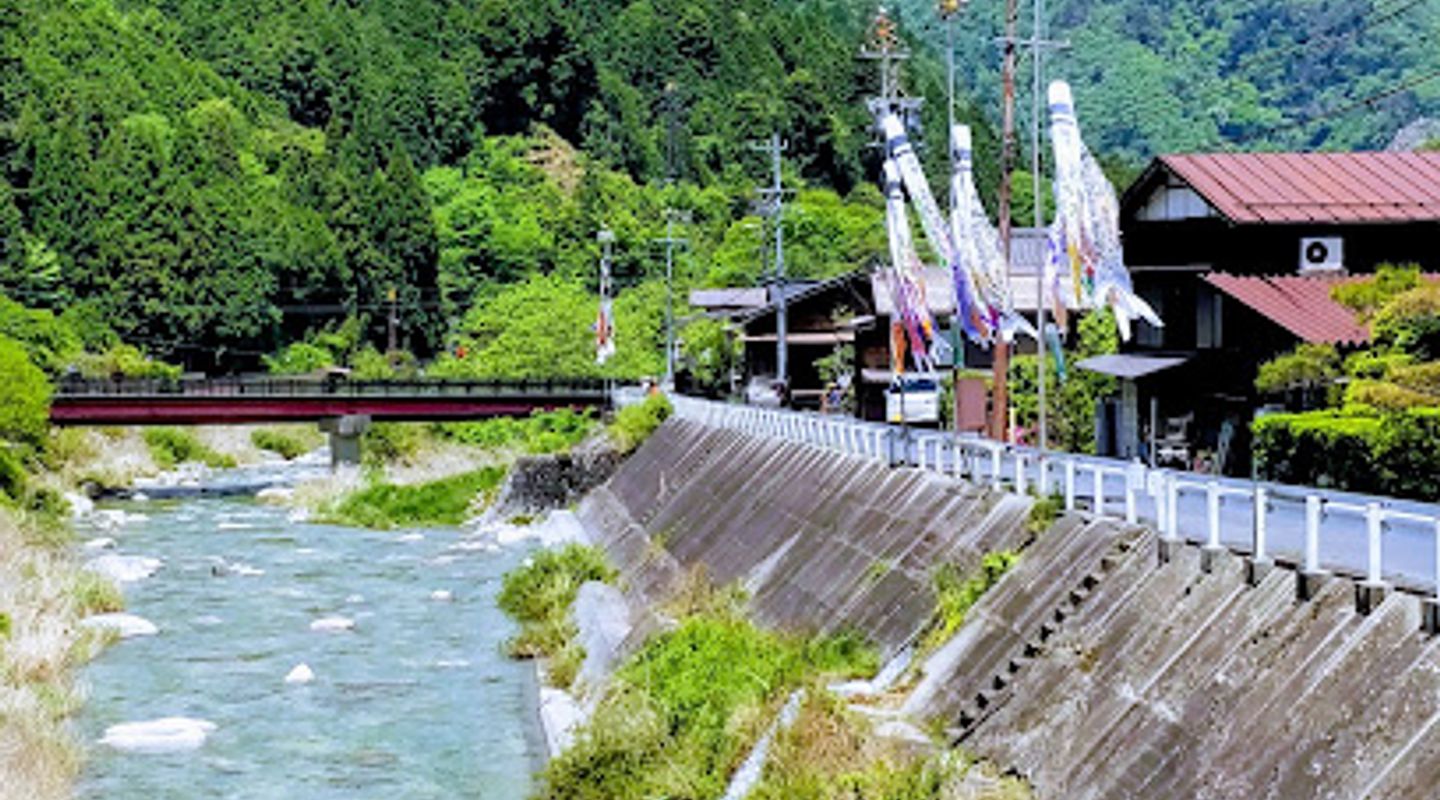
A brief summary of Tsumago-juku
Experience the tranquility of Edo-era Japan in Tsumago-juku, a beautifully preserved post town on the historic Nakasendo Trail in Nagano Prefecture.
Tsumago-juku is a beautifully preserved post town in Nagano Prefecture, Japan, that offers visitors a unique glimpse into the Edo period. As the 42nd of the 69 post towns along the Nakasendo Trail, it served as a vital rest stop for travelers between Tokyo (Edo) and Kyoto. Today, it stands as a living museum, showcasing traditional architecture and a tranquil atmosphere.
Opening hours
- Every day8:30 am–5 pm
Opening hours as listed on the venue’s Google Business Profile. Hours can change for services and special events, so check with the venue before you go.
- Address
- Azuma, Nagiso, Kiso District, Nagano 399-5302
- Phone
- Website
Getting there
Public Transport
Walking
Taxi
Driving
Discover more about Tsumago-juku
Overview
Step back in time at Tsumago-juku, a meticulously restored Edo-era post town nestled in the Kiso Valley of Nagano Prefecture. This charming village, once a crucial stop on the Nakasendo Trail, offers an immersive experience of feudal Japan. Unlike many historical sites, Tsumago-juku is not just a museum; it's a living, breathing community where residents have worked tirelessly to preserve their heritage.As you wander through the town, you'll be captivated by the traditional wooden buildings, cobblestone streets, and absence of modern distractions like power lines. The atmosphere is serene, with the gentle sounds of waterwheels and the creaking of wooden floors adding to the nostalgic ambiance. Many shops and inns line the street, offering local crafts, souvenirs, and a taste of traditional Japanese cuisine.Tsumago-juku's commitment to preservation began in the 1960s when residents established a charter to protect their homes and lands from modernization. This dedication has earned Tsumago-juku recognition as one of Japan's best-preserved post towns and a Nationally Designated Architectural Preservation Site.While exploring Tsumago-juku, be sure to visit the Wakihonjin Okuya, a National Important Cultural Property, and the Nagiso Museum of History, which provides insights into the town's past and the Nakasendo Trail. For those seeking outdoor adventures, a popular hiking trail connects Tsumago-juku with the neighboring post town of Magome, offering stunning views of the Kiso Valley.
Evendo Review Centre
 Google
Guest reviews
Explore Tsumago-juku on the map
A handpicked selection of must-see spots near Tsumago-juku, mapped for you.
Get your free copy of our complete guide to Tsumago-juku, delivered straight to you.
Everything on this page, from opening hours and how to get there to Eve’s tips and the best time to go, in one PDF you can read offline, print or share.
Already have an account? Sign in
Your Tsumago-juku guide is ready.
We'll send it to · Not you? Sign out

Getting your guide ready…
We are putting together a fresh copy of the Tsumago-juku guide. This can take up to a minute.
This can take a few moments. If your browser asks, choose Allow so the download can start. You'll find the guide in your Downloads folder.
Nothing happened? Download it again
Sorry, the guide is taking longer than usual. Please try again in a minute, or get it by email instead.
Unlock the best of Tsumago-juku
Skip-the-line tickets, guided tours with entry, and walking tours of the area, booked in a few clicks.
 Tour with entry
Nagoya Tour in Inuyama Castle, Ena George, Magome and Tsumagojuku
from $58.93 Tour with entry
Inuyama Castle, Ena Gorge, Magome-juku & Tsumago-juku From Nagoya
from $71.25 Tour with entry
Eiho-ji, Ena Valley, Magome-juku and Tsumago-juku Day Tour
from $111.91 Tour with entry
Nakasendo Trail Day Trip to Historic Post Town Tsumago and Magome
from $131.68


Other nearby places you may find interesting
The closest places of the same kind, if this one is not quite what you had in mind.
-
-
-
-
-


Swipe for more places
More to explore near Tsumago-juku

 Best experiences near Tsumago-juku
 Best hotels near Tsumago-juku
 Best landmarks near Tsumago-juku
 Best attractions near Tsumago-juku
 Best shops near Tsumago-juku
 Best restaurants near Tsumago-juku
 Best bars near Tsumago-juku
Do you manage this location?
Take control to get all the benefits, like improved information, better appearance, and stronger visibility across AI-powered discovery.
Explore more

Explore more of Koshi
Discover Koshi: A serene blend of natural beauty, rich history, and vibrant culture in the heart of Kumamoto Prefecture, Japan.
Explore Koshi
Explore more of Japan
Discover the harmony of tradition and modernity in Japan, where ancient temples and cutting-edge technology coexist in perfect balance.
Explore Japan
