

Free Koshi Travel Guide & Mobile App
Explore Koshi with free travel guides. Discover regional history, expert tips, proposed trips, and audio guides on web or mobile app.


Explore Kōchi’s Pacific coast, forested mountains, clear rivers, castle heritage, pilgrimage temples and distinctive Tosa food culture in southern Shikoku.
Read more about Koshi
When is the best time to visit Koshi?
Best: April–May, October · 20–25°C| Month | High (°C) | Rainfall (mm) |
|---|---|---|
| January | 12 | 61 |
| February | 13 | 56 |
| March | 16 | 71 |
| April (best) | 20 | 91 |
| May (best) | 25 | 101 |
| June | 29 | 121 |
| July | 33 | 131 |
| August | 34 | 121 |
| September | 29 | 111 |
| October (best) | 24 | 81 |
| November | 18 | 71 |
| December | 13 | 66 |
Getting to and around Koshi
How to get there
Transportation
Top city travel guides in Koshi
The cities of Koshi, and the easiest places to base yourself.
-

-
-


Swipe for more cities
Destinations in Koshi
Resorts, valleys and scenic spots worth a trip of their own.
-

-

-


Swipe for more destinations
Best attractions in Koshi
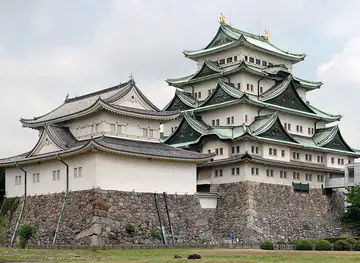
Kōchi’s attractions range from a compact historic city centre to extensive mountain, river and coastal landscapes. Kōchi Castle is the principal heritage site in the capital, while the Sunday Market, Hirome Market and the Tosa history museums reveal the region’s continuing food and cultural life. Mount Godai combines Chikurinji Temple with the Makino Botanical Garden, dedicated to the botanist Tomitarō Makino and set among landscaped paths above the city. Along the coast, Cape Muroto offers geological formations and ocean views, and the Muroto Global Geopark interprets the forces that shaped the headland. In the west, the Shimanto River supports canoeing, cycling, fishing-related experiences and riverside exploration, while the Ashizuri-Uwakai area near Cape Ashizuri provides rugged scenery and marine viewpoints. Inland valleys, forest roads, pilgrimage temples and small museums reward slower travel. Activities are strongly seasonal: river recreation is most comfortable in warmer months, while typhoons and heavy rain can affect coastal and mountain access.
-
Heritage preservation
Shirakawa-go
Explore Shirakawa-go: A UNESCO Heritage Site with captivating gassho-zukuri houses and breathtaking views of the Japanese Alps, perfect for cultural immersion.
-
Natural history museum
Fukui Prefectural Dinosaur Museum
Explore a world of dinosaurs at Japan's largest dinosaur museum in Katsuyama, Fukui – a prehistoric adventure for all ages.
-
Tourist attraction
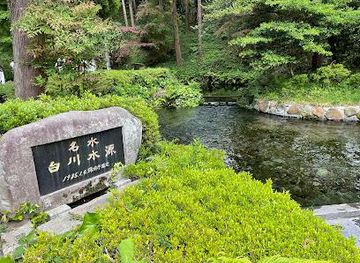
Shirakawa Spring
Experience tranquility at Shirakawa Spring, a stunning natural attraction in Minamiaso, Kumamoto, where clear waters and serene landscapes await.
-
Park
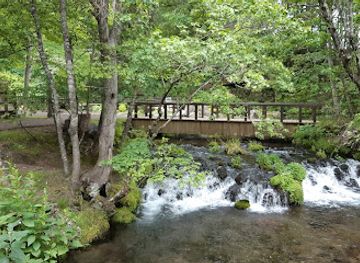
Fukidashi park
Explore the breathtaking beauty of Fukidashi Park in Hokkaido, where nature meets tranquility and stunning landscapes await every visitor.


Best landmarks in Koshi
Kōchi Castle is the prefecture’s defining architectural landmark. Completed in the early Edo period and rebuilt after fire, it retains both its original-style keep and an unusually complete group of associated structures, including palace-related buildings and gates. In Kōchi city, the statue of Sakamoto Ryōma at Katsurahama has become a powerful symbol of the prefecture’s nineteenth-century political heritage, looking across the Pacific from a scenic coastal setting. Chikurinji’s pagoda and temple precinct on Mount Godai mark Kōchi’s place on the Shikoku pilgrimage, while Cape Muroto’s exposed headland and layered coastal formations express the region’s geological history. At the western end of the prefecture, Cape Ashizuri’s lighthouse and cliffs face the Pacific from Shikoku’s southern tip. The low-water bridges, or chinkabashi, along the Shimanto River are more modest landmarks but closely represent the practical architecture of a river valley where structures were designed to withstand flooding rather than resist it.
-
Castle
Himeji Castle
Experience the grandeur of Himeji Castle, a stunning UNESCO World Heritage site, showcasing Japan's rich history and architectural beauty.
-
Shinto shrine
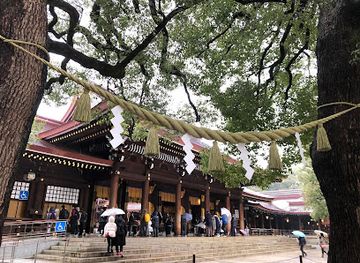
Meiji Jingu
Explore the tranquil beauty of Meiji Jingu, a historic Shinto shrine surrounded by lush forests in the heart of Tokyo, rich in culture and tradition.
-
Buddhist temple
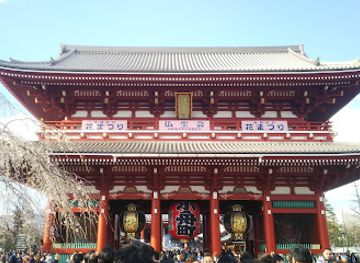
Kaminarimon
Experience the iconic Kaminarimon, a stunning gateway to Senso-ji Temple in Asakusa, Tokyo, rich in history and cultural vibrancy.
-
Shinto shrine
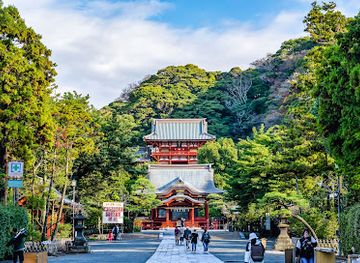
Tsurugaoka Hachimangu
Discover Kamakura's spiritual heart at Tsurugaoka Hachimangu, a historic Shinto shrine dedicated to the samurai spirit and cultural heritage.

Explore Koshi on the map
Plan your trip on one map. See where the top cities, national parks and sights are, and book hotels and experiences in a few clicks.
Best hotels in Koshi
Best restaurants in Koshi
Kōchi’s food culture is anchored by katsuo no tataki, bonito lightly seared over straw and commonly served with salt, garlic, citrus or dipping sauce. The dish appears in market stalls, izakaya and restaurants, with preparation and seasoning varying from place to place. Local yuzu from the mountain districts flavours drinks, dressings, confectionery and preserves, while fresh Pacific seafood, seasonal vegetables, river fish and Tosa akaushi beef broaden the regional table. Kōchi city is the easiest place to sample several specialities in one evening, particularly around Hirome Market and the central shopping streets, where communal seating and informal dining are part of the atmosphere. Outside the capital, look for rural eateries, roadside produce shops and traditional inns using nearby ingredients. Local sake and shōchū are widely available, though non-alcoholic yuzu drinks are equally characteristic. Farmers’ markets and small food producers offer a useful way to explore the prefecture’s citrus, pickles, dried fish and sweets.
-
Sushi
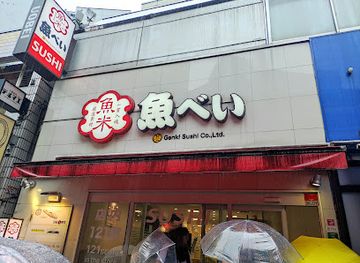
UobeiGoulabe
Discover the innovative world of sushi at Uobei Goulabe in Shibuya—where freshness meets technology in every bite.
-
Mountain cable car
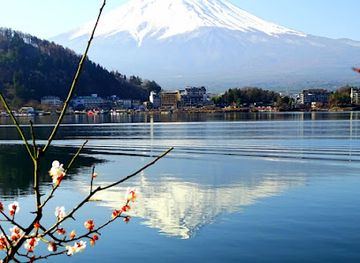
Mt. Fuji Panoramic Ropeway
Discover breathtaking views of Japan's iconic Mt. Fuji aboard the scenic Mt. Fuji Panoramic Ropeway - an unforgettable journey through stunning landscapes.
-
Racecourse
Oi Racecourse
Discover the excitement of horse racing at Oi Racecourse, Tokyo's thrilling destination offering fun for all ages.
-
Park
Fukidashi park
Discover tranquility at Fukidashi Park in Hokkaido - a serene escape surrounded by nature's beauty and breathtaking mountain views.
Best bars in Koshi
Evening life in Kōchi is concentrated in Kōchi city, where izakaya, small bars, sake-focused establishments and late-opening restaurants cluster around the central streets near Obiyamachi and Harimayabashi. Hirome Market is especially sociable in the evening, although it is primarily a food hall rather than a bar district. Local drinking culture often centres on shared dishes, bonito, regional sake and conversation, while younger venues and occasional live-music spaces give the city a modest contemporary scene. In smaller towns and coastal communities, nightlife is more likely to mean a family-run izakaya, a traditional pub or a restaurant attached to accommodation than a nightclub. Rural evenings are quiet, and visitors should not assume that trains or buses will operate late after travelling away from the capital. During the Yosakoi Festival in August, the city’s streets become animated by performances and spectators, but the event is seasonal rather than a permanent nightlife feature.
-
Bar
Kujira Entertainment
Explore the vibrant nightlife of Tokyo at Kujira Entertainment, where cocktails, entertainment, and culinary delights await.
-
Yakiniku
Tenkara, Shirakawa
Discover the exquisite flavors of authentic Yakiniku at Tenkara, Shirakawa, where quality meets tradition in a picturesque setting.
-
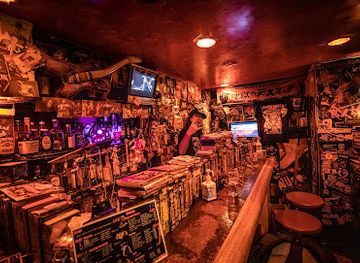
Bar
Deathmatch in Hell
Discover Deathmatch in Hell, a unique bar in Tokyo's Golden Gai offering an unforgettable nightlife experience.
-
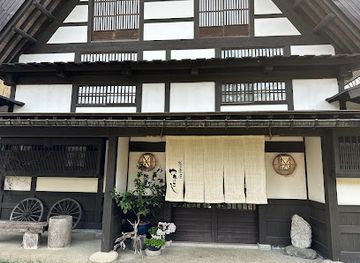
Soba noodle shop
Yamakoshi
Experience the authentic taste of Japan at Yamakoshi, a charming soba noodle shop in Shirakawa, where tradition meets flavor.
Best nightclubs in Koshi
Evening life in Kōchi is concentrated in Kōchi city, where izakaya, small bars, sake-focused establishments and late-opening restaurants cluster around the central streets near Obiyamachi and Harimayabashi. Hirome Market is especially sociable in the evening, although it is primarily a food hall rather than a bar district. Local drinking culture often centres on shared dishes, bonito, regional sake and conversation, while younger venues and occasional live-music spaces give the city a modest contemporary scene. In smaller towns and coastal communities, nightlife is more likely to mean a family-run izakaya, a traditional pub or a restaurant attached to accommodation than a nightclub. Rural evenings are quiet, and visitors should not assume that trains or buses will operate late after travelling away from the capital. During the Yosakoi Festival in August, the city’s streets become animated by performances and spectators, but the event is seasonal rather than a permanent nightlife feature.
-
Night club
KITSUNE KYOTO
Experience the vibrant nightlife of Kyoto at Kitsune, where electrifying music meets exquisite cocktails and a lively atmosphere.
-
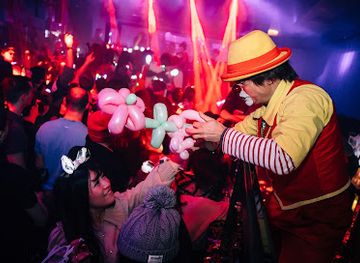
Night club
TK
Dive into the vibrant nightlife of Tokyo at TK Nightclub, where unforgettable parties and eclectic music create the ultimate party experience.
-
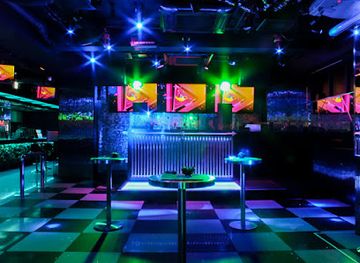
Night club
V2 TOKYO
Experience the electrifying nightlife at V2 TOKYO, where the beats never stop and the memories last a lifetime.
-
Night club
1 OAK TOKYO
Discover Tokyo's elite nightlife at 1 OAK TOKYO, where world-class DJs and an upscale ambiance create an unforgettable experience.


Best shops in Koshi
Kōchi city offers the widest range of shopping, with the covered Obiyamachi arcades, central streets and the Sunday Market combining everyday retail with regional produce and crafts. The market is known for vegetables, pickles, preserved foods, plants, snacks and household goods, while specialist shops sell yuzu products, bonito-related foods, local sake, confectionery and souvenirs connected with Sakamoto Ryōma or the Yosakoi tradition. Outside the capital, roadside markets and farm stands are useful for citrus, seasonal fruit, vegetables, honey and mountain produce, particularly in districts associated with yuzu cultivation. Traditional crafts include Tosa washi paper and Tosa knives, although specialist products may be sold through selected workshops or galleries rather than in large retail districts. Coastal towns tend to focus on seafood products and practical local goods, while pottery, handmade textiles and small art objects appear in independent shops and cultural venues. Check packaging and customs rules before buying fresh or preserved food for international travel.
-
Scenic spot
Takachiho Gorge
Discover the natural beauty and cultural significance of Takachiho Gorge, a stunning destination in Miyazaki, Japan, known for its cliffs and waterfalls.
-
Business park
Kappabashi Kitchen Tools Street
Discover the culinary treasures of Kappabashi Kitchen Tools Street in Tokyo, a vibrant market renowned for kitchenware, food replicas, and culinary creativity.
-
Shopping mall
AEON LakeTown
Explore AEON LakeTown, Japan’s largest shopping mall featuring a diverse range of shops, dining options, and entertainment for the ultimate shopping experience.
-
Shopping mall
FKD Utsunomiya Interpark Mall
Explore FKD Utsunomiya Interpark Mall: A shopping haven in Tochigi with diverse retail, dining, and entertainment options for every traveler.
Get your free copy of our complete guide to Koshi, delivered straight to you.
Everything on this page, from attractions and restaurants to essentials and local phrases, in one PDF you can read offline, print or share.
Already have an account? Sign in
Your Koshi guide is ready.
We'll send it to · Not you? Sign out

Getting your guide ready…
We are putting together a fresh copy of the Koshi guide. This can take up to a minute.
This can take a few moments. If your browser asks, choose Allow so the download can start. You'll find the guide in your Downloads folder.
Nothing happened? Download it again
Sorry, the guide is taking longer than usual. Please try again in a minute, or get it by email instead.
Koshi essentials
Currency and Payment
Safety
Emergency Situations
Do's and Don'ts
Local Tips
From Eve
Local phrases worth knowing
You don't need to get them perfect. A few words go a long way, and locals appreciate the effort.
Basics
| English | Local | Say it |
|---|---|---|
| Hello | こんにちは | [Konnichiwa] |
| Goodbye | さようなら | [Sayōnara] |
| Yes | はい | [Hai] |
| No | いいえ | [Iie] |
| Please/You're welcome | お願いします | [Onegaishimasu] |
| Thank you | ありがとう | [Arigatou] |
| Excuse me/Sorry | すみません | [Sumimasen] |
| How are you? | お元気ですか? | [Ogenki desu ka?] |
| Fine. And you? | 元気です。あなたは? | [Genki desu. Anata wa?] |
| Do you speak English? | 英語を話せますか? | [Eigo o hanasemasu ka?] |
| I don't understand | わかりません | [Wakarimasen] |
Eating & Drinking
| English | Local | Say it |
|---|---|---|
| I'd like to see the menu, please | メニューを見せてください | [Menyū o misete kudasai] |
| I don't eat meat | 肉は食べません | [Niku wa tabemasen] |
| Cheers! | 乾杯! | [Kanpai!] |
| I would like to pay, please | お会計をお願いします | [Okaikei o onegaishimasu] |
Emergencies
| English | Local | Say it |
|---|---|---|
| Help! | 助けて! | [Tasukete!] |
| Go away! | どいて! | [Doite!] |
| Call the Police! | 警察を呼んで! | [Keisatsu o yonde!] |
| Call a doctor! | 医者を呼んで! | [Isha o yonde!] |
| I'm lost | 道に迷いました | [Michi ni mayoimashita] |
| I'm ill | 具合が悪いです | [Guai ga warui desu] |
Shopping
| English | Local | Say it |
|---|---|---|
| I'd like to buy... | …を買いたいです | [… o kaitai desu] |
| I'm just looking | 見ているだけです | [Mite iru dake desu] |
| How much is it? | これはいくらですか? | [Kore wa ikura desu ka?] |
| That's too expensive | それは高すぎます | [Sore wa takasugimasu] |
| Can you lower the price? | 値段を下げてくれますか? | [Nedan o sagete kuremasu ka?] |
Time & Numbers
| English | Local | Say it |
|---|---|---|
| What time is it? | 今、何時ですか? | [Ima, nanji desu ka?] |
| It's one o'clock | 1時です | [Ichi-ji desu] |
| Half past (10) | 10時半です | [Jū-ji han desu] |
| Morning | 朝 | [Asa] |
| Afternoon | 午後 | [Gogo] |
| Evening | 夕方 | [Yūgata] |
| Yesterday | 昨日 | [Kinō] |
| Today | 今日 | [Kyō] |
| Tomorrow | 明日 | [Ashita] |
| 1 | 1 | [Ichi] |
| 2 | 2 | [Ni] |
| 3 | 3 | [San] |
| 4 | 4 | [Shi] |
| 5 | 5 | [Go] |
| 6 | 6 | [Roku] |
| 7 | 7 | [Nana] |
| 8 | 8 | [Hachi] |
| 9 | 9 | [Kyū] |
| 10 | 10 | [Jū] |
Transport & Directions
| English | Local | Say it |
|---|---|---|
| Where's a/the...? | …はどこですか? | [… wa doko desu ka?] |
| What's the address? | 住所は何ですか? | [Jūsho wa nan desu ka?] |
| Can you show me (on the map)? | 地図で見せてくれますか? | [Chizu de misete kuremasu ka?] |
| When's the next (bus)? | 次の(バス)はいつですか? | [Tsugi no (basu) wa itsu desu ka?] |
| A ticket (to ....) | …までの切符 | [… made no kippu] |
History of Koshi
Ancient Tosa and the Formation of the Province
The area now forming Kōchi Prefecture was historically known as Tosa Province. Its mountainous terrain and ocean-facing position gave it a distinct relationship with the wider Japanese state, while coastal settlements connected it to maritime exchange around Shikoku and the Inland Sea. Early shrines, temple foundations and archaeological remains show the gradual incorporation of local communities into Japan’s religious and political systems. The name Tosa remains visible in regional food, cultural references and the names of local products.
Medieval Warrior Rule and Chikurinji
During the medieval period, Tosa was governed by competing warrior families and local powers, with castles and fortified residences controlling agricultural plains and routes through the mountains. Religious institutions also shaped the landscape. Chikurinji, now Temple 31 on the Shikoku Henro pilgrimage, became an important centre of Buddhist devotion on Mount Godai. The pilgrimage tradition developed over centuries and continues to connect Kōchi with the wider religious circuit across Shikoku, even though the region’s modern routes and institutions have changed considerably.
The Tosa Domain in the Edo Period
Under the Tokugawa shogunate, most of present-day Kōchi was administered by the Yamauchi family as the Tosa Domain. Kōchi Castle became the political centre of the domain, and its surviving buildings provide an unusually direct link with this period. Castle-town administration, forestry, agriculture and coastal trade shaped local society, while strict social divisions influenced relations between samurai, farmers, artisans and merchants. The domain’s geographic isolation did not prevent economic activity, particularly in timber, paper, fish and agricultural products.
Sakamoto Ryōma and the End of the Shogunate
Tosa produced several influential figures during the political crisis of the nineteenth century, most famously Sakamoto Ryōma. Born in Kōchi in 1836, he advocated political reform and helped encourage cooperation between rival domains during the movement that led to the fall of the Tokugawa shogunate in 1867. Ryōma was assassinated in Kyoto before he could see the full consequences of the Restoration, but his memory remains strongly associated with Kōchi. Statues, museums and historical sites across the prefecture interpret his political ideas and short life.
Modernisation, Forestry and Regional Industry
Following the Meiji Restoration, Tosa became Kōchi Prefecture and entered Japan’s modern administrative and economic system. Railways, roads and port improvements gradually linked the region more closely to the rest of Shikoku, although the mountains continued to limit large-scale industrial development. Forestry, paper-making, agriculture and fishing remained important, while citrus cultivation and other specialised crops adapted to the prefecture’s varied climate. Urban growth concentrated in Kōchi city, leaving many inland districts relatively rural compared with Japan’s major metropolitan areas.
The Yosakoi Movement and Contemporary Kōchi
The Yosakoi Festival began in Kōchi city in 1954 as an effort to encourage local morale and economic activity after the Second World War. Its dance teams, music, decorated costumes and portable naruko clappers later inspired related events elsewhere in Japan and overseas. Yosakoi has become one of Kōchi’s most recognisable modern cultural expressions, balancing regional identity with creative reinterpretation. Alongside the festival, museums, botanical research, food markets and nature tourism have helped the prefecture develop a visitor economy grounded in both local traditions and contemporary culture.
Koshi in Photos
Browse through our photo collection highlighting the charm and character of the destination.
Neighbouring regions of Koshi
The closest regions to Koshi, if you have time for more than one.
-

-

-

-

-


Swipe for more regions
Explore more

Explore more of Japan
Discover the harmony of tradition and modernity in Japan, where ancient temples and cutting-edge technology coexist in perfect balance.
Explore Japan