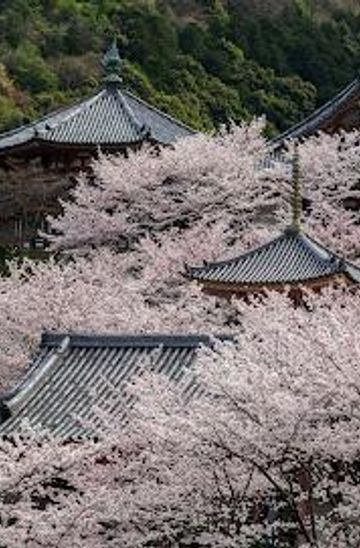
Tsubosakadera Temple: A Blend of Spirituality and Art
Discover Tsubosakadera Temple in Nara: A spiritual haven blending Japanese tradition with Indian art, offering serene views and cultural richness.
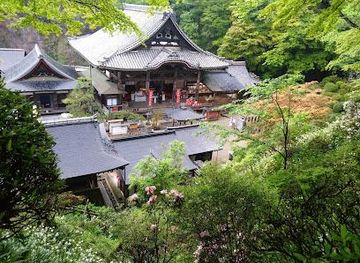
Tsubosakadera Temple, nestled in the mountains of Nara, Japan, is a historic Buddhist temple known for its unique blend of Japanese and Indian architectural styles. Founded in 703 AD, it offers stunning views, serene gardens, and a rich cultural experience, making it a worthwhile destination for travelers seeking tranquility and beauty.
A brief summary to Tsubosakadera
- 壷阪3, Takatori, 壷阪, Takaichi District, Nara, 635-0102, JP
- Click to display
- Click to display
- Monday 8:30 am-5 pm
- Tuesday 8:30 am-5 pm
- Wednesday 8:30 am-5 pm
- Thursday 8:30 am-5 pm
- Friday 8:30 am-5 pm
- Saturday 8:30 am-5 pm
- Sunday 8:30 am-5 pm

Know before you go
Hi, I'm Eve. Here are a few practical things to know before exploring Tsubosakadera.
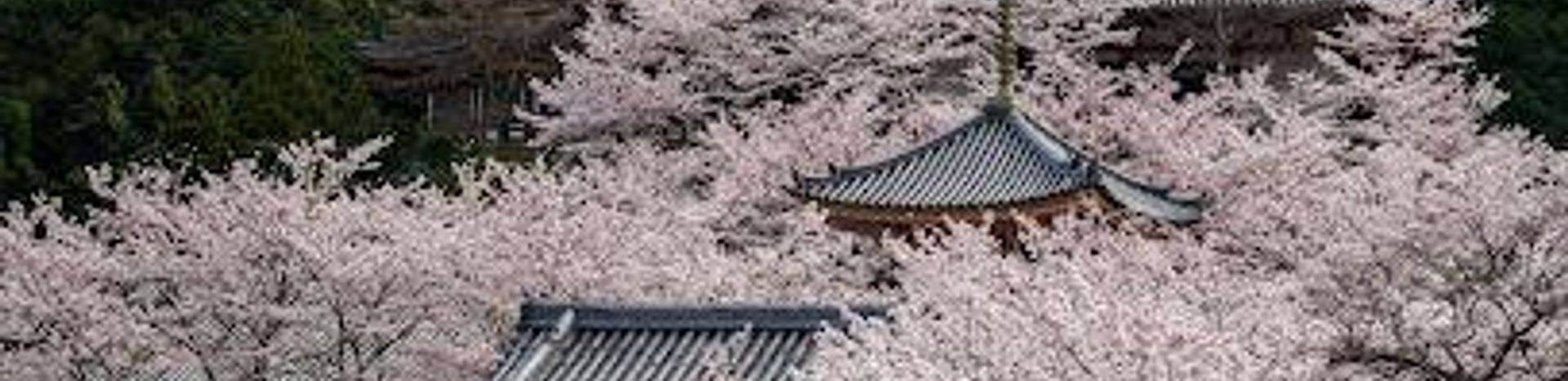
- Visit during late March to mid-April to witness the breathtaking cherry blossoms surrounding the temple.
- Wear comfortable shoes, as exploring the temple grounds involves a significant amount of walking.
- Consider visiting during the off-season for a quieter and more personal experience.
- Check the bus schedule from Tsubosakayama Station in advance, as services can be infrequent.
- Don't miss the opportunity to see the Indian-style Buddha statues and carvings, a unique feature of the temple.
Do you manage this location?
Take control to get all the benefits, like improved information, better appearance, and stronger visibility across AI-powered discovery. Learn more
Activate your presence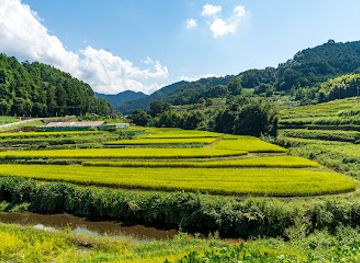
Getting There
-
Public Transport
From Kintetsu Tsubosakayama Station, take Nara Kotsu Bus number 20 bound for Tsubosakadera-mae. The bus ride takes approximately 11 minutes and costs ¥380 for adults and ¥190 for children. Alight at the Tsubosakadera-mae bus stop, which is a short walk from the temple entrance.
-
Taxi
From Kintetsu Tsubosakayama Station, a taxi ride to Tsubosakadera Temple takes around 10 minutes. The estimated fare is between ¥1,500 and ¥2,000, depending on traffic conditions. Taxis are readily available at the station.
-
Walking
From Tsubosakaderakuchi Bus Stop, it is approximately 30 minute walk to the temple. Be prepared for a moderately steep uphill walk. Follow the road uphill, enjoying the scenery along the way. The temple will become visible as you approach.
Discover more about Tsubosakadera
Explore the best of what Tsubosakadera has to offer













More about Kinki Kansai
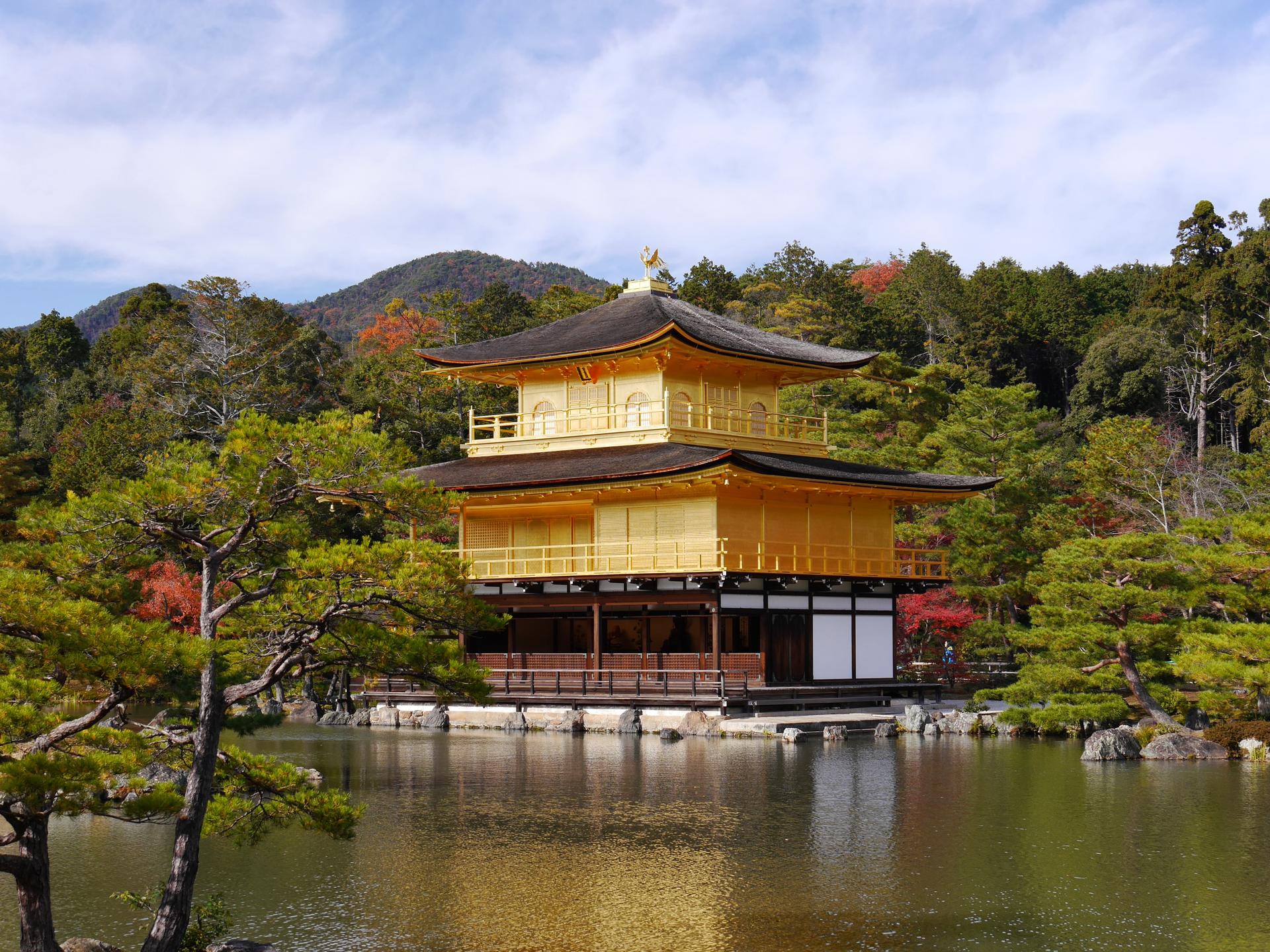
Discover Kinki (Kansai), Japan's cultural heartland, where ancient traditions meet modern vibrancy in iconic cities like Kyoto, Osaka, and Nara.
Tell me more about Kinki Kansai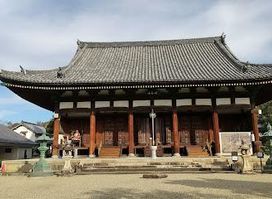
Discover the tranquil beauty and rich heritage of Eifuku-ji, a Buddhist temple in Osaka, perfect for reflection and spiritual exploration.
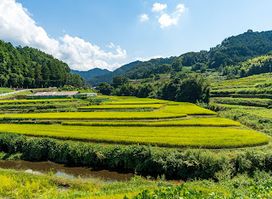
Experience the breathtaking beauty and cultural richness of Inabuchi Terraced Rice Fields, a true gem in Nara's picturesque landscape.