Background

Yoshiminedera Temple: A Mountain Retreat with Panoramic Views

Discover tranquility and breathtaking views at Yoshiminedera Temple, a hidden gem in Kyoto's western mountains, famed for its gardens and ancient pine.

★★★★★4.4 (1932)

Nestled in Kyoto's western mountains, Yoshiminedera Temple offers a serene escape with stunning views of the city. Founded in 1029, this Tendai Buddhist temple is known for its beautiful gardens, historic buildings, and the remarkable 'Gliding Dragon' pine tree.

Plan your visit

A brief summary to Yoshiminedera Temple

Opening times, essentials, and a few local tips gathered into one calmer, easier-to-scan planning section.

Plan your visit

📍
1372 Oharano Oshiocho, Kyoto, Oharano Oshiocho, Nishikyo Ward, Kyoto, 610-1133, JP
Monday
8:30 am-5 pm
Tuesday
8:30 am-5 pm
Wednesday
8:30 am-5 pm
Thursday
8:30 am-5 pm
Friday
8:30 am-5 pm
Saturday
8 am-5 pm
Sunday
8 am-5 pm
Eve
From Eve

Know before you go

Hi, I'm Eve. Here are a few practical things to know before exploring Yoshiminedera Temple.

Local know-how to help you travel smarter and make the most of every moment.

Check the Hankyu Bus schedule in advance, as the #66 bus to Yoshiminedera only runs every one to two hours.
Wear comfortable shoes, as the temple grounds are extensive and involve walking up and down hills.
Visit during the spring or autumn for the best seasonal views of cherry blossoms or colorful foliage.
Allow at least 1-2 hours to fully explore the temple grounds and enjoy the scenery.

Discover more about Yoshiminedera Temple

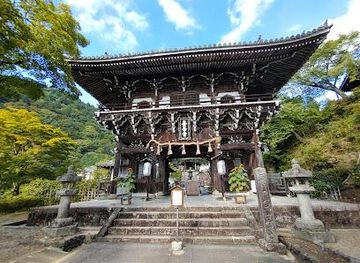
Yoshiminedera Temple, officially named 善峯寺, is a Tendai Buddhist temple located in the Nishikyo Ward of Kyoto, Japan. Founded in 1029 by Gensan, a monk from Enryakuji Temple, it was conceived as a personal retreat in the mountains southwest of Kyoto. Legend says that the local god Achisaka Myōjin appeared to Gensan and asked him to build the temple there. Over the centuries, Yoshiminedera expanded with imperial patronage, becoming a sprawling complex with over 50 priest's quarters. However, much of the temple was destroyed during the Onin War in 1467. It wasn't until the Edo period (1603-1868) that Keishoin, mother of the fifth Tokugawa shogun, Tsunayoshi, sponsored its revival, contributing to the construction of various halls and donating valuable furnishings. Many of the current buildings date back to this reconstruction. Today, Yoshiminedera is renowned for its expansive grounds, offering panoramic views of Kyoto. The temple is particularly beautiful during cherry blossom season in spring and when the autumn leaves change color. One of its most famous features is the Yuryu no Matsu, a 600-year-old Japanese white pine trained to grow horizontally. Designated as a Natural Monument of Japan, this tree stretches over 37 meters. Other key buildings include the Kannon-do Hall, which houses the temple's principal image of the Thousand-Armed Kannon, and the Yakushi-do Hall, dedicated to the Medicine Buddha. Yoshiminedera is also the 20th temple on the Saigoku Kannon Pilgrimage, an ancient route connecting temples dedicated to Kannon in the Kansai area.

Explore places near Yoshiminedera Temple

    See all →

    Unlock the Best of Yoshiminedera Temple

    Find tickets, tours with entry, and experiences available for this location.

    Buy tickets

    No tickets available

    Book tours with entry

    No tours with entry available

    Book tours without entry

    No tours without entry available

    Getting There

    Public Transport

    From Kyoto Station, take the JR Kyoto Line to Mukomachi Station (7 minutes, ¥200) or the Hankyu Kyoto Line to Higashimuko Station (20 minutes, ¥240). From either station, take the Hankyu Bus #66 to Yoshiminedera (30 minutes, ¥390). The bus runs infrequently, approximately every 1-2 hours. From the Yoshiminedera bus stop, it's an 8-10 minute uphill walk to the temple entrance.

    Taxi

    From either Mukomachi or Higashimuko Station, a taxi to Yoshiminedera Temple will cost approximately ¥3,000 - ¥4,000 and take around 20-30 minutes, depending on traffic. Taxi availability may be limited at the stations, especially during off-peak hours. There is a parking lot at the temple, but the road leading to the mountain gate is narrow.

    Mobile App
    Get the app

    Your all‑in‑one travel companion app

    Explore expert travel guides, compare and book tours, experiences, hotels, and more—all from the palm of your hand. Download now for seamless trip planning wherever your wanderlust takes you.
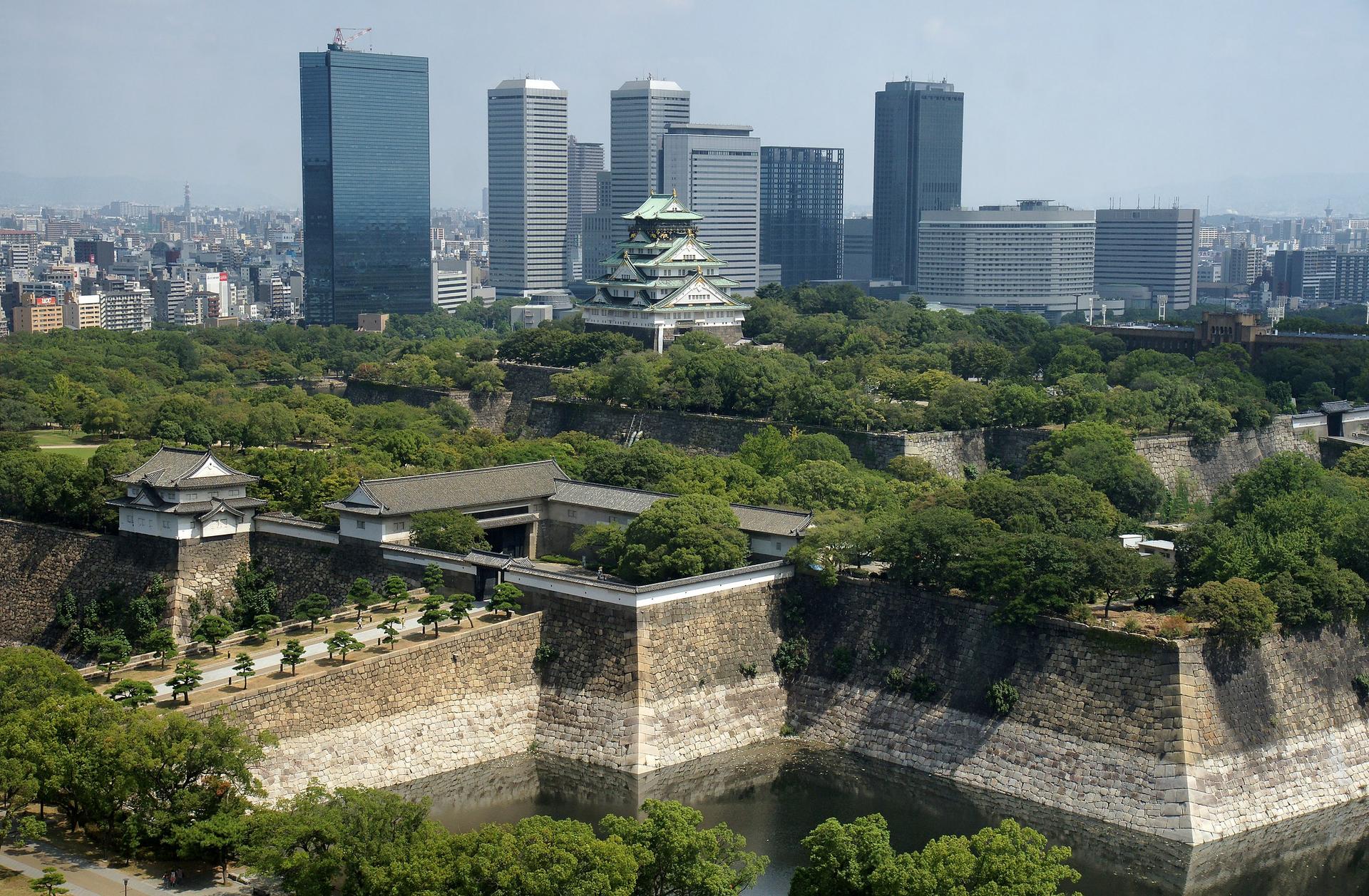
    File:Osaka Castle 02bs3200.jpg - Wikipedia

    More about Osaka

    Discover Osaka, Japan’s lively metropolis where tradition meets modernity, renowned for its culinary delights, historic landmarks, and vibrant nightlife.

    Tell me more about Osaka
    Select Currency

    Choose the currency you want prices to display in.