Nihon Minka-en: A Journey Through Time
Step back in time at Nihon Minka-en, Kawasaki's open-air museum showcasing traditional Japanese homes and architecture from the Edo period.
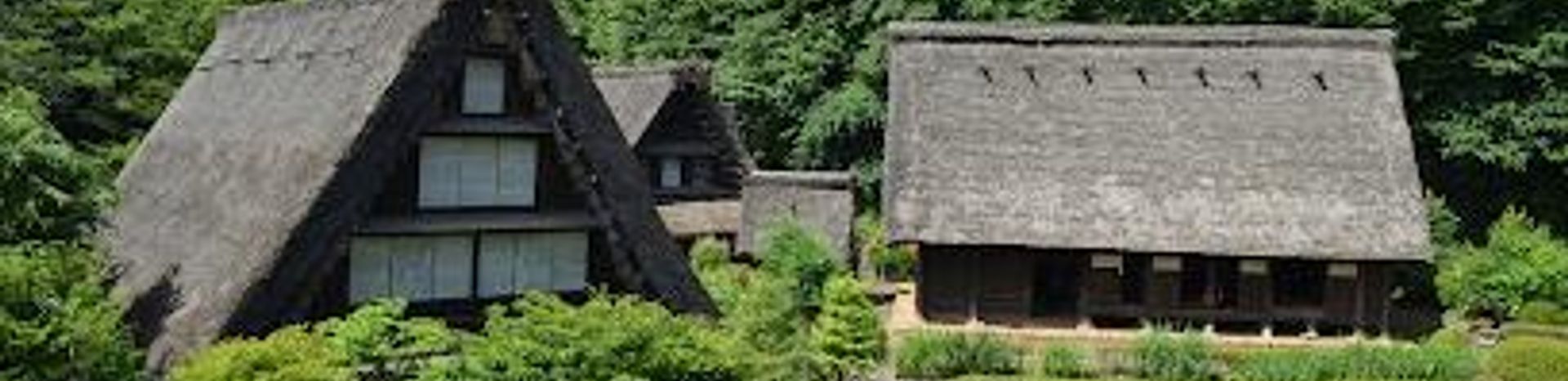
Explore traditional Japanese architecture at Nihon Minka-en, an open-air museum in Kawasaki showcasing relocated and preserved buildings from the Edo Period. Wander through farmhouses, merchant homes, and even a kabuki stage, experiencing the diverse regional styles of old Japan.
A brief summary to Nihon Minka-en (Japan Open-Air Folk Museum)
- 7 Chome-1-1 Masugata, Kawasaki, 7 Chome Masugata, Tama Ward, Kanagawa, 214-0032, JP
- +8144-922-2181
- Visit website
- Tuesday 9:30 am-4:30 pm
- Wednesday 9:30 am-4:30 pm
- Thursday 9:30 am-4:30 pm
- Friday 9:30 am-4:30 pm
- Saturday 9:30 am-4:30 pm
- Sunday 9:30 am-4:30 pm
Local tips
- Check the schedule for demonstrations of traditional crafts like indigo dyeing or weaving, often held on Sundays.
- Wear comfortable shoes, as you'll be doing a fair amount of walking between the different buildings.
- Visit during cherry blossom season or autumn for particularly stunning scenery.
- Consider a guided tour (reservations required) or utilize the audio guides for deeper insights into the buildings and their history.

Getting There
-
Public Transport
The most convenient way to reach Nihon Minka-en is by train. From Shinjuku Station in Tokyo, take the Odakyu Odawara Line to Mukogaoka-Yuen Station. Express trains take about 20 minutes and cost around ¥270. From the station, it's approximately a 15-minute walk to the museum. Alternatively, you can take the JR Nambu Line to Noborito Station, followed by a 25-minute walk. A one way trip from Kawasaki Station to Noborito Station costs around ¥320. From either station, follow the signs to Nihon Minka-en. The route is well-marked. Local buses also run near the museum. Check local schedules for the most up-to-date information. As of March 2025, Kawasaki City bus fares are subject to revisions. Please check the Keikyu Bus website for current pricing.
-
Taxi
Taxis are readily available at both Mukogaoka-Yuen and Noborito Stations. A taxi ride from either station to Nihon Minka-en will take approximately 5-10 minutes, depending on traffic. The estimated fare is between ¥1,500 and ¥2,500. Taxis can also be taken directly from Kawasaki or other nearby cities, but train transport is generally more economical. A taxi from Tokyo Station to Nihon Minka-en will cost approximately ¥11,000 - ¥13,000.
-
Walking
From Mukogaoka-Yuen Station (Odakyu Line), exit and follow the signs for Nihon Minka-en. The walk is approximately 15 minutes and involves a slight uphill climb. From Noborito Station (JR Nambu Line), the walk is longer, approximately 25 minutes, but also well-signposted. Both routes pass through residential areas and offer a glimpse into local life. Be aware that the paths may be narrow in places.
Discover more about Nihon Minka-en (Japan Open-Air Folk Museum)
Iconic landmarks you can’t miss

Tamon-in
8.2 km
Discover tranquility at Tamon-in, a serene Buddhist temple in Setagaya, Tokyo, offering peace, stunning gardens, and cultural insights.
Former Ochi family residence
9.5 km
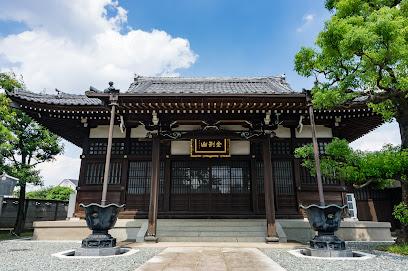
Delve into the history of the Former Ochi Family Residence, a captivating historical landmark in Fuchu, Tokyo, showcasing traditional Japanese architecture and culture.
1-chōme-23-5 Umegaoka
9.7 km
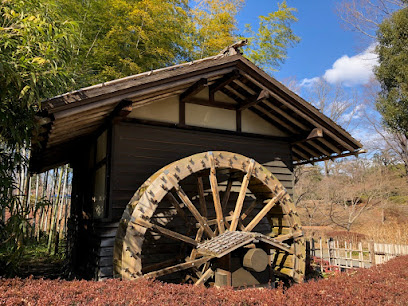
Discover the architectural beauty and vibrant local culture of Umegaoka in Setagaya, Tokyo, a hidden gem waiting to be explored.
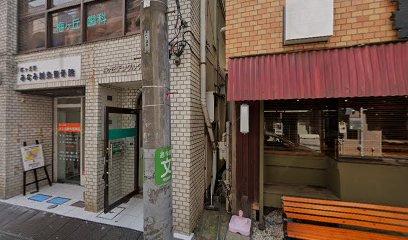
Remains of Provincial Office of Musashi
9.9 km
Explore the historic Remains of the Provincial Office of Musashi in Fuchu, Tokyo - a captivating glimpse into Japan's past.
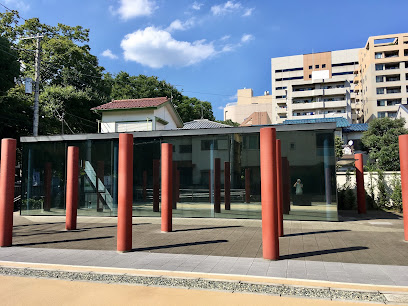
Okurayama Memorial Hall
11.2 km
Discover a unique blend of architectural styles and cultural events at Yokohama's Okurayama Memorial Hall, a designated tangible cultural property.
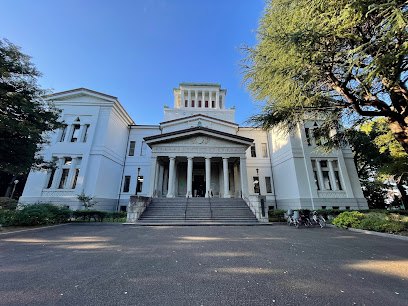
Sanrio Puroland
12.1 km
Experience the magic of Hello Kitty and friends at Sanrio Puroland, Tokyo's enchanting indoor theme park dedicated to all things kawaii.
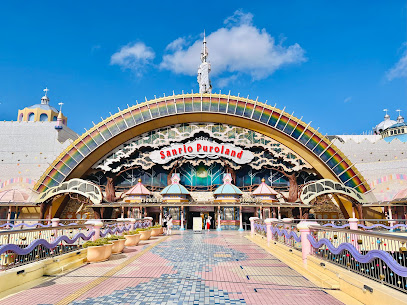
Edo-Tokyo Open Air Architectural Museum
12.6 km
Explore relocated and reconstructed historical buildings from Tokyo's Edo to Showa periods in a unique open-air museum within Koganei Park.
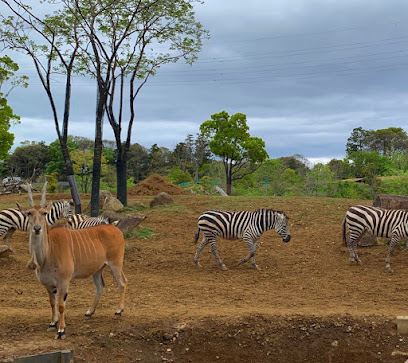
Yokohama Zoological Gardens “Zoorasia”
13.2 km
Explore diverse habitats and rare species at Yokohama Zoorasia, a leading Japanese zoo dedicated to wildlife and conservation.
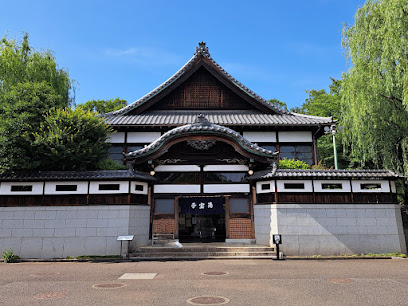
Kōenji Temple
13.3 km
Explore the serene beauty of Kōenji Temple, a tranquil Buddhist sanctuary in Suginami City, Tokyo, rich in history and spiritual significance.
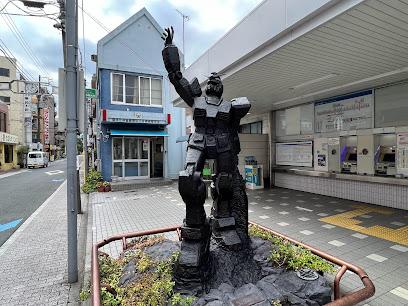
Gundam Statue
13.3 km
Discover the grandeur of the Gundam Statue in Suginami City, Tokyo - a stunning blend of art and pop culture that captivates visitors.
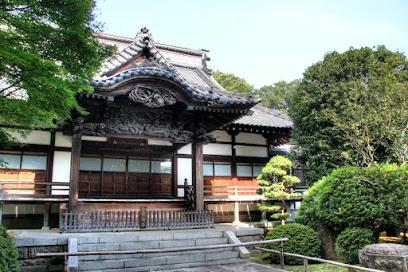
Ikegami Hommon-ji
13.4 km
Experience the serene beauty and spiritual heritage of Ikegami Hommon-ji, a hidden gem in Tokyo's Ota City, perfect for reflection and tranquility.
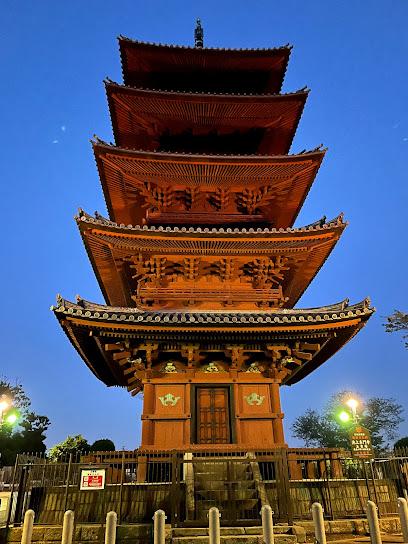
Sora(space) Sakura
13.5 km
Discover tranquility and stunning views at Sora(space) Sakura, a must-visit oasis in the bustling heart of Shibuya, Tokyo.
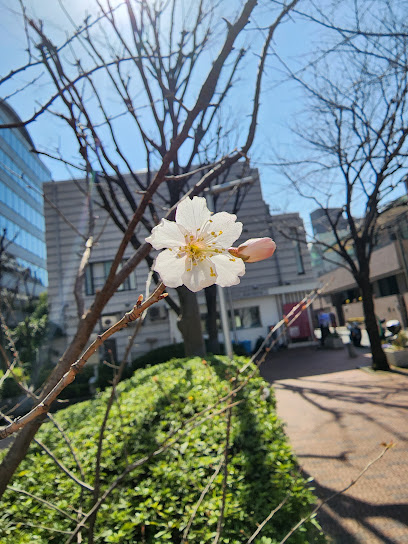
Myth of Tomorrow
13.6 km
Discover the inspiring 'Myth of Tomorrow' in Shibuya, a cultural landmark by Taro Okamoto that embodies resilience and artistic expression.
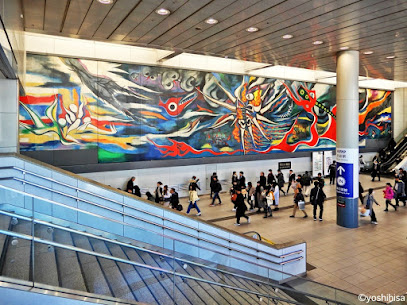
Moyai Statue
13.7 km
Discover the Moyai Statue in Shibuya, a striking stone carving that embodies the spirit of the city and serves as a vibrant meeting point for locals and tourists.
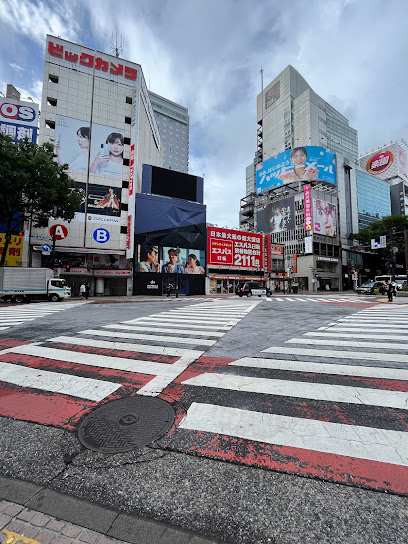
Hachikō Memorial Statue
13.7 km
Experience the touching loyalty of Hachikō at the iconic Memorial Statue in Shibuya, a must-visit for every traveler in Tokyo.
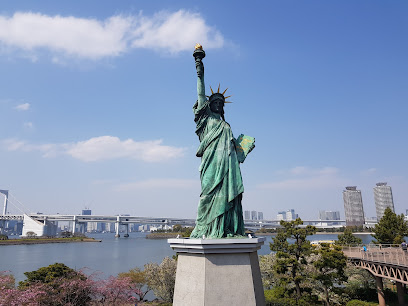
Unmissable attractions to see

Nihon Minka-en (Japan Open-Air Folk Museum)
0.0 km
Discover the rich heritage of Japan at Nihon Minka-en, an enchanting open-air museum showcasing traditional folk architecture and culture.
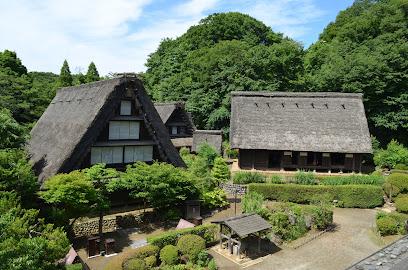
Ikuta Ryokuchi Park
0.2 km
Explore the lush landscapes and serene beauty of Ikuta Ryokuchi Park in Kawasaki, a perfect retreat for nature lovers and families.
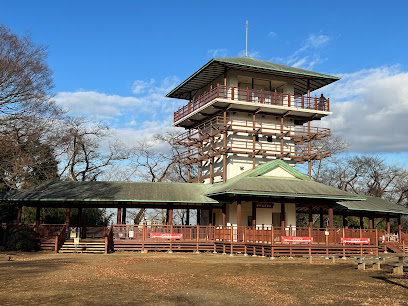
Taro Okamoto Museum of Art
0.4 km
Discover the Taro Okamoto Museum of Art in Kawasaki, a modern art gem showcasing the visionary works of Taro Okamoto and contemporary exhibitions.
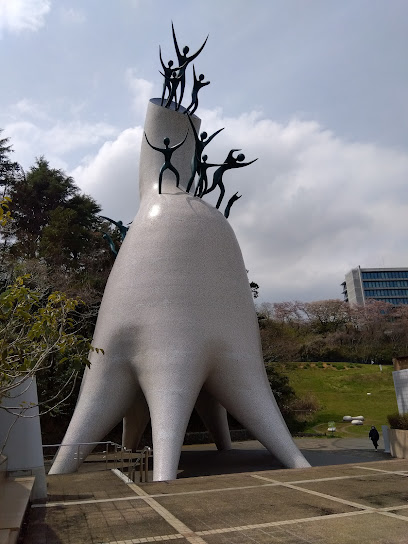
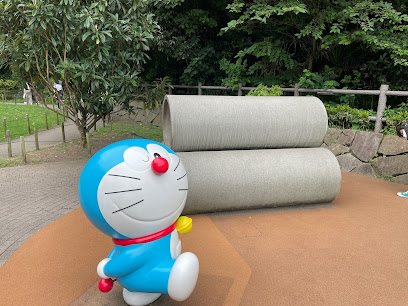
Fujiko · F · Fujio Museum
1.1 km
Discover the enchanting world of Fujiko F. Fujio at the Fujiko · F · Fujio Museum in Kawasaki, a delightful experience for manga fans and families.
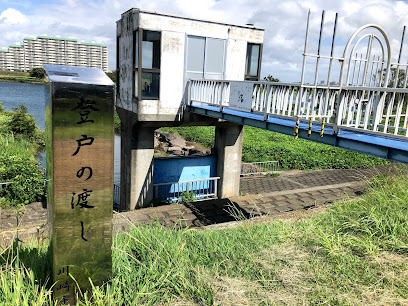
Noborito Ferry
1.6 km
Discover the tranquility and historical charm of Noborito Ferry in Kawasaki, a perfect blend of scenic beauty and cultural heritage.
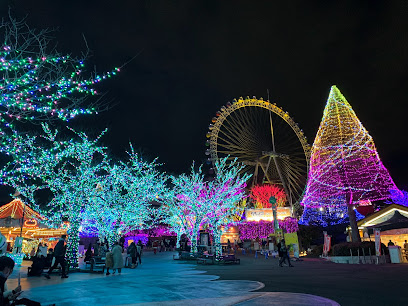
Yomiuri Land
4.3 km
Explore Yomiuri Land, Tokyo's premier amusement park featuring thrilling rides, seasonal events, and stunning natural beauty.
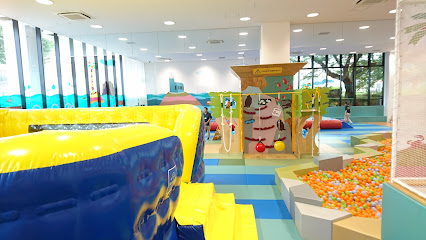
Kid-o-kid Yomiuri Land
4.4 km
Discover the joy of play at Kid-o-kid Yomiuri Land, Tokyo's premier indoor playground for children, where adventure and learning come together.
Yukemuri no Sato Susukino
4.7 km
Experience the ultimate relaxation at Yukemuri no Sato Susukino, Yokohama's premier super public bath and health spa oasis.
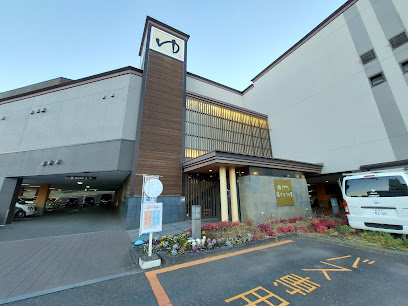
Jōshō-ji
4.7 km
Unwind in the serene ambiance of Jōshō-ji, a historic Buddhist temple in Chofu, where nature and spirituality come together for a peaceful retreat.
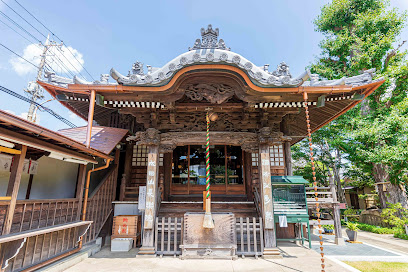
Kokuryo Shrine
4.9 km
Discover the tranquil beauty of Kokuryo Shrine in Chofu, Tokyo, a serene Shinto shrine surrounded by stunning seasonal blooms.
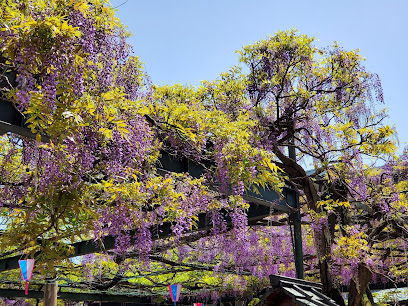
Taishoji
5.3 km
Experience the serene beauty of Taishoji Temple in Chofu, Tokyo, a tranquil Buddhist haven filled with history and natural beauty.
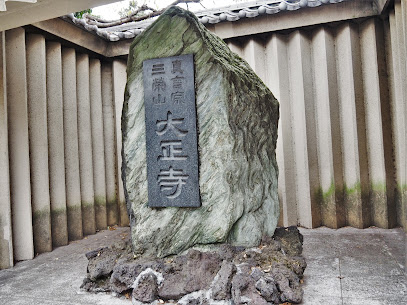
Shrine Raden
5.4 km
Experience cultural serenity at Shrine Raden, a hidden Shinto gem in Chofu, Tokyo, perfect for travelers seeking peace and tradition.
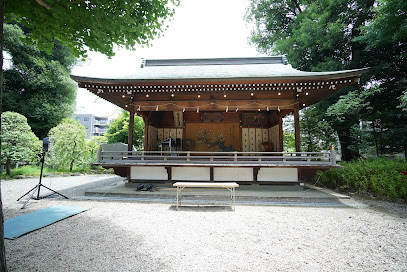
Fudaten Jinja
5.4 km
Discover the serene beauty of Fudaten Jinja, a captivating Shinto shrine in Chofu, Tokyo, rich in history and cultural significance.
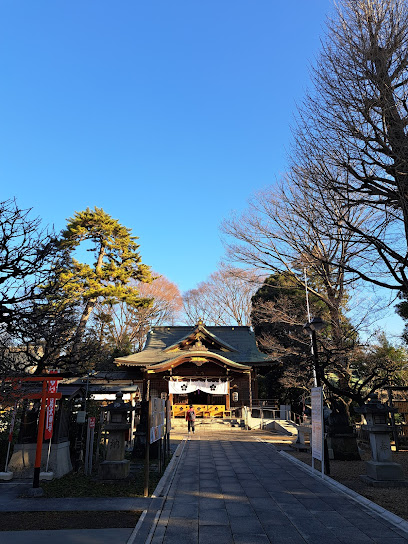
Gionji Temple
5.5 km
Explore Gionji Temple in Chofu, Tokyo – a serene Buddhist sanctuary offering spiritual reflection and stunning traditional architecture amidst lush gardens.
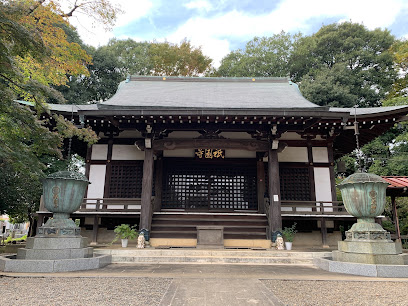
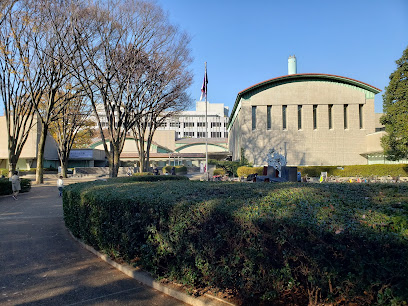
Setagaya Art Museum
6.0 km
Explore the Setagaya Art Museum in Tokyo, a serene destination for art lovers featuring diverse exhibitions in a beautiful park setting.
Essential places to dine

CAFE & BAR HI to IKI (カフェアンドバーヒトイキ)
1.4 km
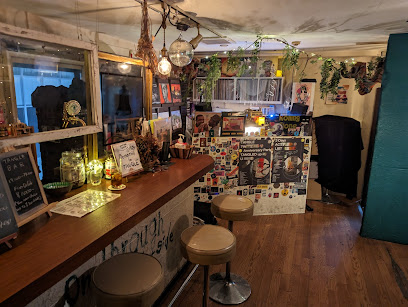
Discover the fusion of traditional Japanese flavors and modern dining at CAFE & BAR HI to IKI in Kawasaki.

SUGIDAMA Soshigaya-okura
5.7 km
Discover the flavors of Japan at SUGIDAMA Soshigaya-okura - where tradition meets creativity in every dish.
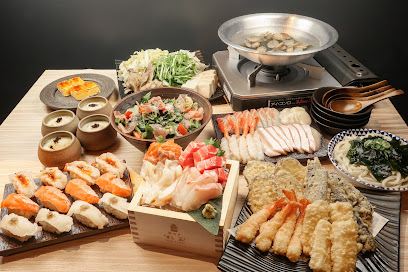
Cactus Burrito
6.5 km
Discover delicious burritos at Cactus Burrito in Kawasaki—where flavorful meals meet a cozy used bookstore experience.
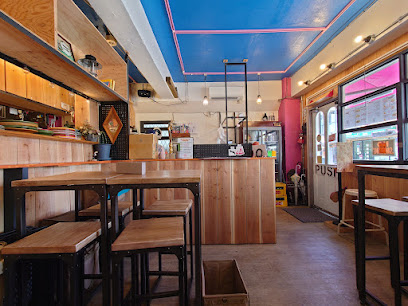
Punjabi Dhaba
9.4 km
Discover authentic Indian and Pakistani flavors at Punjabi Dhaba in Kawasaki - where every dish tells a story.
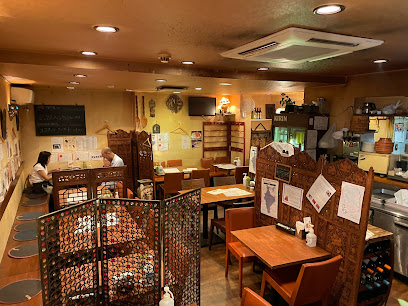
Hotel Seiyoken
9.5 km
Discover comfort and exceptional dining at Hotel Seiyoken - your gateway to Kawasaki's vibrant culture.
Hungry Tiger
9.8 km
Discover Hungry Tiger: Kawasaki's premier destination for succulent steaks and delightful dining experiences.
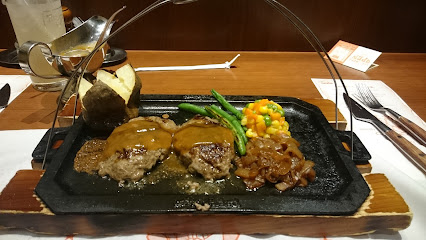
Wang's Garden Musashi-Kosugi
10.0 km
Discover authentic Chinese cuisine at Wang's Garden Musashi-Kosugi – where every meal is a flavorful journey.
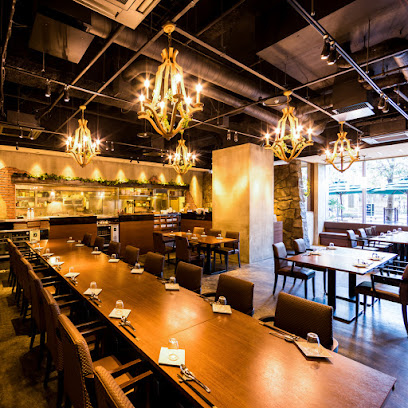
Ru Rogier Musashisakai Restaurant
10.3 km
Discover diverse Western cuisine at Ru Rogier Musashisakai Restaurant in Tokyo - where flavors meet elegance.
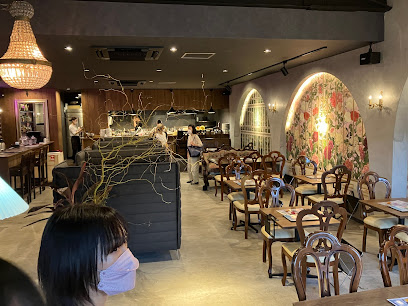
hugo
10.3 km
Experience culinary creativity at Hugo Bistro in Tokyo's Meguro City with fresh ingredients and innovative dishes that delight every palate.
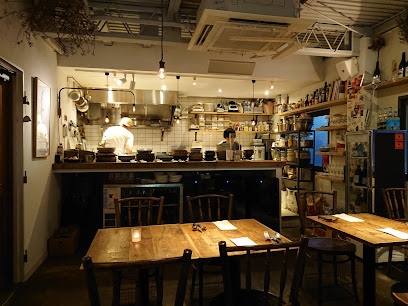
SUGIDAMA Tsunashima
10.4 km
Discover exquisite Japanese flavors at SUGIDAMA Tsunashima – where tradition meets creativity in every dish.
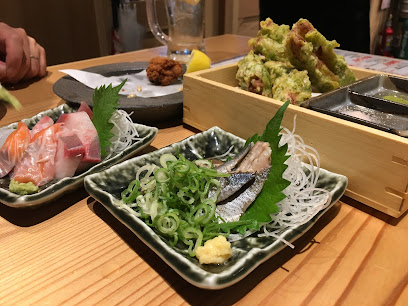
SUGIDAMA Musashi-sakai
10.5 km
Discover the essence of Japanese dining at SUGIDAMA Musashi-sakai - where tradition meets creativity in every dish.
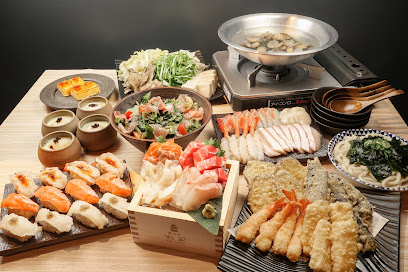
SUGIDAMA Sangen-chaya
10.6 km
Experience the art of sushi at SUGIDAMA Sangen-chaya, where tradition meets creativity in every bite.
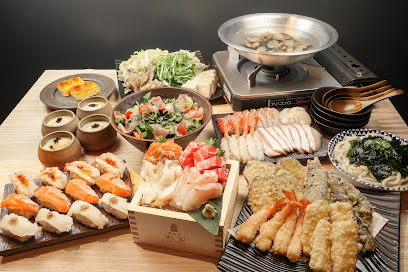
Mikawa-ya
10.6 km
Experience authentic sushi at Mikawa-ya in Sangenjaya, Tokyo—where tradition meets taste in every bite.
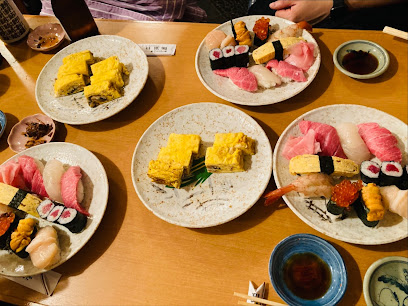
Cafe RIGOLETTO
10.8 km
Experience authentic Italian cuisine at Cafe RIGOLETTO in Kichijoji, Tokyo - a perfect blend of taste and ambiance.
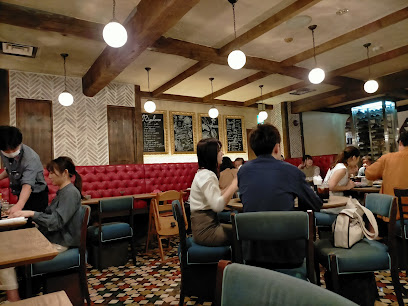
Musashi No Mori Coffee Musashino Nishikubo Branch
10.9 km
Discover the warm embrace of Musashi No Mori Coffee in Tokyo – where delicious breakfasts meet artisanal coffee in a cozy setting.
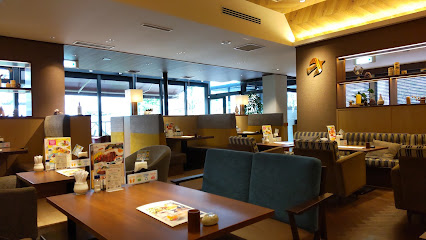
Markets, malls and hidden boutiques

kata kata
4.9 km
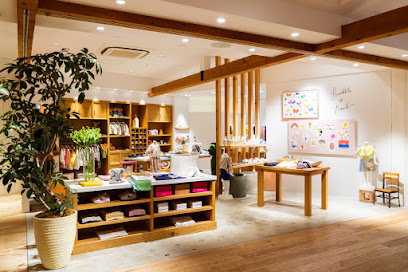
Explore Kata Kata, a charming home goods store in Chofu, Tokyo, offering unique Japanese decor and gifts that bring style and elegance to your home.
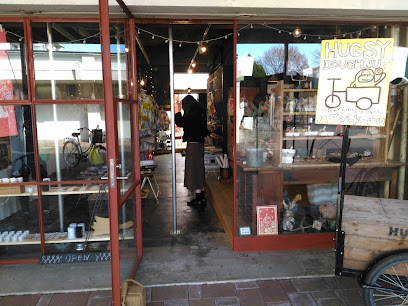
in Touch Futakotamagawa
5.8 km
Explore the stylish world of in Touch Futakotamagawa, where fashion meets Japanese charm in the heart of Setagaya City, Tokyo.
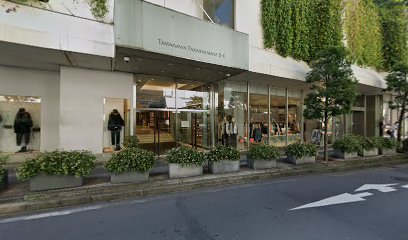
Tamagawa Takashimaya
5.9 km
Explore luxury shopping, gourmet food, and cultural experiences at Tamagawa Takashimaya, Tokyo's premier department store.
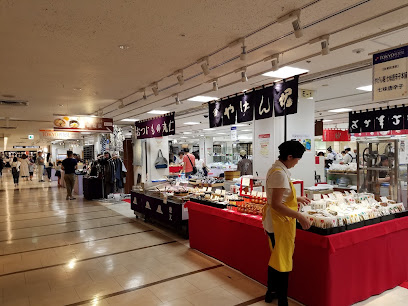
Ron Herman Futako Tamagawa Store
5.9 km
Explore the stylish offerings of Ron Herman Futako Tamagawa Store, where California cool meets Tokyo fashion in a vibrant shopping experience.
Yurindo Center Minamiekiten
7.3 km
Explore Yurindo Center Minamiekiten in Yokohama for an extensive selection of books, comics, and stationery, perfect for all ages and interests.

BEAMS Musashi Kosugi Store
9.7 km
Explore the latest in Japanese fashion at BEAMS Musashi Kosugi, a unique duty-free clothing store in Kawasaki offering a blend of local and international styles.
GRAND TREE Musashi-Kosugi
9.8 km
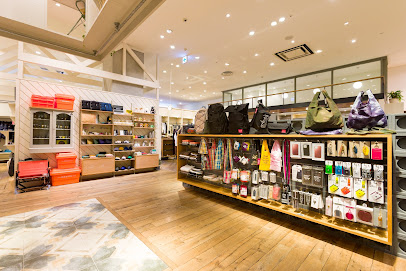
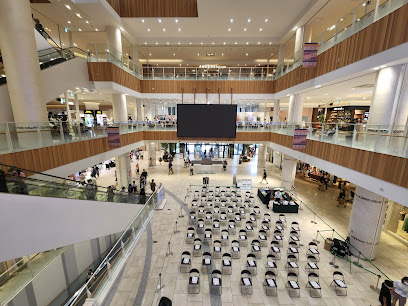
Experience the ultimate shopping and dining adventure at GRAND TREE Musashi-Kosugi - a vibrant hub for all things retail in Kawasaki.
MUJI Grand Tree Musashi-kosugi Store
9.8 km
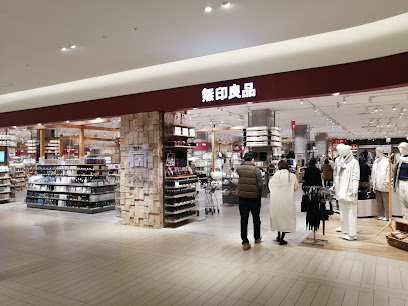
Explore the minimalist charm of MUJI Grand Tree Musashi-kosugi Store, where quality meets simplicity in a unique shopping experience.
Musashikosugi LOFT
9.8 km
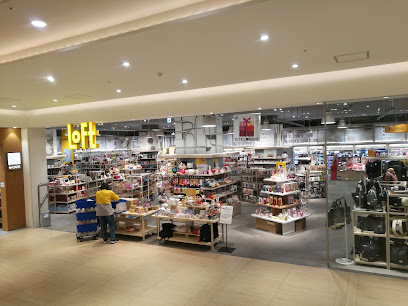
Explore the eclectic wonders of Musashikosugi LOFT in Kawasaki, where beauty, home goods, and unique novelties await every traveler.
Dulton Jiyugaoka
9.9 km
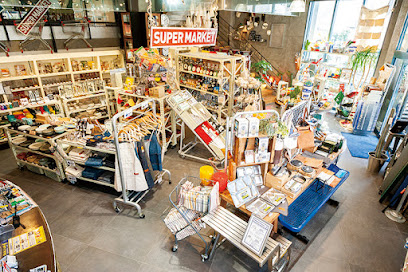
Discover stylish home goods and unique gifts at Dulton Jiyugaoka, a must-visit store in Tokyo's trendy neighborhood.
BINGO 自由が丘店
10.2 km
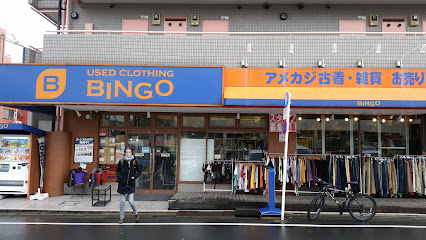
Explore BINGO 自由が丘店 in Meguro for vintage treasures and unique second-hand finds in the heart of Tokyo.
Ito Yokado Musashi Sakai East Bldg.
10.2 km
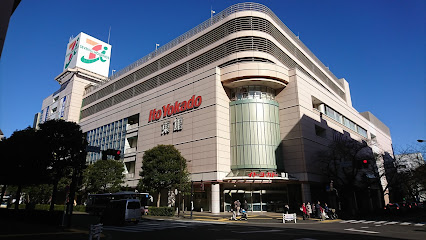
Discover the best of shopping at Ito Yokado Musashi Sakai East Bldg. in Musashino, Tokyo, where groceries meet fashion and dining in a vibrant atmosphere.
MUJI Ito Yokado Musashi-Sakai Store
10.3 km
Explore the essence of Japanese minimalism at MUJI Ito Yokado Musashi-Sakai Store, where quality meets simplicity in a unique shopping experience.
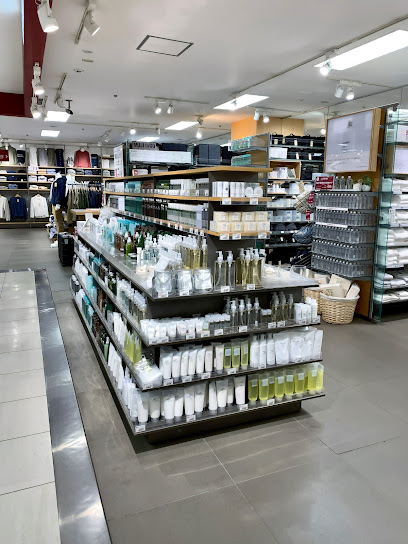
BOOKOFF SUPER BAZAAR Tama Nagayama Store
10.7 km
Discover a treasure trove of secondhand goods at BOOKOFF SUPER BAZAAR Tama Nagayama Store, from outdoor gear to collectibles in Tama, Tokyo.

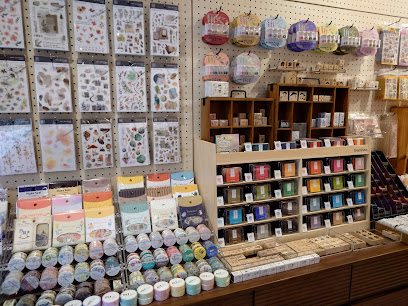
Cute Things From Japan Shop
11.1 km
Explore a delightful stationery store in Tokyo, where cute meets creativity, and discover unique Japanese treasures.
Essential bars & hidden hideouts

The Bar Hideout Martini
9.3 km
Experience the elegance of The Bar Hideout Martini, Kawasaki's premier cocktail bar, where mixology meets atmosphere for an unforgettable night out.
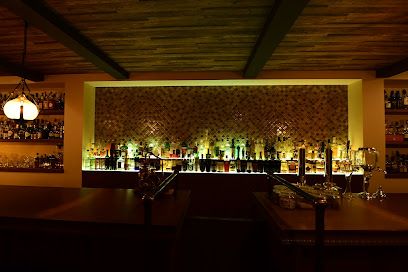
PUBLIC HOUSE Musashikosugi Shop
9.6 km
Experience authentic Italian cuisine at PUBLIC HOUSE Musashikosugi, a cozy restaurant in Kawasaki, perfect for pizza lovers and culinary adventurers alike.
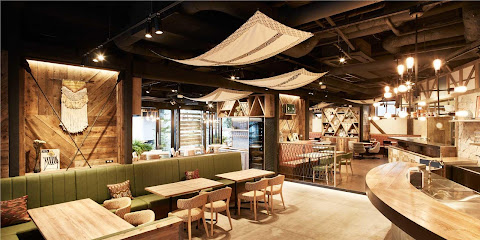
Shot Bar Moga
9.7 km
Discover Shot Bar Moga in Kawasaki, a cozy bar offering unique cocktails that blends modern mixology with traditional Japanese flavors.
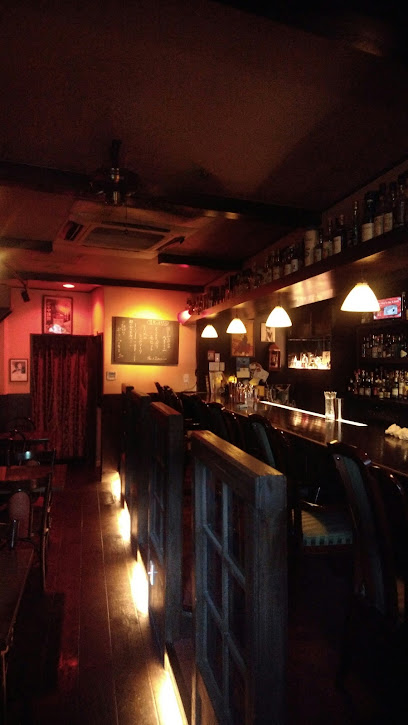
Irish Bar McCann's
9.8 km
Discover the heart of Irish culture at McCann's Irish Bar in Kawasaki, where great food, drinks, and lively atmosphere await.
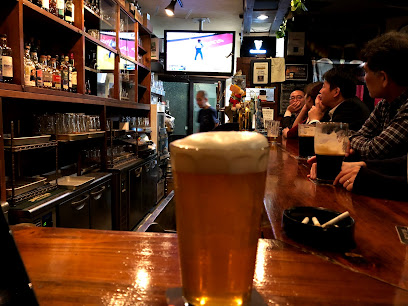
BAR JAP
10.3 km
Experience the authentic nightlife of Tokyo at BAR JAP, where tradition meets modernity in a cozy setting.
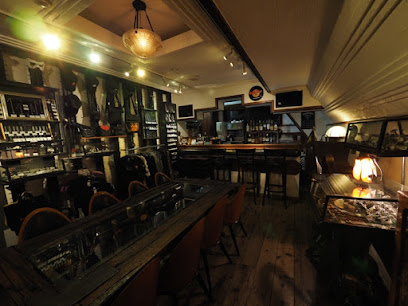
Shooting Bar EA
10.3 km
Experience the thrill of shooting games and savor delicious izakaya dishes at Shooting Bar EA in Musashino, Tokyo.
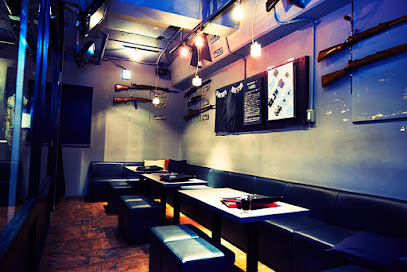
バー 穴熊
10.6 km
Discover the cozy charm of Bar Anaguma in Musashino, Tokyo, where delightful drinks and an inviting atmosphere await you.
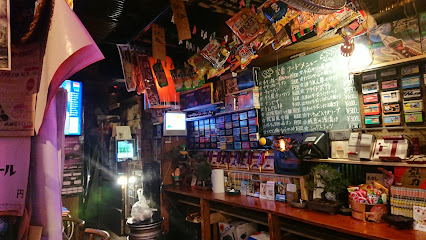
Bar Woody
10.8 km
Experience the charm of Bar Woody, a cozy bar in Kichijoji, Tokyo, known for its exceptional cocktails and inviting ambiance.
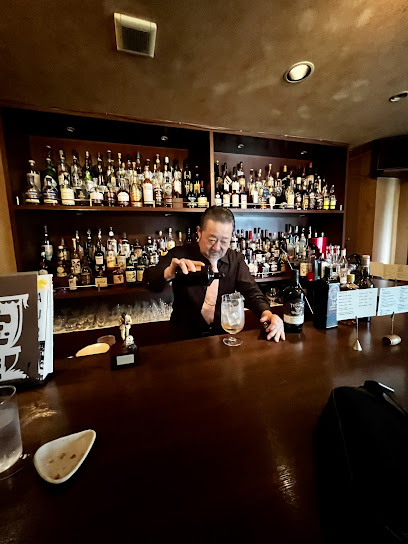
BATHTUB GIN
11.4 km
Experience the enchanting atmosphere of Bathtub Gin, a cocktail bar in Setagaya, Tokyo, where every sip is a journey of flavor.
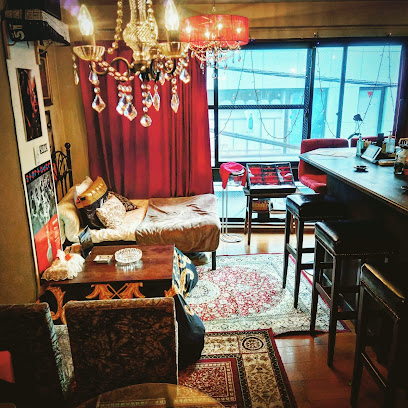
Soul Cocktail's Machida
12.7 km
Discover the fusion of traditional and modern at Soul Cocktail's Machida, a vibrant izakaya bar in Tokyo offering innovative cocktails and delicious cuisine.
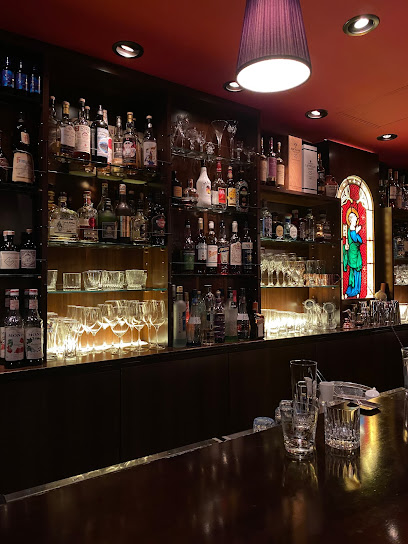
Irish Pub Séamus O'Hara
12.9 km
Discover the essence of Ireland at Séamus O'Hara, a lively pub in Tokyo offering traditional dishes, a vibrant atmosphere, and live sports.
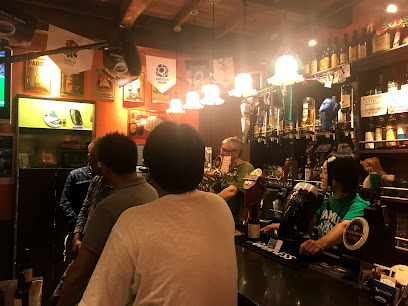
CABIN Nakameguro
13.1 km
Experience the vibrant nightlife at CABIN Nakameguro, a stylish bar in Tokyo known for its exquisite whisky selection and inviting ambiance.
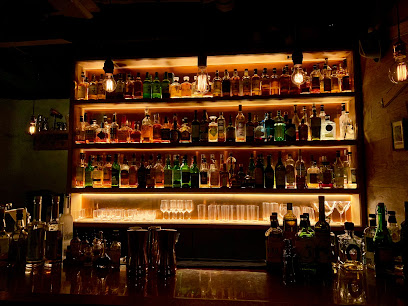
BAR LA17 SHIBUYA
13.2 km
Discover unique cocktails and vibrant nightlife at BAR LA17 in Shibuya, Tokyo's premier destination for an unforgettable evening.
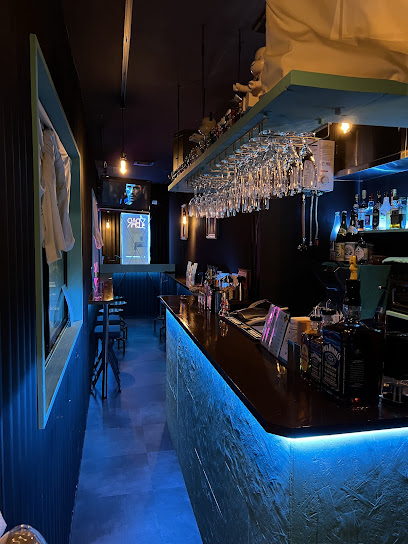
Bar Ginza Panorama Shibuya
13.3 km
Discover modern izakaya dining and innovative cocktails at Bar Ginza Panorama Shibuya, a vibrant spot in Tokyo's nightlife.
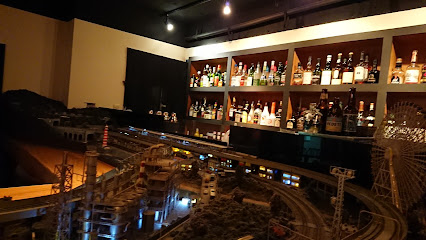
渋谷Tangle -Music Bar & Floor
13.3 km
Experience the vibrant nightlife and live music scene at 渋谷Tangle, a must-visit bar in the heart of Shibuya, Tokyo.