Suitengu Shrine Travel Guide
Free Guide: A serene Tokyo shrine devoted to prayers for safe childbirth, healthy children, and family well-being, blending tradition with modern design.


A brief summary of Suitengu Shrine
A serene Tokyo shrine devoted to prayers for safe childbirth, healthy children, and family well-being, blending tradition with modern design.
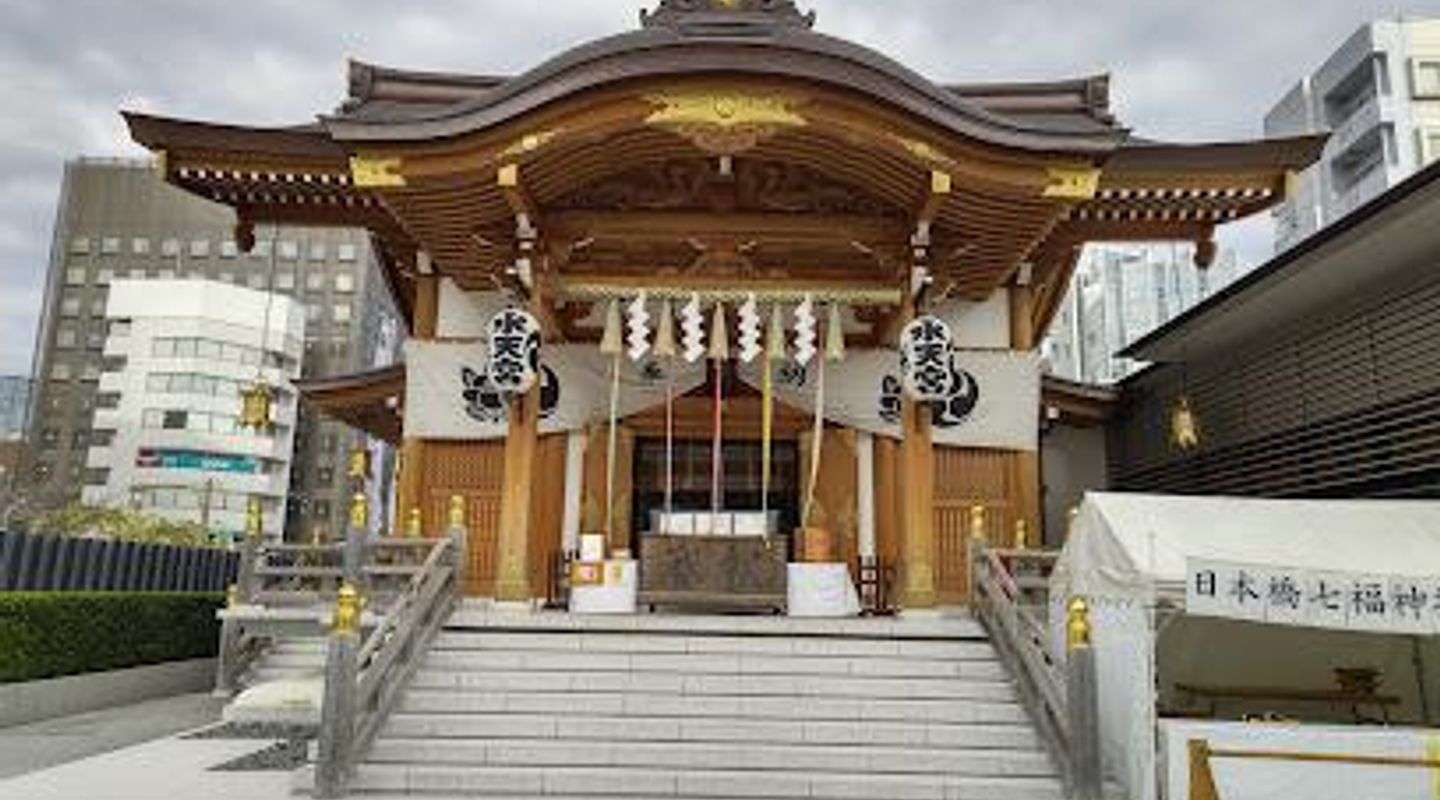
Suitengu Shrine, located in Tokyo's Chuo City, is a Shinto shrine renowned for its dedication to safe childbirth and the well-being of children. With a history stretching back to 1818, it offers a serene escape in the heart of the city, drawing visitors who seek blessings for new life and family health.
Opening hours
- Every day7 am–6 pm
Opening hours as listed on the venue’s Google Business Profile. Hours can change for services and special events, so check with the venue before you go.
- Address
- 2 Chome-4-1 Nihonbashikakigaracho, Chuo City, Tokyo 103-0014
- Phone
- Website
Getting there
Public Transport
Walking
Taxi
Parking
Discover more about Suitengu Shrine
Overview
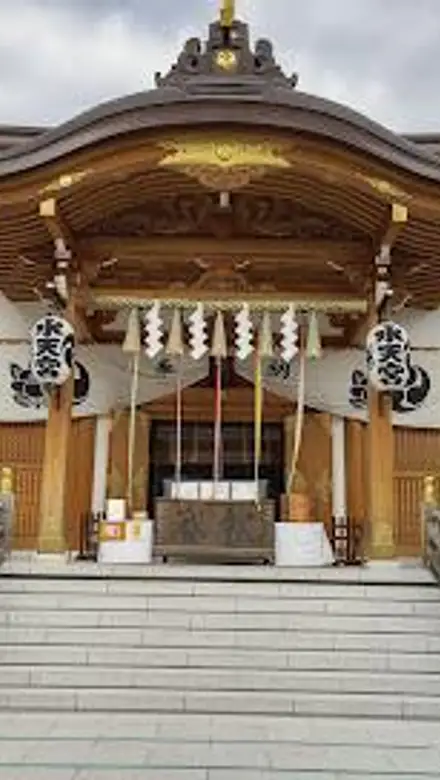
Suitengu Shrine, nestled in the Nihonbashi Kakigaracho district of Chuo City, Tokyo, is a cherished sanctuary with a rich history rooted in prayers for safe childbirth and the health of children. Originally established in 1818 by the Arima family, the shrine's Tokyo branch was created to allow the family to continue their worship while residing in Edo (present-day Tokyo).The shrine venerates several deities, including Ame-no-Minakanushi-no-Kami, the ancestor of Japanese gods, Emperor Antoku, and court ladies Nii-no-Ama and Kenreimon-in. These deities are believed to bestow blessings for safe childbirth, the health and vitality of children, and overall good fortune. The shrine's connection to childbirth dates back to the Edo period when a bell cord from the shrine was used as a belly band by a pregnant woman, resulting in a safe delivery. This story spread, solidifying Suitengu's reputation as a place of prayer for expectant mothers.Visitors to Suitengu Shrine can admire the modern architecture, a result of a 2018 renovation that incorporated traditional elements with the latest seismic technology. A notable feature is the Kodakara Inu (Child-Blessing Dog) statue, depicting a mother dog and her puppy, symbolizing safe and easy childbirth. The statue is surrounded by the twelve zodiac signs, and it is said that stroking one's own zodiac sign brings blessings. The shrine also enshrines Hojo Benzaiten, one of the Seven Lucky Gods, associated with arts, academics, and financial fortune. Suitengu Shrine offers a unique blend of historical significance and spiritual comfort in the heart of Tokyo.
Evendo Review Centre
 Google
Guest reviews
Explore Suitengu Shrine on the map
A handpicked selection of must-see spots near Suitengu Shrine, mapped for you.
Get your free copy of our complete guide to Suitengu Shrine, delivered straight to you.
Everything on this page, from opening hours and how to get there to Eve’s tips and the best time to go, in one PDF you can read offline, print or share.
Already have an account? Sign in
Your Suitengu Shrine guide is ready.
We'll send it to · Not you? Sign out

Getting your guide ready…
We are putting together a fresh copy of the Suitengu Shrine guide. This can take up to a minute.
This can take a few moments. If your browser asks, choose Allow so the download can start. You'll find the guide in your Downloads folder.
Nothing happened? Download it again
Sorry, the guide is taking longer than usual. Please try again in a minute, or get it by email instead.
Unlock the best of Suitengu Shrine
Skip-the-line tickets, guided tours with entry, and walking tours of the area, booked in a few clicks.


Other nearby places you may find interesting
The closest places of the same kind, if this one is not quite what you had in mind.
-
-
-
-
-


Swipe for more places
More to explore near Suitengu Shrine

 Best experiences near Suitengu Shrine
 Best hotels near Suitengu Shrine
 Best landmarks near Suitengu Shrine
 Best attractions near Suitengu Shrine
 Best shops near Suitengu Shrine
 Best restaurants near Suitengu Shrine
 Best bars near Suitengu Shrine
Do you manage this location?
Take control to get all the benefits, like improved information, better appearance, and stronger visibility across AI-powered discovery.
Explore more
Explore more of Tajima
Discover Tajima: Japan's serene countryside with hot springs, scenic landscapes, and rich cultural heritage. Perfect for nature lovers and those seeking a peaceful retreat.
Explore Tajima
Explore more of Japan
Discover the harmony of tradition and modernity in Japan, where ancient temples and cutting-edge technology coexist in perfect balance.
Explore Japan