Hanazono Inari Shrine, Tokyo Travel Guide
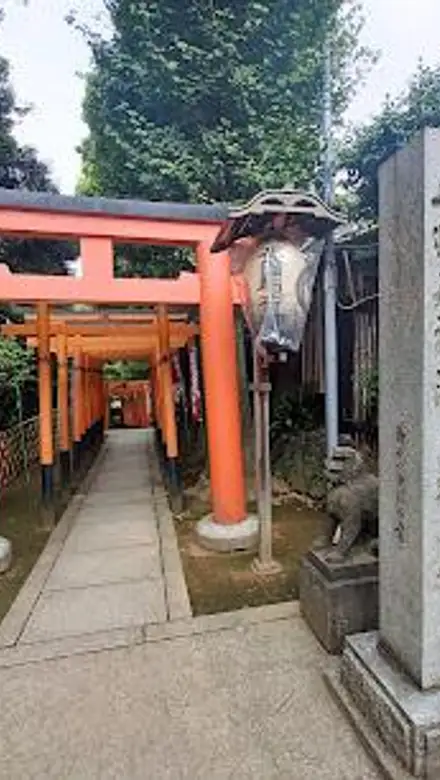
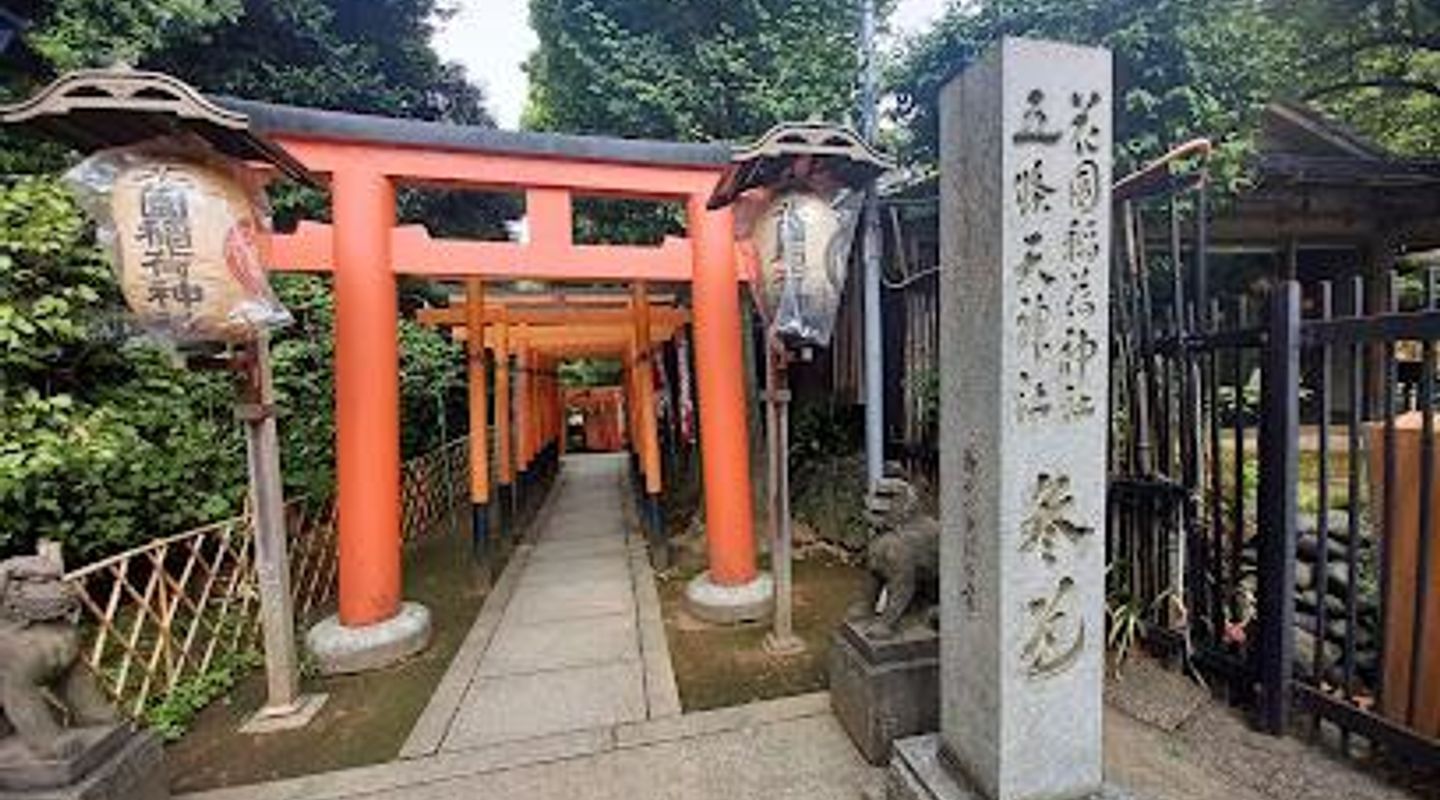
Discover a serene oasis in Ueno Park: Hanazono Inari Shrine, a vibrant Shinto sanctuary with vermilion torii gates and rich spiritual heritage.
Nestled within Ueno Park, Hanazono Inari Shrine offers a tranquil escape with its vibrant vermilion torii gates and peaceful atmosphere. Dedicated to Inari, the god of fertility, rice, agriculture, and foxes, this Shinto shrine provides a unique blend of history, culture, and natural beauty.
A brief summary to Hanazono Inari Shrine
- 4-17 Uenokoen, Taito City, Uenokoen, Tokyo, 110-0007, JP
- Click to display
- Monday 9 am-5 pm
- Tuesday 9 am-5 pm
- Wednesday 9 am-5 pm
- Thursday 9 am-5 pm
- Friday 9 am-5 pm
- Saturday 9 am-5 pm
- Sunday 9 am-5 pm

Know before you go
Hi, I'm Eve. Here are a few practical things to know before exploring Hanazono Inari Shrine.
- Visit during weekdays to avoid crowds, as the shrine can get busy on weekends.
- Take your time to wander through the vermilion torii gates and admire the fox statues.
- Combine your visit with other attractions in Ueno Park, such as the museums or Ueno Zoo.
- If you are a collector, Goshuin stamps are available for 500 Yen each.
Do you manage this location?
Take control to get all the benefits, like improved information, better appearance, and stronger visibility across AI-powered discovery. Learn more about listing your business on Evendo
Activate your presenceOther nearby places you may find interesting
The closest places of the same kind, if this one is not quite what you had in mind.

Explore Hanazono Inari Shrine on the Map
A handpicked selection of must-see spots near Hanazono Inari Shrine, mapped for you.
Unlock the Best of Hanazono Inari Shrine
Buy tickets
-
No tickets available
Book tours with entry

Book tours without entry

Getting There
-
Walking
From anywhere within Ueno Park, follow signs towards the southern end of the park. Hanazono Inari Shrine is located near Shinobazu Pond. The walk from the park's entrance takes approximately 10 minutes.
-
Public Transport
From Ueno Station (JR Yamanote Line, Tokyo Metro Ginza Line, or Hibiya Line), take the park exit and walk towards Ueno Park. Follow signs within the park towards Shinobazu Pond and the southern area. The shrine is about a 10-minute walk from the station. Subway fare from Shinjuku Station to Ueno Station is approximately 200-300 yen.
Discover more about Hanazono Inari Shrine













Your all‑in‑one travel companion app
Explore expert travel guides, compare and book tours, experiences, hotels, and more—all from the palm of your hand. Download now for seamless trip planning wherever your wanderlust takes you.


Explore More of Tokyo

Looking beyond Hanazono Inari Shrine? Discover Tokyo for broader travel guides, local hot-spots, and regional highlights.
Explore Tokyo
Explore diverse art genres at Ueno Royal Museum, showcasing contemporary and traditional works in the heart of Ueno Park, Tokyo.
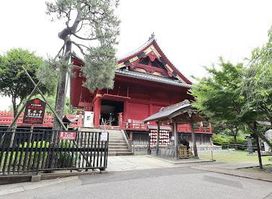
Discover tranquility at Kiyomizu Kannon-dō Temple in Ueno Park, a historic Buddhist sanctuary with beautiful architecture and serene views.