

Matsuchiyama Shoden, Tokyo Travel Guide
Discover tranquility at Matsuchiyama Shoden in Asakusa, a historic Buddhist temple known for its daikon radishes and peaceful atmosphere.
Escape the Asakusa crowds at Matsuchiyama Shoden, a serene Buddhist temple dating back to 601 AD. Dedicated to Kangi-ten, the Buddhist form of Ganesha, this temple is known for its daikon radish motifs, symbolizing health, harmony, and marital bliss. Enjoy the tranquil atmosphere and unique traditions of this hidden gem, offering a glimpse into Tokyo's rich cultural heritage.
A brief summary to Matsuchiyama Shoden
- 7 Chome-4-1 Asakusa, Taito City, 7 Chome Asakusa, Tokyo, 111-0032, JP
- Click to display
- Click to display
- Monday 6 am-4:30 pm
- Tuesday 6 am-4:30 pm
- Wednesday 6 am-4:30 pm
- Thursday 6 am-4:30 pm
- Friday 6 am-4:30 pm
- Saturday 6 am-4:30 pm
- Sunday 6 am-4:30 pm

Know before you go
Hi, I'm Eve. Here are a few practical things to know before exploring Matsuchiyama Shoden.
- Look for the hidden daikon radish motifs throughout the temple grounds, a fun Easter egg hunt!
- Visit on January 7th for the Daikon Matsuri festival and enjoy free cooked daikon and sake.
- Take the Sakura Rail monorail for an easier climb to the Main Hall, especially if you have mobility issues.
- Combine your visit with a stroll through Sumida Park and a visit to nearby Senso-ji Temple.
Do you manage this location?
Take control to get all the benefits, like improved information, better appearance, and stronger visibility across AI-powered discovery. Learn more about listing your business on Evendo
Activate your presenceOther nearby places you may find interesting
The closest places of the same kind, if this one is not quite what you had in mind.
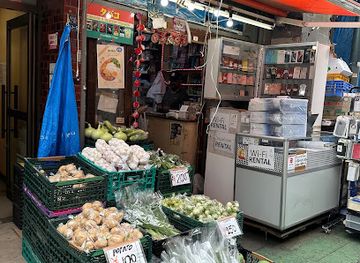
Explore Matsuchiyama Shoden on the Map
A handpicked selection of must-see spots near Matsuchiyama Shoden, mapped for you.
Unlock the Best of Matsuchiyama Shoden
Buy tickets
-
No tickets available
Book tours with entry


Book tours without entry

Getting There
-
Walking
From Asakusa Station (Ginza Line, Tobu Skytree Line, Asakusa Line), Matsuchiyama Shoden is approximately a 10-minute walk. Head north towards the Sumida River and follow the riverside path. You'll see the temple on a small hill overlooking the river. Alternatively, if you are coming from Senso-ji Temple, walk north for about 15 minutes. The temple is located near Imado Shrine. No costs are associated with walking.
-
Public Transport
Take bus #42 which stops a few streets behind the temple at the stop “Asakusa 7” 浅草七丁目(バス)and “Sumida Park Bus Stop” 隅田公園(バス). It is possible to take this bus to and from Asakusa Station. The fare for a single bus ride in Tokyo is ¥210 for adults.
-
Taxi
Taxis are readily available in Asakusa. A short taxi ride from Asakusa Station to Matsuchiyama Shoden would cost approximately ¥700-¥1000, depending on traffic and the exact route. The starting fare for a taxi in Asakusa is ¥470, with an additional ¥430 per kilometer.
Discover more about Matsuchiyama Shoden













Your all‑in‑one travel companion app
Explore expert travel guides, compare and book tours, experiences, hotels, and more—all from the palm of your hand. Download now for seamless trip planning wherever your wanderlust takes you.


Explore More of Tokyo
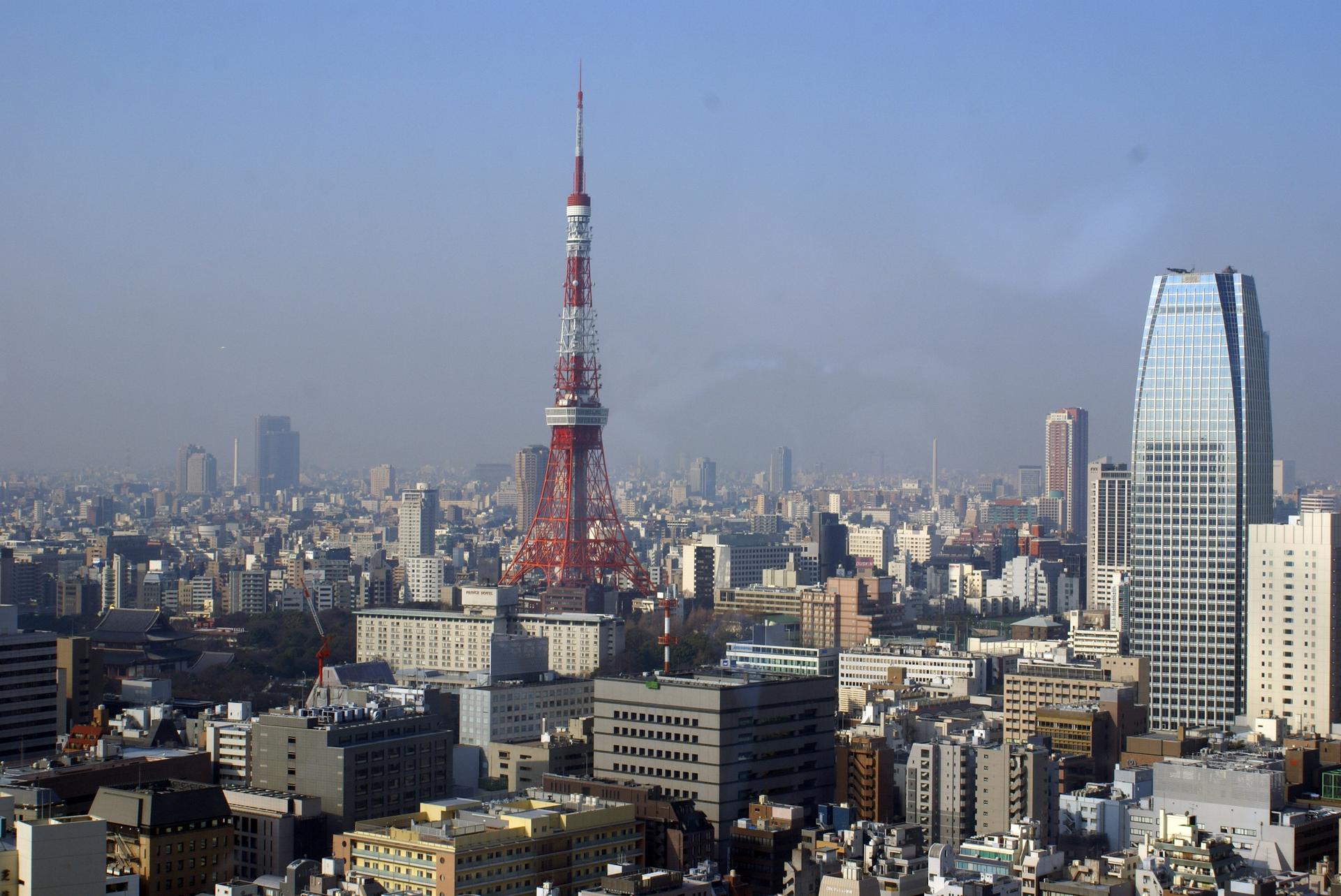
Looking beyond Matsuchiyama Shoden? Discover Tokyo for broader travel guides, local hot-spots, and regional highlights.
Explore Tokyo
Discover Tokyo's Ushijima Shrine: A serene escape with healing traditions and unique architecture in the heart of Sumida Park.

Witness the delicate art of Japanese candy sculpting at Amezaiku Ameshin, where molten sugar transforms into edible masterpieces in Asakusa.
