Banshoin Temple, Tsushima Travel Guide
Explore Banshoin Temple in Tsushima: A historic Buddhist sanctuary with serene gardens, ancient trees, and the So clan's family graveyard.
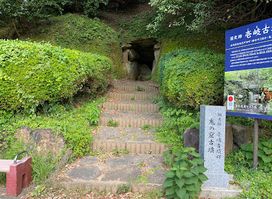
Banshoin Temple, nestled in Tsushima, Nagasaki, is a serene Buddhist temple with historical significance. Founded in 1615 as the family temple of the So clan, the former lords of Tsushima, it features a notable graveyard, the oldest structure on the island, and tranquil gardens, offering a peaceful retreat into Japanese history and culture.
A brief summary to Banshoin Temple
- 192 Izuharamachi Nishizato, Tsushima, Izuharamachi Nishizato, Nagasaki, 817-0015, JP
- Click to display
- Click to display
- Monday 8 am-5 pm
- Tuesday 8 am-5 pm
- Wednesday 8 am-5 pm
- Thursday 8 am-5 pm
- Friday 8 am-5 pm
- Saturday 8 am-5 pm
- Sunday 8 am-5 pm

Know before you go
Hi, I'm Eve. Here are a few practical things to know before exploring Banshoin Temple.
- Visit early in the morning or late afternoon for a quieter experience and better lighting for photography.
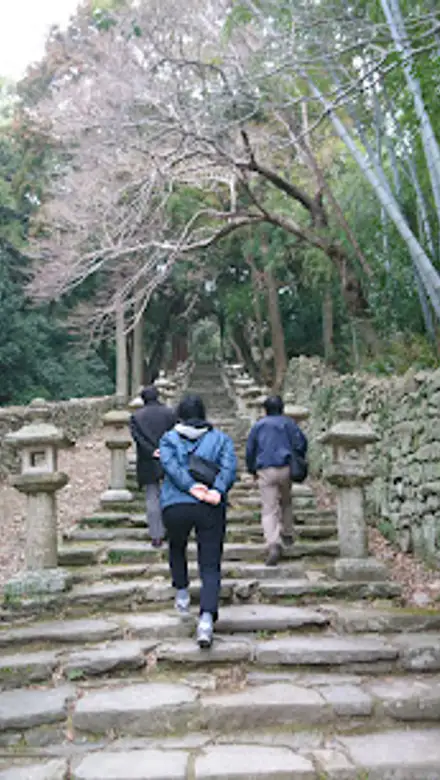
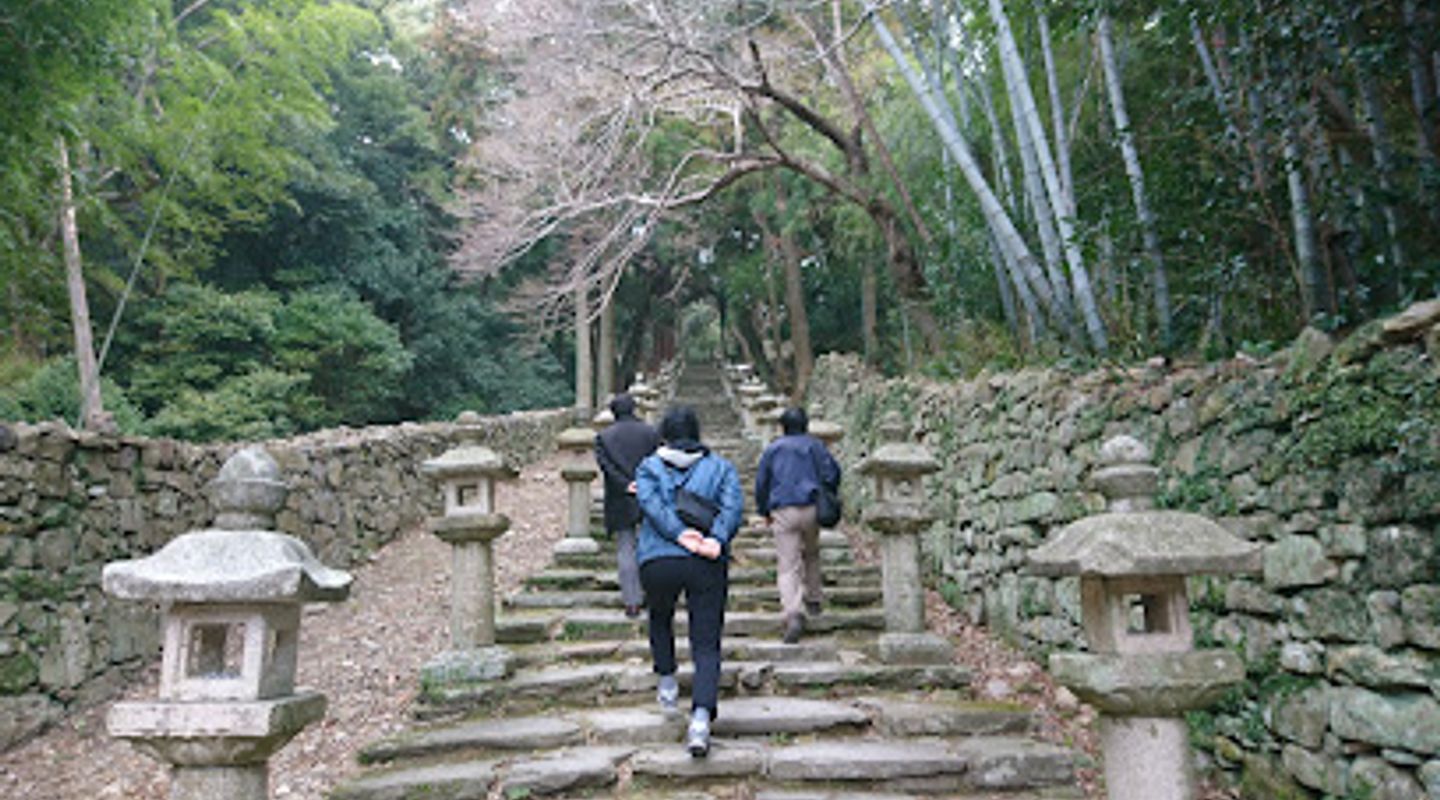
- Wear comfortable shoes, as you'll be climbing 132 stone steps to reach the cemetery.
- Check for any special events or ceremonies happening during your visit to enhance your experience.
Do you manage this location?
Take control to get all the benefits, like improved information, better appearance, and stronger visibility across AI-powered discovery. Learn more about listing your business on Evendo
Activate your presenceOther nearby places you may find interesting
The closest places of the same kind, if this one is not quite what you had in mind.
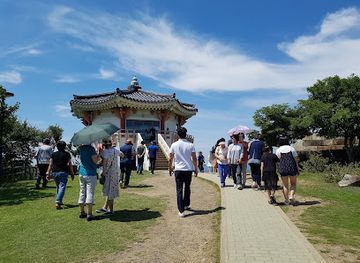
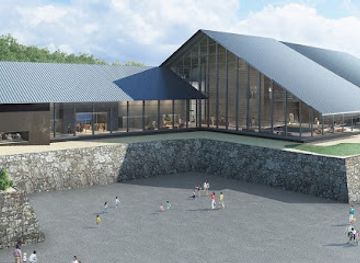
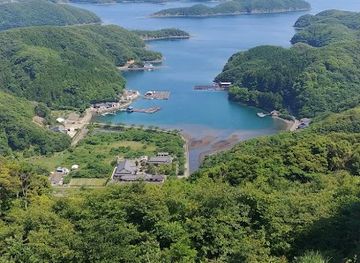
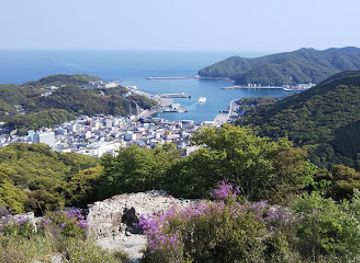
Explore Banshoin Temple on the Map
A handpicked selection of must-see spots near Banshoin Temple, mapped for you.
Getting There
-
Walking
From the Izuhara Port, Banshoin Temple is approximately a 15-minute walk. Head west on Nishizato Street, following signs for the temple. The route is straightforward, leading you through the town to the temple entrance, marked by an imposing flight of stairs. No costs are associated with walking.
-
Public Transport
Local buses are available in Tsushima, though they may be infrequent. Check the bus schedules for routes that pass near Banshoin Temple. From Izuhara Port, take a bus towards Nishizato. The bus fare is approximately ¥200-¥400. From the nearest bus stop, it's a short walk to the temple.
-
Taxi
Taxis are available from Izuhara Port. A taxi ride to Banshoin Temple will take around 5-10 minutes. The estimated fare is ¥700-¥1000. Confirm the fare with the driver before starting your journey.
-
Car
If driving, head towards the Izuharamachi area and follow Route 382. Look for signs directing you to Izuharamachi Nishizato, where Banshoin Temple is located at 192 Izuharamachi Nishizato. Parking is available near the temple, but it can fill up quickly during peak seasons. Parking fees may vary, with hourly rates around ¥200-¥400.
Discover more about Banshoin Temple













Your all‑in‑one travel companion app
Explore expert travel guides, compare and book tours, experiences, hotels, and more—all from the palm of your hand. Download now for seamless trip planning wherever your wanderlust takes you.


Explore More of Tsushima
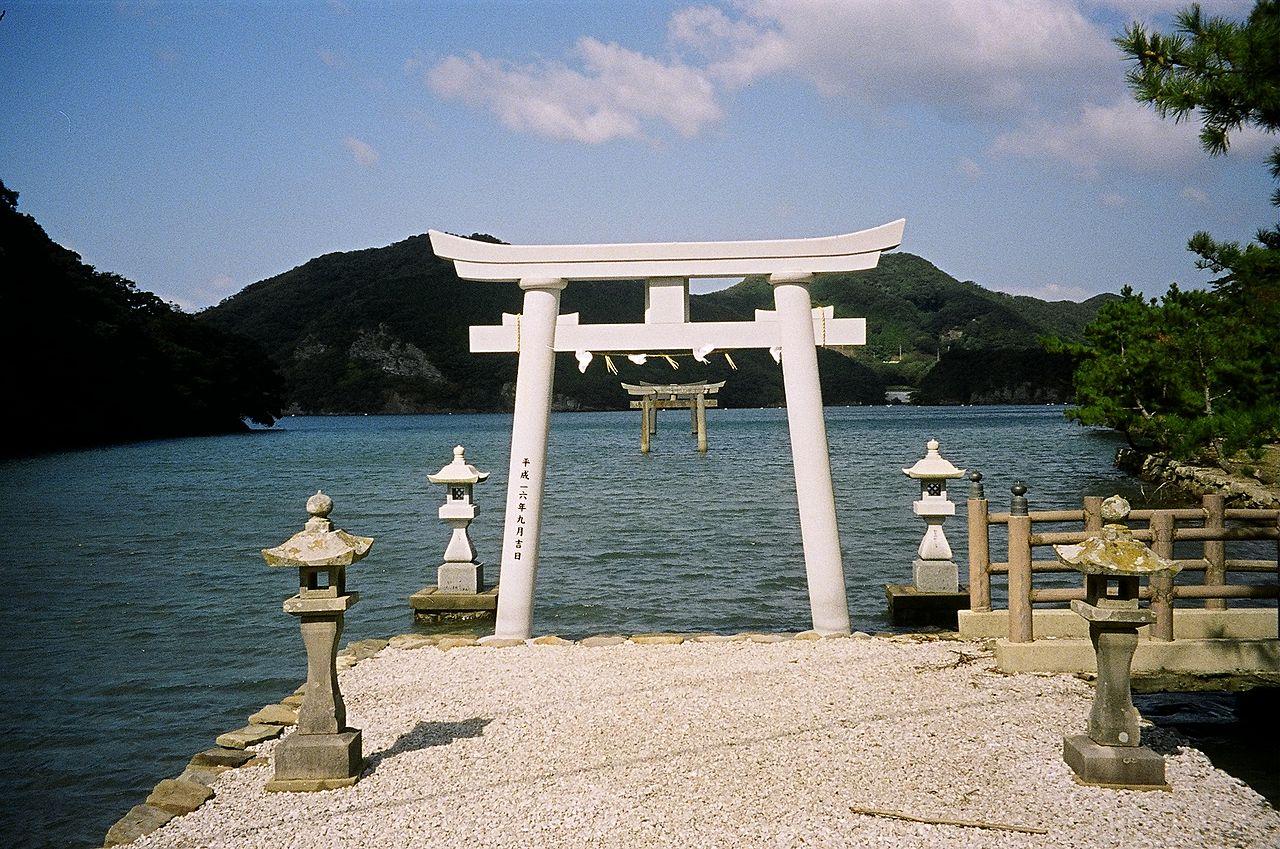
Looking beyond Banshoin Temple? Discover Tsushima for broader travel guides, local hot-spots, and regional highlights.
Explore Tsushima