
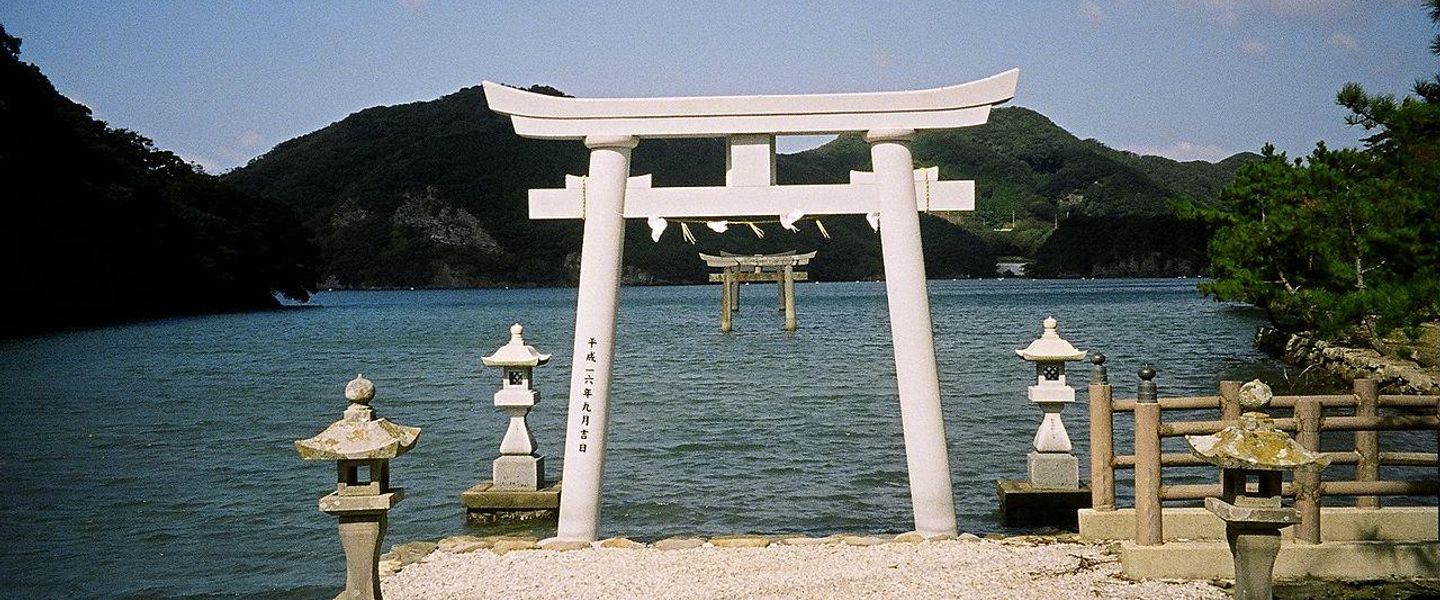
Tsushima, Japan Travel Guide
Discover Tsushima: A blend of history, culture, and untouched nature, offering pristine beaches, lush forests, ancient temples, and authentic Japanese island life.
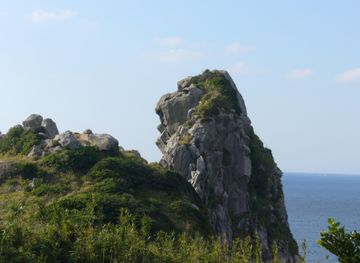
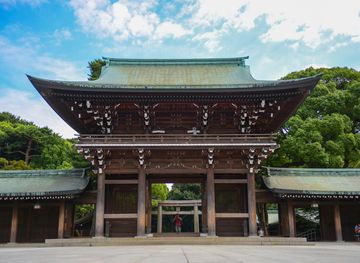
Tsushima, an island located in the Tsushima Strait between Japan and South Korea, is a hidden gem that offers a unique blend of history, culture, and natural beauty. This island is known for its untouched landscapes, ancient temples, and historical significance, making it an ideal destination for tourists looking to explore a less-traveled path in Japan. The island's rugged coastline is dotted with beautiful beaches and clear blue waters, perfect for swimming, snorkeling, and kayaking. Tsushima's lush forests and mountainous terrain are ideal for hiking and nature walks, with trails that lead to breathtaking viewpoints and hidden shrines. Wildlife enthusiasts will be delighted by the island's diverse flora and fauna, including the Tsushima leopard cat, a rare and endangered species. Tsushima is also rich in history. The island played a crucial role in the Mongol invasions of Japan in the 13th century, and visitors can explore historical sites such as the Kaneda Castle ruins and the Watazumi Shrine. The island's cultural heritage is preserved in its local festivals, traditional crafts, and cuisine, offering tourists an authentic experience of Japanese island life.

Know before you go
Hi, I'm Eve. Here are a few practical things to know before exploring Tsushima.
- Visit between late spring and early autumn for the best weather and to enjoy outdoor activities.
- Rent a car or bike to explore the island at your own pace, as public transportation is limited.
- Try the local seafood delicacies, especially the fresh fish and shellfish caught in the surrounding waters.
- Don't miss the Tsushima Wildlife Conservation Center to learn more about the island's unique wildlife.
- Check out the local festivals for a vibrant cultural experience, especially the Taiko drum performances.
Explore Tsushima: Things to Do, Places to Eat, Hotels & More
Handpicked recommendations for top attractions, local dining, accommodations, and more

Top Attractions & Sightseeing in Tsushima
Top-rated picks
Best Attractions

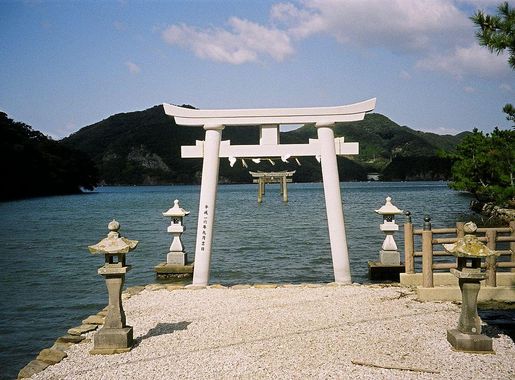
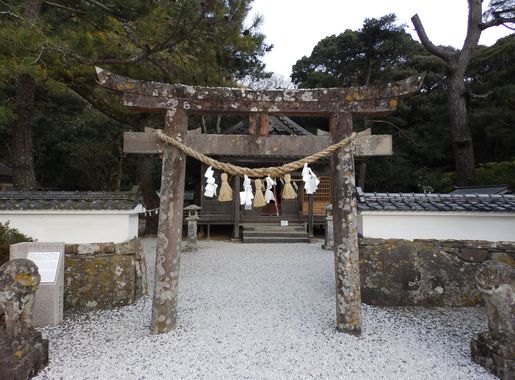
Watatsumi Shrine
Discover the spiritual essence of Tsushima at Watatsumi Shrine, a tranquil Shinto sanctuary surrounded by nature's beauty.

Banshoin Temple
Explore Banshoin Temple in Tsushima: A historic Buddhist sanctuary with serene gardens, ancient trees, and the So clan's family graveyard.

Mount Eboshi Observatory
Experience breathtaking 360° views from Mount Eboshi Observatory in Tsushima, Nagasaki. See the ria coastline, Aso Bay, and even South Korea on a clear day!

Tennogawa Park
Discover seasonal beauty at Tennogawa Park in Aichi, Japan, with stunning wisteria displays, tranquil ponds, and picturesque walking paths.

Best landmarks in Tsushima
Top-rated picks
Best Landmarks

Observation Deck for Korean Peninsula
Discover stunning views and rich history at the Observation Deck for Korean Peninsula in Tsushima, a perfect blend of nature and culture.

Banshoin Temple
Immerse yourself in the serene beauty and spiritual heritage of Banshoin Temple on Tsushima Island, a must-visit for cultural enthusiasts and nature lovers.

Fureai Dokoro Tsushima
Explore Tsushima Island through Fureai Dokoro Tsushima, your essential tourist information center for local insights and unforgettable experiences.

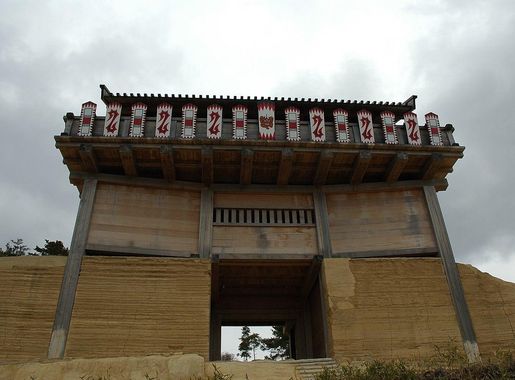
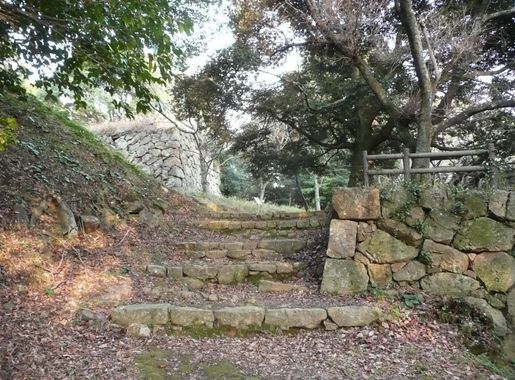
Kaneda Fortress Ruins
Uncover the historical treasures of Kaneda Fortress Ruins in Tsushima, a captivating landmark steeped in Japan's rich history and natural beauty.

Best restaurants in Tsushima
Top-rated picks
Best Restaurants

Minato Sushi
Experience authentic Japanese flavors at Minato Sushi in Tsushima - a perfect blend of tradition and freshness awaits you.
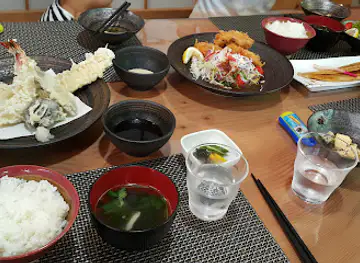
Anago-tei
Experience authentic Japanese cuisine at Anago-tei, specializing in exquisite conger eel dishes in scenic Tsushima.

Sinichi
Experience authentic Japanese cuisine at Sushi Shinichi in Tsushima – where every bite tells a story.

Sakanaya En
Experience authentic Japanese cuisine at Sakanaya En in Tsushima - where every dish tells a story.

Best bars in Tsushima
Top-rated picks
Best Bars

Loire Hamburger & Steakhouse
Savor the best steak and gourmet burgers in Tsushima at Loire Hamburger & Steakhouse, where quality meets taste in a cozy setting.

風音家
Experience authentic Japanese flavors and a cozy atmosphere at 風音家, a must-visit bar and restaurant in Tsushima, Nagasaki.
센료: 이즈하라 이자까야
Immerse yourself in the authentic izakaya experience at 센료: 이즈하라 이자까야 in Tsushima, Nagasaki, where local flavors come alive.
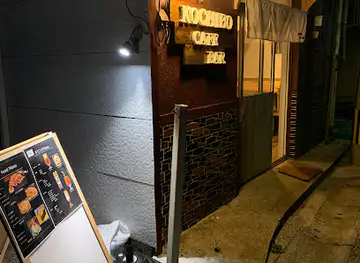
kochibo cafe&bar(こちぼカフェ&バー)
Discover the unique flavors of Kochibo Cafe & Bar in Tsushima, where grilled delights meet a cozy, late-night atmosphere.

Best nightclubs in Tsushima
Top-rated picks
Best Nightclubs

TK
Discover the electrifying ambiance and diverse crowd at TK Nightclub, a highlight of Tokyo's vibrant nightlife scene.

Kujira Entertainment
Experience Tokyo's nightlife at Kujira Entertainment, where exquisite cocktails meet live performances in the heart of Shinjuku's Kabukicho.

Ammona
Experience the vibrant nightlife of Osaka at Ammona, a premier night club offering music, dancing, and a taste of local culture.

V2 TOKYO
Dive into the electrifying nightlife of Tokyo at V2 TOKYO, where great music meets vibrant energy in the heart of Roppongi.

Best shops in Tsushima
Top-rated picks
Best Shops

Izuhara Shopping Center Tiara
Discover unique shopping and local culture at Izuhara Shopping Center Tiara in Tsushima, Nagasaki, a must-visit destination for tourists.

Direx Mitsushima
Explore the vibrant selection at Direx Mitsushima in Tsushima, where affordable prices meet local treasures and unique souvenirs.

MaxValu tsushimaizuhara
Experience the local flavors of Tsushima at MaxValu, your go-to grocery store for authentic Japanese ingredients and products.

DAISO
Explore DAISO in Tsushima for a budget-friendly shopping adventure filled with unique finds and everyday essentials.

Explore Tsushima on the Map
A handpicked selection of must-see spots in Tsushima, mapped for you.
Tsushima Essentials
-
Tsushima is accessible by both air and sea. The nearest major airport is Fukuoka Airport, from where you can take a domestic flight to Tsushima Airport. Alternatively, you can take a ferry from Hakata Port in Fukuoka or from Karatsu in Saga Prefecture. The ferry ride offers scenic views and takes about 2.5 to 4 hours depending on the type of service.
-
Tsushima is a relatively small island, and transportation options include buses, taxis, and rental cars. The island has a public bus system that connects major towns and tourist spots. However, for more flexibility and convenience, renting a car is recommended. Bicycles can also be rented for shorter distances and provide a more immersive way to explore the island.
-
The official currency in Japan is the Japanese Yen (JPY). Credit cards are accepted in larger hotels, restaurants, and stores, but it is advisable to carry cash, especially in smaller establishments and rural areas like Tsushima. ATMs are available in convenience stores and banks, but make sure to withdraw enough cash before heading to more remote areas.
-
Tsushima is generally a safe destination for tourists. Crime rates are low, but it is always advisable to take standard precautions. Avoid leaving your belongings unattended and be cautious in crowded areas. There are no specific high-crime areas targeting tourists, but it is always best to stay vigilant and aware of your surroundings.
-
In case of emergency, dial 119 for medical emergencies or fire, and 110 for police assistance. Tsushima has medical facilities and a local police station to assist tourists. It is recommended to have travel insurance that covers medical emergencies. For minor health issues, pharmacies are available where you can purchase over-the-counter medications.
-
Fashion: Do dress modestly, especially when visiting religious sites. Avoid wearing revealing clothing. Religion: Do respect local customs and traditions. Remove your shoes when entering temples and shrines. Public Transport: Do be respectful and give up your seat to elderly passengers. Don’t speak loudly or eat and drink on public transport. Greetings: Do greet people with a slight bow and a polite greeting. Handshakes are less common but acceptable. Eating & Drinking: Do try local delicacies and accept food offerings graciously. Don’t leave food on your plate, as it is considered wasteful.
-
To experience Tsushima like a local, visit the local markets where you can buy fresh seafood and traditional Japanese goods. Engage with locals; they are often friendly and willing to share stories about the island’s history and culture. Don’t miss visiting important historic sites such as Watatsumi Shrine and the ruins of Kaneda Castle. For a unique experience, take a boat tour to explore the island’s coastline and hidden coves.
When is the best time to visit Tsushima?
Useful Local Phrases for Tsushima
You don't need to speak the language perfectly. Even learning a few simple words can make conversations warmer—and locals usually appreciate the effort.
— Eve

Here are the phrases I use most often in Tsushima. Try a few—you'll be surprised how far they go! 😊
❤️
-
- Helloこんにちは
[Konnichiwa] - Goodbyeさようなら
[Sayōnara] - Yesはい
[Hai] - Noいいえ
[Iie] - Please/You're welcomeどうぞ
[Dōzo] - Thank youありがとう
[Arigatou] - Excuse me/Sorryすみません
[Sumimasen] - How are you?お元気ですか?
[Ogenki desu ka?] - Fine. And you?元気です。あなたは?
[Genki desu. Anata wa?] - Do you speak English?英語が話せますか?
[Eigo ga hanasemasu ka?] - I don't understandわかりません
[Wakarimasen]
- Helloこんにちは
-
- I'd like to see the menu, pleaseメニューを見せてください
[Menyū o misete kudasai] - I don't eat meat肉は食べません
[Niku wa tabemasen] - Cheers!乾杯!
[Kanpai!] - I would like to pay, please支払いをお願いします
[Shiharai o onegaishimasu]
- I'd like to see the menu, pleaseメニューを見せてください
-
- Help!助けて!
[Tasukete!] - Go away!どいて!
[Doite!] - Call the Police!警察を呼んで!
[Keisatsu o yonde!] - Call a doctor!医者を呼んで!
[Isha o yonde!] - I'm lost道に迷いました
[Michi ni mayoimashita] - I'm ill具合が悪いです
[Guai ga warui desu]
- Help!助けて!
-
- I'd like to buy...…を買いたいです
[… o kaitai desu] - I'm just looking見ているだけです
[Mite iru dake desu] - How much is it?これはいくらですか?
[Kore wa ikura desu ka?] - That's too expensiveそれは高すぎます
[Sore wa takasugimasu] - Can you lower the price?値下げできますか?
[Nesage dekimasu ka?]
- I'd like to buy...…を買いたいです
-
- What time is it?今何時ですか?
[Ima nanji desu ka?] - It's one o'clock1時です
[Ichi ji desu] - Half past (10)10時半です
[Jū ji han desu] - Morning朝
[Asa] - Afternoon午後
[Gogo] - Evening夕方
[Yūgata] - Yesterday昨日
[Kinō] - Today今日
[Kyō] - Tomorrow明日
[Ashita] - 11
[Ichi] - 22
[Ni] - 33
[San] - 44
[Shi] - 55
[Go] - 66
[Roku] - 77
[Nana] - 88
[Hachi] - 99
[Kyū] - 1010
[Jū]
- What time is it?今何時ですか?
-
- Where's a/the...?…はどこですか?
[… wa doko desu ka?] - What's the address?住所は何ですか?
[Jūsho wa nan desu ka?] - Can you show me (on the map)?地図で見せてくれますか?
[Chizu de misete kuremasu ka?] - When's the next (bus)?次の(バス)はいつですか?
[Tsugi no (basu) wa itsu desu ka?] - A ticket (to ....)…までの切符
[… made no kippu]
- Where's a/the...?…はどこですか?
History of Tsushima
-
The Mongol invasions of Japan were two significant military campaigns undertaken by the Yuan dynasty of China, led by Kublai Khan. Tsushima, located between Korea and Japan, was a strategic point and a primary target during the first invasion in 1274. The island witnessed fierce battles as the Mongol forces attempted to establish a foothold. Despite their initial successes, the Mongols were eventually repelled by the samurai warriors of Tsushima. The second invasion in 1281 saw even larger forces, but a combination of Japanese resistance and typhoons, known as 'kamikaze' or divine winds, thwarted the Mongol efforts once again.
-
During the 13th to 16th centuries, Tsushima was a hub for wako pirates, who were notorious for their raids along the coasts of Korea, China, and Japan. These pirates operated from bases on Tsushima and other islands in the region. The island's strategic location made it an ideal base for maritime activities. The wako were a mix of Japanese, Chinese, and Korean pirates, and their activities brought both wealth and conflict to Tsushima. The island's residents often had to defend themselves from these raiders, leading to the construction of fortifications and a warrior culture.
-
In the Edo period (1603-1868), Tsushima was governed by the Sō clan, who established the Tsushima Fuchū Domain. The Sō clan played a crucial role in Japan's foreign relations, especially with Korea. They managed trade and diplomatic missions between Japan and Korea, acting as intermediaries. The clan's seat was at Tsushima Fuchū castle, and their governance brought stability and economic development to the island. The Sō clan's efforts in maintaining peaceful relations and trade with Korea were vital for both countries during this period.
-
The Battle of Tsushima was a pivotal naval confrontation during the Russo-Japanese War (1904-1905). Fought near the Tsushima Strait, this battle saw the Japanese fleet, under Admiral Tōgō Heihachirō, decisively defeat the Russian Baltic Fleet. The victory established Japan as a formidable naval power and marked the first time an Asian nation had defeated a European power in modern warfare. The battle had significant implications for the balance of power in East Asia and heralded Japan's emergence as a major military power.
-
In contemporary times, Tsushima has transformed into a peaceful island known for its natural beauty, historical sites, and cultural heritage. The island is home to several Shinto shrines and Buddhist temples, including the revered Watatsumi Shrine. Tsushima's rich history is preserved in its museums and historical landmarks. The island also offers various outdoor activities, such as hiking and bird-watching, attracting nature enthusiasts and history buffs alike. The modern Tsushima serves as a bridge between its storied past and its vibrant present, making it a unique destination for travelers.
Neighbouring Regions of Tsushima
The closest regions to Tsushima, if you have time for more than one.


Your all‑in‑one travel companion app
Explore expert travel guides, compare and book tours, experiences, hotels, and more—all from the palm of your hand. Download now for seamless trip planning wherever your wanderlust takes you.


Explore More of Japan

Looking beyond Tsushima? Discover Japan for broader travel guides, local hot-spots, and regional highlights.
Explore JapanTsushima in Photos
Browse through our photo collection highlighting the charm and character of the destination.





Tsushima: The Enchanted Island of History and Nature
Tsushima, an island located in the Tsushima Strait between Japan and South Korea, is a hidden gem that offers a unique blend of history, culture, and natural beauty. This island is known for its untouched landscapes, ancient temples, and historical significance, making it an ideal destination for tourists looking to explore a less-traveled path in Japan. The island's rugged coastline is dotted with beautiful beaches and clear blue waters, perfect for swimming, snorkeling, and kayaking. Tsushima's lush forests and mountainous terrain are ideal for hiking and nature walks, with trails that lead to breathtaking viewpoints and hidden shrines. Wildlife enthusiasts will be delighted by the island's diverse flora and fauna, including the Tsushima leopard cat, a rare and endangered species. Tsushima is also rich in history. The island played a crucial role in the Mongol invasions of Japan in the 13th century, and visitors can explore historical sites such as the Kaneda Castle ruins and the Watazumi Shrine. The island's cultural heritage is preserved in its local festivals, traditional crafts, and cuisine, offering tourists an authentic experience of Japanese island life.