

Free Saint Martin Travel Guide & Mobile App
Explore Saint Martin with free travel guides. Discover regional history, expert tips, proposed trips, and audio guides on web or mobile app.


Explore Saint Martin in Jersey for clifftop walks, Mont Orgueil Castle, ancient monuments, sheltered bays and a distinctly rural island atmosphere.
Read more about Saint Martin
When is the best time to visit Saint Martin?
Best: June–August · 23–25°C| Month | High (°C) | Rainfall (mm) |
|---|---|---|
| January | 5 | 80 |
| February | 5 | 69 |
| March | 10 | 65 |
| April | 14 | 64 |
| May | 19 | 64 |
| June (best) | 23 | 72 |
| July (best) | 25 | 83 |
| August (best) | 24 | 89 |
| September | 21 | 87 |
| October | 16 | 84 |
| November | 11 | 89 |
| December | 6 | 88 |
Getting to and around Saint Martin
How to get there
Transportation
Destinations in Saint Martin
Resorts, valleys and scenic spots worth a trip of their own.
-

-
-


Swipe for more destinations
Best attractions in Saint Martin
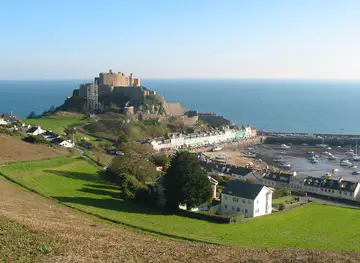
Saint Martin’s attractions bring together coastal scenery, military history, archaeology and rural Jersey. Mont Orgueil Castle is the parish’s principal heritage experience, with a complex sequence of towers, stairways, rooms and viewpoints above Gorey Harbour. Its interpretation explains how the fortress developed from a medieval stronghold into a later prison and historic monument. On the coast, walks around Fliquet, Archirondel and Rozel reveal cliffs, reefs, tidal rocks and purpose-built defences, including the distinctive Archirondel Tower. The Dolmen of Faldou adds a prehistoric dimension and shows that the parish’s importance predates the medieval castle by thousands of years. Saint Martin’s country lanes, granite walls, farmhouses and fields are attractions in their own right for walkers and cyclists, while beaches and coves are best enjoyed with careful attention to tides. The harbour at Gorey provides a more compact mix of boats, historic buildings, cafés and castle views. Saint Martin is less about large-scale entertainment than about combining several modest but significant sites into an itinerary shaped by landscape, weather and the sea.
-
Castle
Mont Orgueil Castle
Explore an 800-year-old medieval fortress with stunning views of Jersey and the French coast. Discover hidden treasures and gruesome tales!
-
Tourist attraction
Jersey Zoo
Explore Jersey Zoo, where wildlife conservation meets natural beauty in a serene environment for all ages.
-
 Park
Durrell Wildlife Camp
Experience a wild glamping adventure at Durrell Wildlife Camp, with exclusive access to Jersey Zoo and its amazing animals.
-
Maritime museum
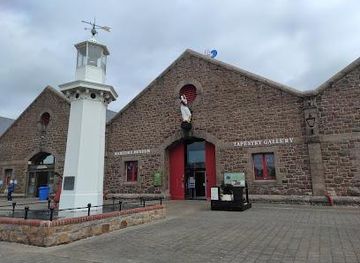
Maritime Museum & Occupation Tapestry Gallery
Explore the Maritime Museum & Occupation Tapestry Gallery in St Helier, Jersey, and delve into the island's captivating nautical history and wartime experiences.


Best landmarks in Saint Martin
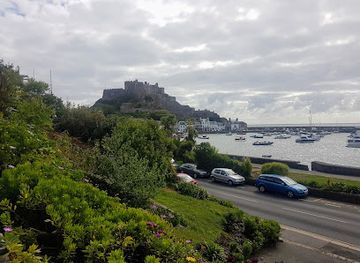
Mont Orgueil Castle is Saint Martin’s defining landmark, occupying a fortified height above Gorey and presenting one of the most recognisable historic silhouettes in Jersey. Its towers, curtain walls and elevated position reflect the island’s medieval role as a frontier territory facing Normandy. Archirondel Tower is the parish’s most distinctive maritime landmark: standing on a rock beyond the eastern shore, it forms a striking point of reference at changing stages of the tide and belongs to Jersey’s wider network of coastal defences. The Dolmen of Faldou offers a very different kind of landmark, its prehistoric stones preserving evidence of ceremonial activity long before the castle or parish churches existed. Saint Martin’s Church and the surrounding village add a quieter architectural focus, while granite farmhouses, enclosed fields and sunken lanes give the inland landscape its enduring rural form. Seen together, these places chart the parish’s development from prehistoric settlement through medieval defence to a modern community shaped by farming and the sea.
-
Tourist attraction
Jersey War Tunnels
Explore Jersey War Tunnels: A historical museum that reveals the untold stories of World War II on the island.
-
Castle
Mont Orgueil Castle
Discover the rich history and stunning views at Mont Orgueil Castle, a captivating landmark in Jersey's enchanting coastal landscape.
-
Castle
Elizabeth Castle
Discover the rich history and stunning views of Elizabeth Castle, a must-visit historical landmark in St. Helier, Jersey's captivating coast.
-
Park
Howard Davis Park
Explore the beauty of Howard Davis Park, a tranquil oasis in Jersey filled with vibrant gardens, serene pathways, and cultural treasures.



Explore Saint Martin on the map
Plan your trip on one map. See where the top cities, national parks and sights are, and book hotels and experiences in a few clicks.
Best hotels in Saint Martin
Best restaurants in Saint Martin
Dining in Saint Martin reflects Jersey’s island-wide relationship with the sea, farms and seasonal produce. Restaurants, cafés, pubs and harbour establishments may feature local seafood, crab, lobster, mussels and freshly landed fish when available, alongside Jersey dairy products, vegetables and the island’s famous Jersey Royal potatoes. Farm shops and food outlets in the parish are useful for picnic provisions, local preserves, baked goods and other regional produce. Gorey offers the strongest concentration of places to eat in a scenic setting, while rural establishments around the parish tend to have a quieter, more informal character. Menus are not exclusively traditional: contemporary cooking, British favourites and international dishes are also common. Visitors should distinguish between foods genuinely sourced in Jersey and dishes simply described as local, since the island’s culinary identity is often expressed through ingredients and farming heritage rather than a single signature cuisine.
-
Castle
Mont Orgueil Castle
Discover Mont Orgueil Castle: A historic gem in Jersey offering stunning views and rich heritage that will captivate every traveler.
-
Hotel
Radisson Blu Waterfront Hotel, Jersey
Experience luxury at Radisson Blu Waterfront Hotel in Jersey – where stunning views meet exceptional comfort for your perfect getaway.
-
Fast Food
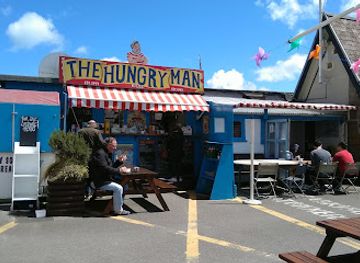
The Hungry Man
Discover delicious fast food at The Hungry Man in Jersey - where local flavors meet hearty meals in a friendly atmosphere.
-
Restaurant
Quayside Bistro & Grill
Discover fresh seafood delights at Quayside Bistro & Grill, where culinary excellence meets breathtaking waterfront views in St Helier.


Best bars in Saint Martin
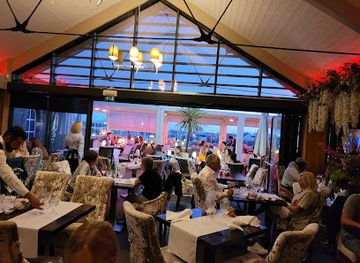
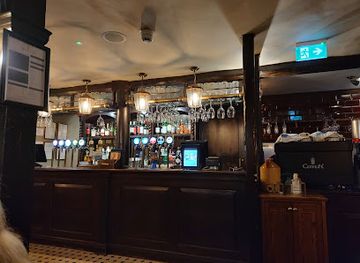
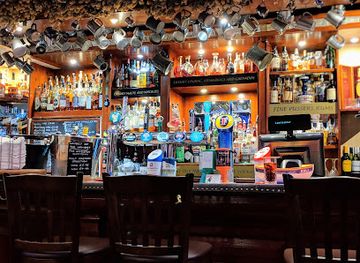
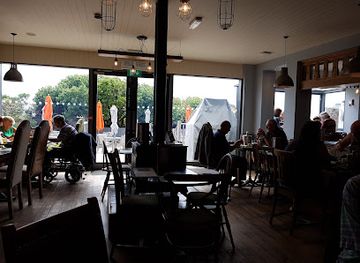
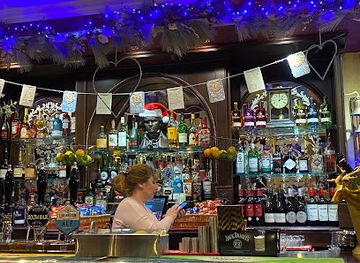
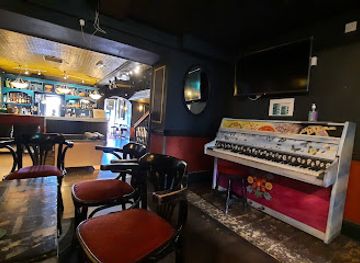
Saint Martin’s evening life is relatively low-key and centres on pubs, hotel bars, restaurants and the harbour atmosphere around Gorey rather than a large nightclub scene. Traditional pubs provide the most established social setting, often serving local and British drinks alongside food, while restaurants offer a quieter option for an evening near the coast. Gorey is generally the parish’s most convenient area for combining dinner with a drink, although it should not be confused with the busier nightlife found in Saint Helier outside Saint Martin. Rural evenings are quieter, and visitors staying in the parish should check transport arrangements before drinking away from their accommodation, as late connections may be limited. Seasonal activity can increase around the harbour and during periods of good weather, but opening arrangements vary and should be checked directly.
-
Pub
The Cock & Bottle
Experience the perfect blend of traditional pub charm and modern gastronomy at The Cock & Bottle in St Helier, Jersey.
-
Pub
The Lamplighter
Discover the charm of The Lamplighter, a cozy pub in St Helier, Jersey, perfect for enjoying local drinks and hearty meals in a friendly atmosphere.
-
Restaurant
White Horse Pub & Dining
Discover the cozy ambiance and delicious flavors of White Horse Pub & Dining, a perfect gastropub in St. Saviour, Jersey, for all food enthusiasts.
-
Pub
Old Smugglers Inn
Discover the unique blend of local charm and culinary delights at Old Smugglers Inn, a must-visit pub in the heart of Jersey.

Best nightclubs in Saint Martin
Saint Martin’s evening life is relatively low-key and centres on pubs, hotel bars, restaurants and the harbour atmosphere around Gorey rather than a large nightclub scene. Traditional pubs provide the most established social setting, often serving local and British drinks alongside food, while restaurants offer a quieter option for an evening near the coast. Gorey is generally the parish’s most convenient area for combining dinner with a drink, although it should not be confused with the busier nightlife found in Saint Helier outside Saint Martin. Rural evenings are quieter, and visitors staying in the parish should check transport arrangements before drinking away from their accommodation, as late connections may be limited. Seasonal activity can increase around the harbour and during periods of good weather, but opening arrangements vary and should be checked directly.
-
Live music bar
Blue Note Bar
Discover the lively Blue Note Bar in St Helier, Jersey – your destination for live music, great drinks, and unforgettable nights.
-
Pub
The Royal
Discover the heart of Jersey at The Royal, a cozy pub offering local dishes and drinks in a friendly atmosphere.
-
Bar
The Troubadour
Experience the vibrant nightlife at The Troubadour, a cozy bar in St Helier known for its great drinks and live music.
-
Pub
The Trafalgar Inn - Live Music and Sports Pub in St Aubin, Jersey
Experience the lively spirit of Jersey at The Trafalgar Inn, your go-to spot for live music, sports, and local brews in St Aubin.


Best shops in Saint Martin
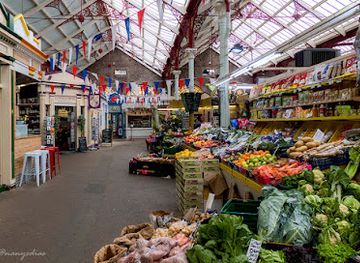
Shopping in Saint Martin is modest in scale and concentrated around Gorey, where visitors find small shops, cafés and places selling practical goods and souvenirs close to the harbour and Mont Orgueil Castle. The parish is better suited to buying local food than to major retail excursions: farm shops and island producers may offer Jersey Royal potatoes in season, dairy products, preserves, vegetables, baked goods and other provisions. Craft items, postcards, books and heritage-themed gifts are available around the castle and harbour, though selection varies seasonally. For broader high-street shopping, department stores, specialist retailers and larger supermarkets, visitors generally travel to Saint Helier outside the parish. The most meaningful purchases from Saint Martin are usually edible or locally made rather than mass-produced souvenirs, and visitors should check whether fresh produce or liquids can be carried through their next destination’s customs arrangements.
-
Gift shop
Jersey Market
Discover unique crafts, gifts, and local delicacies at Jersey Market, a vibrant hub in St Helier, Jersey.
-
Shopping mall
Liberty Wharf Shopping Centre
Explore Liberty Wharf Shopping Centre, St Helier's premier shopping destination with a unique blend of local boutiques and dining options.
-
Farm shop
Rondels Farm Shop
Explore fresh local produce and artisanal goods at Rondels Farm Shop in the heart of Jersey. A true taste of island agriculture awaits you.
-
Charity
Durrell Charity Shop
Shop for a cause at Durrell Charity Shop in Jersey Zoo, where every purchase supports wildlife conservation and sustainability.


Get your free copy of our complete guide to Saint Martin, delivered straight to you.
Everything on this page, from attractions and restaurants to essentials and local phrases, in one PDF you can read offline, print or share.
Already have an account? Sign in
Your Saint Martin guide is ready.
We'll send it to · Not you? Sign out

Getting your guide ready…
We are putting together a fresh copy of the Saint Martin guide. This can take up to a minute.
This can take a few moments. If your browser asks, choose Allow so the download can start. You'll find the guide in your Downloads folder.
Nothing happened? Download it again
Sorry, the guide is taking longer than usual. Please try again in a minute, or get it by email instead.
Saint Martin essentials
Currency and Payment
Safety
Emergency Situations
Do's and Don'ts
Local Tips
From Eve
Local phrases worth knowing
You don't need to get them perfect. A few words go a long way, and locals appreciate the effort.
Basics
| English | Local | Say it |
|---|---|---|
| Hello | Hello | [Hello] |
| Goodbye | Goodbye | [Goodbye] |
| Yes | Yes | [Yes] |
| No | No | [No] |
| Please/You're welcome | Please/You're welcome | [Please/You're welcome] |
| Thank you | Thank you | [Thank you] |
| Excuse me/Sorry | Excuse me/Sorry | [Excuse me/Sorry] |
| How are you? | How are you? | [How are you?] |
| Fine. And you? | Fine. And you? | [Fine. And you?] |
| Do you speak English? | Do you speak English? | [Do you speak English?] |
| I don't understand | I don't understand | [I don't understand] |
Eating & Drinking
| English | Local | Say it |
|---|---|---|
| I'd like to see the menu, please | I'd like to see the menu, please | [I'd like to see the menu, please] |
| I don't eat meat | I don't eat meat | [I don't eat meat] |
| Cheers! | Cheers! | [Cheers!] |
| I would like to pay, please | I would like to pay, please | [I would like to pay, please] |
Emergencies
| English | Local | Say it |
|---|---|---|
| Help! | Help! | [Help!] |
| Go away! | Go away! | [Go away!] |
| Call the Police! | Call the Police! | [Call the Police!] |
| Call a doctor! | Call a doctor! | [Call a doctor!] |
| I'm lost | I'm lost | [I'm lost] |
| I'm ill | I'm ill | [I'm ill] |
Shopping
| English | Local | Say it |
|---|---|---|
| I'd like to buy... | I'd like to buy... | [I'd like to buy...] |
| I'm just looking | I'm just looking | [I'm just looking] |
| How much is it? | How much is it? | [How much is it?] |
| That's too expensive | That's too expensive | [That's too expensive] |
| Can you lower the price? | Can you lower the price? | [Can you lower the price?] |
Time & Numbers
| English | Local | Say it |
|---|---|---|
| What time is it? | What time is it? | [What time is it?] |
| It's one o'clock | It's one o'clock | [It's one o'clock] |
| Half past (10) | Half past (10) | [Half past (10)] |
| Morning | Morning | [Morning] |
| Afternoon | Afternoon | [Afternoon] |
| Evening | Evening | [Evening] |
| Yesterday | Yesterday | [Yesterday] |
| Today | Today | [Today] |
| Tomorrow | Tomorrow | [Tomorrow] |
| 1 | 1 | [1] |
| 2 | 2 | [2] |
| 3 | 3 | [3] |
| 4 | 4 | [4] |
| 5 | 5 | [5] |
| 6 | 6 | [6] |
| 7 | 7 | [7] |
| 8 | 8 | [8] |
| 9 | 9 | [9] |
| 10 | 10 | [10] |
Transport & Directions
| English | Local | Say it |
|---|---|---|
| Where's a/the...? | Where's a/the...? | [Where's a/the...?] |
| What's the address? | What's the address? | [What's the address?] |
| Can you show me (on the map)? | Can you show me (on the map)? | [Can you show me (on the map)?] |
| When's the next (bus)? | When's the next (bus)? | [When's the next (bus)?] |
| A ticket (to ....) | A ticket (to ....) | [A ticket (to ....)] |
History of Saint Martin
Neolithic Settlement and the Dolmen of Faldou
The Dolmen of Faldou provides evidence of prehistoric burial and ceremonial activity in what is now Saint Martin. Built during the Neolithic period from large stones, the monument belongs to a wider megalithic tradition found across the Channel Islands, Brittany and parts of southern Britain. Its survival shows that Jersey’s landscape was being actively used and understood by farming communities long before written records. The monument is modest in scale compared with some better-known megaliths, but it is important for the way it places Saint Martin within the ancient maritime culture of the western English Channel.
The Medieval Parish and Mont Orgueil
During the medieval period, Jersey’s position close to Normandy made it strategically valuable and politically contested. Mont Orgueil Castle, above Gorey Harbour, developed as the island’s principal fortress after the loss of Normandy by the English Crown in the early thirteenth century. Its main role was to defend the eastern approach and provide a stronghold for the island’s governors and garrison. The castle was repeatedly altered as military technology changed, and its surviving towers, walls and domestic spaces preserve the layered history of medieval and early modern Jersey.
Gorey Harbour and Jersey’s Maritime Position
Gorey’s sheltered anchorage helped Saint Martin participate in Jersey’s maritime economy, linking the parish to fishing, coastal trade and the movement of people across the Channel. Its proximity to the French coast also made the eastern side of Jersey a sensitive frontier. Harbour activity varied over time according to changing trade patterns, naval priorities and relations with France. Today, the village and harbour retain a strong visual connection with the sea, while Mont Orgueil remains a physical reminder that commerce and defence were closely connected in Jersey’s past.
Agriculture and the Formation of the Rural Landscape
For centuries, Saint Martin’s economy was shaped by small farms, livestock, orchards and arable cultivation. Traditional farmhouses, granite walls, sunken lanes and enclosed fields reflect this long agricultural history. Jersey’s dairy industry became especially important during the nineteenth century, while the island’s distinctive early potato trade later transformed farming and strengthened links with British markets. Although modern development and tourism have changed parts of the parish, agriculture remains visible in its fields, lanes and working farms, giving Saint Martin a different character from the more urbanised centre of Jersey.
Coastal Defences and Archirondel Tower
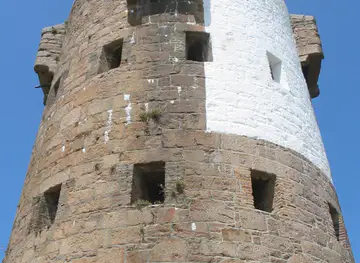
Jersey’s exposed position led to the construction and reinforcement of coastal defences over several centuries. Archirondel Tower, built on a tidal rock off the eastern coast, belongs to this defensive tradition and was designed to help control access from the sea. Its location illustrates the practical challenges of defending a rugged shoreline, where reefs, tides and changing channels were as important as walls and guns. The tower now functions primarily as a landmark, but it remains part of the military landscape that developed as Jersey faced repeated threats from France.
The German Occupation, 1940–1945
Jersey was occupied by German forces during the Second World War, and Saint Martin, like the rest of the island, was drawn into an extensive system of military construction. Bunkers, observation positions and other defensive works were built along the coast as part of Hitler’s Atlantic Wall. The occupation affected daily life through restrictions, requisitioning and shortages, while the island’s strategic location made it a fortified outpost. Remnants of the period remain in the wider coastal landscape, offering a sobering modern layer beside medieval fortifications and much older monuments.
Saint Martin in Photos
Browse through our photo collection highlighting the charm and character of the destination.
Neighbouring regions of Saint Martin
The closest regions to Saint Martin, if you have time for more than one.
-

-

-
-

-


Swipe for more regions
Explore more

Explore more of Jersey
Discover the charm of Jersey, the largest Channel Island, with its stunning landscapes, rich history, and a delightful blend of British and French cultures.
Explore Jersey