

Free Saint Clément Travel Guide & Mobile App
Explore Saint Clément with free travel guides. Discover regional history, expert tips, proposed trips, and audio guides on web or mobile app.


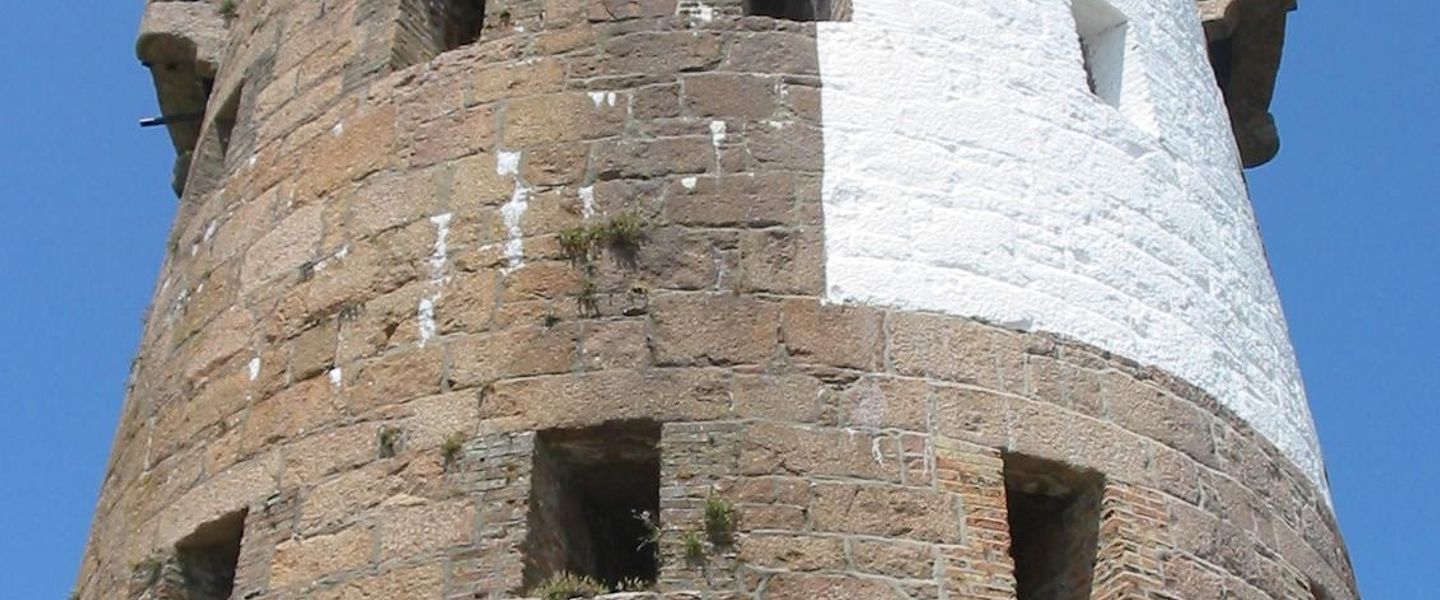


Explore Saint Clément in Jersey for tidal beaches, coastal towers, prehistoric heritage, manor gardens and quiet lanes beside the sea.
Read more about Saint Clément
When is the best time to visit Saint Clément?
Best: June–August · 20–23°C| Month | High (°C) | Rainfall (mm) |
|---|---|---|
| January | 3 | 80 |
| February | 3 | 75 |
| March | 7 | 70 |
| April | 11 | 65 |
| May | 16 | 60 |
| June (best) | 20 | 55 |
| July (best) | 23 | 60 |
| August (best) | 22 | 65 |
| September | 20 | 70 |
| October | 15 | 75 |
| November | 10 | 80 |
| December | 5 | 85 |
Getting to and around Saint Clément
How to get there
Transportation
Top city travel guides in Saint Clément
The cities of Saint Clément, and the easiest places to base yourself.
-

-


Swipe for more cities
Destinations in Saint Clément
Resorts, valleys and scenic spots worth a trip of their own.

Swipe for more destinations
Best attractions in Saint Clément
Saint Clément’s attractions centre on the meeting of tidal coast, agricultural heritage and long human settlement. Samarès Manor is the parish’s principal heritage attraction, combining a historic manor setting with gardens and cultivated grounds that illuminate Jersey’s horticultural and farming traditions. On the shore, Le Hocq offers a coastal tower, harbour scenery and a beach whose character changes with the tide, while La Rocque provides a more openly maritime setting of rocks, sand and small-scale harbour activity. Green Island is an intertidal destination rather than a conventional beach excursion, and access should be planned carefully around the tide. Inland lanes lead towards the parish church, farmsteads and the prehistoric dolmen at Mont Ube, connecting present-day Saint Clément with its medieval and Neolithic past. Walking, birdwatching, coastal photography and gentle cycling are the main outdoor pursuits; the area is less about large visitor complexes than about reading its landscape through changing light, tides, architecture and surviving traces of Jersey’s rural and defensive history.
-
Tourist attraction
The Botanic Gardens at Samarès Manor
Explore the stunning Botanic Gardens at Samarès Manor, a blend of nature, history, and culinary delights in the heart of Jersey.
-
Maritime museum
Maritime Museum & Occupation Tapestry Gallery
Discover Jersey's maritime heritage and the poignant stories of its occupation through captivating exhibits at the Maritime Museum & Occupation Tapestry Gallery.
-
Local history museum
La Hougue Bie Museum
Explore Jersey's rich history at La Hougue Bie Museum, featuring ancient artifacts, stunning landscapes, and immersive exhibits that bring the past to life.
-
Protestant church
St Brelade's Parish Church
Experience the tranquil beauty and rich history of St Brelade's Parish Church, an architectural gem on the stunning island of Jersey.


Best landmarks in Saint Clément
Le Hocq Tower is Saint Clément’s most immediately recognisable historic landmark. The round coastal tower stands near the shore as evidence of Jersey’s long concern with defence against attack, and its position beside the harbour makes the relationship between fortification and maritime life especially clear. Samarès Manor is a second major landmark, representing the continuity of landed estates, agriculture and horticulture in the parish; its buildings and grounds are more important for their accumulated local history than for a single architectural date. The parish church of Saint Clement provides another durable marker of community identity, with its churchyard and historic fabric set among modern roads and housing. At Mont Ube, a prehistoric dolmen gives the landscape a much deeper chronological perspective, while Green Island and the rocky shore around La Rocque function as natural landmarks shaped by tidal movement. Together these places give Saint Clément a layered identity in which prehistoric stones, medieval institutions, coastal defence and living maritime geography remain closely connected.
-
Tourist attraction
Jersey War Tunnels
Explore the poignant history of Jersey during WWII at Jersey War Tunnels, a captivating museum experience for all ages.
-
Castle
Mont Orgueil Castle
Explore Mont Orgueil Castle, a historic fortress in Jersey with stunning views, rich history, and engaging exhibits that bring the past to life.
-
Castle
Elizabeth Castle
Explore the rich history and breathtaking views of Elizabeth Castle, a must-visit historical landmark in Jersey's stunning St Aubin's Bay.
-
Botanical garden
The Botanic Gardens at Samarès Manor
Explore the enchanting Botanic Gardens at Samarès Manor, a serene escape filled with diverse plant life, stunning landscapes, and delightful café experiences.


Explore Saint Clément on the map
Plan your trip on one map. See where the top cities, national parks and sights are, and book hotels and experiences in a few clicks.
Best hotels in Saint Clément
Best restaurants in Saint Clément
Dining in Saint Clément reflects Jersey’s island-wide food culture rather than a separate parish cuisine. Coastal cafés, traditional pubs and casual restaurants provide settings for seafood, sandwiches, salads and simple meals, while nearby farms and food producers contribute potatoes, vegetables, dairy products and seasonal goods. Jersey Royal potatoes are a notable local product, and Jersey dairy traditions are represented in milk, cream, butter and ice cream. Fish and shellfish may feature on menus depending on supply, although visitors should distinguish genuinely local produce from broadly British or European restaurant fare. Samarès and the surrounding south-eastern coast are well suited to combining a heritage visit or walk with a café stop, while self-catering visitors can look for island produce in shops, farm outlets and markets elsewhere in Jersey. Dining options are more dispersed and quieter than in Saint Helier, so evening meals and return transport are worth arranging in advance outside the busiest periods.
-
Restaurant
The Lookout Beach Cafe & Restaurant
Discover delightful coastal dining at The Lookout Beach Cafe & Restaurant in Jersey - where stunning views meet exquisite flavors.
-
British
Mark Jordan at the Beach
Experience exquisite British cuisine and fresh seafood at Mark Jordan at the Beach in Jersey – where fine dining meets stunning coastal views.
-
Seafood
Roseville Bistro
Experience the finest seafood and vibrant flavors at Roseville Bistro in St Helier—where every meal is a celebration of Jersey's coastal bounty.
-
Pub
Le Hocq Inn
Experience local flavors and breathtaking coastal views at Le Hocq Inn, Jersey's charming pub and restaurant.


Best bars in Saint Clément
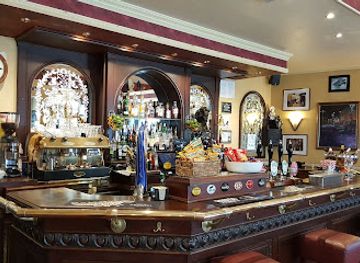
Saint Clément does not have a concentrated nightclub district; evening life is mainly found in traditional pubs, hotel bars and restaurants, with the broader choice of late venues located in neighbouring Saint Helier. The parish’s coastal character suits an early meal or a drink after walking around Le Hocq or La Rocque rather than a late-night entertainment itinerary. Pubs provide an opportunity to try local or British ales, cider and straightforward food in an informal setting, while seasonal events and occasional live music may add variety without forming a permanent nightlife scene. Visitors staying in Saint Clément should check the final bus or arrange a taxi before travelling back from Saint Helier, particularly outside summer. Alcohol is only one part of the evening culture: sunset walks, harbour views and relaxed dining are equally characteristic of the parish.
-
Pub
The Lamplighter
Experience the charm of The Lamplighter, a cozy pub in St. Helier, Jersey, offering hearty meals and a great selection of local drinks.
-
Pub
Old Smugglers Inn
Discover the best of Jersey at Old Smugglers Inn – a perfect blend of traditional pub vibes and delightful local cuisine.
-
Live music bar
Blue Note Bar
Immerse yourself in the live music scene at Blue Note Bar, a must-visit pub in St Helier, Jersey, known for its vibrant atmosphere and eclectic entertainment.
-
Pub
Le Hocq Inn
Experience the authentic flavors and breathtaking views at Le Hocq Inn, a treasured pub and restaurant in St Clement, Jersey.


Best nightclubs in Saint Clément
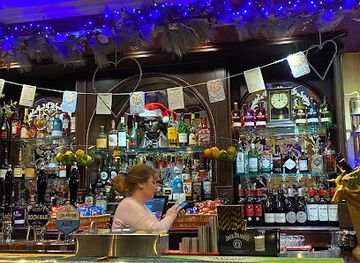
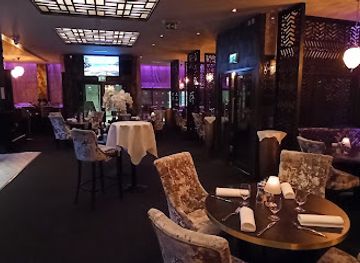
Saint Clément does not have a concentrated nightclub district; evening life is mainly found in traditional pubs, hotel bars and restaurants, with the broader choice of late venues located in neighbouring Saint Helier. The parish’s coastal character suits an early meal or a drink after walking around Le Hocq or La Rocque rather than a late-night entertainment itinerary. Pubs provide an opportunity to try local or British ales, cider and straightforward food in an informal setting, while seasonal events and occasional live music may add variety without forming a permanent nightlife scene. Visitors staying in Saint Clément should check the final bus or arrange a taxi before travelling back from Saint Helier, particularly outside summer. Alcohol is only one part of the evening culture: sunset walks, harbour views and relaxed dining are equally characteristic of the parish.
-
Pub
Le Hocq Inn
Discover the charm of Le Hocq Inn, a coastal pub in Jersey offering local cuisine and breathtaking views, perfect for tourists seeking a memorable experience.
-
Live music bar
Blue Note Bar
Discover the lively Blue Note Bar, a premier live music venue in St Helier, perfect for enjoying great performances and a cozy atmosphere.
-
Bar
Vittoria
Experience the vibrant nightlife of St Helier at Vittoria, where delicious drinks and a lively atmosphere await.
-
Association / Organization
Masonic Temple
Explore the Masonic Temple in St. Helier, a stunning architectural gem rich in history and cultural significance, perfect for curious travelers.


Best shops in Saint Clément
Shopping in Saint Clément is primarily local and practical rather than centred on a large retail district. Independent convenience shops and small businesses serve parish residents, while visitors can look for Jersey produce, dairy goods, seasonal vegetables, potatoes and locally made food items through farm outlets, specialist shops and island markets. The lanes and coastal settlements may also offer occasional craft, garden or food-related purchases, but retail availability varies and should not be assumed outside established centres. For a wider choice of books, clothing, gifts, galleries, antiques and specialist food, Saint Helier’s shopping streets and Central Market are nearby across the parish boundary. Distinctive souvenirs include Jersey food products, island-themed crafts and goods connected with the island’s maritime or farming heritage. Visitors exploring by bus or bicycle should avoid carrying delicate or perishable purchases on long coastal walks, and those seeking market produce should check current locations and trading days before setting out.
-
Tourist attraction
Jersey Pearl
Explore Jersey Pearl: a captivating blend of jewelry artistry, local cuisine, and rich cultural experiences in the heart of Jersey.
-
Shopping mall
Liberty Wharf Shopping Centre
Explore Liberty Wharf Shopping Centre: a vibrant hub for shopping, dining, and scenic views in the heart of St. Helier, Jersey.
-
Farm shop
Rondels Farm Shop
Experience the authentic tastes of Jersey at Rondels Farm Shop, where local produce and artisanal goods come together in a charming countryside setting.
-
Convenience store
Marks and Spencer Simply Food
Experience quality and convenience at Marks and Spencer Simply Food, your go-to destination for groceries and essentials in Jersey.


Get your free copy of our complete guide to Saint Clément, delivered straight to you.
Everything on this page, from attractions and restaurants to essentials and local phrases, in one PDF you can read offline, print or share.
Already have an account? Sign in
Your Saint Clément guide is ready.
We'll send it to · Not you? Sign out

Getting your guide ready…
We are putting together a fresh copy of the Saint Clément guide. This can take up to a minute.
This can take a few moments. If your browser asks, choose Allow so the download can start. You'll find the guide in your Downloads folder.
Nothing happened? Download it again
Sorry, the guide is taking longer than usual. Please try again in a minute, or get it by email instead.
Saint Clément essentials
Currency and Payment
Safety
Emergency Situations
Do's and Don'ts
Local Tips
From Eve
Local phrases worth knowing
You don't need to get them perfect. A few words go a long way, and locals appreciate the effort.
Basics
| English | Local | Say it |
|---|---|---|
| Hello | Hi | [hai] |
| Goodbye | Bye | [bai] |
| Yes | Yeah | [yea] |
| No | Nope | [nohp] |
| Please/You're welcome | Please | [pleez] |
| Thank you | Thanks | [thangks] |
| Excuse me/Sorry | Sorry | [sor-ee] |
| How are you? | How's it going? | [hauz it go-ing] |
| Fine. And you? | Good. You? | [gud. yoo?] |
| Do you speak English? | You speak English? | [yoo speek ing-glish?] |
| I don't understand | I don't get it | [i dont get it] |
Eating & Drinking
| English | Local | Say it |
|---|---|---|
| I'd like to see the menu, please | Can I see the menu? | [kan i see the men-yoo?] |
| I don't eat meat | I'm vegetarian | [im vedg-eh-tair-ee-an] |
| Cheers! | Cheers! | [cheerz] |
| I would like to pay, please | Can I get the check? | [kan i get the chek?] |
Emergencies
| English | Local | Say it |
|---|---|---|
| Help! | Help! | [help] |
| Go away! | Leave me alone! | [leev me uh-lone] |
| Call the Police! | Call 911! | [call nine-one-one] |
| Call a doctor! | Get a doctor! | [get a dok-tor] |
| I'm lost | I'm lost | [im lost] |
| I'm ill | I'm not feeling well | [im not feel-ing wel] |
Shopping
| English | Local | Say it |
|---|---|---|
| I'd like to buy... | I want to buy... | [i want to bai...] |
| I'm just looking | Just browsing | [just brows-ing] |
| How much is it? | What’s the price? | [whats the prys?] |
| That's too expensive | That's too pricey | [thats too pricy] |
| Can you lower the price? | Can you give me a discount? | [kan you giv me a dis-kount?] |
Time & Numbers
| English | Local | Say it |
|---|---|---|
| What time is it? | What’s the time? | [whats the time?] |
| It's one o'clock | It's one | [its wun] |
| Half past (10) | Half past ten | [haf past ten] |
| Morning | Morning | [mor-ning] |
| Afternoon | Afternoon | [af-ter-noon] |
| Evening | Evening | [eev-ning] |
| Yesterday | Yesterday | [yes-ter-day] |
| Today | Today | [to-day] |
| Tomorrow | Tomorrow | [to-mor-row] |
| 1 | One | [wun] |
| 2 | Two | [too] |
| 3 | Three | [three] |
| 4 | Four | [for] |
| 5 | Five | [fiv] |
| 6 | Six | [siks] |
| 7 | Seven | [sev-en] |
| 8 | Eight | [ait] |
| 9 | Nine | [nain] |
| 10 | Ten | [ten] |
Transport & Directions
| English | Local | Say it |
|---|---|---|
| Where's a/the...? | Where is the...? | [wher is the...?] |
| What's the address? | What’s the address? | [whats the ad-dress?] |
| Can you show me (on the map)? | Can you point it out? | [kan you point it out?] |
| When's the next (bus)? | When's the next bus? | [whens the next bus?] |
| A ticket (to ....) | A ticket to ... | [a tik-it to ...] |
History of Saint Clément
Neolithic settlement at Mont Ube
Mont Ube is part of the prehistoric funerary landscape that shows Jersey was occupied and used ceremonially thousands of years ago. The dolmen belongs to the Neolithic and early Bronze Age tradition of constructing communal burial monuments from large stones. Its survival in Saint Clément is a reminder that the parish’s present-day lanes and fields overlay a much older human landscape. Jersey’s prehistoric communities were connected to wider cultural networks around the Bay of St Malo, when changing sea levels and maritime movement linked the island more closely with neighbouring parts of continental Europe.
Medieval parish and manor society
Saint Clément developed within the medieval ecclesiastical and manorial structure of Jersey, with the parish church serving a settled agricultural community and manor estates organising landholding. Samarès Manor is the most prominent surviving reminder of this period, although its history extends through later rebuilding and adaptation. Farming, small-scale settlement and access to the shore shaped local life. As elsewhere in Jersey, Norman French influenced place names, administration and speech, leaving a cultural legacy that remains visible in the parish’s names and historic buildings.
Jersey’s maritime economy
From the early modern period onwards, Saint Clément’s eastern and southern shores were tied to Jersey’s maritime economy. Small harbours and tidal landing places supported fishing, the collection of seaweed for fertiliser, local trade and movement around the coast. The intertidal zone was economically valuable as well as geographically challenging. La Rocque and Le Hocq formed part of a wider network of coastal communities whose fortunes depended on farming and the sea, while Jersey’s position between Britain and France also exposed it to smuggling, privateering and wartime insecurity.
Coastal defence from the eighteenth century
The threat of invasion encouraged the construction and improvement of coastal defences around Jersey. Le Hocq Tower, a round stone tower on Saint Clément’s shore, belongs to this tradition of military engineering and formed part of the island’s system of watchpoints and gun positions. During periods of conflict with France, the coast was monitored closely and local communities lived with the possibility of raids or landing attempts. The tower and associated defensive landscape show how Jersey’s exposed position shaped its architecture and administration.
Agriculture and the Jersey Royal
Agriculture remained central to Saint Clément long after the island’s ports and capital expanded. Jersey’s mild maritime climate, fertile soils and intensive smallholdings supported dairy farming, horticulture and the cultivation of the Jersey Royal potato, which became an important island product in the nineteenth and twentieth centuries. Manor estates, farmsteads, granite walls and narrow lanes preserve aspects of this agricultural past. Although modern Saint Clément is more residential than it once was, gardens, fields and farm-related businesses continue to connect the parish with Jersey’s rural economy.
German Occupation, 1940–1945
Jersey was occupied by German forces during the Second World War, and Saint Clément’s south-eastern coastline formed part of the island’s fortified defensive zone. Bunkers, observation posts and other military remains were built into or beside the coastal landscape, reflecting the strategic importance of Jersey in the Atlantic Wall system. The occupation affected movement, food supplies and everyday life across the island. Surviving structures, alongside local museums and interpretation elsewhere in Jersey, provide a tangible reminder of this difficult period without defining the parish solely through wartime history.
Saint Clément in Photos
Browse through our photo collection highlighting the charm and character of the destination.
Neighbouring regions of Saint Clément
The closest regions to Saint Clément, if you have time for more than one.
-

-

-

-

-


Swipe for more regions
Explore more

Explore more of Jersey
Discover the charm of Jersey, the largest Channel Island, with its stunning landscapes, rich history, and a delightful blend of British and French cultures.
Explore Jersey