

Free Fahaheel Travel Guide & Mobile App
Plan your Fahaheel trip with Evendo. Get free guides to top attractions, restaurants, hotels, and bars. Web access or download the mobile app.


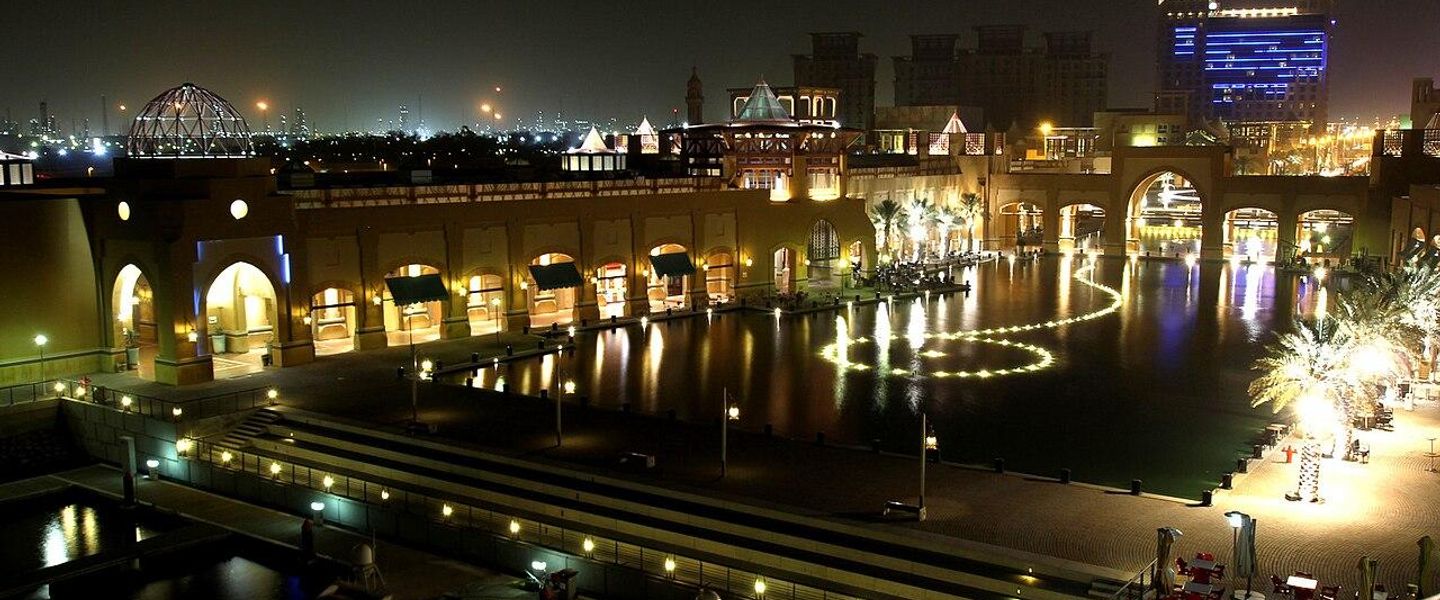


Fahaheel, Kuwait combines Gulf seaside walks, traditional markets, Al Kout Mall, local dining and easy access to the country’s southern oil towns.
A Gulf Coast Settlement
Fahaheel lies on Kuwait’s southern coast in Ahmadi Governorate, a short distance from the oil town of Al Ahmadi and within Kuwait’s densely developed metropolitan south. Its character is shaped by the meeting of old maritime traditions, modern retail and the infrastructure of the country’s petroleum economy. The shoreline, once associated with fishing, pearling and small-scale trading, is now marked by promenades, beaches, restaurants and the broad waterfront complex of Al Kout Mall.Read more about Fahaheel
Markets, Malls and Everyday Kuwait
Exploring the Southern Coast
When is the best time to visit Fahaheel?
Best: March, November–December · 22–29°C| Month | High (°C) | Rainfall (mm) |
|---|---|---|
| January | 18 | 0 |
| February | 20 | 0 |
| March (best) | 26 | 0 |
| April | 32 | 0 |
| May | 38 | 0 |
| June | 44 | 0 |
| July | 47 | 0 |
| August | 46 | 0 |
| September | 42 | 0 |
| October | 36 | 0 |
| November (best) | 29 | 0 |
| December (best) | 22 | 0 |
Getting to and around Fahaheel
How to get there
Transportation
Best landmarks in Fahaheel
Al Kout waterfront is Fahaheel’s most recognisable modern landmark, linking the town’s coastal identity with contemporary retail and leisure development around Al Kout Mall. Its architecture and open seaside setting represent the newer, commercially focused face of southern Kuwait rather than the town’s pre-oil fabric. The Fahaheel market area is a less monumental but culturally significant landmark of everyday commerce, especially its concentration of gold shops and small retailers serving a diverse population. Nearby Al Ahmadi contains important company-town landscapes associated with Kuwait’s petroleum industry, although it is a separate settlement and should not be confused with Fahaheel. The broader shoreline also carries symbolic importance: fishing and pearling once formed part of Kuwait’s maritime economy, and the coast remains central to the town’s visual identity. Fahaheel has few preserved historic buildings, so its landmarks are best read as layers of market life, oil-era development and contemporary waterfront urbanism.
-
Shopping mall
Al Kout Mall
Discover the ultimate shopping and dining experience at Al Kout Mall, where modern luxury meets traditional charm in Fahaheel, Kuwait.
12 min walk · 0.9 km from city centre
-
Hypermarket
Lulu Hypermarket
Explore Lulu Hypermarket in Kuwait, your ultimate shopping destination for groceries, clothing, electronics, and more in a vibrant atmosphere.
5 min walk · 0.4 km from city centre
-
Supermarket
Sultan Center - Al Kout Souk
Discover a world of flavors at Sultan Center in Al Kout Souk, where local and international products come together in an exciting shopping experience.
14 min walk · 1.1 km from city centre
-
Movie theater
Cinescape Al-Kout Mall
Experience the best of cinema at Cinescape Al-Kout Mall, where modern technology meets a wide selection of films in a vibrant shopping environment.
13 min walk · 1.1 km from city centre


Explore Fahaheel on the map
Plan your Fahaheel trip on one map. See where the top attractions, landmarks, restaurants, bars and hotels are, find what's near where you're staying, and book hotels and experiences in a few clicks.
Best hotels in Fahaheel
Best restaurants in Fahaheel
Fahaheel’s dining scene reflects Kuwait’s international population and southern commercial character. Traditional Kuwaiti cooking can include rice dishes such as machboos, grilled fish, soups, stews, dates and sweet tea, while restaurants across the district also serve Indian, Pakistani, Lebanese, Egyptian, Iranian and other Arab and Asian cuisines. The market area is useful for inexpensive meals, bakeries, juice shops and informal cafés, whereas Al Kout Mall and the waterfront provide air-conditioned restaurants and family dining. Seafood has a natural place in a coastal town, although menus range widely beyond local catches. Coffee shops and dessert cafés are important evening meeting places, particularly during the cooler months. Dining customs are generally informal in casual establishments, while more polished venues may reflect Kuwait’s contemporary Gulf hospitality and strong preference for family-oriented spaces.
-
Lebanese
Leila Min Lebnen - ليلى من لبنان
Experience the essence of Lebanese cuisine at Leila Min Lebnen - where tradition meets taste in every dish.
12 min walk · 1.0 km from city centre
-
Vegetarian
Saravanaa Bhavan Fahaheel
Experience authentic South Indian vegetarian cuisine at Saravanaa Bhavan in Fahaheel - where every meal is a flavorful journey through India.
11 min walk · 0.9 km from city centre
-
Indian
Kerala Express Restaurant, Fahaheel, Kuwait
Experience authentic Indian flavors at Kerala Express Restaurant in Fahaheel, Kuwait - where every meal tells a story.
8 min walk · 0.6 km from city centre
-
Indian
Mughal Mahal Fahaheel
Experience authentic Indian flavors at Mughal Mahal Fahaheel—where every dish tells a story.
9 min walk · 0.7 km from city centre


Best bars in Fahaheel
Fahaheel does not have a conventional bar or nightclub scene, because the sale and public consumption of alcohol are prohibited in Kuwait. Evening social life instead centres on cafés, restaurants, dessert shops, mall dining areas and the Al Kout waterfront, where families and groups gather after the heat of the day has eased. Traditional tea and coffee shops sit alongside modern cafés serving Arabic coffee, speciality drinks and sweets. Entertainment is generally low-key and commercially oriented, with shopping, seaside walks and informal conversation replacing club culture. Nearby hotels and larger commercial developments may host organised dining or cultural events, but visitors should not assume a licensed nightlife environment. During Ramadan and other religious periods, opening patterns and the atmosphere of public spaces can change considerably.
-
Lebanese
Leila Min Lebnen - ليلى من لبنان
Experience the authentic flavors of Lebanon at Leila Min Lebnen, a culinary treasure in the heart of Al Kout Mall, Kuwait.
12 min walk · 1.0 km from city centre
-
Indian
Kerala Express Restaurant, Fahaheel, Kuwait
Experience the vibrant flavors of India at Kerala Express Restaurant in Fahaheel, Kuwait, where authentic cuisine meets warm hospitality.
8 min walk · 0.6 km from city centre
-
Indian
Thakkara Restaurant Fahaheel
Discover the authentic taste of India at Thakkara Restaurant in Fahaheel, where every dish tells a story.
10 min walk · 0.8 km from city centre
-
Indian
Mughal Mahal Fahaheel
Experience the rich flavors of authentic Indian cuisine at Mughal Mahal Fahaheel, where every dish tells a story of tradition and passion.
9 min walk · 0.7 km from city centre


Best nightclubs in Fahaheel
Fahaheel does not have a conventional bar or nightclub scene, because the sale and public consumption of alcohol are prohibited in Kuwait. Evening social life instead centres on cafés, restaurants, dessert shops, mall dining areas and the Al Kout waterfront, where families and groups gather after the heat of the day has eased. Traditional tea and coffee shops sit alongside modern cafés serving Arabic coffee, speciality drinks and sweets. Entertainment is generally low-key and commercially oriented, with shopping, seaside walks and informal conversation replacing club culture. Nearby hotels and larger commercial developments may host organised dining or cultural events, but visitors should not assume a licensed nightlife environment. During Ramadan and other religious periods, opening patterns and the atmosphere of public spaces can change considerably.
-
Boat club
Fahaheel Sea Club
Experience the charm of the sea at Fahaheel Sea Club, where adventure meets relaxation in the heart of Kuwait.
18 min walk · 1.4 km from city centre
-
Sports club
Fahaheel Sports Club
Discover the vibrant community and sports offerings at Fahaheel Sports Club, a must-visit destination for active tourists in Mangaf.
6 min drive · 1.9 km from city centre
-
Fitness center
Body Zone Fitness Fahaheel
Experience top-notch fitness at Body Zone Fitness Fahaheel, your ultimate destination for health and wellness in Kuwait.
1 min walk · 0.1 km from city centre
-
Spa and health club
KB SPA
Experience ultimate relaxation at KB SPA, your haven for rejuvenation and wellness in Al Fahaheel, Kuwait.
11 min walk · 0.9 km from city centre


Best shops in Fahaheel
Shopping in Fahaheel ranges from traditional market streets to modern air-conditioned retail. The central Fahaheel market area is known for practical everyday commerce, including clothing, mobile phones, perfumes, household goods, groceries and gold shops, with independent retailers creating a more local atmosphere than a conventional shopping centre. Al Kout Mall offers international and regional brands, cafés, restaurants and family facilities beside the waterfront. Visitors interested in gifts may find dates, sweets, perfumes, modest clothing, decorative items and small Gulf-style souvenirs, although products vary between shops and many are not made locally. The district’s shopping culture reflects its diverse population: Arabic-speaking Gulf commerce sits alongside South Asian and other international businesses. Bargaining is not universal, so it is best reserved for contexts where negotiation is clearly part of the transaction rather than assumed in every shop.
-
Shopping mall
Al Kout Mall
Experience the best shopping, dining, and entertainment at Al Kout Mall in Fahaheel, Kuwait's premier shopping destination.
12 min walk · 0.9 km from city centre
-
Hypermarket
Lulu Hypermarket
Discover the ultimate shopping experience at Lulu Hypermarket in Kuwait, where convenience meets a variety of local and international products.
5 min walk · 0.4 km from city centre
-
Department store
Centrepoint
Explore Centrepoint in Kuwait for diverse shopping, from fashion to beauty products, perfect for every tourist's needs.
11 min walk · 0.9 km from city centre
-
Shopping mall
Yaal Mall
Experience the best of shopping, dining, and entertainment at Yaal Mall in Fahaheel, Kuwait—your ultimate destination for leisure and lifestyle.
10 min walk · 0.8 km from city centre


Get your free copy of our complete guide to Fahaheel, delivered straight to you.
Everything on this page, from attractions and restaurants to essentials and local phrases, in one PDF you can read offline, print or share.
Already have an account? Sign in
Your Fahaheel guide is ready.
We'll send it to · Not you? Sign out

Getting your guide ready…
We are putting together a fresh copy of the Fahaheel guide. This can take up to a minute.
This can take a few moments. If your browser asks, choose Allow so the download can start. You'll find the guide in your Downloads folder.
Nothing happened? Download it again
Sorry, the guide is taking longer than usual. Please try again in a minute, or get it by email instead.
Fahaheel essentials
Currency and Payment
Safety
Emergency Situations
Do's and Don'ts
Local Tips
From Eve
Local phrases worth knowing
You don't need to get them perfect. A few words go a long way, and locals appreciate the effort.
Basics
| English | Local | Say it |
|---|---|---|
| Hello | مرحبا | [marhaba] |
| Goodbye | وداعا | [wadaea] |
| Yes | نعم | [naam] |
| No | لا | [laa] |
| Please/You're welcome | من فضلك | [min fadlik] |
| Thank you | شكرا | [shukran] |
| Excuse me/Sorry | عذرا | [aathiraa] |
| How are you? | كيف حالك؟ | [kayfa halik?] |
| Fine. And you? | بخير. وأنت؟ | [bukhair. wa anta?] |
| Do you speak English? | هل تتحدث الإنجليزية؟ | [hal tatahadath al'inglizia?] |
| I don't understand | أنا لا أفهم | [ana la afham] |
Eating & Drinking
| English | Local | Say it |
|---|---|---|
| I'd like to see the menu, please | أود أن أرى القائمة، من فضلك | [awad an ara alqaimah, min fadlik] |
| I don't eat meat | أنا لا آكل اللحم | [ana la akol allahm] |
| Cheers! | في صحتك! | [fi sahtik!] |
| I would like to pay, please | أود أن أدفع، من فضلك | [awad an adfae, min fadlik] |
Emergencies
| English | Local | Say it |
|---|---|---|
| Help! | النجدة! | [alnajdah!] |
| Go away! | انصرف! | [ansharif!] |
| Call the Police! | اتصل بالشرطة! | [atasl bialshurthah!] |
| Call a doctor! | اتصل بطبيب! | [atasl bithibb!] |
| I'm lost | لقد ضللت | [laqad dalalt] |
| I'm ill | أنا مريض | [ana mareed] |
Shopping
| English | Local | Say it |
|---|---|---|
| I'd like to buy... | أود أن أشتري... | [awad an ashtari...] |
| I'm just looking | أنا فقط أتطلع | [ana faqat atatallaa] |
| How much is it? | كم سعره؟ | [kam siroh?] |
| That's too expensive | هذا غالي جدا | [hatha ghali jiddan] |
| Can you lower the price? | هل يمكنك خفض السعر؟ | [hal yumkinuk khafdh alsir?] |
Time & Numbers
| English | Local | Say it |
|---|---|---|
| What time is it? | كم الساعة؟ | [kam alsaeah?] |
| It's one o'clock | الساعة الواحدة | [alsaeah alwahidah] |
| Half past (10) | النصف بعد العاشرة | [alnusuf baed al'ashirah] |
| Morning | صباح | [sabah] |
| Afternoon | بعد الظهر | [baed aldhuhur] |
| Evening | مساء | [masaa] |
| Yesterday | أمس | [ams] |
| Today | اليوم | [alyawm] |
| Tomorrow | غدا | [ghadan] |
| 1 | واحد | [wahed] |
| 2 | اثنان | [ithnan] |
| 3 | ثلاثة | [thulatha] |
| 4 | أربعة | [arbaaa] |
| 5 | خمسة | [khamsah] |
| 6 | ستة | [sittah] |
| 7 | سبعة | [sabaa] |
| 8 | ثمانية | [thamaniah] |
| 9 | تسعة | [tisaa] |
| 10 | عشرة | [asharah] |
Transport & Directions
| English | Local | Say it |
|---|---|---|
| Where's a/the...? | أين... | [ayn...] |
| What's the address? | ما هو العنوان؟ | [ma hu alenwan?] |
| Can you show me (on the map)? | هل يمكنك أن تريني (على الخريطة)؟ | [hal yumkinuk 'an tureeni (ala alkhareetah)?] |
| When's the next (bus)? | متى يأتي الحافلة القادمة؟ | [mata yaati alhaafilat alqadimah?] |
| A ticket (to ....) | تذكرة (إلى ...) | [tadhkirah (ila ...)] |
History of Fahaheel
Maritime Life Before Oil
Before petroleum transformed Kuwait, Fahaheel was part of the country’s coastal economy, whose livelihoods included fishing, pearling, boatbuilding and maritime trade. The shallow Gulf waters supported seasonal activity, while wells and small settlements sustained life along the coast. Fahaheel’s identity developed within this wider network of villages and ports rather than as an isolated inland town. Traditional patterns of family, commerce and seafaring remained important even as Kuwait expanded during the twentieth century. Although much of the older built environment has been replaced, the town’s relationship with the sea survives in its shoreline, fish trade and waterfront leisure spaces.
Petroleum Reshapes Southern Kuwait
The discovery of commercially significant oil in Kuwait during the 1930s altered the southern coast permanently. The Kuwait Oil Company began exporting oil in 1946, and nearby Al Ahmadi developed as a planned company town and administrative centre. Fahaheel benefited from the growth of employment, transport links and public infrastructure associated with the petroleum sector, while its older maritime economy became less central. Workers and families arrived from across Kuwait and abroad, increasing demand for housing, shops and services. The contrast between Fahaheel’s market-oriented urban life and Al Ahmadi’s planned oil-company environment became a defining feature of the region.
Urban Growth After Independence
Kuwait’s independence in 1961 was followed by rapid urban development, supported by oil revenues and expanding public services. Fahaheel grew from a coastal settlement into a substantial commercial and residential district serving southern Kuwait. Paved roads, modern utilities, schools, mosques and new housing changed the scale of everyday life, while small shops and markets continued to provide local services. The town’s population became increasingly diverse as workers from Arab, South Asian and other communities joined Kuwaiti residents. This period established the broad urban form visible today: busy arterial roads, dispersed residential areas and a strong concentration of retail activity.
The Iraqi Invasion and Liberation
Kuwait’s recent history was profoundly marked by Iraq’s invasion on 2 August 1990. The occupation disrupted ordinary life throughout the country, including the southern districts, and ended with the liberation of Kuwait in February 1991 during the Gulf War. Reconstruction and the restoration of public administration followed, bringing renewed investment in infrastructure and urban services. The period remains part of the country’s civic memory, commemorated nationally through museums, memorials and annual observances. Fahaheel’s post-war development belongs to the larger rebuilding and modernisation of Kuwait rather than to a separate local political history.
A Contemporary Commercial District
In the decades after liberation, Fahaheel became increasingly recognised as a busy southern commercial centre. Retail streets, gold shops, restaurants and densely used public services sit alongside newer malls and waterfront developments. Al Kout Mall and the adjoining coastal area express Kuwait’s modern consumption and leisure culture, while the traditional market continues to reflect older patterns of face-to-face trade. The town is also connected to the wider petroleum landscape of Ahmadi Governorate, including industrial facilities and oil-company settlements. Contemporary Fahaheel therefore combines remnants of a maritime past with the multicultural, car-oriented and commercially active character of present-day Kuwait.
Fahaheel in Photos
Browse through our photo collection highlighting the charm and character of the destination.
Cities near Fahaheel
The closest cities to Fahaheel, if you have time for more than one stop.
-
-

-

-

-


Swipe for more cities
Explore more

Explore more of Kuwait
Discover the blend of modernity and tradition in Kuwait, a vibrant gem in the Arabian Gulf, offering cultural heritage, luxury shopping, and diverse culinary delights.
Explore Kuwait