

Free Farwaniya Travel Guide & Mobile App
Plan your Farwaniya trip with Evendo. Get free guides to top attractions, restaurants, hotels, and bars. Web access or download the mobile app.


Farwaniya, Kuwait, offers practical urban living, diverse dining, everyday shopping and easy access to the airport, Al-Rai and the nearby capital.
Urban Kuwait Beyond the Centre
Farwaniya is a densely settled urban area in Kuwait, positioned west of Kuwait City and close to Kuwait International Airport. Rather than a heritage quarter or resort destination, it is a working, lived-in part of the metropolitan area, shaped by apartment buildings, busy commercial streets, local services and a highly international population. Its location makes it useful for travellers who need convenient access to the airport, the capital and the large retail districts of Al-Rai.Read more about Farwaniya
Everyday City Life
Gateway to the Metropolitan Area
When is the best time to visit Farwaniya?
Best: March–April, November · 24–30°C| Month | High (°C) | Rainfall (mm) |
|---|---|---|
| January | 18 | 0 |
| February | 20 | 0 |
| March (best) | 24 | 0 |
| April (best) | 30 | 0 |
| May | 37 | 0 |
| June | 43 | 0 |
| July | 46 | 0 |
| August | 45 | 0 |
| September | 40 | 0 |
| October | 33 | 0 |
| November (best) | 26 | 0 |
| December | 19 | 0 |
Getting to and around Farwaniya
How to get there
Transportation
Best attractions in Farwaniya
Farwaniya’s attractions are modest and closely tied to everyday urban life rather than monumental sightseeing. Farwaniya Park offers a small green pause within the dense district, while the surrounding commercial streets reveal the neighbourhood’s international population through food shops, cafés, clothing businesses and local services. Kuwait International Airport, in the wider governorate, is an important point of arrival but not a conventional visitor attraction. For larger-scale sightseeing nearby, Al-Rai provides major retail and leisure complexes, including The Avenues Kuwait, while Kuwait Zoo in Omariya offers a family-oriented outing elsewhere in Farwaniya Governorate. Travellers seeking museums, the seafront and nationally significant cultural institutions will need to continue towards Kuwait City. The value of exploring Farwaniya lies in observing contemporary Kuwait away from the capital’s ceremonial landmarks: its apartment-lined streets, busy junctions, small eateries and multilingual commercial life provide a grounded view of the country’s modern metropolitan character.
-
Tourist attraction
Kuwait Towers
Explore the stunning Kuwait Towers, a blend of architectural brilliance and cultural significance, offering breathtaking views and delightful dining experiences.
33 min drive · 13 km from city centre
-
Park
Al Shaheed Park
Discover Al Shaheed Park, a breathtaking blend of nature, art, and history in the heart of Kuwait City, perfect for relaxation and exploration.
31 min drive · 11 km from city centre
-
Seafood
Kuwaiti Fresh Fish Market
Explore the vibrant Kuwaiti Fresh Fish Market, a seafood lover's paradise where local culture and fresh catches come together in a bustling atmosphere.
32 min drive · 12 km from city centre
-
Science museum
The Scientific Center
Explore The Scientific Center in Salmiya, Kuwait - a captivating fusion of science, marine life, and entertainment for all ages.
35 min drive · 15 km from city centre


Best landmarks in Farwaniya
Farwaniya has few monumental landmarks of the kind associated with Kuwait City, and its identity is expressed more through urban scale and infrastructure than through historic architecture. Kuwait International Airport, located in the surrounding governorate, is the district’s most recognisable transport landmark and a major gateway to the country. Farwaniya Park provides a visible civic green space within the built-up area, while the broad road corridors and dense apartment districts illustrate Kuwait’s post-oil metropolitan growth. In neighbouring Al-Rai, The Avenues Kuwait is a prominent contemporary architectural and commercial landmark, although it is outside Farwaniya proper. Visitors looking for mosques, towers, museums and historic urban monuments should head towards central Kuwait, where landmarks such as the Kuwait Towers, Grand Mosque and Al Shaheed Park better represent the nation’s civic and architectural story.
-
Shopping mall
360 Mall
Discover Kuwait’s finest shopping experience at 360 Mall, where luxury meets entertainment and dining in a stunning architectural setting.
10 min drive · 3.4 km from city centre
-
Park
Al Shaheed Park
Explore Al Shaheed Park in Kuwait City, a perfect blend of nature, culture, and relaxation for every traveler.
31 min drive · 11 km from city centre
-
Tourist attraction
Kuwait Towers
Discover the breathtaking views and historical significance of the Kuwait Towers, the iconic symbols of modern Kuwait in the heart of Kuwait City.
33 min drive · 13 km from city centre
-
Park
Boulevard Park
Explore Boulevard Park, a lush urban oasis in Salmiya, offering scenic pathways, family-friendly activities, and a peaceful retreat for all visitors.
33 min drive · 13 km from city centre


Explore Farwaniya on the map
Plan your Farwaniya trip on one map. See where the top attractions, landmarks, restaurants, bars and hotels are, find what's near where you're staying, and book hotels and experiences in a few clicks.
Best hotels in Farwaniya
Best restaurants in Farwaniya
Farwaniya has one of Kuwait’s most useful dining scenes for visitors interested in everyday multicultural food rather than formal destination restaurants. Local eateries serve Kuwaiti and wider Gulf dishes such as machboos, grilled meats, rice preparations and hearty stews, while the district is especially known for the presence of Indian, Pakistani, Bangladeshi, Filipino, Egyptian and Levantine cooking. Small restaurants, bakeries, juice shops, cafés and takeaway counters cluster around busy commercial streets, with groceries and specialist food shops reflecting the communities who live and work nearby. Dining is generally informal, practical and varied, ranging from inexpensive breakfasts and flatbreads to charcoal grills, biryani and regional sweets. For a broader selection of polished restaurants and international chains, neighbouring Al-Rai and the larger malls provide more spacious surroundings, but Farwaniya’s appeal is the direct connection between food, migration and ordinary neighbourhood life.
-
Market
Al Mubarakiya
Kuwait's timeless souq: aromatic spices, glittering gold souks, historic kiosks, and bustling trade alleys where pre-oil heritage meets vibrant daily life and authentic flavors.
31 min drive · 11 km from city centre
-
Seafood
Al Noukhaza Sea Food Al Thuraya City
Experience exquisite seafood dishes in a charming setting at Al Noukhaza Sea Food in Al Thuraya City.
15 min walk · 1.2 km from city centre
-
Restaurant
Thakkara Restaurant Farwaniya
Experience authentic Indian flavors at Thakkara Restaurant Farwaniya - where every dish tells a story.
5 min walk · 0.4 km from city centre
-
Restaurant
Al Ahmadi Restaurant
Experience authentic Middle Eastern cuisine at Al Ahmadi Restaurant in Al Farwaniyah, where delicious flavors meet warm hospitality.
5 min walk · 0.4 km from city centre


Best bars in Farwaniya
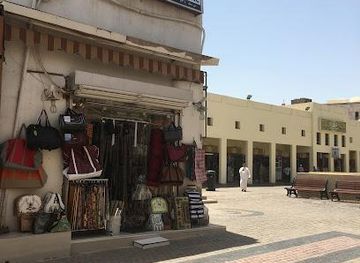
Farwaniya does not have a conventional bar or nightclub scene because the sale and consumption of alcohol are prohibited in Kuwait. Evening life instead centres on cafés, tea shops, dessert venues, casual restaurants, shopping areas and air-conditioned malls, which remain important social spaces after sunset. Local commercial streets become more active in the cooler evening hours, with residents meeting over Arabic coffee, karak tea, juices and meals from the district’s many international cuisines. Nearby Al-Rai offers larger retail and leisure complexes, while organised cultural performances and more formal entertainment are concentrated in other parts of metropolitan Kuwait. Ramadan evenings bring distinctive rhythms of late dining and socialising, though visitors should follow current local guidance concerning daytime eating, drinking and smoking. Farwaniya’s nightlife is therefore sociable and food-led, shaped by cafés and retail rather than clubs.
-
Restaurant
Sakura Japanese Restaurant Al Thuraya City
Experience authentic Japanese cuisine at Sakura Japanese Restaurant, where every dish is a masterpiece of flavor and presentation in Al Thuraya City.
14 min walk · 1.1 km from city centre
-
Restaurant
Green Pepper Restaurant Farwaniya Kuwait
Discover the rich flavors of Kuwait at Green Pepper Restaurant in Farwaniya, where tradition meets modern dining in a cozy atmosphere.
2 min walk · 0.2 km from city centre
-
Indian
Crystal Palace Restaurant
Experience authentic Indian cuisine at Crystal Palace Restaurant in Al Farwaniyah, where rich flavors and welcoming ambiance create an unforgettable dining experience.
7 min walk · 0.5 km from city centre
-
Lebanese
Ayam Zaman
Experience the rich culinary traditions of Lebanon at Ayam Zaman in Al Farwaniyah, where every dish tells a story of flavor and heritage.
14 min walk · 1.1 km from city centre


Best nightclubs in Farwaniya
Farwaniya does not have a conventional bar or nightclub scene because the sale and consumption of alcohol are prohibited in Kuwait. Evening life instead centres on cafés, tea shops, dessert venues, casual restaurants, shopping areas and air-conditioned malls, which remain important social spaces after sunset. Local commercial streets become more active in the cooler evening hours, with residents meeting over Arabic coffee, karak tea, juices and meals from the district’s many international cuisines. Nearby Al-Rai offers larger retail and leisure complexes, while organised cultural performances and more formal entertainment are concentrated in other parts of metropolitan Kuwait. Ramadan evenings bring distinctive rhythms of late dining and socialising, though visitors should follow current local guidance concerning daytime eating, drinking and smoking. Farwaniya’s nightlife is therefore sociable and food-led, shaped by cafés and retail rather than clubs.
-
Lounge
Dasman Lounge
Experience the lively ambiance and delightful offerings at Dasman Lounge, a premier destination for relaxation and entertainment in Al-Dajeej, Kuwait.
13 min drive · 4.3 km from city centre
-
Lounge
Pearl Lounge Kuwait
Discover tranquility and comfort at Pearl Lounge in Kuwait International Airport, your perfect travel retreat with stylish amenities.
13 min drive · 4.2 km from city centre
-
Lounge
No.21
Experience the stylish and vibrant atmosphere of No.21, a premier lounge in the heart of Kuwait City, perfect for unwinding and socializing.
30 min drive · 10 km from city centre
-
Internet cafe
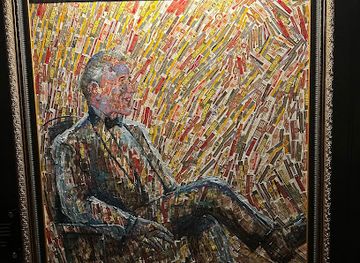
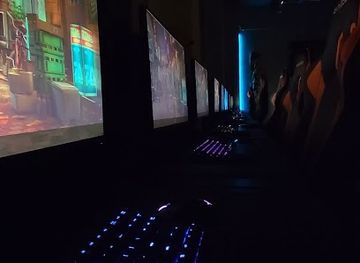
BNKR | Gaming Lounge
Discover the ultimate gaming experience at BNKR | Gaming Lounge, where entertainment meets a vibrant community in a cozy atmosphere.
32 min drive · 12 km from city centre


Best shops in Farwaniya
Shopping in Farwaniya is primarily local, practical and multicultural. Its commercial streets contain supermarkets, mobile-phone shops, clothing retailers, pharmacies, tailoring businesses, household stores and specialist food shops serving the district’s large expatriate communities. Visitors can browse South Asian ingredients, Arabic sweets, spices, fabrics and everyday goods alongside Kuwaiti products, although the experience is more neighbourhood-oriented than souvenir-focused. For a large-scale retail environment, nearby Al-Rai is home to The Avenues Kuwait, one of the metropolitan area’s major shopping and leisure complexes, with international brands, restaurants and indoor public spaces; it is a separate locality rather than a Farwaniya landmark. Traditional craft shopping and more formal souvenir browsing are generally better pursued in central Kuwait or specialist markets. As in much of Kuwait, malls provide shade and air conditioning, making them particularly useful during the hottest months.
-
Shopping mall
The Avenues
Discover the ultimate shopping experience at The Avenues in Kuwait, where luxury brands meet diverse dining and entertainment options.
11 min drive · 3.6 km from city centre
-
Shopping mall
The Avenues Mall
Explore The Avenues Mall in Kuwait - a shopping paradise with luxury brands, diverse cuisine, and entertainment for all ages.
11 min drive · 3.6 km from city centre
-
Shopping mall
360 Mall
Discover luxury shopping, exquisite dining, and endless entertainment at 360 Mall in Zahra, Kuwait – a mall that has it all.
10 min drive · 3.4 km from city centre
-
Shopping mall
Marina Mall
Discover Marina Mall in Salmiya, Kuwait – a vibrant shopping hub with exquisite dining and entertainment options for every traveler.
32 min drive · 12 km from city centre


Get your free copy of our complete guide to Farwaniya, delivered straight to you.
Everything on this page, from attractions and restaurants to essentials and local phrases, in one PDF you can read offline, print or share.
Already have an account? Sign in
Your Farwaniya guide is ready.
We'll send it to · Not you? Sign out

Getting your guide ready…
We are putting together a fresh copy of the Farwaniya guide. This can take up to a minute.
This can take a few moments. If your browser asks, choose Allow so the download can start. You'll find the guide in your Downloads folder.
Nothing happened? Download it again
Sorry, the guide is taking longer than usual. Please try again in a minute, or get it by email instead.
Farwaniya essentials
Currency and Payment
Safety
Emergency Situations
Do's and Don'ts
Local Tips
From Eve
Local phrases worth knowing
You don't need to get them perfect. A few words go a long way, and locals appreciate the effort.
Basics
| English | Local | Say it |
|---|---|---|
| Hello | مرحبا | [marhaba] |
| Goodbye | وداعا | [wadaa'an] |
| Yes | نعم | [naam] |
| No | لا | [laa] |
| Please/You're welcome | من فضلك | [min fadlik] |
| Thank you | شكرا | [shukran] |
| Excuse me/Sorry | عذرا | [aathiraa] |
| How are you? | كيف حالك؟ | [kayfa haluk?] |
| Fine. And you? | بخير. وأنت؟ | [bikhair. wa ant?] |
| Do you speak English? | هل تتحدث الإنجليزية؟ | [hal tatahadath al'injlizia?] |
| I don't understand | أنا لا أفهم | [ana la afham] |
Eating & Drinking
| English | Local | Say it |
|---|---|---|
| I'd like to see the menu, please | أود رؤية القائمة، من فضلك | [awad ru'ya alqaimah, min fadlik] |
| I don't eat meat | أنا لا آكل اللحم | [ana la aakul allahm] |
| Cheers! | في صحتك! | [fi sahtak!] |
| I would like to pay, please | أريد أن أدفع، من فضلك | [urid an adfa', min fadlik] |
Emergencies
| English | Local | Say it |
|---|---|---|
| Help! | النجدة! | [alnajdah!] |
| Go away! | انصرف! | [ansarif!] |
| Call the Police! | اتصل بالشرطة! | [atasil bialsurati!] |
| Call a doctor! | اتصل بالطبيب! | [atasil bialtabib!] |
| I'm lost | ضاعت الطريق | [da'at altariq] |
| I'm ill | أنا مريض | [ana mareed] |
Shopping
| English | Local | Say it |
|---|---|---|
| I'd like to buy... | أود شراء... | [awad shira...] |
| I'm just looking | أنا فقط أتطلع | [ana faqat atatallu] |
| How much is it? | كم سعره؟ | [kam si'ruh?] |
| That's too expensive | هذا غالي جدا | [hatha ghali jiddan] |
| Can you lower the price? | هل يمكنك خفض السعر؟ | [hal yumkinuka kaff alsi'r?] |
Time & Numbers
| English | Local | Say it |
|---|---|---|
| What time is it? | كم الساعة؟ | [kam alssaa'ah?] |
| It's one o'clock | الساعة الواحدة | [alssaa'ah alwaahidah] |
| Half past (10) | العاشرة والنصف | [alaaashirah walnusf] |
| Morning | الصباح | [alssabah] |
| Afternoon | الظهر | [aldhuhr] |
| Evening | المساء | [almasa'] |
| Yesterday | أمس | [ams] |
| Today | اليوم | [alyawm] |
| Tomorrow | غدا | [ghadan] |
| 1 | واحد | [wahid] |
| 2 | اثنين | [athnayn] |
| 3 | ثلاثة | [thalatha] |
| 4 | أربعة | [arba'a] |
| 5 | خمسة | [khamsa] |
| 6 | ستة | [sitta] |
| 7 | سبعة | [sab'a] |
| 8 | ثمانية | [thamania] |
| 9 | تسعة | [tasea] |
| 10 | عشرة | [ashara] |
Transport & Directions
| English | Local | Say it |
|---|---|---|
| Where's a/the...? | أين... | [ayn...] |
| What's the address? | ما هو العنوان؟ | [ma hu al'anaan?] |
| Can you show me (on the map)? | هل يمكنك أن تريني (على الخريطة)؟ | [hal yumkinuk an tureeni (ala alkhariata)?] |
| When's the next (bus)? | متى الحافلة التالية؟ | [mata alhafilat altaliat?] |
| A ticket (to ....) | تذكرة (إلى ...) | [tadhkirat (ila ...)] |
History of Farwaniya
Kuwait’s Pre-Oil Settlement Landscape
Farwaniya is part of the wider urban landscape that developed around Kuwait City rather than an ancient independent city with a separately documented foundation. Before oil transformed the country, settlement in Kuwait was concentrated around the coastal capital and depended on maritime trade, pearling, fishing and commerce. Inland areas were more lightly developed, used for travel, cultivation in limited pockets and connections between the coast and desert. The district’s later importance therefore reflects Kuwait’s metropolitan expansion rather than a long-established historic core. This distinction helps explain why Farwaniya contains relatively few pre-modern monuments compared with old Kuwait City.
Oil Wealth and Metropolitan Expansion
The discovery and commercial development of oil in the twentieth century reshaped Kuwait’s economy, population and built environment. State revenue supported extensive infrastructure, housing, roads, schools and public services, while employment attracted workers from across the region and beyond. Farwaniya grew during this period as part of the expanding urban belt west of the capital. Low-density settlements and open land were progressively replaced by apartment blocks, commercial premises and major roads. Its present identity as a densely populated district is closely connected to the post-oil transformation that turned Kuwait City’s surroundings into a continuous metropolitan area.
The Governorate Takes Shape
As Kuwait’s population increased, administrative organisation developed alongside the physical growth of the city. Farwaniya became the principal urban centre of Farwaniya Governorate, an area that includes several important residential, commercial and transport districts. The governorate’s geography now encompasses areas around the airport, Al-Rai, Jleeb Al-Shuyoukh and other expanding suburbs. This administrative context matters because many facilities associated with Farwaniya in travel descriptions are located in neighbouring localities rather than within the central district itself. Modern Farwaniya is consequently best understood as part of a broad urban system rather than an isolated municipality.
Occupation and National Reconstruction
Kuwait’s invasion and occupation by Iraq in August 1990 brought upheaval to the entire country, followed by liberation in February 1991 and a period of reconstruction. Farwaniya, like other populated districts around the capital, was affected by the disruption of services, movement and employment that accompanied the occupation. The post-war years brought renewed investment in infrastructure and public facilities as Kuwait restored normal life and continued its urban development. The conflict remains an important part of national memory, although Farwaniya is not primarily presented as a battlefield or memorial district.
A Multicultural Contemporary District
From the late twentieth century into the present, Farwaniya’s social character has been shaped by Kuwait’s large expatriate workforce and by the growth of service, retail, construction, logistics and aviation-related employment. Apartment living and accessible commercial streets have made the district an important everyday destination for residents from many backgrounds. Restaurants, food shops, tailoring businesses and small retailers reflect this diversity more clearly than monumental architecture does. Farwaniya today belongs to Kuwait’s contemporary metropolitan story: a highly connected residential and commercial district whose history is expressed through urban growth, migration and changing patterns of work.
Farwaniya in Photos
Browse through our photo collection highlighting the charm and character of the destination.
Cities near Farwaniya
The closest cities to Farwaniya, if you have time for more than one stop.
-

-

-

-
-


Swipe for more cities
Explore more

Explore more of Kuwait
Discover the blend of modernity and tradition in Kuwait, a vibrant gem in the Arabian Gulf, offering cultural heritage, luxury shopping, and diverse culinary delights.
Explore Kuwait