

Free Sabah Al-Salem Travel Guide & Mobile App
Plan your Sabah Al-Salem trip with Evendo. Get free guides to top attractions, restaurants, hotels, and bars. Web access or download the mobile app.


Sabah Al-Salem, Kuwait offers a calm residential base near coastal promenades, Kuwait City attractions and authentic everyday local life.
Everyday Kuwait
Sabah Al-Salem is a predominantly residential area in southern Kuwait, offering a quieter perspective on the country than the commercial centre of Kuwait City. Broad roads, family homes, apartment buildings, schools, mosques and local businesses define its landscape, while the district's name commemorates Sheikh Sabah Al-Salem Al-Sabah, Kuwait's emir from 1965 to 1977. It is best understood as an urban neighbourhood within the wider metropolitan area rather than as a conventional sightseeing city with a historic centre or a dense concentration of tourist attractions.Read more about Sabah Al-Salem
A Base for Southern Suburbs
Local Rhythm and Regional Perspective
When is the best time to visit Sabah Al-Salem?
Best: March, November–December · 22–28°C| Month | High (°C) | Rainfall (mm) |
|---|---|---|
| January | 20 | 0 |
| February | 21 | 0 |
| March (best) | 25 | 0 |
| April | 31 | 0 |
| May | 38 | 0 |
| June | 43 | 0 |
| July | 45 | 0 |
| August | 45 | 0 |
| September | 41 | 0 |
| October | 35 | 0 |
| November (best) | 28 | 0 |
| December (best) | 22 | 0 |
Getting to and around Sabah Al-Salem
How to get there
Transportation
Best attractions in Sabah Al-Salem
Sabah Al-Salem itself has few traditional tourist attractions, but its position within metropolitan Kuwait places several significant sights within reach by road. The coastal areas around Messila and Fintas offer open views, promenades and family-oriented leisure settings, while nearby Shdadiya is associated with Kuwait University's modern Sabah Al-Salem University City. For concentrated sightseeing, Kuwait City provides the Tareq Rajab Museum, Al Shaheed Park and the seafront Kuwait Towers, each presenting a different aspect of the country's art, landscape and modern identity. Souq Al-Mubarakiya offers a more atmospheric encounter with older commercial traditions through covered lanes, spice sellers, cafés and small shops. The district is therefore best used as a residential starting point for excursions rather than treated as a walkable attraction quarter, with the surrounding road network linking contemporary suburbs to Kuwait's cultural and coastal landmarks.
-
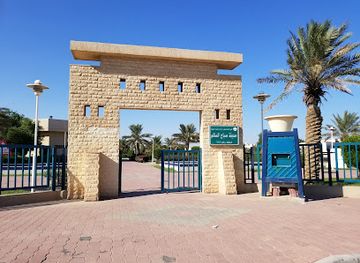
Garden
حديقة صباح السالم
Explore the lush greenery and vibrant flowers of Sabah Al Salem Garden, a serene haven in Kuwait for relaxation and picturesque strolls.
10 min walk · 0.8 km from city centre
-
Garden
Mishref garden
Discover tranquility at Mishref Garden, a lush green oasis in Mubarak Al-Abdullah, perfect for leisurely strolls and family outings.
8 min drive · 2.7 km from city centre
Best landmarks in Sabah Al-Salem
Sabah Al-Salem is primarily a modern suburb and does not possess a historic landmark core comparable with Kuwait City's older quarters. Its most significant local reference point is the district's association with Sheikh Sabah Al-Salem Al-Sabah, whose name appears across the neighbourhood and nearby educational development. The architectural landmarks most visitors associate with the area are found farther north: Kuwait Towers form the country's best-known modern skyline symbol, the Grand Mosque represents a major civic and religious building, and the National Assembly complex expresses Kuwait's contemporary political identity. Souq Al-Mubarakiya provides a contrasting historic urban setting through its low-rise market lanes and long-standing commercial role. These places explain Kuwait's movement from coastal trading settlement to oil-era state, while Sabah Al-Salem represents the later suburban expansion that now connects the capital with the southern metropolitan corridor.
-
Hotel
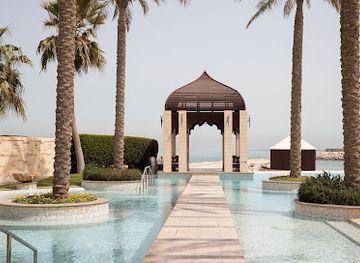
Jumeirah Messilah Beach Hotel & Spa
Experience the ultimate luxury at Jumeirah Messilah Beach Hotel & Spa, your serene beachfront escape in the heart of Kuwait City.
10 min drive · 3.3 km from city centre
-
Supermarket
Sabah Al Salem Co-op
Explore local flavors and everyday Kuwaiti life at Sabah Al Salem Co-op, your go-to destination for groceries and specialty items in Kuwait.
14 min walk · 1.2 km from city centre
-
Amusement center
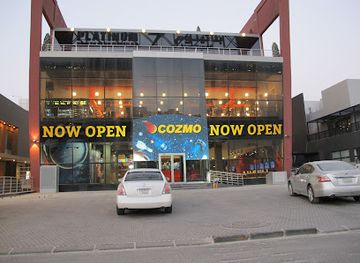
Cozmo Entertainment, Sabah Al Salem
Experience endless fun and excitement at Cozmo Entertainment in Sabah Al Salem, the ultimate amusement center for bowling and arcade games.
8 min drive · 2.8 km from city centre
-
Indoor playground
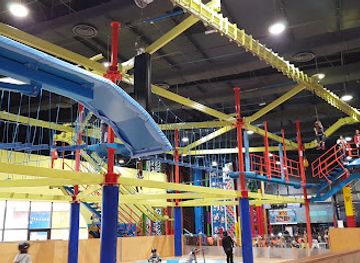
Trampo Extreme
Experience adventure and fun at Trampo Extreme, Kuwait's leading indoor playground with trampolines, obstacle courses, and thrilling activities for all ages.
10 min drive · 3.4 km from city centre
Explore Sabah Al-Salem on the map
Plan your Sabah Al-Salem trip on one map. See where the top attractions, landmarks, restaurants, bars and hotels are, find what's near where you're staying, and book hotels and experiences in a few clicks.
Best hotels in Sabah Al-Salem
Best restaurants in Sabah Al-Salem
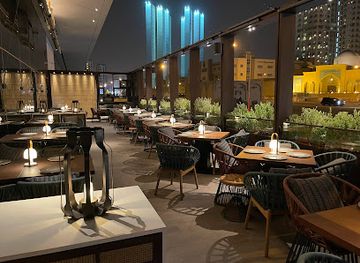
Dining in Sabah Al-Salem reflects the everyday character of southern Kuwait, with casual restaurants, cafés, takeaway counters and family venues spread through commercial strips rather than clustered in one historic food quarter. Kuwaiti cooking appears through dishes such as machboos, rice cooked with spiced meat or fish, and mutabbal, soups, grilled meats and sweet preparations influenced by the Gulf's trading history. The wider metropolitan area also offers Lebanese, Indian, Iranian, Egyptian and South Asian food, reflecting Kuwait's diverse resident population. Coffee shops are important evening meeting places, while larger shopping developments provide air-conditioned dining and international chains alongside independent businesses. Visitors seeking traditional atmosphere can travel north to Souq Al-Mubarakiya, where small eateries and market stalls complement the old commercial setting; Sabah Al-Salem itself is more representative of contemporary suburban dining than of formal culinary tourism.
-
Middle Eastern
Amiti Noura
Discover authentic Middle Eastern cuisine at Amiti Noura in Sabah Al Salem's Al-Arjan Complex—where tradition meets taste.
7 min drive · 2.4 km from city centre
-
Health Food
PICK
Experience the essence of healthy eating at PICK - where fresh ingredients meet innovative cuisine in Sabah Al Salem.
6 min walk · 0.5 km from city centre
-
Restaurant
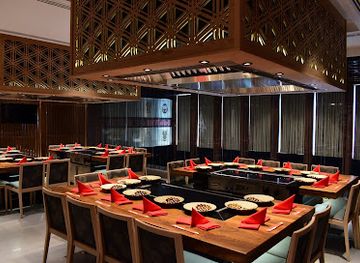
Benihana Sabah Al Salem
Experience the thrill of teppanyaki dining at Benihana Sabah Al Salem - where culinary artistry meets entertainment in every meal.
6 min drive · 2.2 km from city centre
-
Seafood
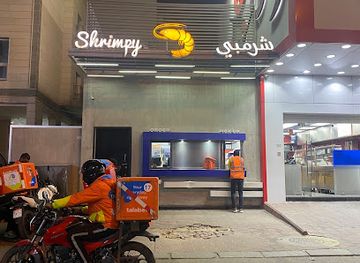
Shrimpy - Sabah Al Salem
Discover the freshest seafood delights at Shrimpy - Sabah Al Salem, where every bite transports you to culinary bliss.
7 min drive · 2.5 km from city centre
Best bars in Sabah Al-Salem
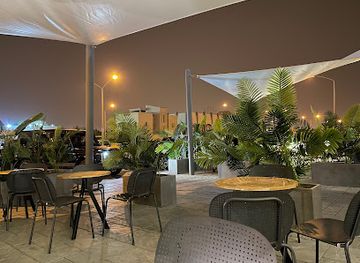
Kuwait has no conventional bar and nightclub scene because alcohol is prohibited, and Sabah Al-Salem's evenings are centred instead on cafés, restaurants, dessert shops, shopping areas and family gatherings. After sunset, the district's commercial streets become more sociable, with coffee and tea venues providing places to talk well into the evening. Entertainment in the wider metropolitan area includes cinemas, cultural programming and seasonal public events, while Kuwait City's waterfront and malls offer more organised evening activity than the residential suburb. Traditional cafés and restaurant terraces can provide a relaxed introduction to local social life, although outdoor comfort depends strongly on the season. Visitors should follow venue rules, dress respectfully and remember that nightlife in Kuwait is generally built around food, conversation, shopping and cultural occasions rather than alcohol-led entertainment or late-night clubs.
-
Restaurant
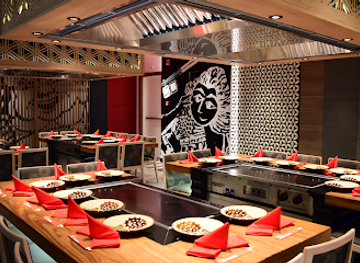
Benihana Sabah Al Salem
Experience authentic Japanese teppanyaki at Benihana Sabah Al Salem, where culinary artistry meets a captivating dining atmosphere.
6 min drive · 2.2 km from city centre
-
Restaurant
Fat Free
Discover the perfect blend of health and flavor at Fat Free, where guilt-free dining meets culinary creativity in the heart of Sabah Al Salem.
7 min drive · 2.5 km from city centre
-
American
Chili's
Experience the vibrant flavors of American cuisine at Chili's in Sabah Al Salem, where every dish is a celebration of taste and tradition.
6 min drive · 2.2 km from city centre
-
Restaurant
Black Tray
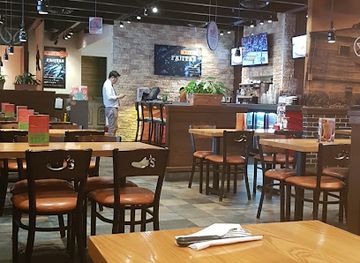
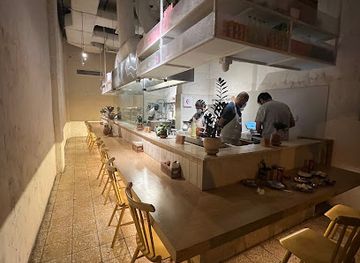
Discover Black Tray in Sabah Al Salem – a culinary delight with diverse flavors and a welcoming ambiance perfect for any dining occasion.
7 min drive · 2.3 km from city centre
Best nightclubs in Sabah Al-Salem
Kuwait has no conventional bar and nightclub scene because alcohol is prohibited, and Sabah Al-Salem's evenings are centred instead on cafés, restaurants, dessert shops, shopping areas and family gatherings. After sunset, the district's commercial streets become more sociable, with coffee and tea venues providing places to talk well into the evening. Entertainment in the wider metropolitan area includes cinemas, cultural programming and seasonal public events, while Kuwait City's waterfront and malls offer more organised evening activity than the residential suburb. Traditional cafés and restaurant terraces can provide a relaxed introduction to local social life, although outdoor comfort depends strongly on the season. Visitors should follow venue rules, dress respectfully and remember that nightlife in Kuwait is generally built around food, conversation, shopping and cultural occasions rather than alcohol-led entertainment or late-night clubs.
-
Amusement center
Cozmo Entertainment, Sabah Al Salem
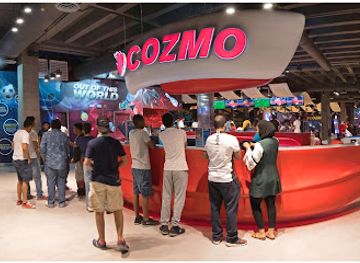
Discover endless fun and entertainment at Cozmo Entertainment in Sabah Al Salem, where bowling meets excitement for all ages.
8 min drive · 2.8 km from city centre
-
 Lounge
ديوان صالح البسام
Discover the elegance of Diwan Saleh Al-Bassam, a premier lounge in Sabah, Kuwait, offering a serene atmosphere and gourmet delights.
9 min walk · 0.7 km from city centre
-
Bar
Fresh vibes
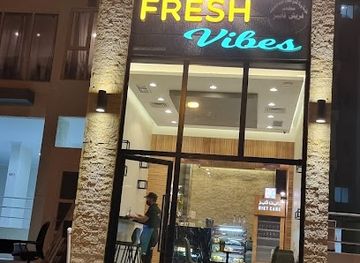
Discover Fresh Vibes in Sabah Al Salem, where vibrant nightlife meets refreshing cocktails for an unforgettable bar experience.
6 min drive · 2.1 km from city centre
-
Bar
The Crib
Discover the vibrant nightlife of Sabah Al Salem at The Crib, where exceptional drinks and a lively atmosphere await every visitor.
6 min drive · 2.1 km from city centre
Best shops in Sabah Al-Salem
Shopping in Sabah Al-Salem is mainly practical and neighbourhood-based, with supermarkets, local retail strips, pharmacies, cafés and modern commercial centres serving residents rather than a dedicated tourist market. Travellers can find clothing, perfumes, sweets, dates, household goods and locally popular gift items, although the selection varies by shopping area. For a stronger sense of Kuwait's trading traditions, Souq Al-Mubarakiya in Kuwait City offers spices, dried foods, incense, textiles, gold shops and small souvenir stalls in a more atmospheric setting. Contemporary malls elsewhere in the metropolitan area provide air-conditioned international retail, department stores and food courts, reflecting the country's modern consumer culture. Visitors looking for gifts should compare products and packaging carefully, particularly for food and fragrances, and should distinguish genuinely regional goods from imported merchandise sold as general souvenirs.
-
Supermarket
Sabah Al Salem Co-op
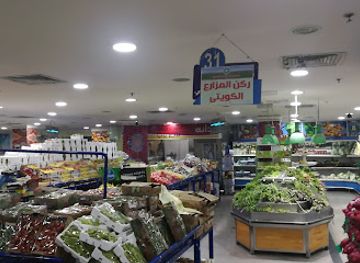
Experience the flavors of Kuwait at Sabah Al Salem Co-op, a vibrant supermarket offering a wide selection of local and international groceries.
14 min walk · 1.2 km from city centre
-
Supermarket
Sabah Al-Salem Cooperation Souq 3
Discover the vibrant flavors and local culture at Sabah Al-Salem Cooperation Souq 3, a must-visit supermarket in Kuwait City.
6 min drive · 1.8 km from city centre
-
Pet supply store
Petzone
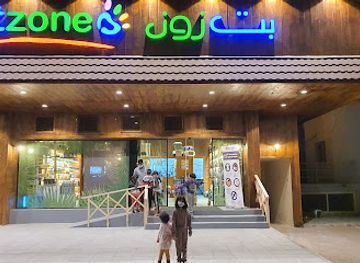
Explore Petzone in Sabah Al Salem for all your pet supply needs, featuring grooming services and expert advice for pet lovers.
7 min drive · 2.2 km from city centre
-
Coffee shop
RND coffee bar
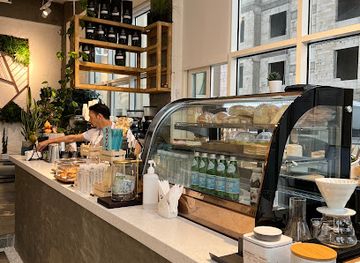
Discover the cozy ambiance and rich flavors of RND Coffee Bar, a perfect stop for coffee lovers in Sabah Al Salem, Kuwait.
6 min drive · 2.1 km from city centre
Get your free copy of our complete guide to Sabah Al-Salem, delivered straight to you.
Everything on this page, from attractions and restaurants to essentials and local phrases, in one PDF you can read offline, print or share.
Already have an account? Sign in
Your Sabah Al-Salem guide is ready.
We'll send it to · Not you? Sign out

Getting your guide ready…
We are putting together a fresh copy of the Sabah Al-Salem guide. This can take up to a minute.
This can take a few moments. If your browser asks, choose Allow so the download can start. You'll find the guide in your Downloads folder.
Nothing happened? Download it again
Sorry, the guide is taking longer than usual. Please try again in a minute, or get it by email instead.
Sabah Al-Salem essentials
Currency and Payment
Safety
Emergency Situations
Do's and Don'ts
Local Tips
From Eve
Local phrases worth knowing
You don't need to get them perfect. A few words go a long way, and locals appreciate the effort.
Basics
| English | Local | Say it |
|---|---|---|
| Hello | مرحبا | [marhaba] |
| Goodbye | وداعا | [wada'an] |
| Yes | نعم | [naam] |
| No | لا | [la] |
| Please/You're welcome | من فضلك | [min fadlik] |
| Thank you | شكرا لك | [shukran lak] |
| Excuse me/Sorry | عذرا | [‘adhraan] |
| How are you? | كيف حالك؟ | [kayf halik?] |
| Fine. And you? | بخير. وأنت؟ | [bikhayr. wa'ant?] |
| Do you speak English? | هل تتكلم الإنجليزية؟ | [hal tatakallam al'iinjliiziya?] |
| I don't understand | لا أفهم | [la afham] |
Eating & Drinking
| English | Local | Say it |
|---|---|---|
| I'd like to see the menu, please | أريد أن أرى القائمة، من فضلك | [urid 'an 'ara alqaimah, min fadlik] |
| I don't eat meat | أنا لا آكل اللحوم | [ana la aakul al'lahum] |
| Cheers! | في صحتك! | [fi sahtak!] |
| I would like to pay, please | أريد أن أدفع، من فضلك | [urid 'an 'adfa', min fadlik] |
Emergencies
| English | Local | Say it |
|---|---|---|
| Help! | النجدة! | [alnajdah!] |
| Go away! | انصرف! | [ansarif!] |
| Call the Police! | اتصل بالشرطة! | [itassil bialshurta!] |
| Call a doctor! | اتصل بطبيب! | [itassil bialtabib!] |
| I'm lost | ضاعت مني الطريق | [da'at mani altariq] |
| I'm ill | أنا مريض | [ana mareed] |
Shopping
| English | Local | Say it |
|---|---|---|
| I'd like to buy... | أريد أن أشتري... | [urid 'an 'ashtari...] |
| I'm just looking | أنا فقط أتفرج | [ana faqat atafarraj] |
| How much is it? | بكم هذا؟ | [bikam hadha?] |
| That's too expensive | هذا غالي جدا | [hadha ghali jiddan] |
| Can you lower the price? | هل يمكنك خفض السعر؟ | [hal yumkinuk khaff alsa'r?] |
Time & Numbers
| English | Local | Say it |
|---|---|---|
| What time is it? | كم الساعة؟ | [kam alsa'ah?] |
| It's one o'clock | الساعة الواحدة | [alsa'ah alwahidah] |
| Half past (10) | الساعة والنصف | [alsa'ah walnisf] |
| Morning | الصباح | [alsabah] |
| Afternoon | الظهر | [aldhuhur] |
| Evening | المساء | [almasa'] |
| Yesterday | أمس | [ams] |
| Today | اليوم | [alyawm] |
| Tomorrow | غدا | [ghadan] |
| 1 | واحد | [wahid] |
| 2 | اثنان | [ithnan] |
| 3 | ثلاثة | [thalatha] |
| 4 | أربعة | [arba'ah] |
| 5 | خمسة | [khamsah] |
| 6 | ستة | [sittah] |
| 7 | سبعة | [sab'ah] |
| 8 | ثمانية | [thamaniyah] |
| 9 | تسعة | [tis'ah] |
| 10 | عشرة | [asharah] |
Transport & Directions
| English | Local | Say it |
|---|---|---|
| Where's a/the...? | أين... | [ayn...] |
| What's the address? | ما هو العنوان؟ | [ma huwa al'anaan?] |
| Can you show me (on the map)? | هل يمكنك أن تريني (على الخريطة)؟ | [hal yumkinuk 'an tarini (‘ala alkhariitah)?] |
| When's the next (bus)? | متى يأتي الحافلة التالية؟ | [mata ya'ti alhafilat alttaliyah?] |
| A ticket (to ....) | تذكرة (إلى ...) | [tazkirah (‘iilaa ...)] |
History of Sabah Al-Salem
A District Named for an Emir
Sabah Al-Salem takes its name from Sheikh Sabah Al-Salem Al-Sabah, who served as Kuwait's emir from 1965 until 1977. Naming the district after a ruling member of the Al-Sabah family reflects a broader Kuwaiti practice of commemorating national leaders through roads, institutions and residential areas. The neighbourhood is not an ancient settlement with a continuous archaeological record; its identity belongs mainly to the modern expansion of Kuwait beyond the historic capital and coastal towns.
Urban Expansion after Oil
The growth of Sabah Al-Salem belongs to Kuwait's post-oil transformation, when rising state revenues, population growth and new infrastructure reshaped settlement patterns. Traditional low-rise quarters near Kuwait City's old commercial centre gradually gave way to planned residential districts connected by wide roads and public services. Sabah Al-Salem developed within this metropolitan process, providing housing and neighbourhood facilities in the south rather than functioning as an independent historic town. Its built environment therefore records Kuwait's twentieth-century shift from compact coastal settlement to dispersed suburbia.
The Metropolitan South Takes Shape
As Kuwait's population and road network expanded, southern districts including Sabah Al-Salem became increasingly integrated into one metropolitan corridor. Residential neighbourhoods, schools, mosques, shopping facilities and public institutions extended towards Fintas, Messila, Mahboula and other coastal or inland suburbs. This pattern reduced the importance of a single central urban core for everyday life, while private cars became central to commuting and social activity. The district's history is consequently one of planned urban growth and regional interconnection rather than of battles, dynastic monuments or a preserved historic centre.
Education and Contemporary Kuwait
The modern identity of the wider southern metropolitan area has also been shaped by education and public infrastructure. Shdadiya, near Sabah Al-Salem, became associated with Kuwait University's Sabah Al-Salem University City, a major campus project reflecting the country's investment in higher education and large-scale contemporary architecture. Although the university city is outside the district itself, its presence contributes to the area's changing regional profile. Sabah Al-Salem today remains primarily residential, illustrating how Kuwait's urban history continues through expanding suburbs, institutional developments and connected coastal communities.
Sabah Al-Salem in Photos
Browse through our photo collection highlighting the charm and character of the destination.
Cities near Sabah Al-Salem
The closest cities to Sabah Al-Salem, if you have time for more than one stop.
-

-

-

-
-


Swipe for more cities
Explore more

Explore more of Kuwait
Discover the blend of modernity and tradition in Kuwait, a vibrant gem in the Arabian Gulf, offering cultural heritage, luxury shopping, and diverse culinary delights.
Explore Kuwait