

Free Ahmadi Travel Guide & Mobile App
Plan your Ahmadi trip with Evendo. Get free guides to top attractions, restaurants, hotels, and bars. Web access or download the mobile app.


Ahmadi, Kuwait blends oil-town heritage, leafy streets, KOC history, desert landscapes and nearby Gulf attractions for distinctive sightseeing.
An Oil Town Shaped by Kuwait’s Petroleum Era
Ahmadi lies in southern Kuwait, inland from the Gulf coast and close to the industrial and residential districts of the Ahmadi Governorate. Unlike Kuwait City, it was not developed as an old trading settlement or a traditional coastal town. Its identity emerged from Kuwait’s petroleum industry: the Kuwait Oil Company established the settlement in the 1940s near the country’s expanding oil operations and named it after Sheikh Ahmad Al-Jaber Al-Sabah, who ruled Kuwait from 1921 to 1950. The result is a planned town of broad roads, mature trees, low-rise housing and carefully maintained green spaces, an unusual landscape in a country better known for dry desert surroundings.Read more about Ahmadi
Gardens, Bungalows and Industrial Memory
A Base for Southern Kuwait
When is the best time to visit Ahmadi?
Best: February–March, December · 23–28°C| Month | High (°C) | Rainfall (mm) |
|---|---|---|
| January | 21 | 0 |
| February (best) | 23 | 0 |
| March (best) | 28 | 0 |
| April | 34 | 0 |
| May | 40 | 0 |
| June | 45 | 0 |
| July | 47 | 0 |
| August | 47 | 0 |
| September | 44 | 0 |
| October | 37 | 0 |
| November | 32 | 0 |
| December (best) | 27 | 0 |
Getting to and around Ahmadi
How to get there
Transportation
Best attractions in Ahmadi
Ahmadi’s attractions reflect its specialised identity as Kuwait’s historic oil-company town. The Ahmad Al-Jaber Oil and Gas Exhibition is the most direct introduction to the country’s petroleum story, using displays and interpretation to explain exploration, drilling, production and the industry’s national importance. Ahmadi Park provides a greener setting, with lawns, mature planting and open space that contrast with the surrounding desert climate. Exploring the planned residential quarters can reveal broad avenues, older bungalows and company-era town planning, although visitors should respect private property and access controls. The town also works well as part of a southern Kuwait itinerary: nearby Fahaheel adds a coast-facing commercial district, while Al Kout Mall offers contemporary architecture, shopping and waterfront surroundings. The wider Ahmadi Governorate contains oilfields, industrial landscapes and desert roads, but these are not ordinary sightseeing sites and may be restricted. Ahmadi’s appeal lies less in a long list of monuments than in its unusually clear account of how petroleum shaped Kuwait’s built environment.
-
Tourist attraction
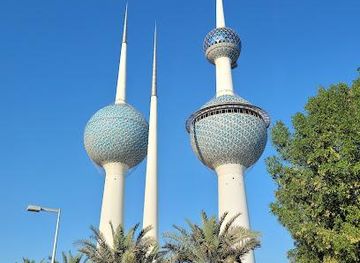
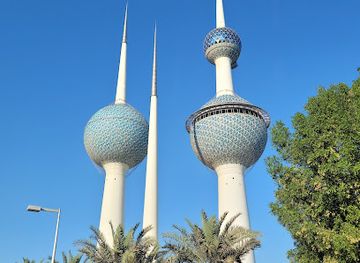
Kuwait Towers
Explore the breathtaking Kuwait Towers, a blend of modern architecture and rich history, offering stunning views of Kuwait City and the Arabian Gulf.
56 min drive · 36 km from city centre
-
Park
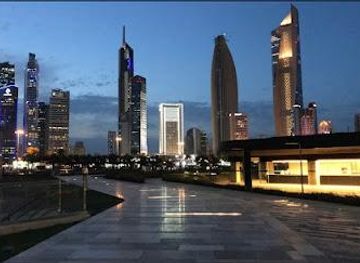
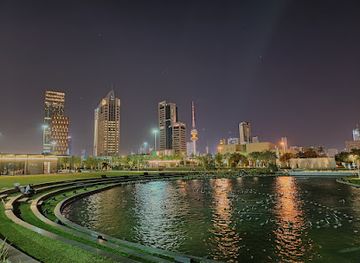
Al Shaheed Park
Experience the beauty and tranquility of Al Shaheed Park, a lush urban oasis in the heart of Kuwait City featuring museums and stunning landscapes.
54 min drive · 34 km from city centre
-
Tourist attraction
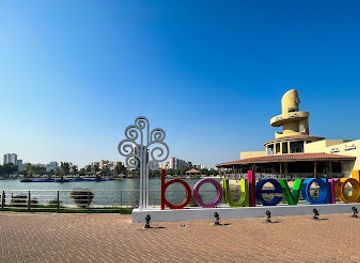
Boulevard Park
Explore the lush landscapes and vibrant atmosphere of Boulevard Park in Salmiya, a top tourist attraction in Kuwait for relaxation and recreation.
48 min drive · 28 km from city centre
-
Seafood
Kuwaiti Fresh Fish Market
Discover the vibrant Kuwaiti Fresh Fish Market, where fresh seafood and local culture come together in a lively and authentic atmosphere.
56 min drive · 36 km from city centre


Best landmarks in Ahmadi
Ahmadi’s principal landmarks are connected with petroleum, planned urbanism and landscaped public space rather than ancient monuments. The Ahmad Al-Jaber Oil and Gas Exhibition stands as the town’s clearest interpretive landmark, placing Kuwait’s exploration and production history within a public educational setting. Ahmadi Park is a notable civic landscape, its established trees and irrigated greenery demonstrating the effort required to create a garden town in an arid environment. The older residential quarters and company-era bungalows are also significant as surviving evidence of the settlement planned by the Kuwait Oil Company from the 1940s. KOC administrative and operational buildings contribute to the town’s identity, although some remain controlled working premises rather than visitor attractions. Away from Ahmadi, the commercial and maritime landmarks of Fahaheel provide a useful contrast: the southern region’s urban story moves from company housing and oil infrastructure towards shopping, coastal recreation and contemporary development.
-
Park
Al Shaheed Park
Al Shaheed Park in Kuwait City - A lush urban retreat featuring gardens, museums, and memorials that celebrate Kuwait's heritage and beauty.
54 min drive · 34 km from city centre
-
Tourist attraction
Kuwait Towers
Discover the stunning Kuwait Towers, a blend of modern architecture and cultural heritage, offering breathtaking views of Kuwait City and the Arabian Gulf.
56 min drive · 36 km from city centre
-
Park
Boulevard Park
Experience the lush landscapes and recreational delights at Boulevard Park, Salmiya’s premier destination for relaxation and outdoor fun.
48 min drive · 28 km from city centre
-
Hotel
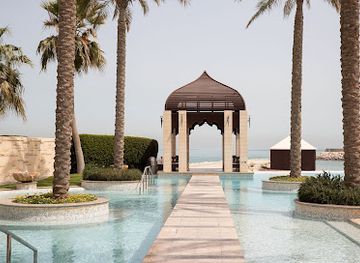
Jumeirah Messilah Beach Hotel & Spa
Experience the epitome of luxury and relaxation at Jumeirah Messilah Beach Hotel & Spa, where Arabian hospitality meets breathtaking beach views.
41 min drive · 21 km from city centre
Explore Ahmadi on the map
Plan your Ahmadi trip on one map. See where the top attractions, landmarks, restaurants, bars and hotels are, find what's near where you're staying, and book hotels and experiences in a few clicks.
Best hotels in Ahmadi
Best restaurants in Ahmadi
Dining in Ahmadi reflects Kuwait’s modern, international society and the practical character of a company town. Restaurants and cafés serve Kuwaiti and wider Gulf dishes alongside Indian, Lebanese, Iranian, South Asian and familiar international cuisines, with rice dishes, grilled meats, seafood, flatbreads, dates and spiced coffee appearing across the region’s food culture. Kuwaiti specialities such as machboos, in which spiced rice is served with fish or meat, and hearty stews can be found in local cooking, although availability varies by venue. For a broader choice, visitors generally head towards Fahaheel and the commercial districts of the southern governorate, where casual eateries, cafés and shopping-centre restaurants sit alongside takeaway counters. Dining is usually informal and family-oriented, while established cafés provide places for tea, coffee and conversation. Alcohol is not served legally, and business hours can change during Ramadan and religious holidays.
-
Market
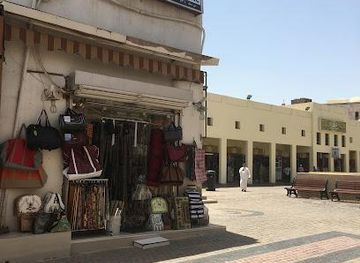
Al Mubarakiya
Kuwait City's ancient souq pulses with spice-scented alleys, golden treasures, fresh catches, and sizzling grills—a timeless trade heart where history haggls with hungry crowds.
55 min drive · 35 km from city centre
-
Restaurant
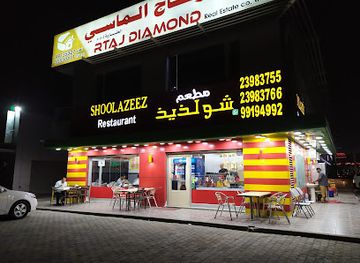
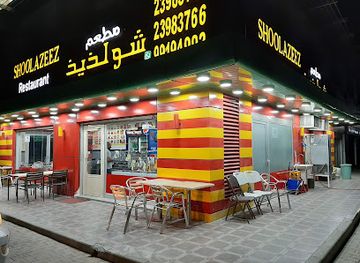
Shoolazeez Restaurant
Experience authentic Kuwaiti cuisine at Shoolazeez Restaurant in Ahmadi - where tradition meets taste at affordable prices.
14 min walk · 1.1 km from city centre
-
Chicken
Raising Cane's
Experience delicious fried chicken at Raising Cane's in Ahmadi Park—where quality meets flavor in every bite.
6 min drive · 2.1 km from city centre
-
Yemenite
Yalamlam Ahmadi
Experience authentic Yemenite flavors at Yalamlam Ahmadi - a culinary gem in Kuwait's vibrant cityscape.
6 min walk · 0.5 km from city centre
Best bars in Ahmadi
Ahmadi does not have a conventional bar or nightclub scene because alcohol is prohibited in Kuwait and licensed drinking venues are not part of public nightlife. Evenings are instead centred on restaurants, coffee shops, dessert cafés, family gatherings and shopping areas, with activity often becoming more noticeable after the heat of the day subsides. Visitors seeking a livelier commercial atmosphere can explore Fahaheel, where cafés, restaurants and the waterfront create more choice than the quieter residential streets of Ahmadi. Hotels and larger commercial venues may host food, cultural or entertainment programming, but offerings are subject to local regulations and should be checked directly. During Ramadan, evening social life often gathers after sunset, while public behaviour remains conservative; modest dress, respectful conduct and sensitivity around prayer times are appropriate throughout the southern governorate.
-
Restaurant
Shoolazeez Restaurant
Experience the authentic flavors of Ahmadi at Shoolazeez Restaurant, where tradition meets modern dining in a welcoming atmosphere.
14 min walk · 1.1 km from city centre
-
Restaurant
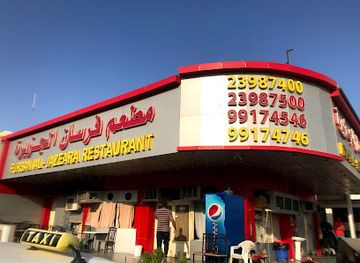
Fursan Aljazzera Resturant مطعم فرسان الجزيرة
Savor the exquisite tastes of traditional Kuwaiti cuisine at Fursan Aljazzera Restaurant in Ahmadi, a must-visit for every food lover.
11 min walk · 0.9 km from city centre
-
Restaurant
Mahima Indian Restaurant
Experience authentic Indian cuisine at Mahima Indian Restaurant in Ahmadi, where every dish is a celebration of flavor and tradition.
11 min walk · 0.9 km from city centre
-
Restaurant
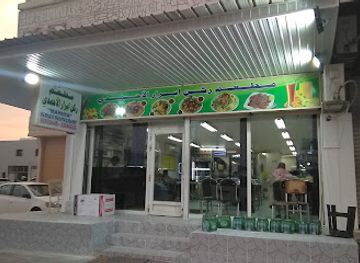
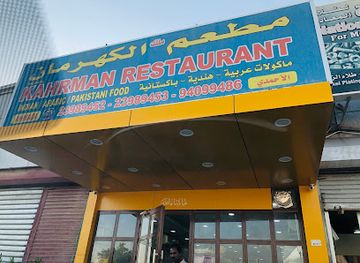
Kahrman Restuarantمطعم ملك الكهرمان الاحمدي
Discover the authentic flavors of the Middle East at Kahrman Restaurant, a culinary gem in Ahmadi, known for its diverse menu and welcoming atmosphere.
8 min walk · 0.6 km from city centre
Best nightclubs in Ahmadi
Ahmadi does not have a conventional bar or nightclub scene because alcohol is prohibited in Kuwait and licensed drinking venues are not part of public nightlife. Evenings are instead centred on restaurants, coffee shops, dessert cafés, family gatherings and shopping areas, with activity often becoming more noticeable after the heat of the day subsides. Visitors seeking a livelier commercial atmosphere can explore Fahaheel, where cafés, restaurants and the waterfront create more choice than the quieter residential streets of Ahmadi. Hotels and larger commercial venues may host food, cultural or entertainment programming, but offerings are subject to local regulations and should be checked directly. During Ramadan, evening social life often gathers after sunset, while public behaviour remains conservative; modest dress, respectful conduct and sensitivity around prayer times are appropriate throughout the southern governorate.
-
Hotel
Crowne Plaza Kuwait al Thuraya City, an IHG Hotel
Discover the elegance and luxury of Crowne Plaza Kuwait al Thuraya City, where business meets leisure in the heart of Kuwait City.
44 min drive · 24 km from city centre
-
Resort hotel
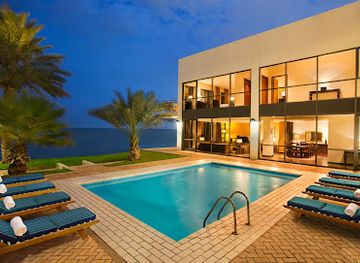
Hilton Kuwait Resort
Discover the perfect blend of luxury and relaxation at Hilton Kuwait Resort, where stunning views and world-class amenities await you.
20 min drive · 6.7 km from city centre
-
Hotel
Radisson Blu Hotel, Kuwait
Discover unparalleled luxury and hospitality at the Radisson Blu Hotel, Kuwait, the perfect destination for tourists seeking comfort and elegance.
45 min drive · 25 km from city centre
-
Hotel
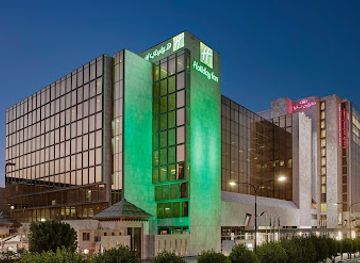
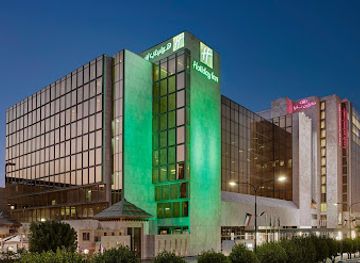
Holiday Inn Kuwait al Thuraya City, an IHG Hotel
Experience unparalleled luxury and comfort at Holiday Inn Kuwait al Thuraya City, your gateway to exploring the vibrant culture of Kuwait.
44 min drive · 24 km from city centre

Best shops in Ahmadi
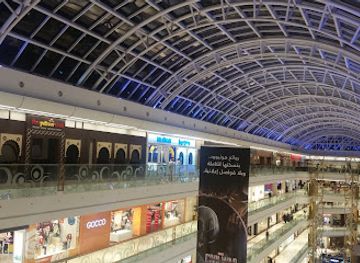
Shopping in Ahmadi is mainly practical and neighbourhood-based, with everyday shops, cafés and small businesses serving residential communities rather than a single historic bazaar. For a wider retail experience, nearby Fahaheel offers commercial streets, local stores, restaurants and Al Kout Mall, where contemporary shopping is combined with a waterfront setting. Larger malls in the wider metropolitan area provide international fashion, electronics, beauty products and department-store retail, while smaller shops are useful for snacks, bottled water, clothing and household goods. Visitors looking for distinctly Kuwaiti or Gulf-oriented purchases should consider dates, Arabic sweets, spices, coffee, oud fragrances, textiles and decorative handicrafts, checking provenance when buying items presented as traditional. Ahmadi’s shopping character reflects its planned residential origins and proximity to the southern commercial corridor: it is more convenient and contemporary than an old market district, with local retail spread through separate neighbourhoods.
-
Shopping mall
360 Mall
Experience luxury shopping, exquisite dining, and endless entertainment at 360 Mall in Zahra, Kuwait's premier shopping destination.
43 min drive · 23 km from city centre
-
Shopping mall
Avenues Mall Phase 4
Discover Avenues Mall Phase 4 in Kuwait Al Rai, a premier shopping destination offering luxury brands, fine dining, and family-friendly entertainment.
49 min drive · 29 km from city centre
-
Shopping mall
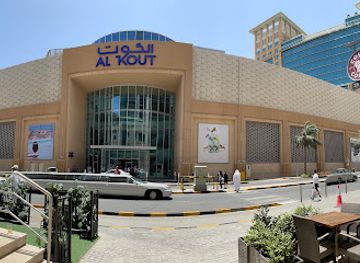
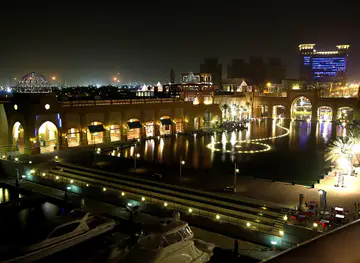
Al Kout Mall
Experience luxury shopping, dining, and entertainment at Al Kout Mall, Kuwait's premier shopping destination by the waterfront.
16 min drive · 5.3 km from city centre
-
Shopping mall
The Gate Mall
Experience luxury shopping, diverse dining, and family-friendly entertainment at The Gate Mall in Kuwait, a must-visit destination for every traveler.
31 min drive · 11 km from city centre
Get your free copy of our complete guide to Ahmadi, delivered straight to you.
Everything on this page, from attractions and restaurants to essentials and local phrases, in one PDF you can read offline, print or share.
Already have an account? Sign in
Your Ahmadi guide is ready.
We'll send it to · Not you? Sign out

Getting your guide ready…
We are putting together a fresh copy of the Ahmadi guide. This can take up to a minute.
This can take a few moments. If your browser asks, choose Allow so the download can start. You'll find the guide in your Downloads folder.
Nothing happened? Download it again
Sorry, the guide is taking longer than usual. Please try again in a minute, or get it by email instead.
Ahmadi essentials
Currency and Payment
Safety
Emergency Situations
Do's and Don'ts
Local Tips
From Eve
Local phrases worth knowing
You don't need to get them perfect. A few words go a long way, and locals appreciate the effort.
Basics
| English | Local | Say it |
|---|---|---|
| Hello | مرحبا | [marhaba] |
| Goodbye | وداعا | [wada'an] |
| Yes | نعم | [na'am] |
| No | لا | [la] |
| Please/You're welcome | من فضلك | [min fadlik] |
| Thank you | شكرا | [shukran] |
| Excuse me/Sorry | عذرا | ['udhran] |
| How are you? | كيف حالك؟ | [kayfa haluk?] |
| Fine. And you? | بخير. وأنت؟ | [bikhayr. wa'ant?] |
| Do you speak English? | هل تتكلم الإنجليزية؟ | [hal tatakallam al'injlizia?] |
| I don't understand | لا أفهم | [la afham] |
Eating & Drinking
| English | Local | Say it |
|---|---|---|
| I'd like to see the menu, please | أريد أن أرى القائمة، من فضلك | [urid an ara alqaima, min fadlik] |
| I don't eat meat | أنا لا آكل اللحوم | [ana la akl allahum] |
| Cheers! | صحتك! | [sahhtak!] |
| I would like to pay, please | أريد أن أدفع، من فضلك | [urid an adfa', min fadlik] |
Emergencies
| English | Local | Say it |
|---|---|---|
| Help! | النجدة! | [alnajda!] |
| Go away! | انصرف! | [ansarif!] |
| Call the Police! | اتصل بالشرطة! | [aitisal bialshurta!] |
| Call a doctor! | اتصل بطبيب! | [aitisal bitabib!] |
| I'm lost | لقد ضللت الطريق | [laqad dalalt altariq] |
| I'm ill | أنا مريض | [ana mareed] |
Shopping
| English | Local | Say it |
|---|---|---|
| I'd like to buy... | أريد أن أشتري... | [urid an ashtari...] |
| I'm just looking | أنا فقط أتطلع | [ana faqat atatalla] |
| How much is it? | كم سعره؟ | [kam si'ruh?] |
| That's too expensive | هذا غالي جدا | [hadha ghali jiddan] |
| Can you lower the price? | هل يمكنك خفض السعر؟ | [hal yumkinuk khafd alsir?] |
Time & Numbers
| English | Local | Say it |
|---|---|---|
| What time is it? | كم الساعة؟ | [kam alsaa'a?] |
| It's one o'clock | الساعة الواحدة | [alsaa'a alwahida] |
| Half past (10) | العاشرة والنصف | [al'ashra waalnisf] |
| Morning | الصباح | [assabah] |
| Afternoon | بعد الظهر | [ba'd aldhuhur] |
| Evening | المساء | [almasa'] |
| Yesterday | أمس | [ams] |
| Today | اليوم | [alyawm] |
| Tomorrow | غدا | [ghadan] |
| 1 | واحد | [wahid] |
| 2 | اثنان | [ithnan] |
| 3 | ثلاثة | [thalatha] |
| 4 | أربعة | [arba'a] |
| 5 | خمسة | [khamsa] |
| 6 | ستة | [sitta] |
| 7 | سبعة | [saba'a] |
| 8 | ثمانية | [thamania] |
| 9 | تسعة | [tasia] |
| 10 | عشرة | [ashara] |
Transport & Directions
| English | Local | Say it |
|---|---|---|
| Where's a/the...? | أين... | [ayn...] |
| What's the address? | ما هو العنوان؟ | [ma hu al'anaan?] |
| Can you show me (on the map)? | هل يمكنك أن تريني (على الخريطة)؟ | [hal yumkinuk an tarini (ala alkharita)?] |
| When's the next (bus)? | متى الحافلة التالية؟ | [mata alhafilat altaliat?] |
| A ticket (to ....) | تذكرة (إلى ...) | [tazkara (ila ...)] |
History of Ahmadi
Kuwait Before the Oil Town
Before Ahmadi existed, southern Kuwait was characterised by desert, seasonal movement, small settlements and the coastal economy of fishing, pearling and maritime trade. Kuwait’s political and commercial life was concentrated around Kuwait Town, while the interior was sparsely populated and used in ways shaped by water, grazing and access to the coast. The area that would become Ahmadi acquired a new importance after petroleum exploration began to change the country’s economic prospects. This transformation did not replace the older geography immediately, but it introduced new roads, survey camps, technical operations and links between the coast, desert and emerging oilfields.
The Kuwait Oil Company Begins Operations
The Kuwait Oil Company was formed in 1934 by the Anglo-Persian Oil Company, later known as BP, and the American Gulf Oil Company. Commercial quantities of oil were discovered at Burgan in 1938, although the Second World War delayed the full development of the industry. The first export of Kuwaiti crude took place in 1946, marking a decisive change in the country’s economic direction. As production expanded, the company required a permanent settlement for engineers, administrators, skilled workers and their families. Ahmadi developed in this setting, close to the operational heart of the emerging petroleum industry.
Ahmadi Takes Shape in the 1940s
The new settlement was named after Sheikh Ahmad Al-Jaber Al-Sabah, Kuwait’s ruler during the period when the oil concession was granted and exploration gathered momentum. From the 1940s, Ahmadi was planned as a company town rather than an organically grown Kuwaiti quarter. Its layout included housing, administrative buildings, schools, recreational facilities and landscaped areas, reflecting the practical requirements and social hierarchies of a major oil enterprise. The town’s mature greenery became one of its defining features, sustained by organised irrigation in an arid environment. Its built form still records the arrival of modern industrial planning in southern Kuwait.
Oil Wealth and National Transformation
Petroleum revenues transformed Kuwait during the second half of the twentieth century, supporting public services, infrastructure, education and rapid urban development. Ahmadi remained closely associated with the technical and administrative workforce that made oil production possible, while nearby settlements such as Fahaheel grew as commercial and residential centres. The town’s company-built quarters formed part of a wider shift from a relatively small maritime economy to a modern state with international connections. As Kuwait expanded, many functions once concentrated in oil-company settlements became part of national institutions, yet Ahmadi retained a distinct identity through its planned streets, greenery and continuing connection with the Kuwait Oil Company.
War, Reconstruction and the Contemporary Town
The Iraqi invasion of Kuwait in 1990 and the country’s liberation in 1991 disrupted communities and damaged national infrastructure, including the petroleum sector. Kuwait subsequently rebuilt and modernised its oil operations, and the southern governorate became part of an increasingly interconnected urban and industrial region. Contemporary Ahmadi combines established residential neighbourhoods and landscaped public spaces with the security, logistics and technical requirements of a modern energy industry. Institutions such as the Ahmad Al-Jaber Oil and Gas Exhibition place this history within a public educational setting, helping explain how exploration, production and petroleum revenues shaped Kuwait’s national development.
Ahmadi in Photos
Browse through our photo collection highlighting the charm and character of the destination.
Cities near Ahmadi
The closest cities to Ahmadi, if you have time for more than one stop.
-
-
-

-

-


Swipe for more cities

