

Free Kochkor Travel Guide & Mobile App
Plan your Kochkor trip with Evendo. Get free guides to top attractions, restaurants, hotels, and bars. Web access or download the mobile app.


Kochkor, Kyrgyzstan, offers mountain scenery, felt-making traditions, nomadic culture and a gateway to Song-Kul for authentic highland adventures.
A Valley of Mountain Traditions
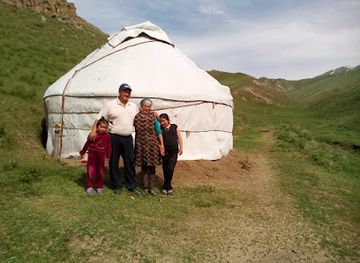
Kochkor is a rural settlement in Kyrgyzstan’s Naryn Region, spread across a broad valley between the forested ridges of the Kyrgyz Ala-Too and the higher ranges leading towards Song-Kul. It is less a conventional sightseeing town than a place to understand everyday life in the country’s mountain interior: low houses line dusty streets, horses graze beyond the settlement and snow peaks form a changing horizon above fields and pasture. Its position between Bishkek, Issyk-Kul and Naryn also makes it a practical base for travellers heading deeper into the highlands.Read more about Kochkor
Felt, Food and Family Hospitality
Base for High Pastures
When is the best time to visit Kochkor?
Best: June–August · 26–28°C| Month | High (°C) | Rainfall (mm) |
|---|---|---|
| January | 1 | 15 |
| February | 1 | 15 |
| March | 5 | 20 |
| April | 13 | 25 |
| May | 21 | 30 |
| June (best) | 26 | 35 |
| July (best) | 28 | 35 |
| August (best) | 26 | 35 |
| September | 20 | 30 |
| October | 13 | 25 |
| November | 4 | 20 |
| December | 0 | 15 |
Getting to and around Kochkor
How to get there
Transportation
Best attractions in Kochkor
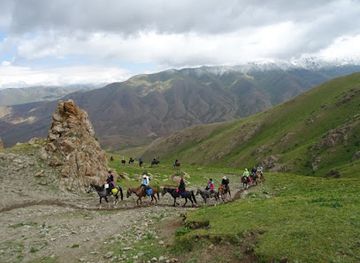
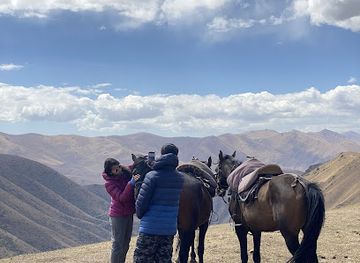
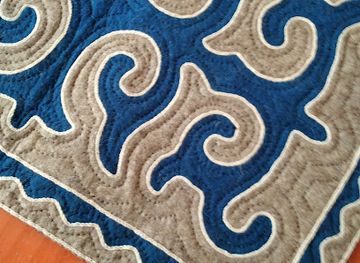
Kochkor’s attractions are closely tied to village life and the surrounding mountains rather than monumental architecture. Local felt workshops and cooperatives, including the well-known Altyn Kol craft organisation, introduce visitors to the making of shyrdaks and ala-kiyiz, whose bold patterns are rooted in Kyrgyz yurt culture. The central bazaar offers a glimpse of everyday shopping, with produce, household goods and provisions for the surrounding valley. Small local museum collections and cultural programmes provide further context on pastoral life, traditional clothing and domestic crafts. Outside the settlement, the open Kochkor Valley leads towards high summer pastures, while organised journeys continue to Song-Kul, where yurts, horses and seasonal herding form the principal spectacle. Köl-Ükök and other mountain routes offer more demanding landscapes for visitors travelling with local guides. These excursions belong to the wider Kochkor area rather than the village itself, and road conditions and access vary sharply between summer and winter.
-
Ravine
Boom Gorge
Explore the breathtaking Boom Gorge in Kyrgyzstan, a stunning natural ravine with magnificent cliffs, diverse wildlife, and enchanting hiking trails.
1 h 1 min drive · 41 km from city centre
-
Tourist attraction
Veterans Monument
Discover the Veterans Monument in Cholpon Ata: A touching tribute to bravery and sacrifice amidst serene surroundings.
2 h 19 min drive · 119 km from city centre
-
Horseback riding service
Jailoo Tourism Community
Discover Jailoo Tourism Community in Kochkor: Unforgettable horseback riding adventures amidst stunning Kyrgyz landscapes and rich cultural experiences.
1 min walk · 0.1 km from city centre
-
Tourist attraction
Boomskoye Ushcheliye
Discover the breathtaking beauty of Boomskoye Ushcheliye, a hidden gorge in Kyrgyzstan perfect for hiking, photography, and nature exploration.
1 h 1 min drive · 41 km from city centre


Best landmarks in Kochkor
Kochkor’s most significant landmarks are modest and cultural rather than monumental. The village mosque serves as an important point of local religious life, while the bazaar represents the practical role Kochkor plays for surrounding farms, pasture communities and passing travellers. Traditional felt carpets and yurt furnishings can also be understood as movable landmarks of Kyrgyz identity: shyrdaks and ala-kiyiz preserve symbols and techniques that belong to the region’s nomadic heritage. Beyond the settlement, the broad Kochkor Valley and the mountain passes towards Song-Kul define the geography that has shaped settlement, herding and travel for centuries. There is no dense historic quarter or grand architectural ensemble, and that distinction matters; Kochkor’s character lies in the relationship between its low-rise village, working landscape and high pastures. Local craft workshops and homestays provide the clearest connection between these physical surroundings and the cultural traditions associated with them.
-
Horseback riding service
Jailoo Tourism Community
Experience the breathtaking landscapes and rich culture of Kyrgyzstan at Jailoo Tourism Community, your gateway to horseback adventures.
1 min walk · 0.1 km from city centre
-
Tour operator
Kyrgyz Wonders Travel
Explore the breathtaking landscapes and rich cultural heritage of Kyrgyzstan with Kyrgyz Wonders Travel, your trusted partner for unforgettable adventures.
2 min walk · 0.2 km from city centre
-
Souvenir store
Altyn-Kol - souvenir shop, handmade wool products.
Discover the charm of Kyrgyz craftsmanship at Altyn-Kol, your go-to shop for authentic handmade wool products in Kochkor.
4 min walk · 0.3 km from city centre
-
Corporate office
Destination Kochkor
Experience the breathtaking landscapes and rich culture of Kochkor, Kyrgyzstan's gateway to adventure and nomadic traditions.
1 min walk · 0.1 km from city centre
Explore Kochkor on the map
Plan your Kochkor trip on one map. See where the top attractions, landmarks, restaurants, bars and hotels are, find what's near where you're staying, and book hotels and experiences in a few clicks.
Best hotels in Kochkor
Best restaurants in Kochkor
Kochkor’s food scene is modest, local and closely connected to homestays rather than formal restaurant culture. Family kitchens commonly serve Kyrgyz staples such as beshbarmak, noodles with meat, kuurdak, rice dishes, soups and fresh bread, while boorsok—small pieces of fried dough—often accompanies tea. Dairy products including kaymak, kurut and fermented mare’s milk may appear according to season and household practice. Small cafés, teahouses and eateries around the village provide simple meals for residents and travellers, while the bazaar is useful for fruit, bread and provisions. Meals arranged through community-based tourism are often the best way to encounter the generous, home-centred character of regional cooking. Menus can be limited and ingredients seasonal, so dining here is more about food shared within a household than a developed restaurant circuit.
-
Grill
Torro Grill & Bar
Indulge in exquisite grilled delicacies at Torro Grill & Bar – where flavor meets sophistication in Bishkek's culinary scene.
2 h 19 min drive · 119 km from city centre
-
Korean
CHICKEN STAR
Discover the authentic tastes of Korea at Chicken Star in Bishkek – where every meal is a celebration of flavor!
2 h 19 min drive · 119 km from city centre
-
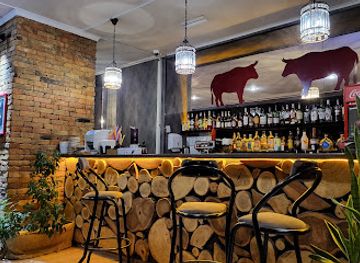
Restaurant
Red Cow
Savor exquisite local and international cuisine at Red Cow in Bishkek - where every meal is a culinary celebration.
2 h 19 min drive · 119 km from city centre
-
Buffet
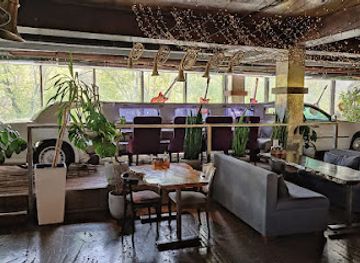
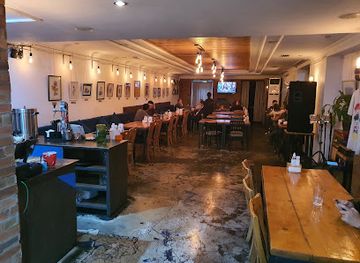
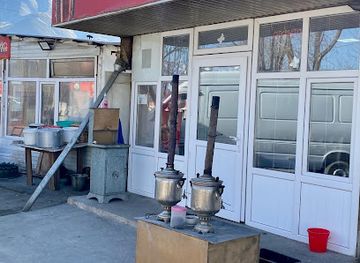
Апамдын чайы (каттама)
Discover the rich flavors of Kyrgyz cuisine at Апамдын чайы (каттама), a buffet-style restaurant offering authentic dishes in Cholok.
1 h 16 min drive · 56 km from city centre
Best bars in Kochkor
Kochkor has little conventional nightlife, and evenings are generally quiet once shops and cafés close. Social life centres on family homes, homestays and modest teahouses rather than bars or nightclubs. Visitors staying with local hosts may share tea, stories and music, or encounter cultural performances featuring Kyrgyz songs, instruments and traditions arranged for small groups. In summer, a yurt stay in the wider mountain region can provide an evening around a stove or campfire, though such activities depend on the host, weather and location. Alcohol is not central to public life, and guests should follow the customs of their accommodation. The absence of late-night entertainment is part of Kochkor’s rural character, with clear skies, cold air and early departures for mountain journeys shaping the rhythm after dark.
-
Restaurant
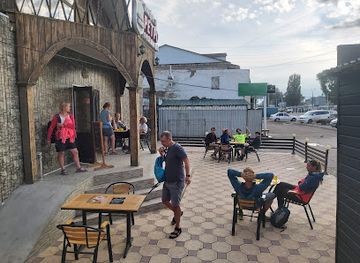
RETRO COFFEE BAR
Discover the charm of Kochkor at Retro Coffee Bar, where delightful coffee meets a cozy atmosphere and local culture.
1 min walk · 0.1 km from city centre
-
Bar
Good Spirits
Discover the vibrant nightlife of Bishkek at Good Spirits, where great drinks and delicious food come together in a lively atmosphere.
2 h 20 min drive · 120 km from city centre
-
Restaurant
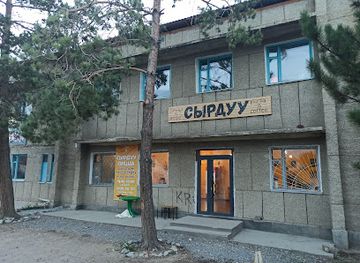
Pizzeria Syrduu
Experience the authentic flavors of Italy at Pizzeria Syrduu, Kochkor's favorite spot for delicious pizzas and local cuisine.
4 min walk · 0.3 km from city centre
-
Bar
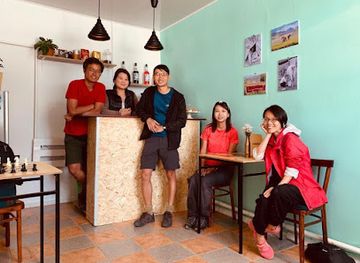
Cozy Corner Cafe Kochkor
Discover the warmth of Kyrgyz hospitality at Cozy Corner Cafe Kochkor, where local flavors meet a creative atmosphere.
4 min walk · 0.3 km from city centre


Best nightclubs in Kochkor
Kochkor has little conventional nightlife, and evenings are generally quiet once shops and cafés close. Social life centres on family homes, homestays and modest teahouses rather than bars or nightclubs. Visitors staying with local hosts may share tea, stories and music, or encounter cultural performances featuring Kyrgyz songs, instruments and traditions arranged for small groups. In summer, a yurt stay in the wider mountain region can provide an evening around a stove or campfire, though such activities depend on the host, weather and location. Alcohol is not central to public life, and guests should follow the customs of their accommodation. The absence of late-night entertainment is part of Kochkor’s rural character, with clear skies, cold air and early departures for mountain journeys shaping the rhythm after dark.
-
Night club
Promzona Club
Discover the electrifying nightlife at Promzona Club in Bishkek, where music and dance create unforgettable experiences.
2 h 14 min drive · 114 km from city centre
-
Night club
Suzie Wong
Suzie Wong: A Chic Night Club in Bishkek, Where Dance Meets Sophistication and Fun.
2 h 15 min drive · 115 km from city centre
-
Restaurant
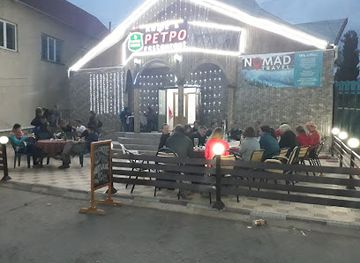
RETRO COFFEE BAR
Experience the cozy charm and exceptional coffee at Retro Coffee Bar in Kochkor, a perfect stop for tourists seeking local flavors.
1 min walk · 0.1 km from city centre
-
Restaurant
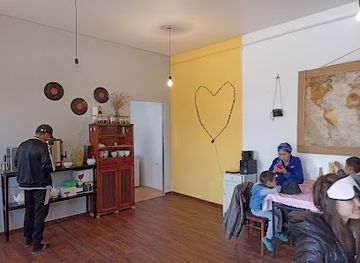
Pizzeria Syrduu
Savor the best pizzas and local flavors at Pizzeria Syrduu, a must-visit restaurant in Kochkor for every food lover.
4 min walk · 0.3 km from city centre


Best shops in Kochkor
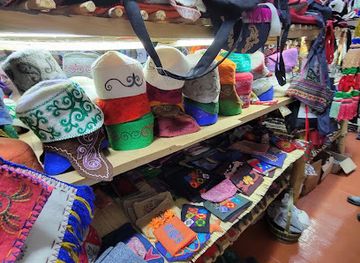
Shopping in Kochkor is centred on practical village commerce and locally made feltwork. The bazaar and small shops sell food, clothing, household goods and travel provisions, while craft cooperatives and family workshops offer shyrdaks, ala-kiyiz, felt slippers, bags and smaller woollen items. Traditional carpets are made by pressing and cutting dyed wool into geometric compositions, and larger pieces can be bulky to transport, so travellers often choose smaller wall hangings, cushions or decorative objects. Visitors should ask about materials, production methods and whether a design is handmade rather than assuming that every item represents local craft. Kyrgyz textiles, dried foods and simple wool goods make more meaningful purchases than generic imported souvenirs. Retail hours and stock can be informal, and cash in Kyrgyzstani som is the safest option for village shopping.
-
Restaurant
Pizzeria Syrduu
Experience the authentic flavors of Italy at Pizzeria Syrduu in Kochkor, where every pizza is a masterpiece crafted with fresh ingredients.
4 min walk · 0.3 km from city centre
-
Grocery store
7 Karat Mini Market
Explore the vibrant local flavors and essentials at 7 Karat Mini Market, your go-to grocery store in Kochkor, Kyrgyzstan.
3 min walk · 0.2 km from city centre
-
Handicraft
Handicraft shop Uz-Anar
Explore the vibrant world of handmade crafts at Handicraft Shop Uz-Anar, where tradition meets artistry in every unique piece.
42 min drive · 22 km from city centre
-
Handicraft
Kochkor Kutu Women's handicraft cooperative
Explore the artistry of Kyrgyz culture at Kochkor Kutu Women's handicraft cooperative, where traditional crafts come to life through talented local artisans.
2 min walk · 0.2 km from city centre
Get your free copy of our complete guide to Kochkor, delivered straight to you.
Everything on this page, from attractions and restaurants to essentials and local phrases, in one PDF you can read offline, print or share.
Already have an account? Sign in
Your Kochkor guide is ready.
We'll send it to · Not you? Sign out

Getting your guide ready…
We are putting together a fresh copy of the Kochkor guide. This can take up to a minute.
This can take a few moments. If your browser asks, choose Allow so the download can start. You'll find the guide in your Downloads folder.
Nothing happened? Download it again
Sorry, the guide is taking longer than usual. Please try again in a minute, or get it by email instead.
Kochkor essentials
Currency and Payment
Safety
Emergency Situations
Do's and Don'ts
Local Tips
From Eve
Local phrases worth knowing
You don't need to get them perfect. A few words go a long way, and locals appreciate the effort.
Basics
| English | Local | Say it |
|---|---|---|
| Hello | Саламатсызбы! | [salamatsyzby] |
| Goodbye | Жакшы калыңыз! | [jaksy kalynyz] |
| Yes | Ооба | [ooba] |
| No | Жок | [jok] |
| Please/You're welcome | Арзуу эдерем | [arzuu ederem] |
| Thank you | Рахмат | [rahmat] |
| Excuse me/Sorry | Кечиресиз | [kechiresiz] |
| How are you? | Кандайсыз? | [kandaysyz] |
| Fine. And you? | Жакшым. Сиз кандайсыз? | [jakshym. siz kandaysyz] |
| Do you speak English? | Сиз англисче сөйлөсүңүзбү? | [siz anglishche soylösüñüzbü] |
| I don't understand | Меним айтылгандымдан айрыламын | [menim aitylgandymdan ayrılamın] |
Eating & Drinking
| English | Local | Say it |
|---|---|---|
| I'd like to see the menu, please | Менюны көрүп жатам | [menüni körüp jatam] |
| I don't eat meat | Мен маймытты тамактардан көрсөм | [men maymytty tamaktardan körsöm] |
| Cheers! | Тоң тарапка! | [toñ tarapka] |
| I would like to pay, please | Төлөмдү уйдоо келеби | [tölömdu uydoo kelebi] |
Emergencies
| English | Local | Say it |
|---|---|---|
| Help! | Көмөк! | [kömök] |
| Go away! | Алыста! | [alısta] |
| Call the Police! | Полицияны чакыр! | [politsiıany chakır] |
| Call a doctor! | Докторду чакыр! | [doktordu chakır] |
| I'm lost | Мен кайып калдым | [men kayıp kaldım] |
| I'm ill | Мен эмне сактап калдым | [men emne saktap kaldım] |
Shopping
| English | Local | Say it |
|---|---|---|
| I'd like to buy... | Мен сатып алып жатам... | [men satıp alyp jatam] |
| I'm just looking | Мен тек карап жатам | [men tek karap jatam] |
| How much is it? | Бузуу чейин? | [buzuú cheyin] |
| That's too expensive | Бул антымал | [bul antımal] |
| Can you lower the price? | Сиз баасын төмөрүп береби ма? | [siz baasın tömörüp berebi ma] |
Time & Numbers
| English | Local | Say it |
|---|---|---|
| What time is it? | Саат канчада? | [saat kançada] |
| It's one o'clock | Саат бир | [saat bir] |
| Half past (10) | Ондук кийин | [onduk kiyin] |
| Morning | Түн | [tün] |
| Afternoon | Күндүз | [kündüz] |
| Evening | Кеч | [keç] |
| Yesterday | Кече | [keçe] |
| Today | Бүгүн | [bügün] |
| Tomorrow | Эртең | [erteñ] |
| 1 | Бир | [bir] |
| 2 | Эки | [eki] |
| 3 | Үч | [üch] |
| 4 | Төрт | [tört] |
| 5 | Беш | [beş] |
| 6 | Алты | [altı] |
| 7 | Жети | [jeti] |
| 8 | Сегиз | [segiz] |
| 9 | Тогуз | [toguz] |
| 10 | Он | [on] |
Transport & Directions
| English | Local | Say it |
|---|---|---|
| Where's a/the...? | ...үйге...? | [uyge] |
| What's the address? | Адрес кандай? | [adres kanday] |
| Can you show me (on the map)? | (Картада) көрсөтсөңүзбү? | [körsötsönüzbü] |
| When's the next (bus)? | Кийинки (аутобус) канчада? | [kijinki (aytobus) kançada] |
| A ticket (to ....) | Билет (....ге) | [bilet ge] |
History of Kochkor
An Ancient Mountain Corridor
The Kochkor Valley has long provided a passage between the northern and central parts of present-day Kyrgyzstan. Its grasslands, water sources and protected position between mountain ranges supported seasonal movement by pastoral communities, while routes through the wider region connected settlements and trading centres across Inner Asia. The valley should not be understood as a single uninterrupted urban settlement: its history is rooted in the movement of people, animals and goods between winter villages and summer pastures. Archaeological remains and local traditions reflect the wider history of nomadic societies that occupied and crossed the Tien Shan.
Kyrgyz Pastoral Society
Before the formation of modern administrative boundaries, the Kochkor area was shaped by Kyrgyz clan and pastoral structures. Families moved livestock to high summer pastures, or jailoo, while maintaining winter settlements in more sheltered parts of the valley. Felt-making developed within this mobile culture because felt was essential for yurts, floor coverings, clothing and household objects. The geometric motifs of shyrdaks and ala-kiyiz carried regional and family styles, making craft an expression of identity as well as a practical skill. Elements of this seasonal rhythm remain visible around Kochkor today, especially during the warmer months.
Russian and Soviet Reorganisation
Russian imperial rule extended into northern Kyrgyz territories during the nineteenth century, introducing new administrative arrangements and linking local economies more closely to settlements and routes controlled by the empire. After the 1917 Revolution, Soviet government transformed land use, pastoral organisation and village administration. Collectivisation brought livestock and agriculture under state and collective structures, while schools, roads and public services expanded. The Soviet period also encouraged permanent settlement, although seasonal herding continued in adapted forms. Kochkor’s present appearance, with its village infrastructure and agricultural surroundings, reflects both older pastoral patterns and these twentieth-century changes.
The Kyrgyz Soviet Republic
As part of the Kyrgyz Soviet Socialist Republic, Kochkor functioned within a planned rural economy based on farming, livestock and regional administration. Public institutions, local schools and transport links gave the valley a more settled civic framework, while traditional domestic practices survived in homes and community life. Industrial production was limited compared with larger Kyrgyz towns, but Soviet policies affected what was produced, where animals were grazed and how households participated in the wider economy. The contrast between collective-era infrastructure and continuing Kyrgyz traditions is still apparent in the settlement and surrounding countryside.
Independence and Community Tourism
Kyrgyzstan’s independence in 1991 brought economic uncertainty but also encouraged renewed interest in cultural heritage, private enterprise and locally managed tourism. In Kochkor, homestays, craft cooperatives and community-based tourism have connected village households with visitors travelling towards Song-Kul and the central Tien Shan. These initiatives help sustain felt-making and introduce guests to food, family hospitality and horse-based travel, while providing alternatives to purely transit-oriented tourism. Modern Kochkor therefore occupies two roles: it remains a working rural centre for surrounding communities and serves as a gateway to some of Kyrgyzstan’s best-known highland landscapes.
Kochkor in Photos
Browse through our photo collection highlighting the charm and character of the destination.
Cities near Kochkor
The closest cities to Kochkor, if you have time for more than one stop.
-

-
-

-

-


Swipe for more cities
Explore more
Explore more of Kyrgyzstan
Discover Kyrgyzstan: A land of majestic mountains, nomadic traditions, and rich history in the heart of Central Asia.
Explore Kyrgyzstan