

Free Tokmok Travel Guide & Mobile App
Plan your Tokmok trip with Evendo. Get free guides to top attractions, restaurants, hotels, and bars. Web access or download the mobile app.


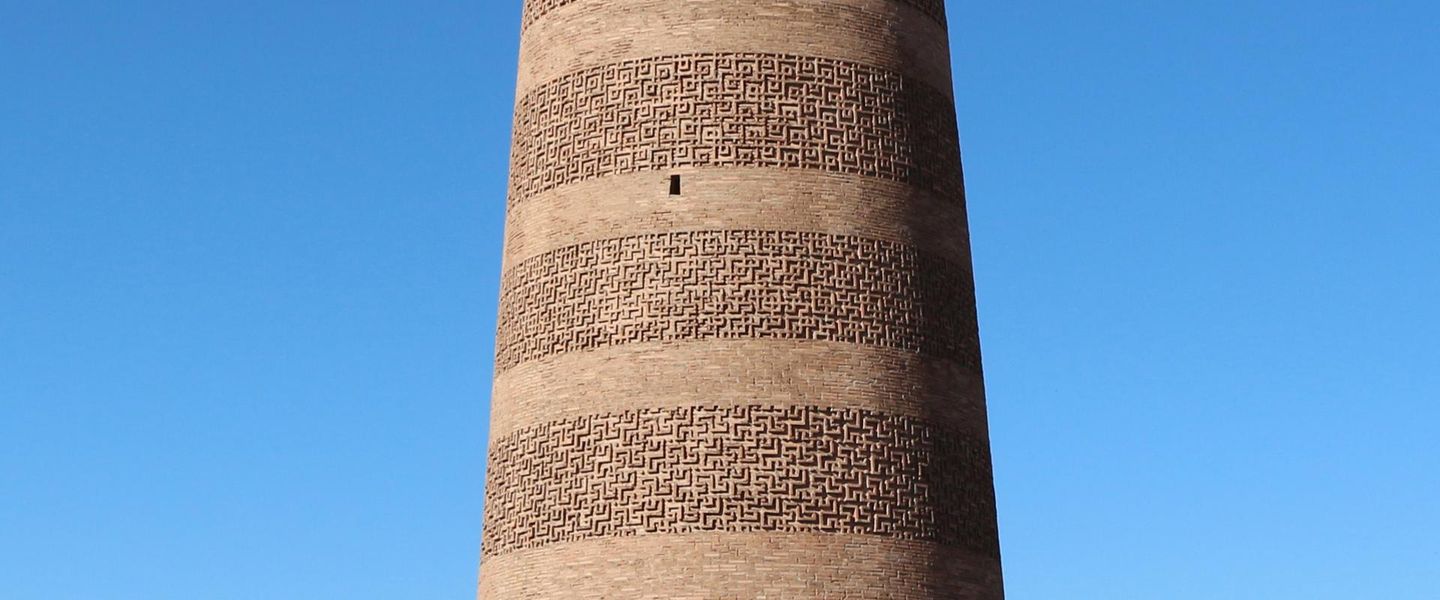


Tokmok, Kyrgyzstan, opens the Chüy Valley to Burana Tower, Silk Road archaeology, mountain horizons and everyday Kyrgyz culture beyond Bishkek.
A Gateway to the Chüy Valley
Tokmok lies in northern Kyrgyzstan, east of Bishkek, on the broad Chüy Valley beneath the snow-dusted Kyrgyz Ala-Too. It is a practical, unpretentious town whose importance comes less from grand urban monuments than from its position among some of the region’s most revealing historical and archaeological sites. Roads from Tokmok lead towards Burana Tower, the medieval remains of Balasagun, and the former Silk Road settlements of Ak-Beshim and Krasnaya Rechka.Read more about Tokmok
Layers of Silk Road History
Town Life and Mountain Horizons
When is the best time to visit Tokmok?
Best: May–June, September · 24–29°C| Month | High (°C) | Rainfall (mm) |
|---|---|---|
| January | 0 | 14 |
| February | 2 | 11 |
| March | 10 | 16 |
| April | 19 | 18 |
| May (best) | 25 | 22 |
| June (best) | 29 | 27 |
| July | 32 | 29 |
| August | 30 | 27 |
| September (best) | 24 | 21 |
| October | 16 | 17 |
| November | 9 | 14 |
| December | 3 | 13 |
Getting to and around Tokmok
How to get there
Transportation
Best landmarks in Tokmok
Burana Tower is Tokmok’s defining historical landmark, a brick minaret dating from the Karakhanid period and the most recognisable surviving structure of medieval Balasagun. Its decorated brickwork and isolated position make it a particularly eloquent reminder of the city that once occupied the surrounding plain. Near the tower, mausoleums, archaeological remains and balbals extend the site’s significance beyond a single monument. The ruins at Ak-Beshim, associated with the Silk Road settlement of Suyab, represent an earlier urban and religious landscape shaped by contacts between Central Asia and China. Krasnaya Rechka adds another layer of settlement history. In Tokmok itself, Soviet-era civic buildings, planned streets and utilitarian housing are less monumental but help explain the town’s nineteenth- and twentieth-century development.
-
Shopping mall
Tokmok Animal Market
Explore the vibrant Tokmok Animal Market, a cultural gem in Kyrgyzstan showcasing local livestock, crafts, and authentic culinary delights.
15 min walk · 1.2 km from city centre
-
Mosque
Tokmok Mosque
Explore the Tokmok Mosque, a breathtaking blend of architectural beauty and cultural significance in Kyrgyzstan.
11 min drive · 3.6 km from city centre
-
Train station
Tokmak
Discover the vibrant charm of Tokmak, Kyrgyzstan's gateway city, where culture and adventure await at every turn.
8 min drive · 2.6 km from city centre
-
Historical landmark
Tokmok Monument
Explore the Tokmok Monument, a historical landmark reflecting Kyrgyzstan's rich cultural heritage and stunning natural beauty.
5 min drive · 1.7 km from city centre


Explore Tokmok on the map
Plan your Tokmok trip on one map. See where the top attractions, landmarks, restaurants, bars and hotels are, find what's near where you're staying, and book hotels and experiences in a few clicks.
Best hotels in Tokmok
Best restaurants in Tokmok
Tokmok’s dining scene is modest and locally oriented, with cafés, canteens, bakeries and market food reflecting northern Kyrgyzstan’s mixed Kyrgyz, Russian and wider Central Asian influences. Visitors may encounter beshbarmak, noodles with meat, plov, lagman, manti, samsa, shorpo and fresh lepeshka bread, alongside fermented dairy products and tea. Food around the bazaar is often practical and filling rather than formal, while small restaurants may serve familiar Russian and Central Asian dishes in straightforward settings. Kyrgyz cuisine is shaped by pastoral traditions, with lamb, beef and horse meat appearing in established dishes, while the irrigated Chüy Valley contributes fruit, vegetables and grain. Menus and opening patterns can be informal, and some of the most characteristic eating experiences come from bakeries, tea rooms and everyday market stalls rather than destination restaurants.
-
Restaurant
Bakay Ata
Experience the essence of Kyrgyz cuisine at Bakay Ata in Tokmok – where tradition meets taste in every dish.
16 min walk · 1.3 km from city centre
-
Restaurant
Mega Polis
Discover the flavors of Tokmok at Mega Polis, where every dish tells a story in a warm and inviting setting.
9 min walk · 0.7 km from city centre
-
Restaurant
Bonu
Discover Bonu in Tokmok: A culinary haven offering authentic Kyrgyz dishes in a warm and inviting atmosphere.
11 min walk · 0.8 km from city centre
-
Restaurant
Saltanat Restaurant
Experience authentic Kyrgyz cuisine at Saltanat Restaurant in Tokmok, where flavor meets hospitality in a cozy setting.
10 min walk · 0.8 km from city centre


Best bars in Tokmok
Tokmok has a quieter evening scene than Bishkek, with social life centred more on cafés, restaurants, teahouses and family gatherings than on a concentrated strip of nightclubs. Small local venues may offer beer, spirits, tea and simple food, while evening walks through the central streets provide a sense of the town’s routine after the daytime market activity subsides. Nightlife is not the main reason to visit, and late-night entertainment can be limited or change with local demand. Visitors should respect a generally modest public culture, particularly outside private venues, and arrange transport back from rural attractions before dark. For a broader choice of live music, bars and clubs, Bishkek is the principal regional centre rather than Tokmok.
-
Restaurant
Bonu
Experience the heart of Kyrgyz cuisine at Bonu, a welcoming restaurant in Tokmok offering delightful local flavors in a charming atmosphere.
11 min walk · 0.8 km from city centre
-
Cafe
Maybach Pub
Experience the cozy charm of Maybach Pub in Tokmok, where local flavors and a welcoming atmosphere await every visitor.
12 min walk · 0.9 km from city centre
-
Restaurant
Aalam
Experience the authentic flavors of Kyrgyz cuisine at Aalam, a warm and inviting restaurant in Tokmok, perfect for food lovers and cultural explorers.
6 min drive · 2.1 km from city centre
-
Bar
Smoke House
Experience the vibrant nightlife at Smoke House, Tokmok's premier bar for delicious drinks and a cozy atmosphere.
7 min walk · 0.5 km from city centre


Best nightclubs in Tokmok
Tokmok has a quieter evening scene than Bishkek, with social life centred more on cafés, restaurants, teahouses and family gatherings than on a concentrated strip of nightclubs. Small local venues may offer beer, spirits, tea and simple food, while evening walks through the central streets provide a sense of the town’s routine after the daytime market activity subsides. Nightlife is not the main reason to visit, and late-night entertainment can be limited or change with local demand. Visitors should respect a generally modest public culture, particularly outside private venues, and arrange transport back from rural attractions before dark. For a broader choice of live music, bars and clubs, Bishkek is the principal regional centre rather than Tokmok.
-
Mosque
Tokmok Mosque
Discover the serene beauty and rich heritage of Tokmok Mosque, a cultural gem in Kyrgyzstan that invites tranquility and reflection.
9 min walk · 0.7 km from city centre

Best shops in Tokmok
Shopping in Tokmok is concentrated around the bazaar and everyday retail streets rather than a polished tourist quarter. The market is useful for seeing the agricultural economy of the Chüy Valley in practice, with seasonal fruit, vegetables, bread, dairy products, dried foods, clothing and household goods sold alongside practical travel supplies. Visitors may find Kyrgyz-style felt goods, embroidered items, small textiles and packaged regional foods, although selection and quality vary between stalls. Traditional crafts are more strongly represented in specialist workshops and cultural settings across Kyrgyzstan than in Tokmok’s ordinary retail landscape. Bargaining may form part of informal market transactions, but it should remain courteous and proportionate. The most characteristic purchases are generally foodstuffs and modest locally made items rather than luxury souvenirs.
-
Grocery store
Magazin Arzan
Explore the flavors of Kyrgyzstan at Magazin Arzan, a local grocery store in Tokmok offering fresh produce and traditional snacks.
6 min walk · 0.5 km from city centre
-
Grocery store
Aygul Shop
Discover local delights at Aygul Shop in Kant, where fresh produce and traditional Kyrgyz products await every visitor.
8 min walk · 0.6 km from city centre
-
Store
Anastasiya Shop
Discover the unique charm of Anastasiya Shop in Tokmok, where local crafts and flavors come together for an unforgettable shopping experience.
6 min drive · 2.0 km from city centre
-
Store
Alban
Explore Alban in Tokmok for an authentic shopping experience filled with local crafts and vibrant culture.
10 min drive · 3.2 km from city centre


Get your free copy of our complete guide to Tokmok, delivered straight to you.
Everything on this page, from attractions and restaurants to essentials and local phrases, in one PDF you can read offline, print or share.
Already have an account? Sign in
Your Tokmok guide is ready.
We'll send it to · Not you? Sign out

Getting your guide ready…
We are putting together a fresh copy of the Tokmok guide. This can take up to a minute.
This can take a few moments. If your browser asks, choose Allow so the download can start. You'll find the guide in your Downloads folder.
Nothing happened? Download it again
Sorry, the guide is taking longer than usual. Please try again in a minute, or get it by email instead.
Tokmok essentials
Currency and Payment
Safety
Emergency Situations
Do's and Don'ts
Local Tips
From Eve
Local phrases worth knowing
You don't need to get them perfect. A few words go a long way, and locals appreciate the effort.
Basics
| English | Local | Say it |
|---|---|---|
| Hello | Саламатсызбы | [Salamsızbı] |
| Goodbye | Калмакчы бол | [Qalmakçı bol] |
| Yes | Ооба | [Ooba] |
| No | Жок | [Jok] |
| Please/You're welcome | Көзүңүздү калтактаба | [Közüñüzdü kaltaktaba] |
| Thank you | Рахмат | [Rahmat] |
| Excuse me/Sorry | Кечиресиз | [Keçiresiz] |
| How are you? | Кандайсыз? | [Kandaysız?] |
| Fine. And you? | Жакшы. Сиз кандайсыз? | [Jaqşı. Siz kandaysız?] |
| Do you speak English? | Сиз англисче сөйлөсүңүзбү? | [Siz angliçe söylösüñüzbü?] |
| I don't understand | Мени түшүндүрбөсүңүз | [Meni tüşündürbösüñüz] |
Eating & Drinking
| English | Local | Say it |
|---|---|---|
| I'd like to see the menu, please | Менинге менюны көрдүрүүгө болгондо | [Meninge menyunı kördürüügö bolgondo] |
| I don't eat meat | Мен майыны каңымайм | [Men mayını kañımaym] |
| Cheers! | Бакырсыз! | [Baqırsız!] |
| I would like to pay, please | Менинге төлөмдү бериңиз | [Meninge tölömdü beriñiz] |
Emergencies
| English | Local | Say it |
|---|---|---|
| Help! | Жардам! | [Jardam!] |
| Go away! | Узаккан кет | [Uzakkan ket] |
| Call the Police! | Полицияды чакыр | [Politsiyadı çakır] |
| Call a doctor! | Докторду чакыр | [Doktordu çakır] |
| I'm lost | Мен айылгандым | [Men ayılgandım] |
| I'm ill | Мен жазымын | [Men jaźımın] |
Shopping
| English | Local | Say it |
|---|---|---|
| I'd like to buy... | Мен ... сатып алгым келет | [Men ... satıp algım kelet] |
| I'm just looking | Мен жалгыз карайм | [Men jalğız karaym] |
| How much is it? | Бушага чегиңиз? | [Buşaga çeginiz?] |
| That's too expensive | Бу болгон турум болгондо | [Bu bolgon turum bolgondo] |
| Can you lower the price? | Сиз баасын төмендете аласызбы? | [Siz baasın tömendete alasızbı?] |
Time & Numbers
| English | Local | Say it |
|---|---|---|
| What time is it? | Саат канча? | [Saat kança?] |
| It's one o'clock | Бир саат | [Bir saat] |
| Half past (10) | Ондук катаар | [Onduk kataar] |
| Morning | Түн | [Tün] |
| Afternoon | Эрте | [Erte] |
| Evening | Кеч | [Kech] |
| Yesterday | Кече | [Keçe] |
| Today | Бүгүн | [Bügün] |
| Tomorrow | Эртең | [Erteñ] |
| 1 | Бир | [Bir] |
| 2 | Эки | [Eki] |
| 3 | Үч | [Üç] |
| 4 | Төрт | [Tört] |
| 5 | Беш | [Beş] |
| 6 | Алты | [Altı] |
| 7 | Жети | [Jeti] |
| 8 | Сегиз | [Segiz] |
| 9 | Тогуз | [Toguz] |
| 10 | Он | [On] |
Transport & Directions
| English | Local | Say it |
|---|---|---|
| Where's a/the...? | ... кайда? | [... qayda?] |
| What's the address? | Дарек нерсе? | [Darek nersé?] |
| Can you show me (on the map)? | Маңзарда көрдүрө аласызбы? | [Mañzarda kördüro alasızbı?] |
| When's the next (bus)? | Кийинки (автобус) кача барат? | [Kiyinki (avtobus) kaça barat?] |
| A ticket (to ....) | Билет (.... га) | [Bilet (.... ga)] |
History of Tokmok
Early Communities of the Chüy Valley
The Chüy Valley has long offered water, pasture and cultivable land between the Tian Shan and the steppe routes of Central Asia. Communities associated with Iranian-speaking, Turkic and later nomadic cultures used the valley, while agricultural settlements developed around irrigation. Its position between China, the Ferghana region and the wider Sogdian world made the area a place of exchange rather than an isolated frontier. Archaeological remains around Tokmok include evidence of successive settlements, religious traditions and trading connections. The landscape visible today, with cultivated fields below the mountains, still reflects the importance of water management and movement through this corridor.
Suyab and the Western Turkic World
Near present-day Tokmok stood Suyab, an important medieval settlement often associated with the Western Turkic Khaganate and later with commercial and diplomatic routes across the Chüy Valley. The site at Ak-Beshim has produced remains linked to Suyab, including urban structures and religious buildings that point to a culturally diverse population. Buddhism, Christianity and other traditions reached the region through long-distance contacts, while merchants moved goods and ideas between Central Asia and China. The settlement’s fortunes changed as political centres and trade routes shifted, leaving its significance chiefly in archaeology rather than surviving urban fabric.
Balasagun and the Karakhanid Era
Balasagun became one of the principal centres of the Karakhanid Khanate, a Turkic Muslim dynasty that ruled parts of Central Asia from the tenth to the early thirteenth centuries. The city stood near modern Tokmok and is remembered through the ruins of Burana and the surrounding archaeological complex. The minaret, mausoleums, fortification traces and stone carvings indicate an urban centre with religious, administrative and commercial importance. The Karakhanid period also produced influential literary and intellectual works in Turkic and Persianate cultural settings. Mongol expansion in the thirteenth century transformed the region’s political order, and Balasagun gradually declined as a major city.
Kokand and Russian Imperial Expansion
By the eighteenth and early nineteenth centuries, the Chüy region was connected to the Khanate of Kokand, whose authority extended through parts of the Ferghana and Tian Shan approaches. Tokmok emerged in the nineteenth century amid the strategic contest between Kokand and the Russian Empire. A Kokand fortress was established in the area in the 1830s, and Russian forces took control of the wider region in the 1860s. The subsequent imperial administration brought new military, agricultural and settlement policies, changing patterns of land use and population. Tokmok’s later urban development belongs to this period of incorporation into the Russian imperial system.
Soviet Urban and Agricultural Transformation
After the Russian Revolution and the creation of Soviet administrative structures in Central Asia, Tokmok became part of the reorganisation of the Chüy region. Collectivised agriculture, irrigation projects, industry and planned urban construction reshaped the town and its hinterland. Roads, public institutions and housing reflected Soviet planning, while migration from different parts of the Soviet Union added to the area’s linguistic and cultural complexity. The town’s economy remained closely tied to the productive valley around it. Following Kyrgyzstan’s independence in 1991, Tokmok continued as a regional centre, with its identity balancing Kyrgyz statehood, Soviet-built infrastructure and the much older history of the Chüy corridor.
Tokmok in Photos
Browse through our photo collection highlighting the charm and character of the destination.
Cities near Tokmok
The closest cities to Tokmok, if you have time for more than one stop.
-

-

-

-

-


Swipe for more cities
Explore more
Explore more of Kyrgyzstan
Discover Kyrgyzstan: A land of majestic mountains, nomadic traditions, and rich history in the heart of Central Asia.
Explore Kyrgyzstan