
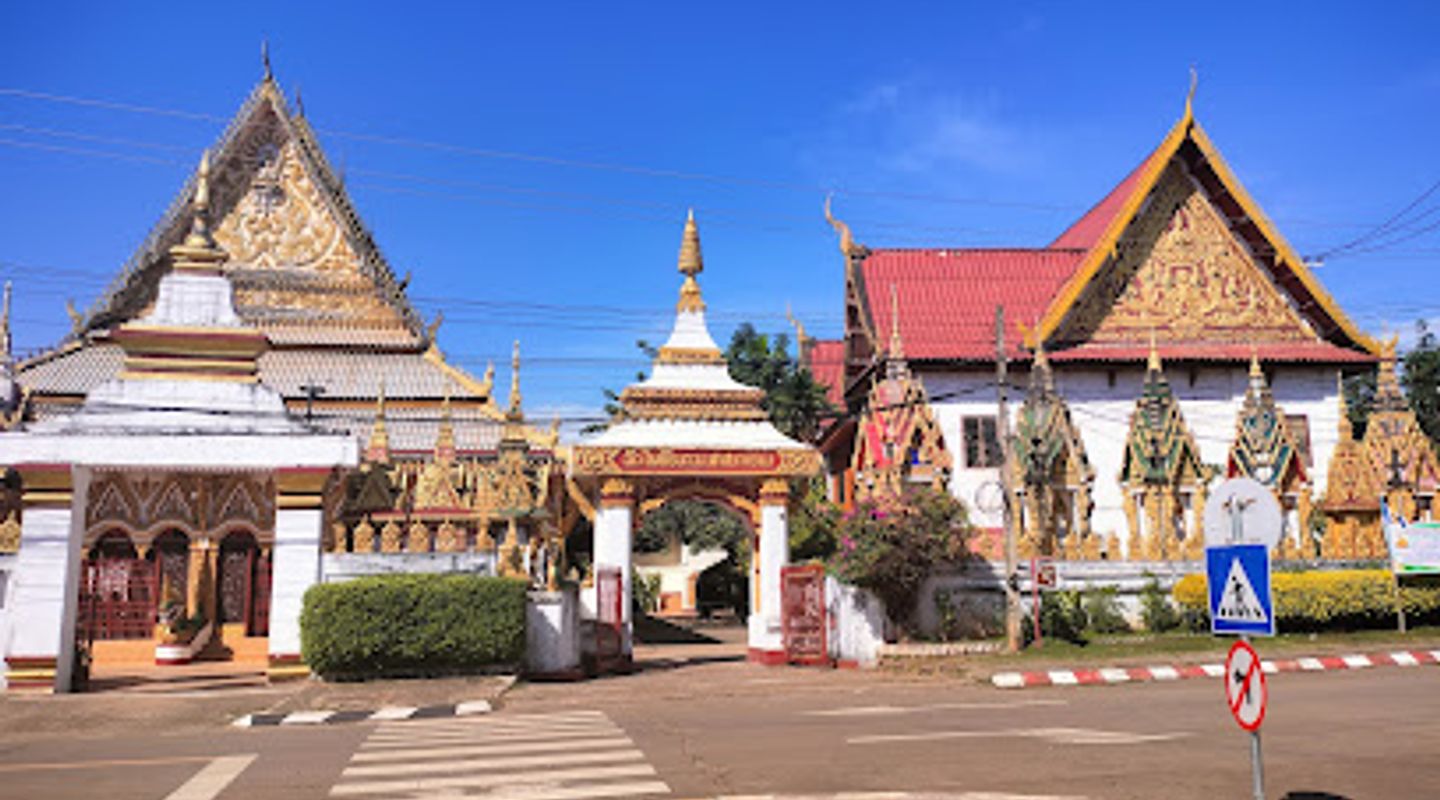
Wat Luang, Champasak Travel Guide
Discover Wat Luang, Pakse's oldest temple, a serene sanctuary of Lao Buddhist culture and stunning architecture, rich in history and art.
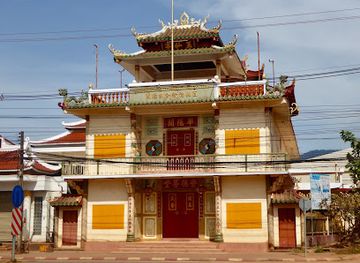
Wat Luang, the oldest and most revered temple in Pakse, stands as a testament to Lao architectural traditions and Buddhist heritage. Established in 1935, it serves as a center for worship, education, and community activities, drawing visitors with its serene atmosphere and intricate artistry.
A brief summary to Wat Luang
- 4QCX+P42, 13, Pakse, LA
- Click to display

Know before you go
Hi, I'm Eve. Here are a few practical things to know before exploring Wat Luang.
- Dress respectfully when visiting; long clothing is recommended.
- Remove your shoes before entering temple buildings.
- Visit in the early morning or late afternoon to enjoy the beautiful sunrise or sunset views over the Xe Don River.
- Take time to speak with the monks to learn more about Buddhism and Lao culture.
- Explore the temple grounds to discover treasured artifacts and admire the intricate murals.
Do you manage this location?
Take control to get all the benefits, like improved information, better appearance, and stronger visibility across AI-powered discovery. Learn more about listing your business on Evendo
Activate your presenceOther nearby places you may find interesting
The closest places of the same kind, if this one is not quite what you had in mind.

Explore Wat Luang on the Map
A handpicked selection of must-see spots near Wat Luang, mapped for you.
Getting There
-
Walking
Wat Luang is centrally located in Pakse, making it easily accessible on foot from many points in the city center. From the main streets, walk towards the Xe Don River; the temple is situated on its banks. The walk is generally flat and takes around 10-20 minutes from most central accommodations.
-
Tuk-tuk
Tuk-tuks are readily available throughout Pakse and are a convenient way to reach Wat Luang. A short tuk-tuk ride from anywhere in the city center should cost between 10,000 to 30,000 LAK, but negotiate the price before you get in. The journey takes approximately 5-10 minutes from most locations in Pakse.
Discover more about Wat Luang













Your all‑in‑one travel companion app
Explore expert travel guides, compare and book tours, experiences, hotels, and more—all from the palm of your hand. Download now for seamless trip planning wherever your wanderlust takes you.


Explore More of Champasak
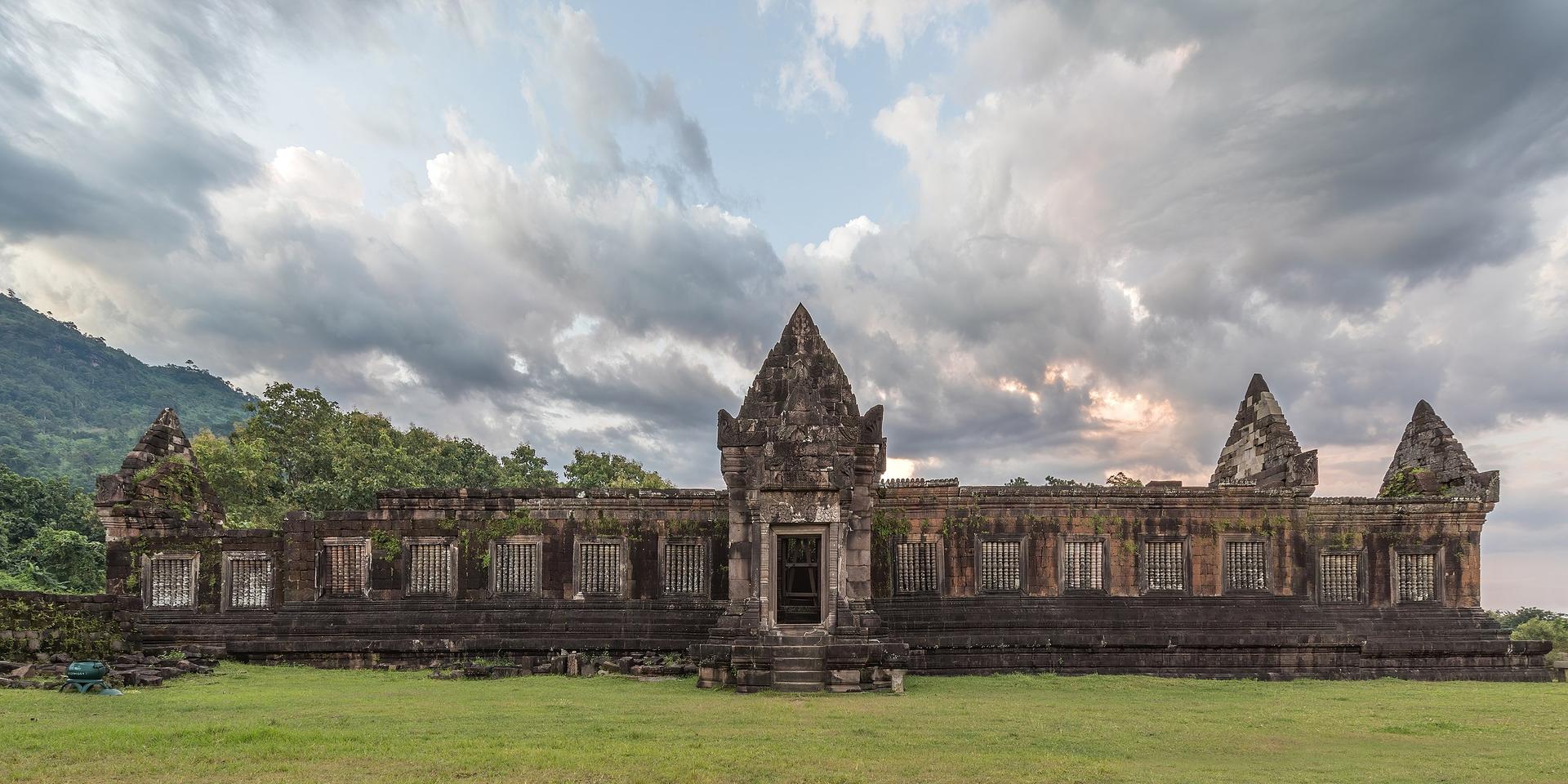
Looking beyond Wat Luang? Discover Champasak for broader travel guides, local hot-spots, and regional highlights.
Explore Champasak
Experience history and comfort at the Champasak Palace Hotel in Pakse, a former royal residence blending Lao and European architectural styles.
Discover Southern Laos with Watphou Travels: Customized tours, private cars, and authentic cultural experiences await!
