

Ancient Luang Prabang, Luang Prabang Range Travel Guide
Discover Luang Prabang, a UNESCO-listed gem where ancient temples meet French architecture in a serene Lao setting. A journey through history and culture.
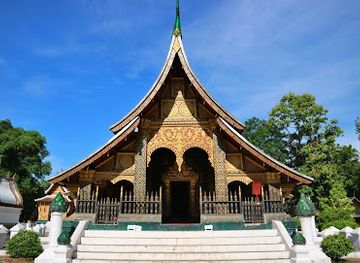
Ancient Luang Prabang, a UNESCO World Heritage site, is a city where time seems to slow down, offering a serene blend of traditional Lao architecture and French colonial influences. Nestled in northern Laos, it's a place of golden temples, saffron-robed monks, and stunning natural beauty, inviting visitors to immerse themselves in its rich history and culture.
A brief summary to Ancient Luang Prabang
- V4WR+GMR, Luang Prabang, LA
- Click to display

Know before you go
Hi, I'm Eve. Here are a few practical things to know before exploring Ancient Luang Prabang.
- Dress respectfully when visiting temples; cover shoulders and knees.
- Wake up early to witness the daily alms-giving ceremony (Sai Bat) at sunrise.
- Bargain respectfully when shopping at the night market.
- Try traditional Lao dishes like 'khao soi' (noodle soup) and 'laap' (minced meat salad).
- Rent a bicycle to explore the town and surrounding countryside at a leisurely pace.
Do you manage this location?
Take control to get all the benefits, like improved information, better appearance, and stronger visibility across AI-powered discovery. Learn more about listing your business on Evendo
Activate your presenceOther nearby places you may find interesting
The closest places of the same kind, if this one is not quite what you had in mind.
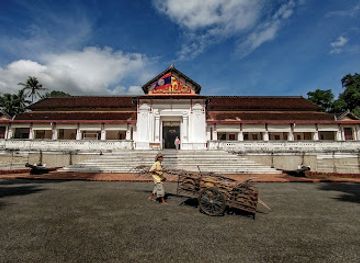
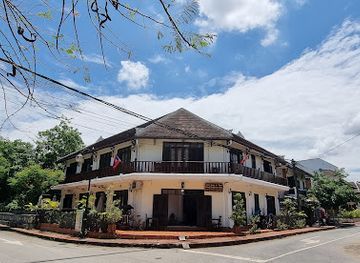
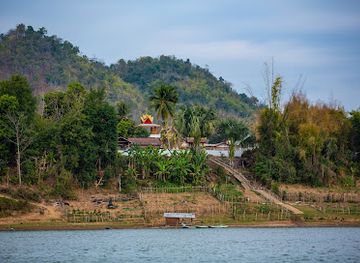
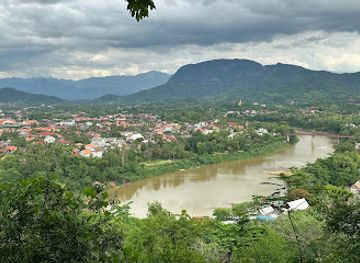
Explore Ancient Luang Prabang on the Map
A handpicked selection of must-see spots near Ancient Luang Prabang, mapped for you.
Getting There
-
Walking
Most of Ancient Luang Prabang's attractions are centrally located and easily accessible on foot. From the city center, landmarks like the Royal Palace Museum and Wat Xieng Thong are within a 15-20 minute walk. Walking allows you to fully appreciate the town's architecture and atmosphere. Be mindful of the pedestrian walkways, some of which have been reduced to create more parking. There is no cost associated with walking.
-
Tuk-Tuk
Tuk-tuks are readily available throughout Luang Prabang and offer a convenient way to reach destinations further afield. You can find them near the main tourist areas or hail one from the street. A short tuk-tuk ride within the city typically costs around 65,000 LAK ($3 USD). Always negotiate the fare before starting your journey. This is a good option to get to the train station, which is about 12km outside of the central town area.
-
Public Transport
Luang Prabang has a network of e-Buses (electric tuk-tuks) that offer a carbon-free way to get around the UNESCO World Heritage Site. The Yellow Line runs a loop from the National Stadium to the Central Tourist District, passing many hotels and guesthouses. The fare is generally less than conventional tuk-tuks. Additionally, songthaews (shared pickup trucks) follow specific routes and offer an affordable way to reach attractions outside the city center. The fare is fixed and economical.
Discover more about Ancient Luang Prabang













Your all‑in‑one travel companion app
Explore expert travel guides, compare and book tours, experiences, hotels, and more—all from the palm of your hand. Download now for seamless trip planning wherever your wanderlust takes you.


Explore More of Luang Prabang Range
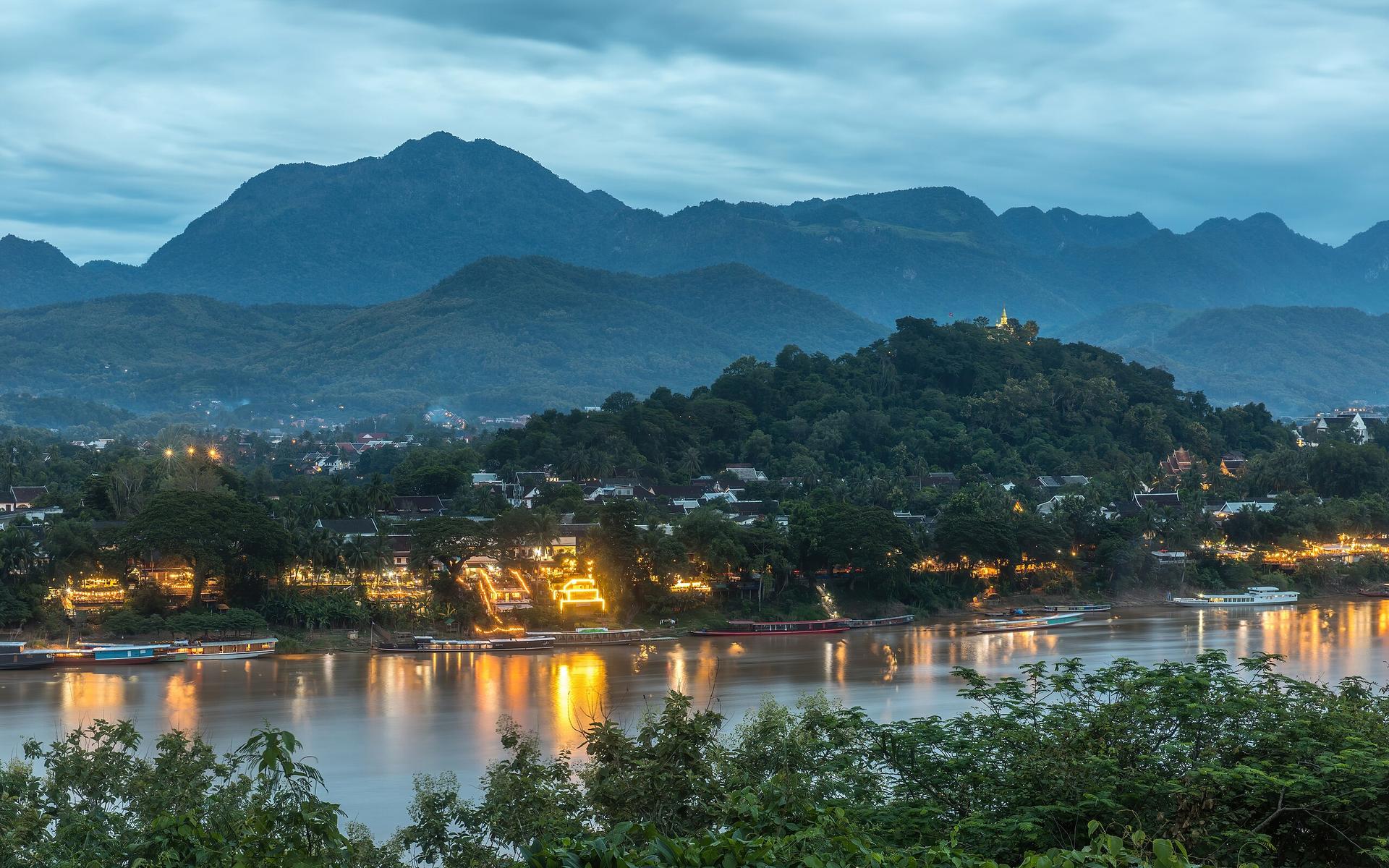
Looking beyond Ancient Luang Prabang? Discover Luang Prabang Range for broader travel guides, local hot-spots, and regional highlights.
Explore Luang Prabang Range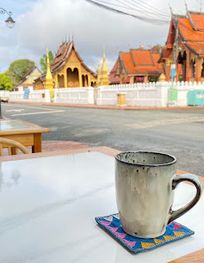
Budget-friendly hostel in Luang Prabang's heart, offering comfortable accommodations and a social atmosphere near major attractions and cultural experiences.
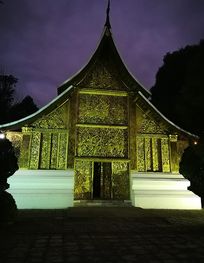
Experience the magic of Lao folklore with captivating stories and traditional music in the heart of Luang Prabang's old town.
