
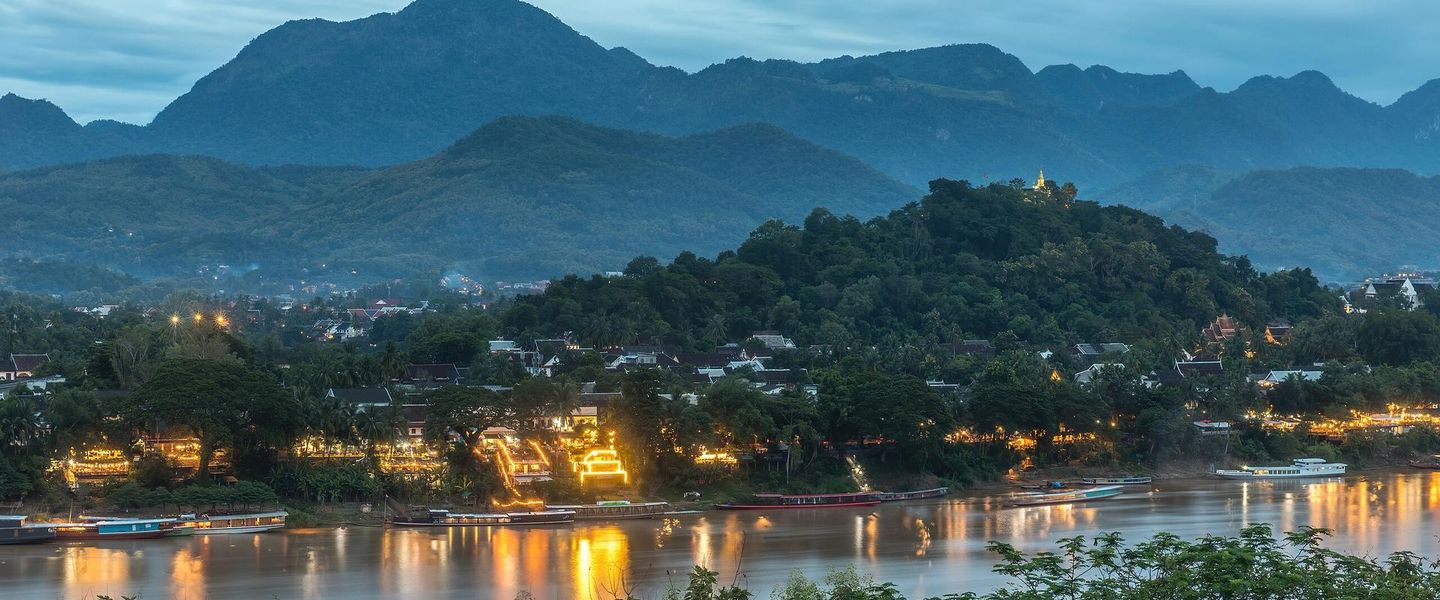
Luang Prabang Range, Laos Travel Guide
Discover the Luang Prabang Range in Laos: A breathtaking fusion of natural splendor, cultural richness, and historical charm. Ideal for adventurers and serenity seekers alike.
Nestled in the heart of Laos, the Luang Prabang Range is a mesmerizing destination that offers a perfect blend of natural beauty, rich culture, and historical significance. The area is renowned for its lush green mountains, serene rivers, and an abundance of wildlife. Visitors are often captivated by the stunning landscapes, which include picturesque waterfalls, dense forests, and scenic hiking trails. The Luang Prabang Range is also home to the UNESCO World Heritage city of Luang Prabang, a place where time seems to stand still. The city is famous for its well-preserved architectural heritage, with a mix of traditional Lao wooden houses and French colonial buildings. Monks in saffron robes can be seen walking the streets, adding to the spiritual ambiance of the city. The night market is a must-visit, offering a wide array of local handicrafts, textiles, and delicious street food. Adventure seekers will find plenty to do in the Luang Prabang Range. Kayaking on the Mekong River, trekking through the verdant hills, and exploring the mysterious Pak Ou Caves are just a few of the activities that await. For those looking to unwind, the tranquil Kuang Si Waterfall provides a perfect spot to relax and enjoy a refreshing swim. The range is also known for its vibrant festivals, such as the Lao New Year, which showcases traditional music, dance, and ceremonies.

Know before you go
Hi, I'm Eve. Here are a few practical things to know before exploring Luang Prabang Range.
- Visit the morning alms giving ceremony to see monks collecting offerings from locals.
- Carry local currency (Lao Kip) as many small vendors do not accept credit cards.
- Respect local customs by dressing modestly, especially when visiting temples.
- Hire a local guide for trekking to ensure you do not miss hidden spots.
- Best time to visit is during the dry season, from November to April.
Top City Travel Guides in Luang Prabang Range
The cities of Luang Prabang Range, and the easiest places to base yourself.


Destinations in Luang Prabang Range
Resorts, valleys and scenic spots worth a trip of their own.


Explore Luang Prabang Range: Things to Do, Places to Eat, Hotels & More
Handpicked recommendations for top attractions, local dining, accommodations, and more

Top Attractions & Sightseeing in Luang Prabang Range
Top-rated picks
Best Attractions

Kuang Si Waterfall
Experience the breathtaking beauty of Kuang Si Waterfall, a natural wonder in Laos with stunning turquoise pools and lush jungle surroundings.

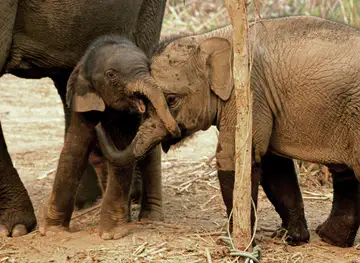
MandaLao Elephant Conservation
Experience ethical wildlife conservation at MandaLao Elephant Conservation in Luang Prabang, where you can connect with elephants in a natural and respectful setting.

Haw Phra Bang
Explore the sacred beauty of Haw Phra Bang, a cultural gem in Luang Prabang, reflecting Laos' royal heritage and rich traditions.

Green Jungle Park
Discover the natural beauty and cultural charm of Green Jungle Park in Pak Long, Laos – a perfect retreat for nature lovers and families.

Best landmarks in Luang Prabang Range
Top-rated picks
Best Landmarks
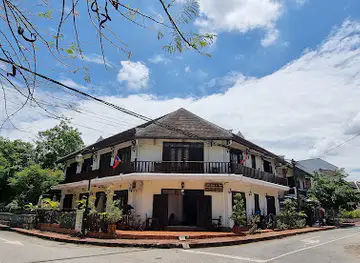
Luang Prabang Old Quarter
Discover the enchanting blend of Lao tradition and French colonial charm in Luang Prabang's UNESCO-listed Old Quarter.
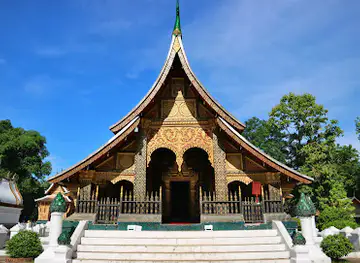
Wat Xiengthong
Discover Wat Xiengthong, Luang Prabang's most revered temple, showcasing stunning Lao architecture and rich royal history at the confluence of two sacred rivers.

Ancient Luang Prabang
Discover Luang Prabang, a UNESCO-listed gem where ancient temples meet French architecture in a serene Lao setting. A journey through history and culture.

Luang Prabang
Discover the serene beauty and rich cultural heritage of Luang Prabang, a UNESCO World Heritage city in the heart of Laos.

Best restaurants in Luang Prabang Range
Top-rated picks
Best Restaurants

Manda de Laos
Experience authentic Laotian flavors at Manda de Laos, where tradition meets tranquility in Luang Prabang's culinary landscape.

Dyen Sabai Restaurant
Discover authentic Lao cuisine at Dyen Sabai Restaurant in Luang Prabang—an unforgettable riverside dining experience.

Popolo, Restaurant
Discover authentic Italian flavors at Popolo in Luang Prabang—where delicious pizzas meet vibrant cocktails in a cozy atmosphere.

Bamboo Garden Restaurant
Experience authentic Lao cuisine at Bamboo Garden Restaurant in Luang Prabang—where tradition meets flavor in a serene setting.

Best bars in Luang Prabang Range
Top-rated picks
Best Bars

Utopia Bar & Restaurant
Experience the vibrant flavors and tranquil ambiance at Utopia Bar & Restaurant in Luang Prabang, a true feast for the senses.

Indigo Cafe
Indigo Cafe in Luang Prabang: Experience a unique blend of local and international cuisine in a cozy atmosphere, perfect for coffee lovers and food enthusiasts alike.
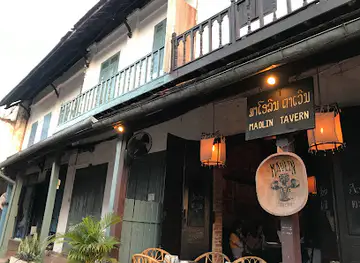
Maolin Tavern
Discover the perfect blend of local culture and vibrant nightlife at Maolin Tavern in Luang Prabang, a must-visit bar for every traveler.

Outback Laos
Experience the best of Western cuisine in Luang Prabang at Outback Laos, where every meal is a delightful escape.

Best nightclubs in Luang Prabang Range
Top-rated picks
Best Nightclubs

Utopia Bar & Restaurant
Discover Utopia Bar & Restaurant in Luang Prabang, where Asian fusion cuisine meets a vibrant atmosphere and serene yoga experiences.

Redbul Sport bar
Discover the perfect blend of sports and Pan-Asian cuisine at Redbul Sport Bar in Luang Prabang, where excitement meets delicious flavors.

Icon Klub
Experience the vibrant nightlife of Luang Prabang at Icon Klub, where unique cocktails and a lively atmosphere await.

Aussie Bar - Sports Bar
Visit Aussie Bar in Luang Prabang for a lively atmosphere, live sports, and an unforgettable experience in the heart of Laos.

Best shops in Luang Prabang Range
Top-rated picks
Best Shops

Night Market
Discover the heart of Luang Prabang at its Night Market, where local crafts, delicious street food, and vibrant culture come alive every evening.

Luang Prabang morning market
Explore the heart of Luang Prabang at the morning market, a vibrant fusion of local culture, food, and craftsmanship.

Phosy Market
Explore Phosy Market in Luang Prabang, where vibrant local culture meets fresh produce and unique handicrafts.

Dara Market
Explore the vibrant Dara Market in Luang Prabang, where local culture, delicious food, and unique crafts come together in a colorful marketplace.

Explore Luang Prabang Range on the Map
A handpicked selection of must-see spots in Luang Prabang Range, mapped for you.
Luang Prabang Range Essentials
-
Luang Prabang Range is located in northern Laos. The nearest international airport is Luang Prabang International Airport (LPQ), which is well-connected to major cities in Southeast Asia, including Bangkok, Hanoi, and Kuala Lumpur. From the airport, you can take a taxi or a prearranged shuttle to your accommodation. Alternatively, you can reach Luang Prabang by bus from Vientiane, the capital of Laos, or from other major cities in the region such as Chiang Mai in Thailand. The bus journey from Vientiane typically takes around 10-12 hours.
-
Once in Luang Prabang, getting around is relatively easy. The town is compact and many attractions are within walking distance. For longer distances, you can use tuk-tuks, which are plentiful and inexpensive. Bicycle rentals are also popular and provide a great way to explore the area at a leisurely pace. For trips outside the town, renting a motorbike or hiring a private car with a driver can be convenient options.
-
The official currency in Laos is the Lao Kip (LAK). Credit cards are accepted in some hotels, restaurants, and larger shops, but it is advisable to carry cash, especially in smaller establishments and rural areas. ATMs are available in Luang Prabang, but it is wise to withdraw enough cash before heading to more remote areas. Currency exchange services are also available in the town.
-
Luang Prabang is generally a safe destination for tourists. However, it is advisable to take standard precautions. Avoid walking alone at night in unfamiliar areas and keep an eye on your belongings in crowded places. While crime rates are low, petty theft can occur, so it is best to stay vigilant and aware of your surroundings. Avoid any areas that seem isolated or poorly lit.
-
In case of emergency, dial 1191 for police assistance or 1195 for medical emergencies. Luang Prabang has a hospital and several clinics for medical needs. It is recommended to have travel insurance that covers medical emergencies. For minor health issues, there are pharmacies in the town where you can purchase over-the-counter medications. Always have the contact information for your embassy or consulate in case of serious emergencies.
-
Fashion: Do dress modestly, especially when visiting religious sites. Avoid wearing revealing clothing. Religion: Do respect local customs and traditions. Always remove your shoes and cover your shoulders when entering temples. Public Transport: Do be respectful and give up your seat to elderly passengers. Don’t eat or drink on public transport. Greetings: Do greet people with a slight bow and the traditional 'nop' gesture (placing your hands together in a prayer-like position). Eating & Drinking: Do try local delicacies and accept food offerings graciously. Don’t refuse hospitality, as it is considered impolite.
-
To experience Luang Prabang like a local, visit the morning market where you can buy fresh produce and traditional Lao goods. Engage with locals, as they are often friendly and willing to share stories about their culture and history. Don't miss participating in the almsgiving ceremony, an important local tradition. For a unique experience, take a slow boat trip on the Mekong River to explore the surrounding countryside and visit remote villages.
When is the best time to visit Luang Prabang Range?
Useful Local Phrases for Luang Prabang Range
You don't need to speak the language perfectly. Even learning a few simple words can make conversations warmer—and locals usually appreciate the effort.
— Eve

Here are the phrases I use most often in Luang Prabang Range. Try a few—you'll be surprised how far they go! 😊
❤️
-
- Helloສະບາຍດີ
[sabaidee] - Goodbyeລາກ່ອນ
[lah gon] - Yesແມ່ນ
[maen] - Noບໍ່
[baw] - Please/You're welcomeກະລຸນາ
[kaluna] - Thank youຂອບໃຈ
[khob chai] - Excuse me/Sorryອະໄພ
[ah pai] - How are you?ແນວໃດ?
[nao dai?] - Fine. And you?ສະບາຍດີ. ອີກລະ?
[sabaidee. ee la?] - Do you speak English?ທ່ານສຽງອັງກິດເປັນບໍ?
[thaan siang angkit pen baw?] - I don't understandຂໍອະໄພ, ຂໍອະໄພບໍ່ເຂົ້າໃຈ
[khaw ah pai, khaw ah pai baw khau chai]
- Helloສະບາຍດີ
-
- I'd like to see the menu, pleaseຂໍເບິ່ງເມນູ, ກະລຸນາ
[khaw beung menu, kaluna] - I don't eat meatຂໍບໍ່ກິນເຂົ້າແຂງ
[khaw baw kin khao khaeng] - Cheers!ສຸດສຸດ!
[sut sut!] - I would like to pay, pleaseຂໍຈ່າຍ, ກະລຸນາ
[khaw chai, kaluna]
- I'd like to see the menu, pleaseຂໍເບິ່ງເມນູ, ກະລຸນາ
-
- Help!ຊ່ອຍ!
[sai!] - Go away!ເຂົ້າໄປ!
[khao pai!] - Call the Police!ໂທໄປຕໍລິດ!
[tho pai tor lid!] - Call a doctor!ໂທໄປຄູນ!
[tho pai khun!] - I'm lostຂໍສູນສູນ
[khaw soon soon] - I'm illຂໍປ່ອນເພີຍ
[khaw pohn phey]
- Help!ຊ່ອຍ!
-
- I'd like to buy...ຂໍຊື້...
[khaw seu...] - I'm just lookingຂອບໃຈທີ່ມາດູ
[khob chai thee ma du] - How much is it?ລາຄາເທົ່າໃດ?
[lahkha thao dai?] - That's too expensiveນັ້ນແພ້ກໍແພ້
[nan phaek gaw phaek] - Can you lower the price?ສາມາດລົງລາຄາໄດ້ບໍ?
[samaad long lahkha dai baw?]
- I'd like to buy...ຂໍຊື້...
-
- What time is it?ມື້ນີ້ເວລາໃດ?
[mue nee wela dai?] - It's one o'clockມັນແມ່ນໜຶ່ງຊົ່ວໂມງ
[man maen nueng chao mong] - Half past (10)ເຊົ້າໜຶ່ງສິບ
[sao nueng sip] - Morningເຊົ້າ
[sao] - Afternoonບ່າຍ
[bai] - Eveningແລງ
[laeng] - Yesterdayມື້ວານ
[mue wan] - Todayມື້ນີ້
[mue nee] - Tomorrowມື້ອາທິດ
[mue athit] - 1ໜຶ່ງ
[nueng] - 2ສອງ
[song] - 3ສາມ
[sam] - 4ເສິບ
[si] - 5ຫໍ່
[ha] - 6ເຕັມ
[tem] - 7ເຈັດ
[jet] - 8ແປດ
[paed] - 9ເກົ້າ
[kao] - 10ສິບ
[sip]
- What time is it?ມື້ນີ້ເວລາໃດ?
-
- Where's a/the...?ແມ່ນທີ່ຢູ່ບໍ?
[maen thee yoo baw?] - What's the address?ທີ່ຢູ່ແມ່ນແນວໃດ?
[thee yoo maen nao dai?] - Can you show me (on the map)?ສາມາດສະແດງບັດໃຫ້ຂໍເບິ່ງບໍ?
[samaad sa daeng bat hai khaw beung baw?] - When's the next (bus)?ຄັນແລງແມ່ນອີກຄັ້ງ?
[khan laeng maen eek khang?] - A ticket (to ....)ບັດໃຫ້ສົ່ງຊອງ...
[bat hai song song...]
- Where's a/the...?ແມ່ນທີ່ຢູ່ບໍ?
History of Luang Prabang Range
-
The Luang Prabang Range has been inhabited for thousands of years, with evidence of early human settlements dating back to the Neolithic period. Archaeological findings, including pottery and stone tools, indicate that the region was a thriving center of human activity long before recorded history.
-
In the 14th century, the Luang Prabang Range became part of the Kingdom of Lan Xang, one of the largest kingdoms in Southeast Asia. Founded by King Fa Ngum in 1353, Lan Xang's capital was initially established in Luang Prabang. The kingdom played a crucial role in the spread of Theravada Buddhism in the region, which remains a significant cultural influence to this day.
-
In the late 19th century, the Luang Prabang Range came under French colonial rule as part of French Indochina. The French influence is still evident in the architecture and urban design of Luang Prabang city, which is nestled within the range. The colonial period brought about significant changes in the region, including the introduction of new technologies and administrative practices.
-
During World War II, the Luang Prabang Range, like much of Southeast Asia, experienced Japanese occupation. In 1945, the Japanese briefly occupied Luang Prabang city, leading to a period of unrest and political upheaval. This tumultuous time was marked by the struggle for independence and the eventual withdrawal of Japanese forces.
-
The mid-20th century saw the Luang Prabang Range embroiled in the Lao Civil War, also known as the Secret War. This conflict, which lasted from 1959 to 1975, was part of the larger Indochina Wars and saw heavy involvement from both the United States and the Soviet Union. The rugged terrain of the range provided strategic advantages for various factions, making it a significant battleground during the war.
-
In 1995, the city of Luang Prabang, located within the Luang Prabang Range, was designated a UNESCO World Heritage Site. This recognition was due to the city's unique blend of traditional Lao architecture and French colonial buildings, as well as its well-preserved cultural heritage. The designation has helped to promote conservation efforts and increase tourism in the region.
-
Today, the Luang Prabang Range remains a vibrant cultural and historical hub. It is home to numerous temples, monasteries, and cultural landmarks that attract visitors from around the world. The region is also known for its traditional festivals, such as the Pi Mai Lao (Lao New Year), which showcases the rich cultural tapestry of the area. The blend of natural beauty and historical depth continues to make the Luang Prabang Range a significant destination for both travelers and historians.
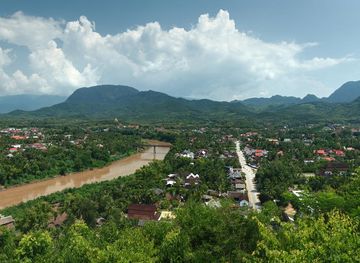
Neighbouring Regions of Luang Prabang Range
The closest regions to Luang Prabang Range, if you have time for more than one.



Your all‑in‑one travel companion app
Explore expert travel guides, compare and book tours, experiences, hotels, and more—all from the palm of your hand. Download now for seamless trip planning wherever your wanderlust takes you.


Explore More of Laos

Looking beyond Luang Prabang Range? Discover Laos for broader travel guides, local hot-spots, and regional highlights.
Explore LaosLuang Prabang Range in Photos
Browse through our photo collection highlighting the charm and character of the destination.


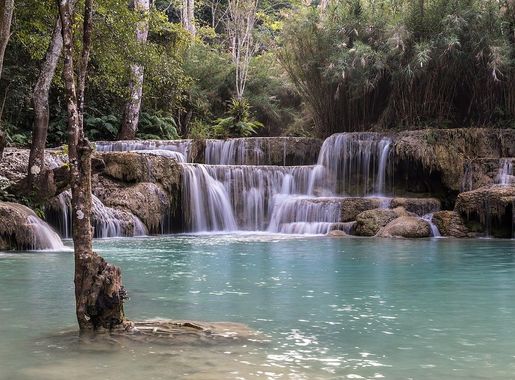
The Enchanting Luang Prabang Range: Laos' Hidden Gem
Nestled in the heart of Laos, the Luang Prabang Range is a mesmerizing destination that offers a perfect blend of natural beauty, rich culture, and historical significance. The area is renowned for its lush green mountains, serene rivers, and an abundance of wildlife. Visitors are often captivated by the stunning landscapes, which include picturesque waterfalls, dense forests, and scenic hiking trails. The Luang Prabang Range is also home to the UNESCO World Heritage city of Luang Prabang, a place where time seems to stand still. The city is famous for its well-preserved architectural heritage, with a mix of traditional Lao wooden houses and French colonial buildings. Monks in saffron robes can be seen walking the streets, adding to the spiritual ambiance of the city. The night market is a must-visit, offering a wide array of local handicrafts, textiles, and delicious street food. Adventure seekers will find plenty to do in the Luang Prabang Range. Kayaking on the Mekong River, trekking through the verdant hills, and exploring the mysterious Pak Ou Caves are just a few of the activities that await. For those looking to unwind, the tranquil Kuang Si Waterfall provides a perfect spot to relax and enjoy a refreshing swim. The range is also known for its vibrant festivals, such as the Lao New Year, which showcases traditional music, dance, and ceremonies.