Bauska Castle Museum Travel Guide
Free Guide: Explore the ruins and restored palace of Bauska Castle, a landmark of Latvian military architecture and ducal history at the confluence of two rivers.


A brief summary of Bauska Castle Museum
Explore the ruins and restored palace of Bauska Castle, a landmark of Latvian military architecture and ducal history at the confluence of two rivers.
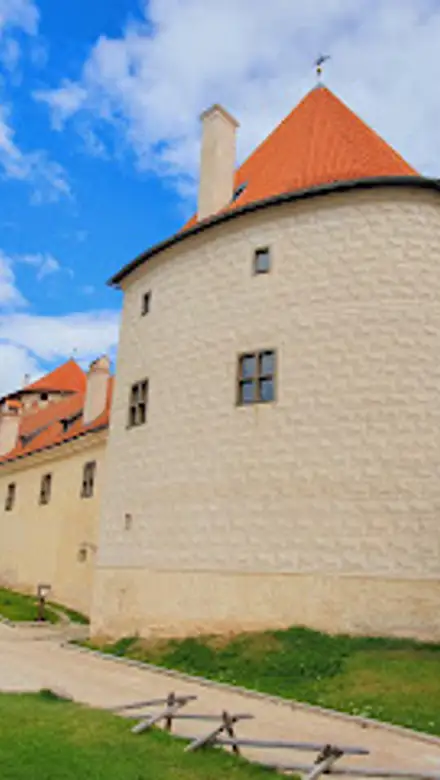
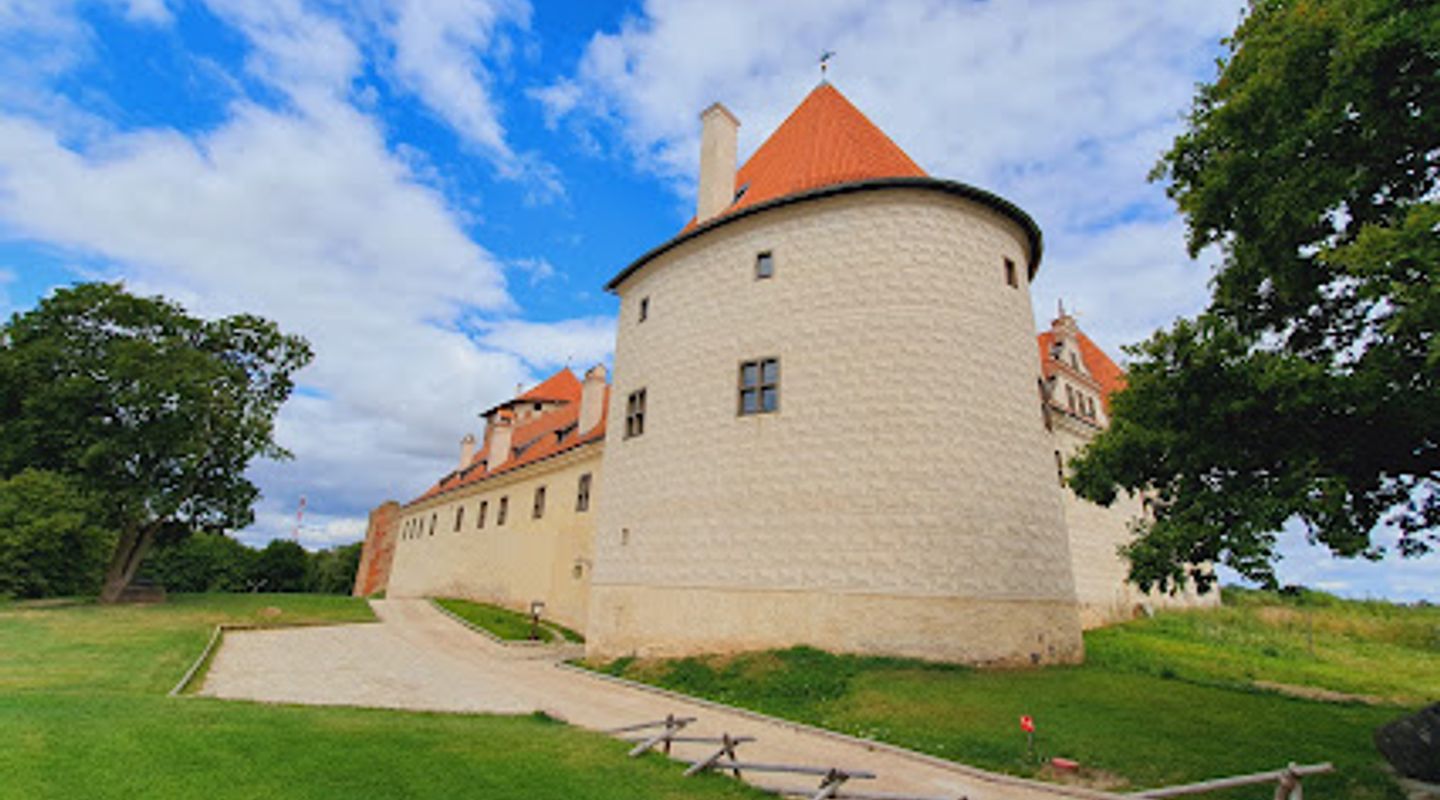
Bauska Castle, situated at the confluence of the Mūsa and Mēmele rivers, is a captivating historical site comprised of both ruins and a restored palace. Originally built in the 15th century by the Livonian Order and expanded in the 16th century by the Dukes of Courland, it offers a glimpse into Latvia's rich medieval and early modern history.
Opening hours
- Every day9 am–7 pm
Opening hours as listed on the venue’s Google Business Profile. Hours can change for services and special events, so check with the venue before you go.
- Address
- Bauskas pils muzejs, Pilskalna iela, Bauska, LV-3901
- Phone
- Website
Getting there
Walking
Public Transport
Taxi
Discover more about Bauska Castle Museum
Overview
Bauska Castle, located on a picturesque spit of land where the Mūsa and Mēmele rivers converge to form the Lielupe, is a compelling historical site. The castle complex consists of two main parts: the ruins of the original Livonian Order castle, built in the mid-15th century, and the more recent residence of the Dukes of Courland, constructed in the late 16th century.The oldest section of Bauska Castle was established between 1443 and 1450 by the Livonian branch of the Teutonic Knights. This fortress was strategically built to strengthen the Order's control over Semigallia, protect the border with the Grand Duchy of Lithuania, and oversee the trade route from Lithuania to Riga. It served as both a military stronghold and an administrative center. The castle's design was advanced for its time, specifically built for the use of artillery cannons.Over the centuries, Bauska Castle has witnessed numerous conflicts and shifts in power. In 1559, the Livonian Order ceded sovereignty of the town and castle to Poland. After the Order's collapse in 1562, the castle became one of the primary ducal residences when Gotthard Kettler became the first Duke of Courland. During the Polish-Swedish wars, Gustavus Adolphus of Sweden captured and looted the castle in 1625. In 1706, during the Great Northern War, the retreating Russian forces destroyed both the castle and palace.More than 150 years later, in 1874, Prince Paul von Lieven purchased the ruins and began restoration efforts. Today, visitors can explore the partially restored palace and the ruins of the Livonian Order castle. The Bauska Castle Museum, established in 1990, houses a collection of artifacts related to the castle's history. The museum organizes exhibitions, concerts, and thematic events that highlight the traditions of the castle's past. Visitors can also climb the castle keep lookout tower for panoramic views of Bauska and the surrounding landscape.
Evendo Review Centre
 Google
Guest reviews
Explore Bauska Castle Museum on the map
A handpicked selection of must-see spots near Bauska Castle Museum, mapped for you.
Get your free copy of our complete guide to Bauska Castle Museum, delivered straight to you.
Everything on this page, from opening hours and how to get there to Eve’s tips and the best time to go, in one PDF you can read offline, print or share.
Already have an account? Sign in
Your Bauska Castle Museum guide is ready.
We'll send it to · Not you? Sign out

Getting your guide ready…
We are putting together a fresh copy of the Bauska Castle Museum guide. This can take up to a minute.
This can take a few moments. If your browser asks, choose Allow so the download can start. You'll find the guide in your Downloads folder.
Nothing happened? Download it again
Sorry, the guide is taking longer than usual. Please try again in a minute, or get it by email instead.
Unlock the best of Bauska Castle Museum
Skip-the-line tickets, guided tours with entry, and walking tours of the area, booked in a few clicks.
 Tour with entry
Hill of Crosses and Rundale Palace with Bauska Castle from Riga
from $117.25 Tour with entry
Rundale Palace and Bauska Castle from Riga
from $117.25 Tour with entry
Bauska Castle and Rundāle Palace Half Day Trip From Riga
from $119.92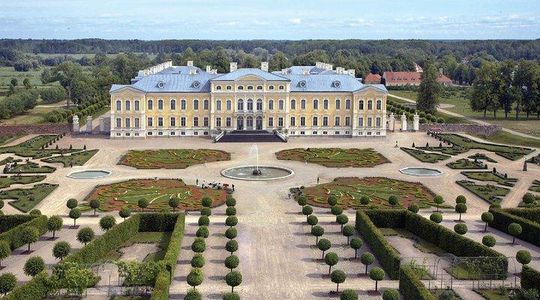 Tour with entry
Group Day trip to Rundale Palace, Hill of Crosses & Bauska Castle
from $133.24


Other nearby places you may find interesting
The closest places of the same kind, if this one is not quite what you had in mind.
-
-
-
-
-


Swipe for more places
More to explore near Bauska Castle Museum

 Best experiences near Bauska Castle Museum
 Best hotels near Bauska Castle Museum
 Best landmarks near Bauska Castle Museum
 Best attractions near Bauska Castle Museum
 Best shops near Bauska Castle Museum
 Best restaurants near Bauska Castle Museum
 Best bars near Bauska Castle Museum
Do you manage this location?
Take control to get all the benefits, like improved information, better appearance, and stronger visibility across AI-powered discovery.
Explore more

Explore more of Semigallia
Explore Semigallia in Latvia: Medieval Castles, Baroque Palaces, Pristine Nature, and Rich Cultural Heritage Await in This Enchanting Region.
Explore Semigallia
Explore more of Latvia
Explore Latvia: A Baltic treasure with rich history, stunning landscapes, vibrant festivals, and warm hospitality. Discover Riga's charm and Latvia's natural beauty.
Explore Latvia