
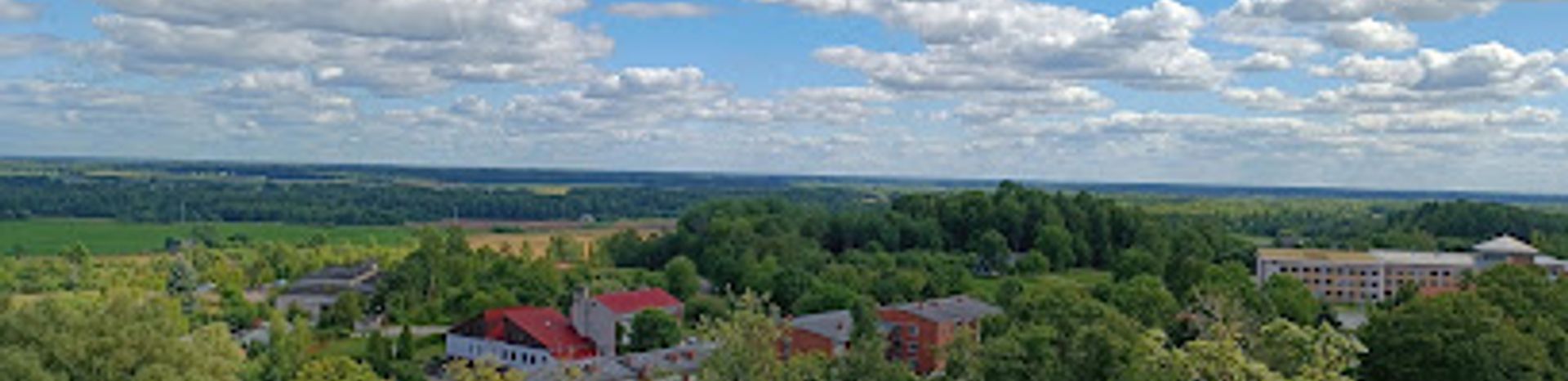
Cesvaine Palace: A 19th-Century Architectural Gem
Explore Cesvaine Palace, a stunning architectural masterpiece blending Gothic, Renaissance, and Art Nouveau styles in the heart of Latvia.
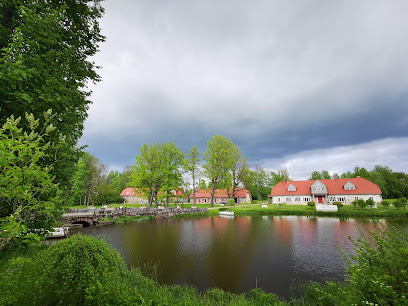
Cesvaine Palace, built in the late 19th century, is a stunning example of historicist architecture in Latvia. Combining Gothic, Renaissance, Romanesque, and Art Nouveau styles, the palace offers visitors a glimpse into the opulence of the Von Wulf family and the region's rich history.
A brief summary to Cesvaine Palace
- Pils iela 1, Cesvaine, Cesvaines pilsēta, Madona Municipality, 4871, LV
- +37128337703
- Visit website
Local tips
- Visit on the last Wednesday of the month for free admission.
- Check the opening hours before visiting, as they vary depending on the day of the week.
- Take a guided tour to learn more about the palace's history and architecture.
- Explore the surrounding park and manor buildings for a complete experience.

Getting There
-
Public Transport
From Madona, take a bus to Cesvaine. The bus ride takes approximately 30 minutes. Upon arrival in Cesvaine, walk along Pils iela to reach Cesvaine Palace at Pils iela 1. Bus fares vary, so check local bus schedules for current prices. A single bus ticket from Madona to Cesvaine typically costs around €1-3.
-
Walking
If you are already in Cesvaine, Cesvaine Palace is easily accessible on foot. From the center of Cesvaine, walk along Pils iela. The palace is located at Pils iela 1 and is a prominent landmark in the town. The walk is generally short and straightforward, taking no more than 10-15 minutes from most central locations.
Discover more about Cesvaine Palace
Iconic landmarks you can’t miss

Vecgulbenes Muiža
34.5 km
Experience history and luxury at Vecgulbenes Muiža, a beautifully restored manor complex in the heart of Gulbene, Latvia.

Former Ērgļi railway station
42.2 km
Explore Latvian railway history at the beautifully restored Ērgļi Station, now a museum and restaurant offering a unique cultural experience.
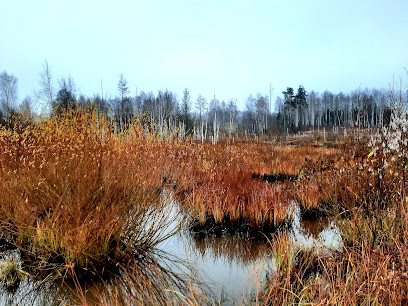
Stameriena castle
44.8 km
Explore Stāmeriena Castle: A blend of history, architecture, and romance in Latvia's scenic Gulbene region. Open Tues-Sun.
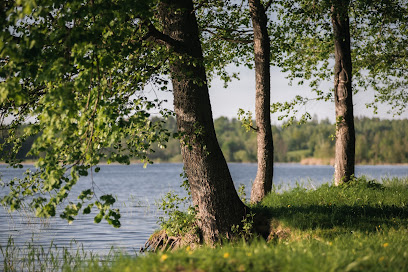
Dabas Studija Teiči
48.0 km
Escape to a modern holiday home near Teiči Nature Reserve, Latvia, offering comfort and natural beauty in Varakļāni Parish.
Smiltenes novadpētniecības muzejs Mēru muižā
54.5 km
Discover local history and culture at the Smiltene Regional Studies Museum, nestled in the stunning Mēru Manor with its park and ancient oak.
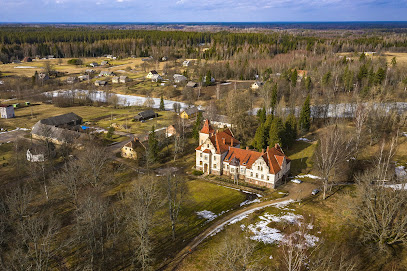
Jaun-Ieviņas
54.7 km
Experience Latvian countryside charm at Jaun-Ieviņas: cozy guesthouse, organic farm, and wild horse encounters await!
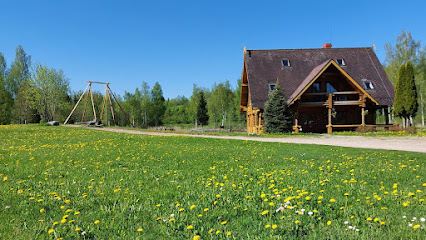
Obelisk Farm
56.0 km
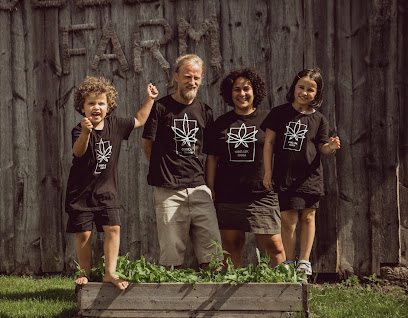
Discover the versatility of hemp at Obelisk Farm, featuring guided tours, workshops, and the Baltics' only Hemp Museum in rural Latvia.
Rančo "Ozolmājas"
56.5 km
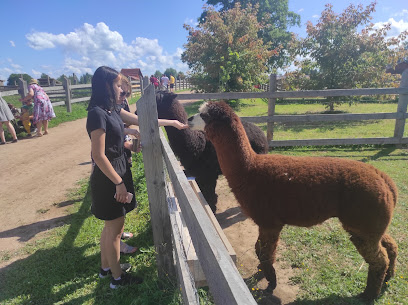
Discover a world of animals and nature's beauty at Rančo Ozolmājas, a perfect family escape in the heart of Latvia's Balvi region.
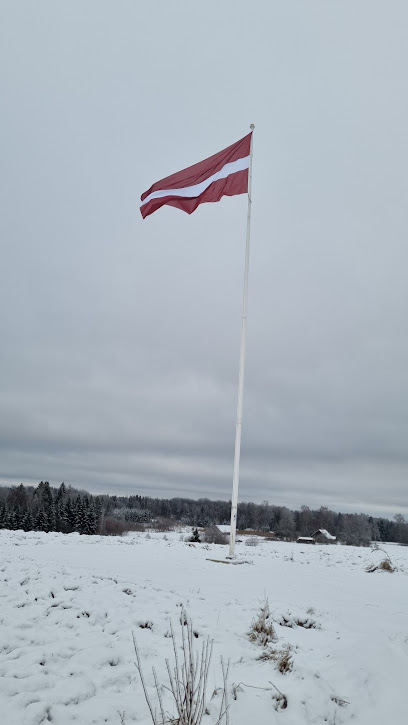
Flag of Latvia
57.9 km
Discover Latvian pride and history at the Flag of Latvia Park in Zaube, a serene escape in Cēsis Municipality.
Strūves meridiāna loka ģeodēziskais punkts "Kreutzburg"
58.0 km
Explore a UNESCO World Heritage Site in Jēkabpils, Latvia, and discover the history of 19th-century geodetic science at the Struve Geodetic Arc.
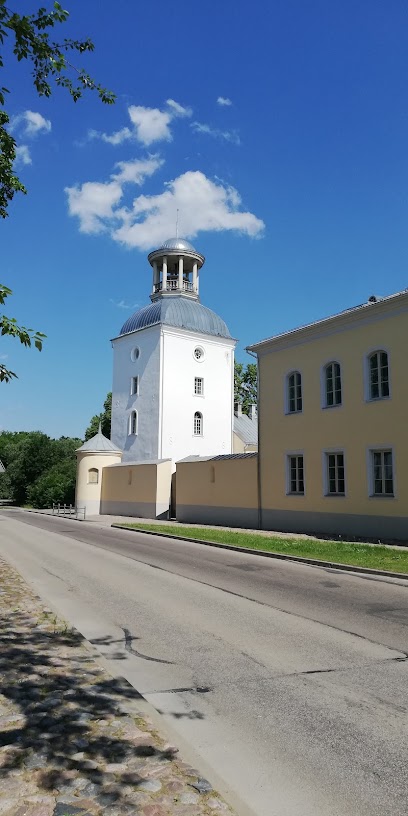
Rauna Freedom Monument
58.4 km
Explore the Rauna Freedom Monument, a stunning symbol of Latvia's resilience and a serene spot for reflection in the heart of Rauna.
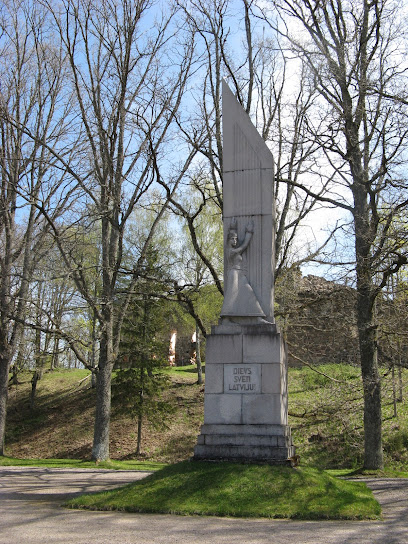
Ķeveiti
59.3 km
Experience the charm of rural Latvia at Ķeveiti Country House: scenic landscapes, homemade delights, and tranquil relaxation.
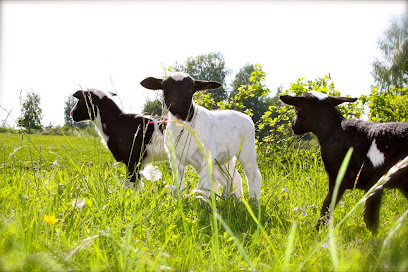
Two Rivers
66.0 km
Experience tranquil riverside charm at Divas Upes, near Koknese, Latvia. Enjoy Italian-inspired comfort and explore the region's natural beauty.
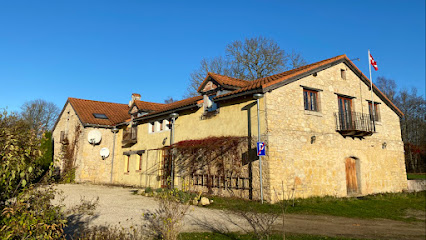
Vīgantes parks
66.3 km
Discover Vīgantes Parks: A historical sanctuary where nature and culture intertwine on the banks of the Daugava River.
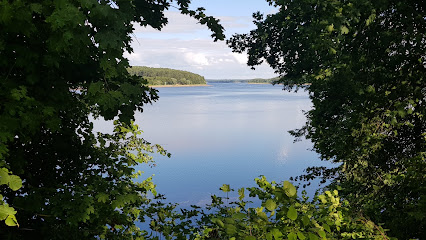
Skangaļi Manor
68.6 km
Discover the serene Skangaļi Manor in Latvia: a historic estate offering a peaceful retreat and a glimpse into Baltic German heritage.

Unmissable attractions to see

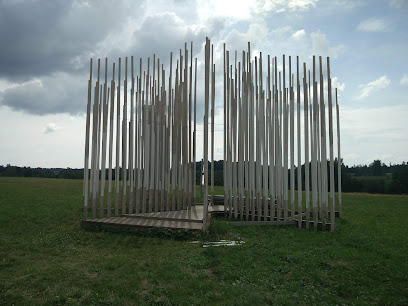
Vides objekts "Latvija skan"
15.2 km
Discover the artistic heritage of Latvia at Vides objekts Latvija skan, where culture and creativity intertwine in an engaging museum experience.
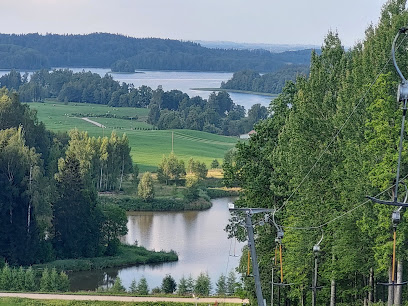
Lielais Golgāts
23.7 km
Discover the stunning landscapes and tranquil beauty of Lielais Golgāts in Latvia, a perfect destination for nature lovers and adventurers alike.
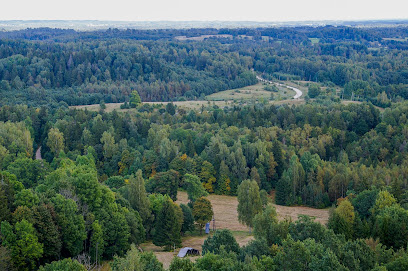
Gaiziņkalna smaile
24.1 km
Experience the breathtaking views and serene tranquility at Gaiziņkalna Smaile, the highest point in Latvia, perfect for nature lovers and adventurers alike.
Latvijas samits
24.1 km
Experience the beauty of Gaizinkalns, Latvia's highest peak, where adventure and nature unite in stunning landscapes.
Rankas muiža
27.6 km
Explore the stunning Rankas Muiža, a historical estate in Latvia surrounded by lush gardens, rich culture, and captivating architecture.
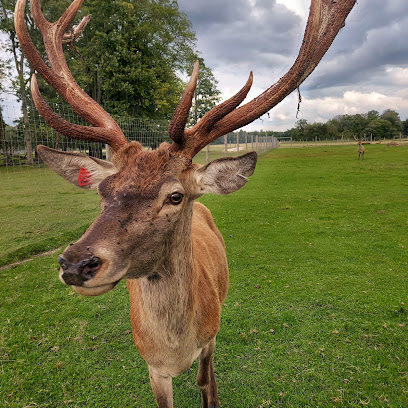
Deer garden "MEŽSĒTAS"
35.4 km
Explore Deer Garden MEŽSĒTAS, a serene attraction in Latvia perfect for nature lovers and those seeking a peaceful escape among beautiful landscapes.
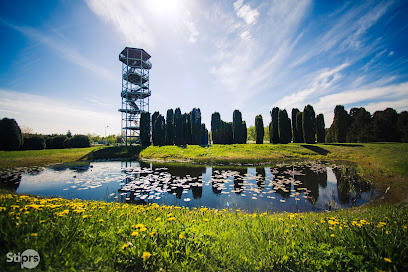
Kalsnavas arborētums
38.6 km
Explore Kalsnavas Arborētums, a botanical garden in Latvia showcasing diverse plants and offering a peaceful retreat for nature lovers and families alike.
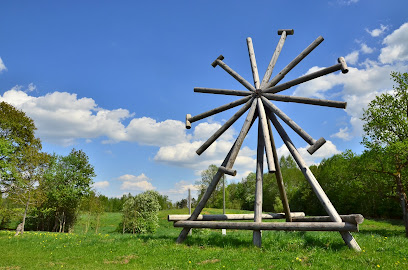
Brāļu Jurjānu memoriālais muzejs "Meņģeļi"
38.6 km
Discover the rich history and cultural significance of Latvia at the Brāļu Jurjānu Memorial Museum in Meņģeči.
Marinzeja manor
45.8 km
Explore Marinzeja Manor in Atašiene Parish, a stunning example of 19th-century Baltic architecture and a hub of cultural heritage in Latvia.
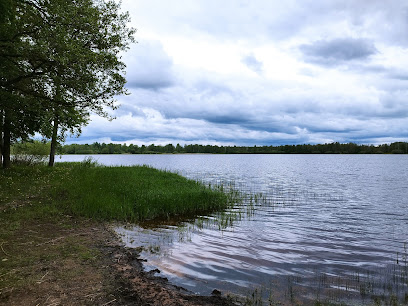
Velna grāvis uz Nāružiņas upes
47.3 km
Explore the tranquil Velna Grāvis nature preserve in Ogre Municipality, where lush landscapes and diverse wildlife await your discovery.
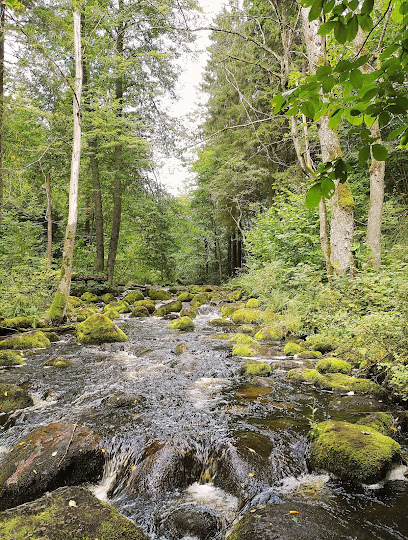
Teirumnīki Bog Trail
47.6 km
Discover the serenity of Teirumnīki Bog Trail, a stunning wooden pathway through Latvia's breathtaking natural landscape, perfect for nature lovers and photographers.
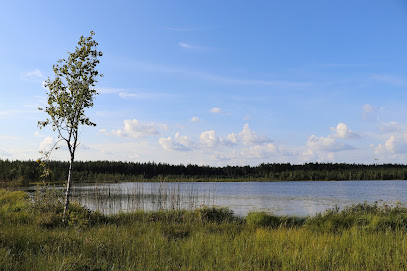
Odziena Manor
47.7 km
Explore the enchanting Odziena Manor, a historic gem in Latvia offering stunning architecture, lush gardens, and a glimpse into local heritage.
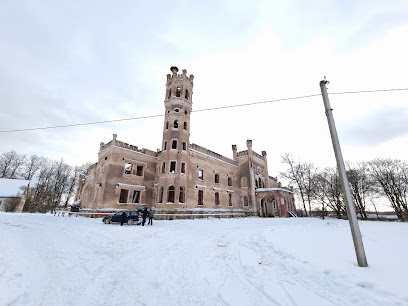
Karlīnas mini zoo
49.0 km
Experience the joy of wildlife at Karlīnas Mini Zoo, a family-friendly attraction in the heart of Latvia's beautiful countryside.
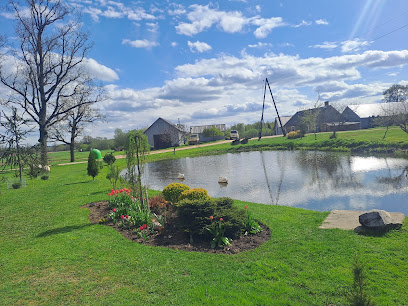
Atpūtas komplekss "Mežezers"
50.0 km
Explore the breathtaking beauty and recreational activities at Atpūtas komplekss Mežezers, a premier ski resort in Latvia's serene countryside.
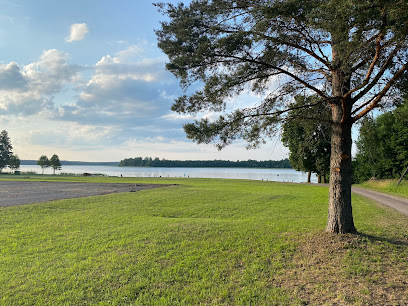
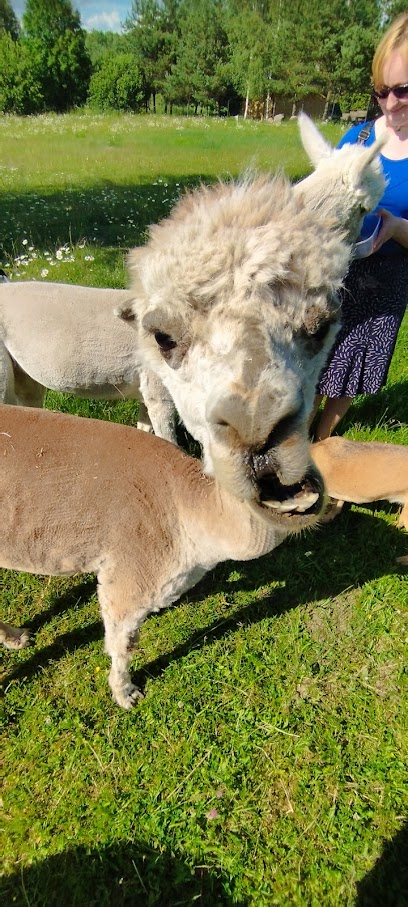
SAULES ALPAKAS
51.4 km
Experience the charm of Saules Alpakas in Kūkā Parish, where gentle alpacas welcome you to a serene journey through the Latvian countryside.
Essential places to dine

Kannas , restorans
57.7 km
Discover the flavors of Latvia at Kannas Restaurant in Zaube parish—where culinary artistry meets warm hospitality.
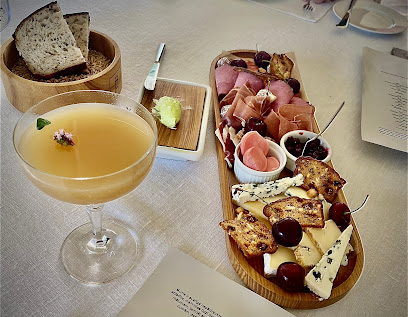
Bistro "Vecpilsēta"
59.2 km
Experience authentic Latvian cuisine at Bistro 'Vecpilsēta' in Jēkabpils - where local flavors meet cozy ambiance.
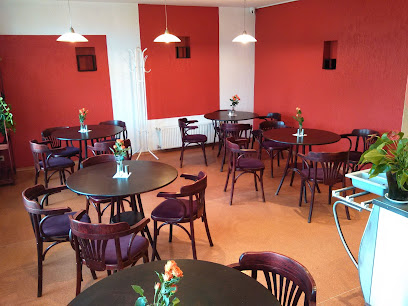
Lūšu krogs
59.4 km
Discover Lūšu krogs in Jēkabpils: A cozy coffee shop and bar offering delicious food and drinks in a welcoming atmosphere.
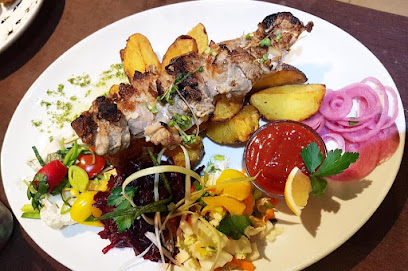
BISTRO Bērzkrogs
60.2 km
Experience the best of Latvian cuisine at Bistro Bērzkrogs - where tradition meets modern dining in Cēsis Municipality.
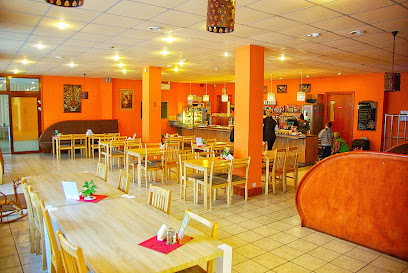
Velniņi
61.2 km
Experience authentic Latvian cuisine at Velniņi Bistro in Klintaine Parish, where local flavors meet stunning landscapes.
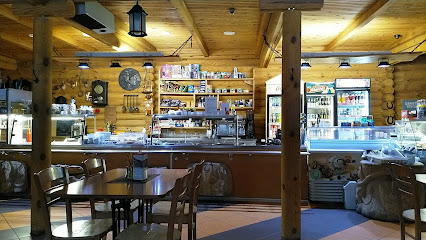
Rūdolfs, Krodziņš
65.0 km
Discover authentic Latvian flavors at Rūdolfs, Krodziņš - where local ingredients meet warm hospitality in Koknese.
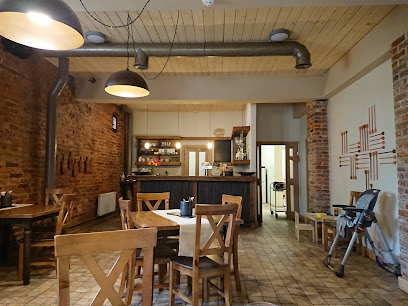
Panna Cafe
65.0 km
Experience the charm of Koknese at Panna Cafe – where local flavors meet cozy ambiance.
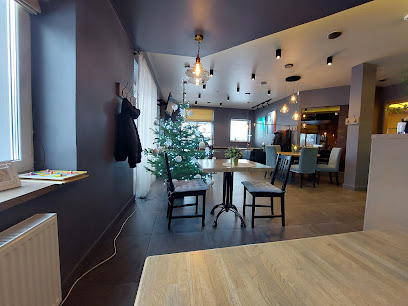
Pusdienotava Pietura
68.6 km
Discover the charm of Pusdienotava Pietura: A cozy bistro offering delicious local cuisine and inviting ambiance in Priekuļi.
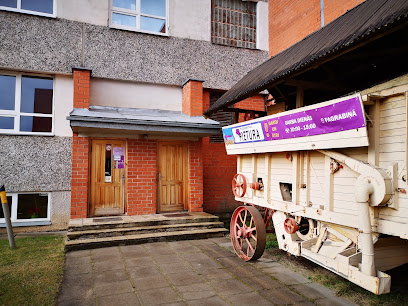
Hotel Tigra
69.0 km
Discover comfort and culinary excellence at Hotel Tigra in Cēsis, where local flavors meet warm hospitality in an idyllic setting.
Martas virtuve
69.1 km
Discover the flavors of Latvia at Martas virtuve, a charming restaurant and café in Priekuļi that celebrates local cuisine and warm hospitality.
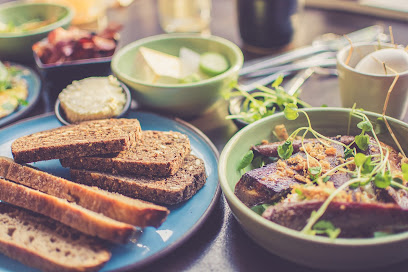
Maizes māja
70.4 km
Experience authentic Latvian flavors at Maizes māja, where delicious freshly baked bread meets warm hospitality in Liepa Parish.
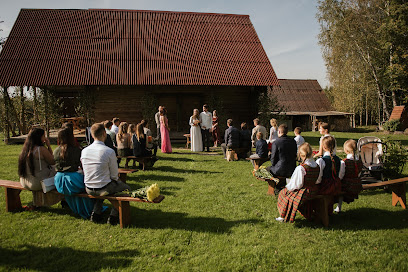
Pie Rikardiona
70.8 km
Savor traditional Latvian cuisine and exceptional coffee at Pie Rikardiona in Cēsis Municipality.
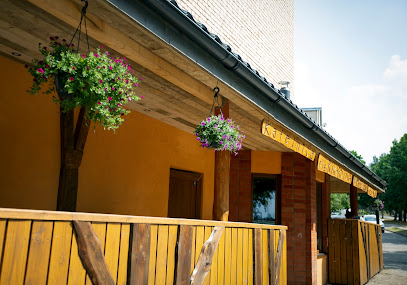
RICCA 11
71.0 km
Experience authentic Latvian cuisine at Ricca 11 in Cēsis - where delightful dishes meet charming ambiance.
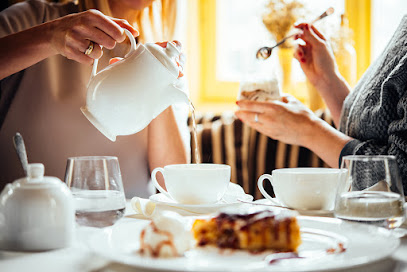
Bistro Cēsis
71.5 km
Experience authentic Latvian flavors at Bistro Cēsis – where local ingredients meet cozy ambiance.
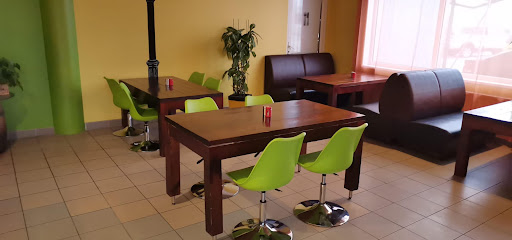
Solo , kafejnica
72.5 km
Discover Solo Cafe in Cēsis: A charming retreat offering local flavors and cozy ambiance for every traveler.
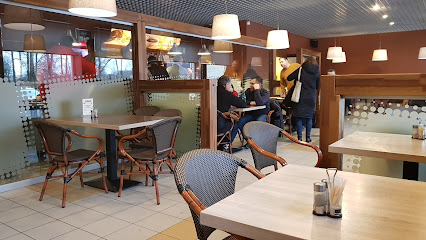
Markets, malls and hidden boutiques

Shopping center "Sēlija"
59.0 km
Explore Shopping Center 'Sēlija' in Jēkabpils, your one-stop destination for shopping, dining, and entertainment in a vibrant atmosphere.
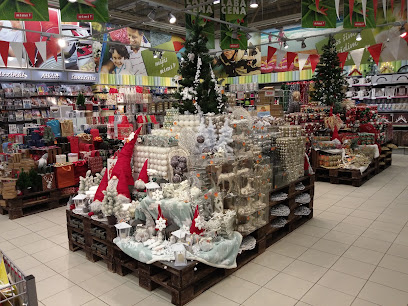
Apakšveļas veikals "Sintija"
59.0 km
Explore exquisite lingerie at Apakšveļas veikals 'Sintija' in Jēkabpils, where elegance meets comfort for every occasion.
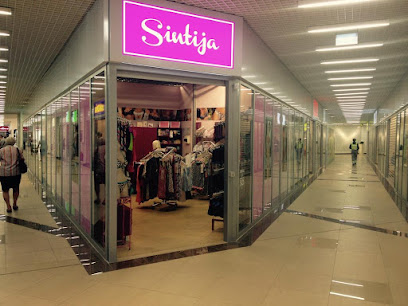
ZEROSPORT - sporta preču outlet Jēkabpilī
59.0 km
Explore ZEROSPORT in Jēkabpils for quality sporting goods and stylish sportswear, perfect for all your outdoor adventures.
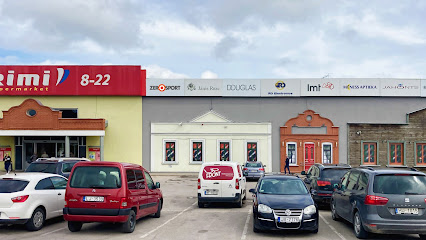
Mimoza, Ziedu salons
59.2 km
Discover the enchanting floral designs and unique gifts at Mimoza, Ziedu salons in Jēkabpils, a must-visit for flower lovers and gift seekers.
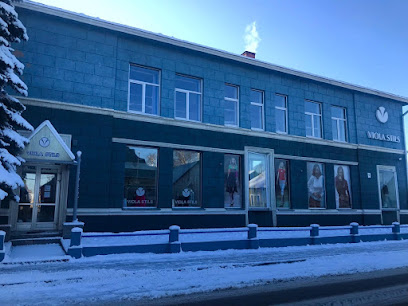
Viola-Stils
59.2 km
Discover the charm of handcrafted knitwear at Viola-Stils in Jēkabpils, where tradition meets artistry in every stitch.
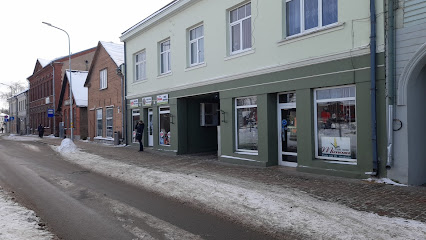
Skarleta , veikals
59.3 km
Discover fashion at Skarleta, where Jēkabpils' style meets your unique taste in clothing and accessories.
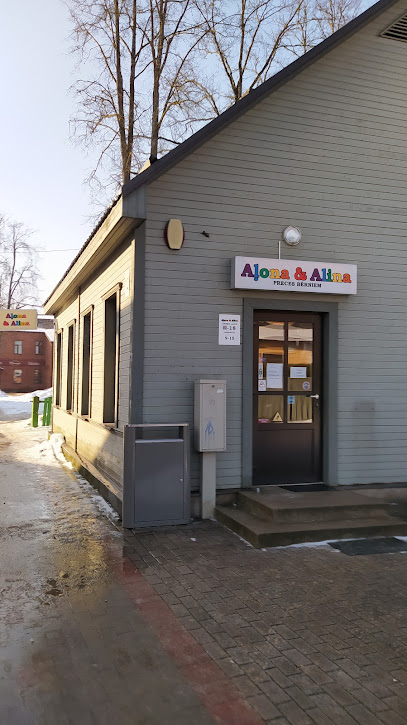
Alona & Alina
59.3 km
Explore Alona & Alina in Jēkabpils for a unique shopping experience, featuring local fashion trends and quality craftsmanship.
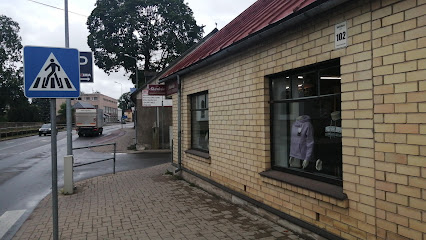
Zile , veikals
59.4 km
Discover the charm of Zile, a bustling shopping mall in Jēkabpils, Latvia, offering unique finds and a taste of local culture.
sheilla.lv sieviešu apģērbu internetveikals
59.5 km
Shop the latest women's fashion trends at Sheilla.lv in Jēkabpils – where style meets comfort in every piece.
mini top!
59.5 km
Explore local flavors and culinary delights at Mini Top! - your go-to grocery store in Jēkabpils.
zivju veikals,zivju baze
59.5 km
Explore Jēkabpils Fish Market for the freshest local seafood and an authentic taste of Latvian culinary traditions.
DRUKO BALTIJA SIA
59.6 km
Explore unique fashion and custom clothing designs at Druko Baltija SIA in Jēkabpils, the perfect shopping stop for tourists.
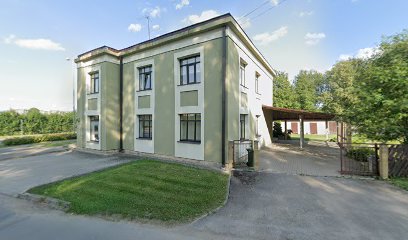
top!
59.8 km
Discover local flavors and everyday essentials at Top! Grocery Store in Jēkabpils – your one-stop shop for authentic Latvian goodies.
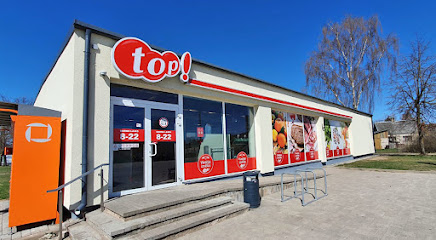
Labas Mēbeles
59.9 km
Explore Labas Mēbeles in Jēkabpils for unique, stylish furniture that reflects Latvian craftsmanship and design.
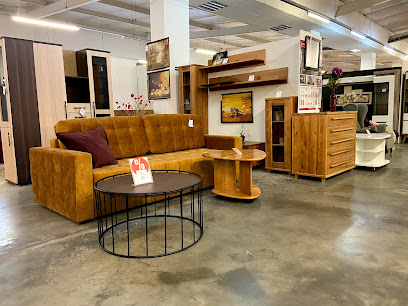
Prezents
60.0 km
Explore Prezents in Jēkabpils, a delightful gift shop offering unique souvenirs and local artistry for every traveler.
Essential bars & hidden hideouts

Bura Restaurant & Pub
13.3 km
Discover the delicious organic cuisine and vibrant music scene at Bura Restaurant & Pub in Madona, a perfect blend of taste and culture.
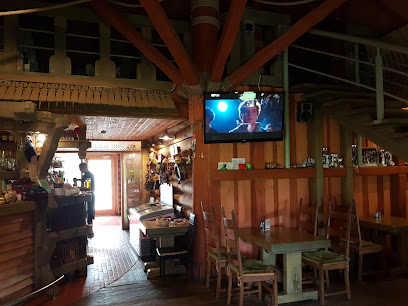
Savija, Kafejnīca
53.2 km
Discover Savija, Kafejnīca in Pļaviņas: a cozy café and bar offering delicious drinks and snacks in a welcoming atmosphere.
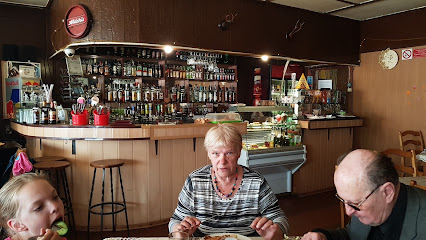
Jekavpila
57.5 km
Experience the vibrant nightlife of Jekabpils at Jekavpila Bar, where great drinks and friendly faces await you!
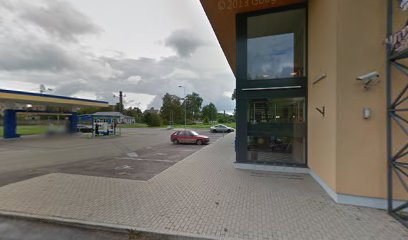
Oāze
58.5 km
Discover Oāze in Jēkabpils: a vibrant bar and restaurant offering local cuisine, live music, and a warm atmosphere for all visitors.
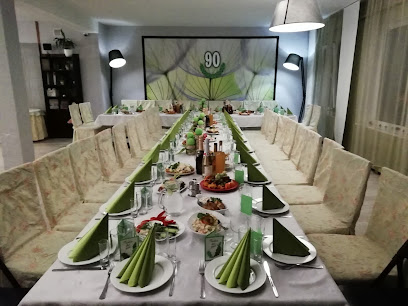
Piciņa
58.6 km
Discover the cozy charm of Piciņa in Jēkabpils, where local flavors and international drinks create the perfect retreat for every traveler.
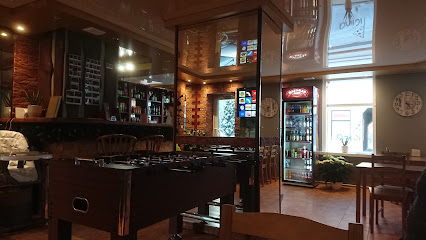
Jumprava, kafejnīca-bārs
59.2 km
Discover Jumprava, the charming café and bar in Jēkabpils, offering delicious local flavors and a cozy atmosphere for all visitors.
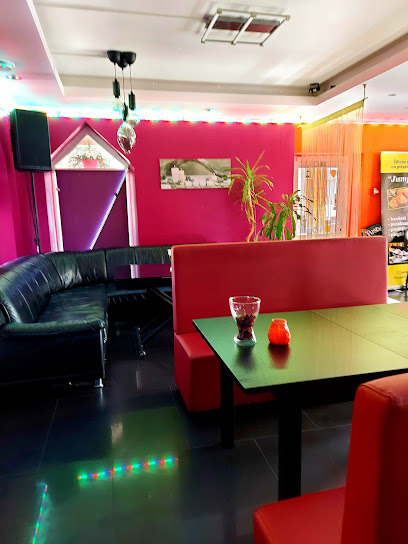
Klaukavas krogs
60.7 km
Discover Klaukavas Krogs, a charming pub in Vīpe Parish, where authentic Latvian flavors and warm hospitality await you.
Vaive
60.8 km
Experience the tranquil charm of Vaive River, a hidden gem in Rauna parish, perfect for nature lovers and outdoor enthusiasts.
KRUSTPILS
61.5 km
Experience the lively spirit of KRUSTPILS, a delightful bar in Brodi serving an extensive selection of beverages in a cozy and welcoming atmosphere.
Saulīte
69.0 km
Experience the charm of Saulīte in Līvāni, where local flavors and welcoming vibes create the perfect spot for relaxation.
Joker sporta bārs un spēļu zāle Līvānos
69.4 km
Discover Joker Sports Bar and Gaming Hall in Līvāni for an unforgettable night of fun, gaming, and socializing with locals and fellow travelers.
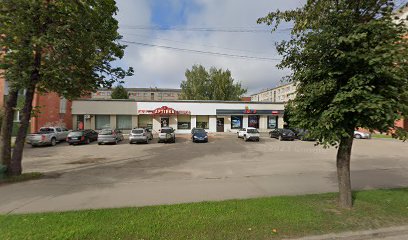
Liepa
70.5 km
Discover the cozy ambiance of Liepa, a charming bar in Latvia's picturesque countryside, perfect for relaxing with locals and savoring delightful beverages.
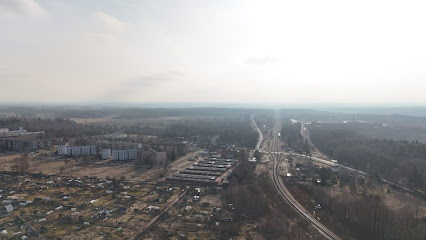
Livonia , SIA
71.4 km
Explore Livonia in Cēsis: A unique glimpse into Latvia's manufacturing heritage and craftsmanship.
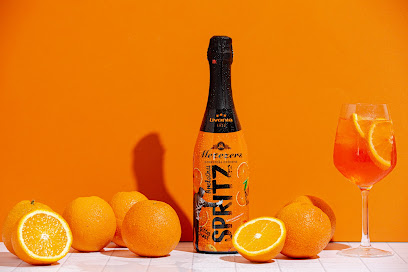
Baltiņi
71.9 km
Experience the authentic flavors and warm hospitality of Baltiņi, a charming bar in Priekuļu Parish perfect for travelers seeking a local touch.
Joker sporta bārs un spēļu zāle Cēsīs, Pļavas iela 5
73.1 km
Discover the ultimate sports bar experience at Joker Sporta Bārs in Cēsis, where excitement and camaraderie await every visitor.
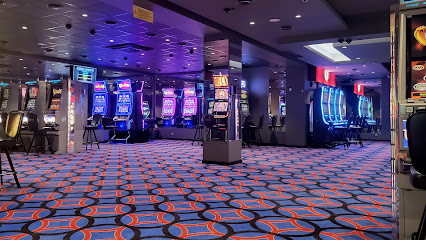
Nightclubs & after hour spots

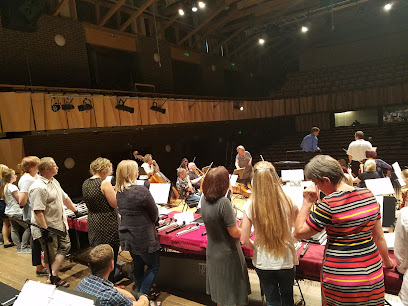
Cēsis Vidzeme Concert Hall
73.3 km
Experience the vibrant culture of Latvia at Cēsis Vidzeme Concert Hall, where music and history blend in a stunning architectural setting.
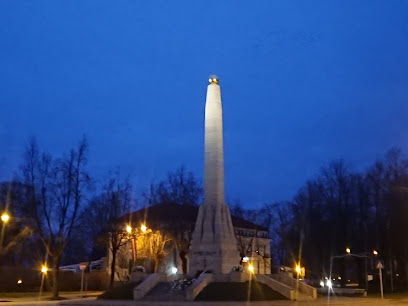
MERIDIĀNS, OK
73.3 km
Discover excitement and local spirit at MERIDIĀNS, OK, a premier sports club and stadium in the charming town of Cēsis.
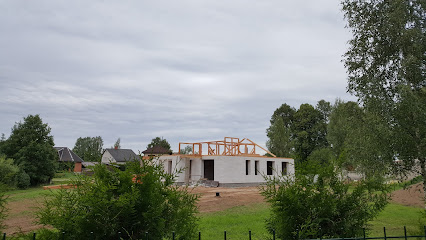
Cēsu Karatē klubs
74.7 km
Explore karate at Cēsu Karatē Klubs - a vibrant sports club in picturesque Cēsis, perfect for enthusiasts and curious visitors alike.
Valga Petanque Klubi MTÜ
90.3 km
Experience the joy of petanque at Valga Petanque Klubi, a vibrant sports club in the heart of Valga County, perfect for all ages.
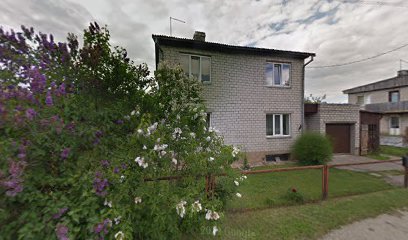
POLIGON #1 Lāzertags - Sigulda
90.5 km
Experience the thrill of laser tag at POLIGON #1 in Sigulda, the perfect destination for family fun, events, and unforgettable memories.
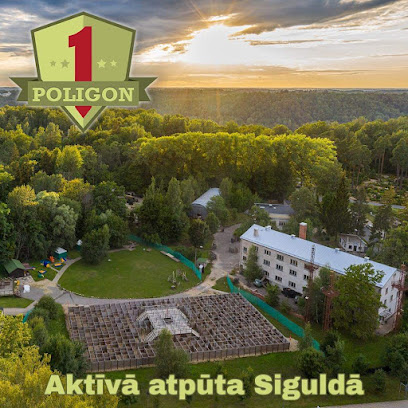
Action Quest - Bunker
90.6 km
Experience the thrill of outdoor adventures at Action Quest - Bunker in Sigulda, where excitement and teamwork come together for unforgettable fun.
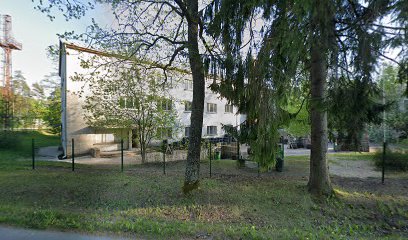
Siguldas DEVONS
90.7 km
Discover the vibrant arts and culture of Sigulda at Siguldas DEVONS, a community hub showcasing local talent and heritage.
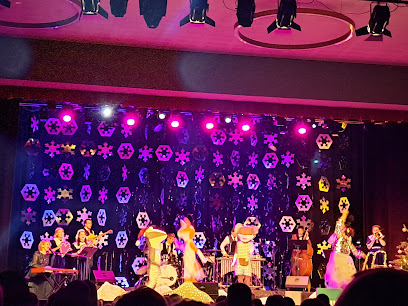
Complex Cathouse (Kaķu Māja)
90.8 km
Experience the unique blend of bar, café, and restaurant delights at Complex Cathouse in the heart of Sigulda, Latvia.
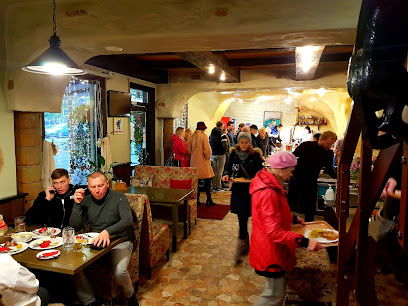
Royal Dandy
90.9 km
Experience the perfect blend of traditional barbering and modern styling at Royal Dandy in Sigulda, where every visit is tailored to your grooming needs.
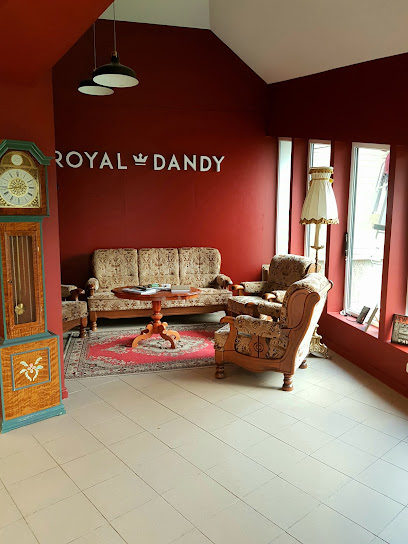
conspirator OÜ
91.1 km
Experience Valga's vibrant nightlife at Conspirator OÜ, a cozy bar with local flavors and a friendly atmosphere.
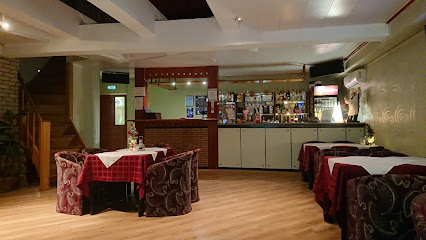
Valga Rockiklubi MTÜ
91.1 km
Discover the vibrant music scene at Valga Rockiklubi MTÜ, the heart of rock culture in Valga County, Estonia, where local talent shines.
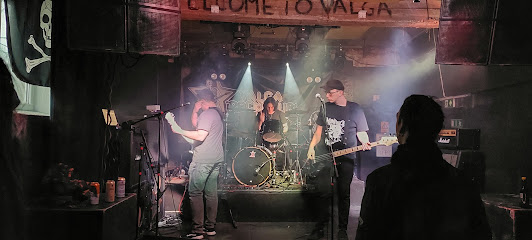
Siguldas pilsdrupu estrāde
91.2 km
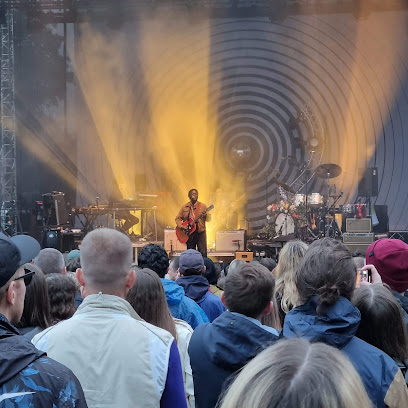
Discover the vibrant atmosphere of Siguldas Pilsdrupu Estrāde, where live music meets stunning natural beauty in the heart of Sigulda.
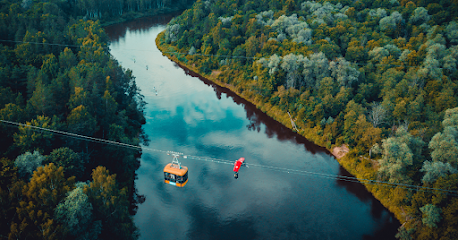
SIGULDA ADVENTURES
91.3 km
Experience heart-pounding thrills and breathtaking views at Sigulda Adventures, a top destination for adventure lovers in Latvia.
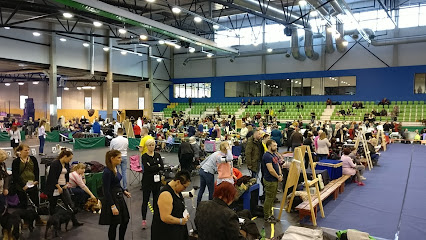
Valga Sports Hall
91.4 km
Experience fitness and community at Valga Sports Hall, the go-to gym for travelers seeking to stay active in Estonia.
Nahkkinnas MTÜ
91.4 km
Experience the energy of boxing at Nahkkinnas MTÜ, Valga's premier boxing club for all skill levels.


