Mseilha Fort: A Sentinel of Lebanese History
Explore Mseilha Fort, a historic Lebanese fortress offering stunning views and a glimpse into the region's rich military past.
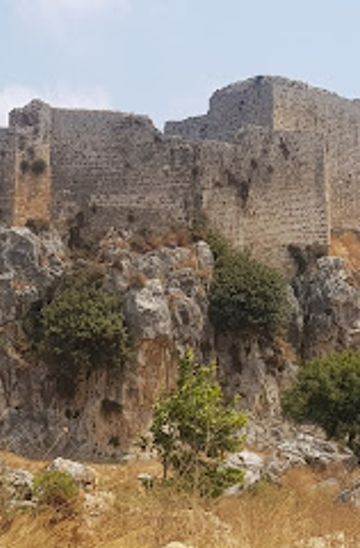
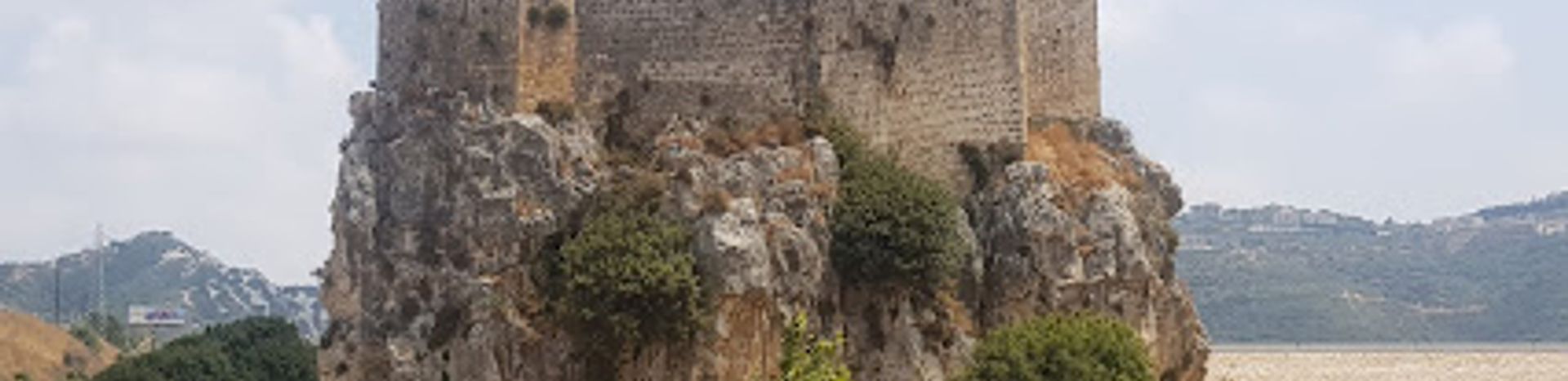
Mseilha Fort, near Hamat, Lebanon, is a 17th-century fortification built by Emir Fakhr-al-Din II to guard the route between Tripoli and Beirut. Perched on a narrow limestone rock overlooking the Nahr el-Jawz River, it offers a glimpse into Lebanon's strategic military past.
A brief summary to Mseilha Fort
- 7MFQ+FW6, Hamat, LB
- Monday 8 am-4 pm
- Tuesday 8 am-4 pm
- Wednesday 8 am-4 pm
- Thursday 8 am-4 pm
- Friday 8 am-4 pm
- Saturday 8 am-4 pm
- Sunday 8 am-4 pm

Know before you go
Hi, I'm Eve. Here are a few practical things to know before exploring Mseilha Fort.
- Wear comfortable shoes for exploring the fort's interior and climbing the towers.
- Visit during the spring or fall for pleasant weather and fewer crowds.
- Combine your visit with a trip to nearby Batroun or the Cedars of God.
Do you manage this location?
Take control to get all the benefits, like improved information, better appearance, and stronger visibility across AI-powered discovery. Learn more
Activate your presence
Getting There
-
Car
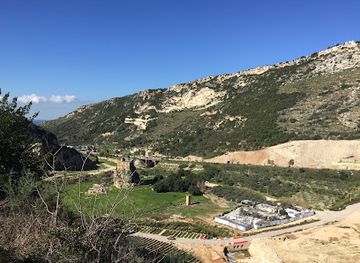
From Batroun, head north on Route 51 towards Hamat. Continue for approximately 15 km until you see signs for Mseilha Fort. Parking is available near the entrance.
-
Public Transport
From Batroun, take a shared taxi (service) towards Hamat. The cost is around 3,000 to 5,000 LBP per person. Get off near Mseilha Fort in Hamat. From there, it's approximately a 5 km taxi ride to the fort, costing around 10,000 LBP.
Discover more about Mseilha Fort
Explore the best of what Mseilha Fort has to offer













More about Koura
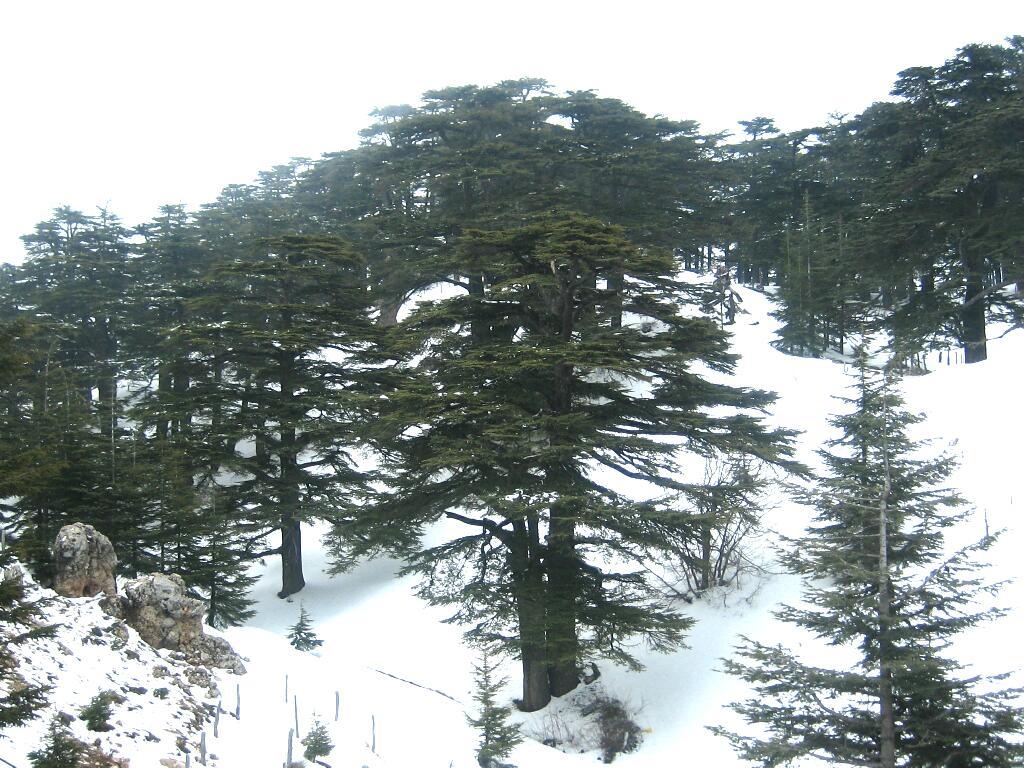
Explore Koura, the olive heartland of Lebanon, where ancient groves, historical landmarks, and stunning natural beauty converge for an unforgettable experience.
Tell me more about Koura
Discover Lebanese artistry at Soraya's Art Gallery in Batroun's Old Souk, showcasing local talent and cultural heritage through diverse art forms.

Experience Lebanese culture, cuisine, and nature at Arnaoon Village, a charming destination near Batroun's historic Msaylha Fortress.