Umayyad City Ruins: A Glimpse into Lebanon's Islamic Past
Explore the Umayyad City Ruins in Aanjar, a UNESCO World Heritage Site showcasing Islamic architecture and history in Lebanon's Bekaa Valley.
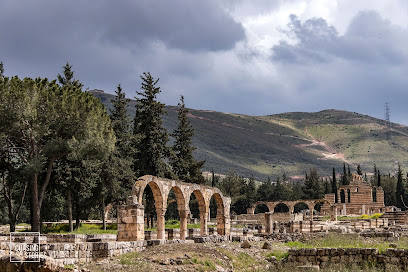
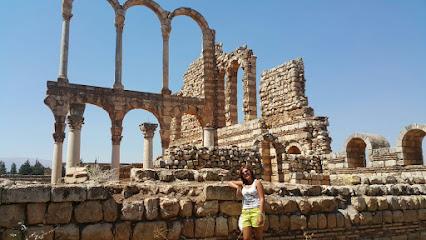
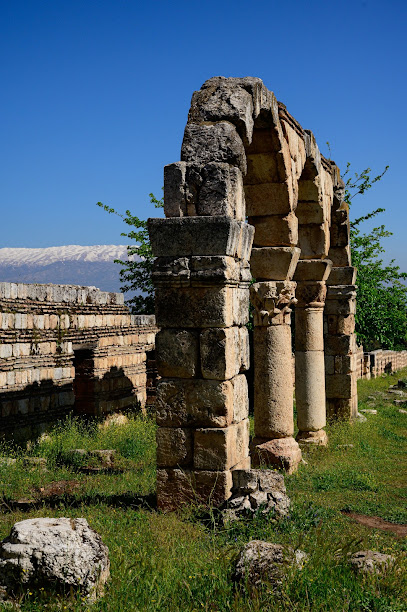
The Umayyad City Ruins in Aanjar, Lebanon, are a testament to the 8th-century Umayyad dynasty, showcasing a unique blend of Islamic and Roman architectural styles. This UNESCO World Heritage Site offers visitors a chance to explore the well-preserved remains of a once-thriving commercial center.
A brief summary to Umayyad City Ruins
- PWJM+WCJ, Aanjar, LB
- +96171808417
Local tips
- Wear comfortable shoes as you'll be walking on uneven terrain while exploring the ruins.
- Visit during spring (March-May) or autumn (September-November) for pleasant weather and fewer crowds.
- Consider booking a guided tour to gain deeper insights into the history and significance of the site.
- Take advantage of your visit by exploring nearby attractions like Baalbek, and the wineries in Beqaa Valley.

Getting There
-
Walking
From the center of Anjar, head east on the Beirut-Damascus Highway. Walk until you see signs for Umayyad City Ruins. The walk should take approximately 10-15 minutes. There are no costs involved.
-
Public Transport
From the main square in Anjar, take a shared taxi (service taxi) towards Baalbek. Inform the driver you want to stop at the Umayyad City Ruins. The ride should take about 10 minutes. The cost is approximately 1,000 LBP.
Discover more about Umayyad City Ruins
Iconic landmarks you can’t miss

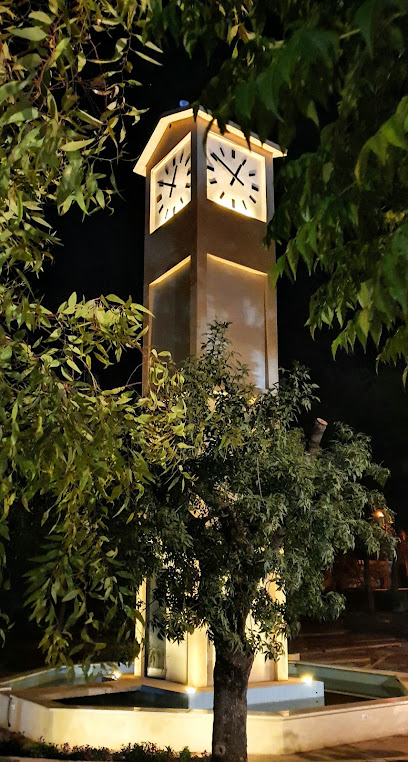
Historical Clock of Anjar
0.6 km
Discover the charm of Anjar's Historical Clock, a serene landmark offering a glimpse into Lebanon's rich heritage and architectural beauty.
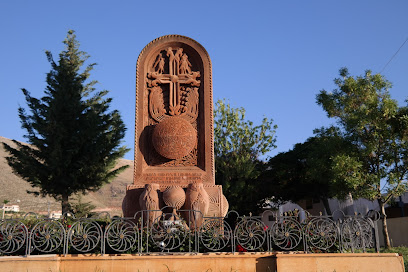
Armenian Apostolic St. Paul Church
0.9 km
Discover the serene beauty and rich heritage of the Armenian Apostolic St. Paul Church in Aanjar, a testament to Armenian culture and faith.
Nabaa Anjar Restaurant
1.0 km
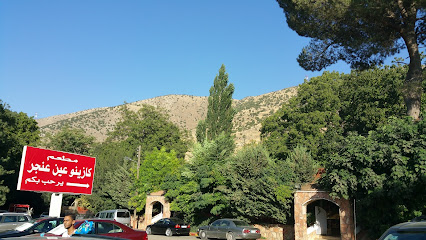
Experience authentic Lebanese cuisine at Nabaa Anjar Restaurant in Bekaa Valley, a culinary gem surrounded by stunning landscapes and rich traditions.
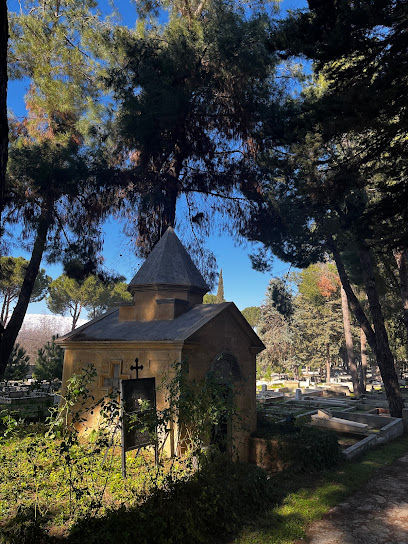
Armenian Cemetery of Anjar
1.7 km
Explore the Armenian Cemetery of Anjar, a poignant tribute to heritage, featuring stunning khachkars and a tranquil atmosphere for reflection.
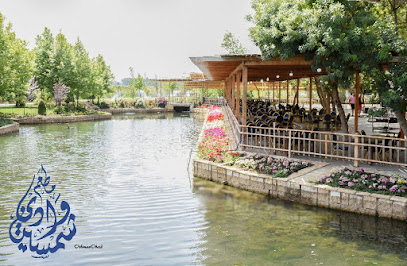
Restaurant Wadi Chamsine
2.7 km
Experience authentic Lebanese cuisine and outdoor adventures at Wadi Chamsine, a perfect family getaway in the heart of Bekaa Valley.
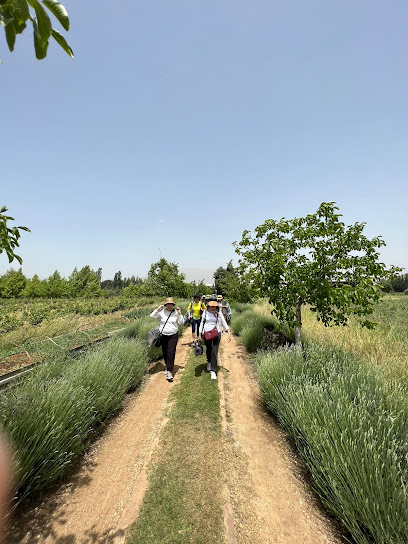
Massaya Lebanese Winery Tanaïl Bekaa Lebanon
7.8 km
Experience Lebanese winemaking tradition at Massaya Winery in the Bekaa Valley, offering tours, tastings, and stunning vineyard views.
Ecolodge de Taanayel
9.0 km
Experience authentic Lebanese culture and eco-friendly hospitality at Ecolodge de Taanayel in the serene Bekaa Valley.
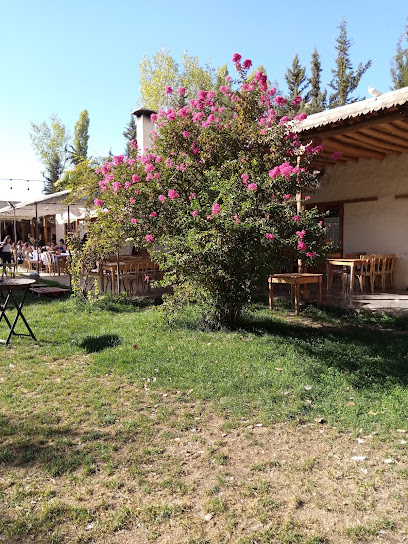
Al Khan Al Makssoud Restaurant - الخان المقصود
9.1 km
Experience authentic Lebanese cuisine in a traditional setting at Al Khan Al Makssoud in Taanayel, a culinary escape rooted in Middle Eastern hospitality.
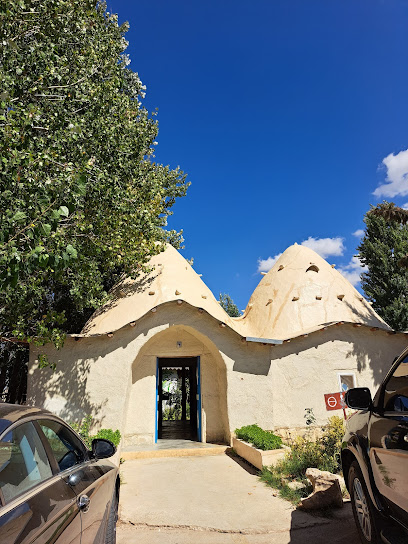
Deir Taanayel - ND de la Consolation
9.4 km
Discover the serene beauty and spiritual charm of Deir Taanayel, a hidden gem retreat center and church in the heart of Lebanon's lush landscapes.
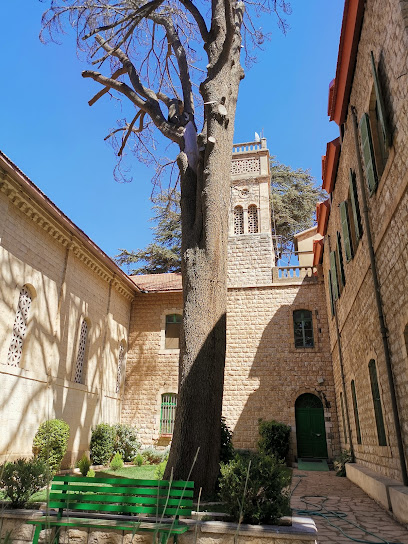
La TOUR
11.1 km
A delightful culinary experience in Ksara, offering a diverse menu of Lebanese and international dishes, baked goods, and pastries with scenic views.
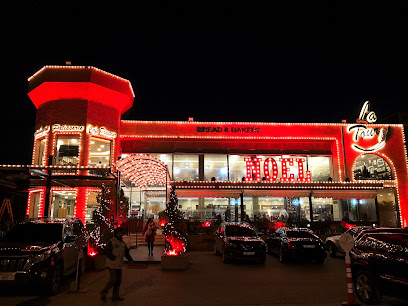
Restaurant best home
11.1 km
Experience the authentic taste of Lebanon at Restaurant Best Home, where exquisite flavors and warm hospitality await you.
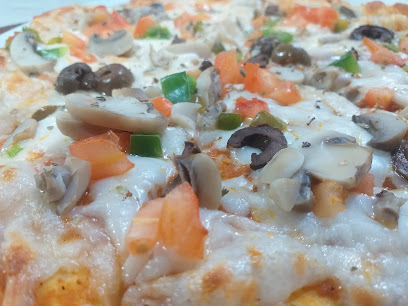
BlueCLOUD spa
11.2 km
Experience ultimate relaxation and rejuvenation at BlueCLOUD Spa in Zahlé, where luxury meets tranquility in a serene setting.
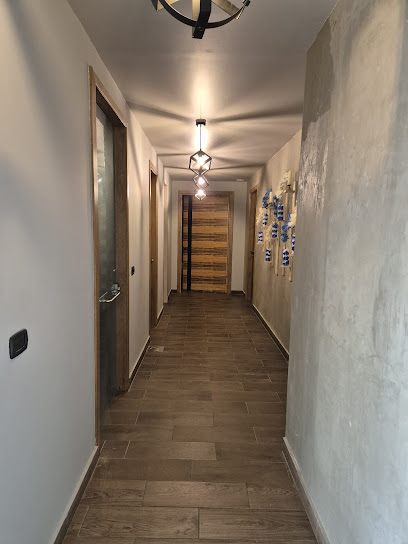
Domaine Wardy Winery
11.3 km
Explore the rich flavors of Lebanese wine at Domaine Wardy Winery, where tradition meets exceptional craftsmanship in a breathtaking setting.
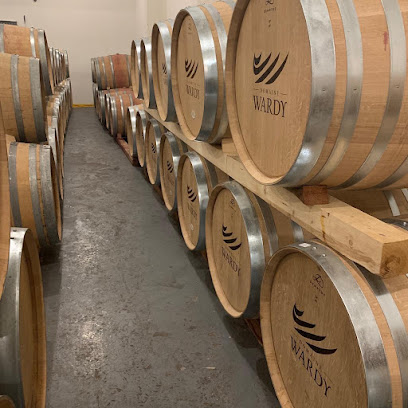
Kallas - Sea Food
11.3 km
Experience the finest seafood delicacies at Kallas in Haouch El Oumaraa, where every dish is a celebration of Lebanon's rich maritime heritage.
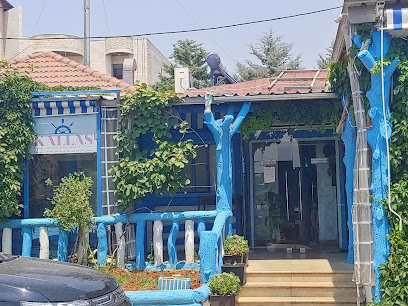
Brainfactory
11.5 km
Discover the essence of Lebanese coffee culture at Brainfactory, a cozy coffee shop in Haouch El Oumaraa where flavor meets community.
Unmissable attractions to see

Anjar Citadel
0.0 km
Explore Anjar Citadel, a stunning historical landmark in Lebanon that reveals the beauty of ancient Umayyad architecture amidst breathtaking landscapes.
Aanjar
0.4 km
Experience the ancient splendor of Aanjar, a UNESCO World Heritage site showcasing the rich history and stunning architecture of Roman civilization in Lebanon.
Anjar Eco Park
0.6 km
Explore the breathtaking landscapes and diverse wildlife at Anjar Eco Park, Lebanon's premier national park for nature lovers and outdoor enthusiasts.
Boghos Ghougasian Park
0.7 km
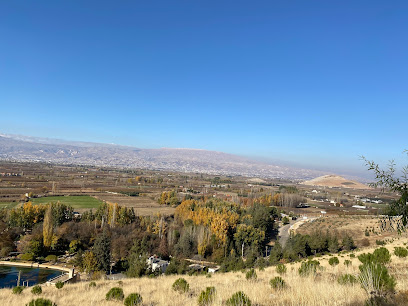
Discover the tranquility of Boghos Ghougasian Park in Aanjar, a perfect escape for nature lovers and families seeking a peaceful retreat.
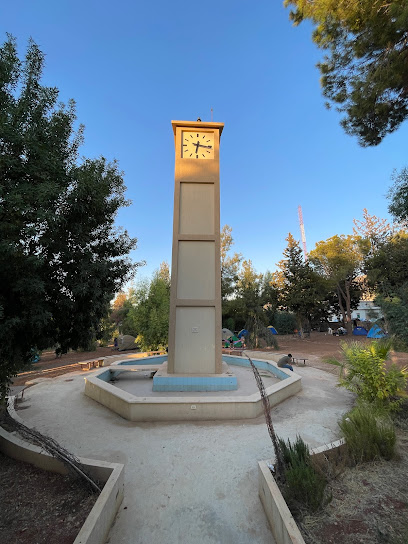
Դալար Անկիւն-Talar (Green) Corner
0.7 km
Discover the tranquil beauty of Talar (Green) Corner in Aanjar, a perfect city park for relaxation and family fun amidst nature's embrace.
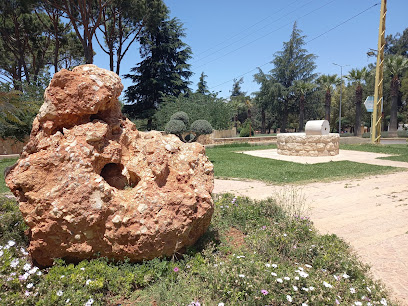
Mousa ler Ainjar Ethnographical Museum
0.7 km
Explore the enchanting history and cultural heritage of Lebanon at Mousa ler Ainjar Ethnographical Museum, a must-visit for history enthusiasts and cultural explorers.
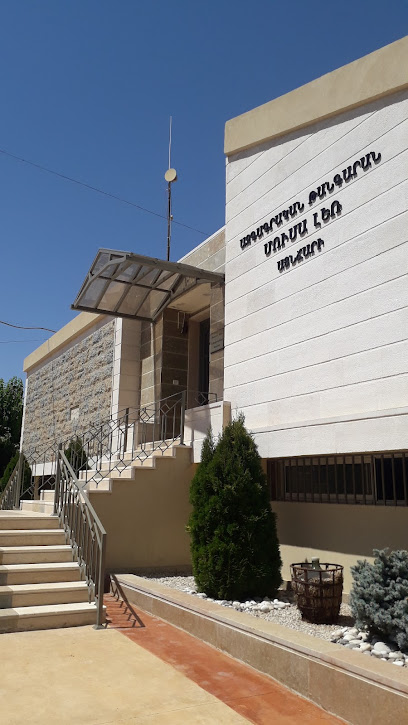
Anjar Preserve
2.5 km
Explore Anjar Preserve, a serene botanical garden in Chamsine, Lebanon, where nature thrives and tranquility awaits every visitor.
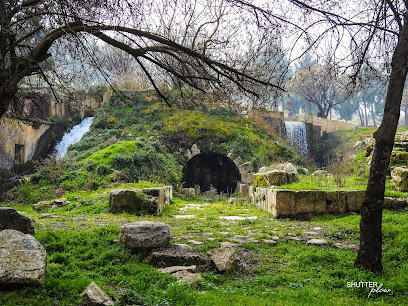
hima kafarzabad
3.2 km
Explore Hima Kfar Zabad, a stunning natural attraction in Lebanon, where vibrant landscapes and rich cultural heritage await every traveler.
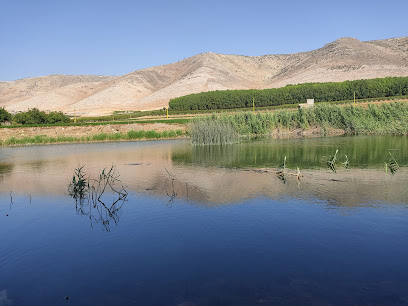
Besten Parc bar Elias
4.7 km
Experience the beauty and culture of Lebanon at Besten Parc Bar Elias, a serene park offering delicious cuisine and vibrant community events in Deir Zenoun.

I love Al Marj
5.9 km
Explore the stunning landscapes and rich history of Al Marj, a top tourist attraction in Lebanon, perfect for outdoor adventures and cultural experiences.
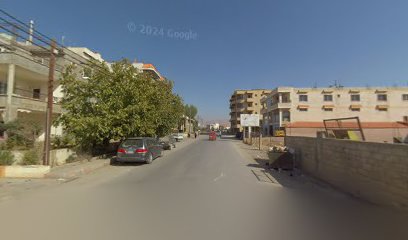
منزل الشيخ محمود جانبين
6.5 km
Explore the enchanting Sheikh Mahmoud Janbine House in Lebanon, a historical gem that showcases the rich cultural heritage of the region.
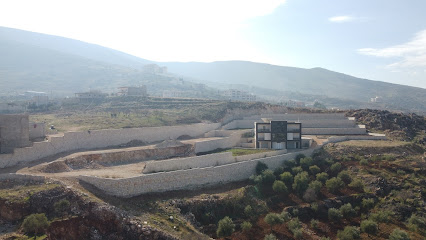
Dakoueh Roman Temple
7.0 km
Explore the Dakoueh Roman Temple: A journey into Lebanon's captivating Roman past, featuring well-preserved architecture and ancient history.
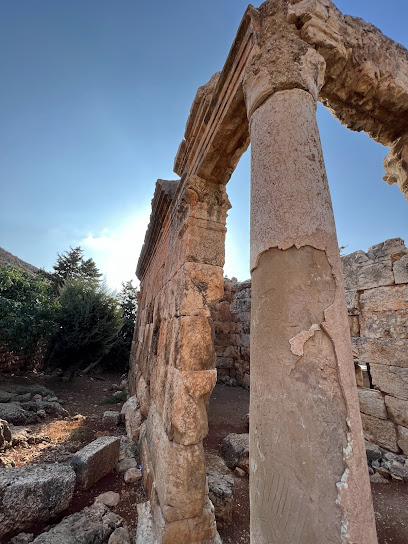
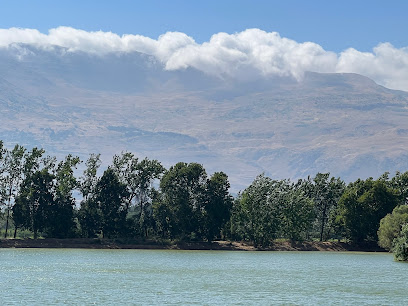
Deir Taanyal Lake
9.0 km
Experience the tranquility of Deir Taanyal Lake, a serene park in Lebanon's Taanayel region, perfect for nature lovers and peaceful retreats.
مغارة عين كفرزبد
9.1 km
Explore the hidden gem of Ain Kfar Zabad, a serene tourist attraction in Lebanon, perfect for nature lovers and cultural enthusiasts alike.
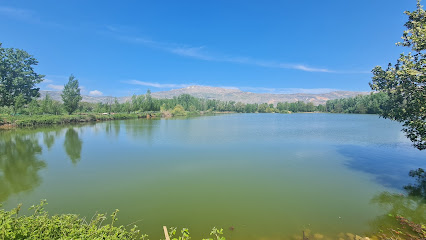
Taanayel Park
9.2 km
Discover tranquility at Taanayel Park, a picturesque natural haven in Lebanon featuring a serene lake, lush landscapes, and a charming small farm.
Essential places to dine

Brothers Pub & Rest.
0.4 km
Discover delicious Lebanese cuisine at Brothers Pub & Rest., where every dish tells a story in the heart of Aanjar.
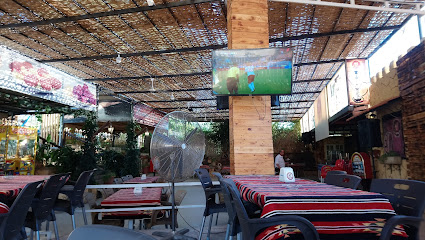
Al Shams Restaurant
0.6 km
Experience authentic Lebanese flavors at Al Shams Restaurant in Anjar – where every meal tells a story.
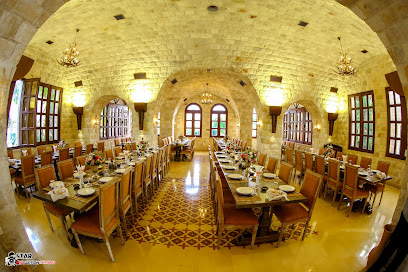
Chames rest
0.7 km
Experience authentic Lebanese cuisine at Chames Rest in Aanjar – a culinary haven for food lovers seeking rich flavors and warm hospitality.
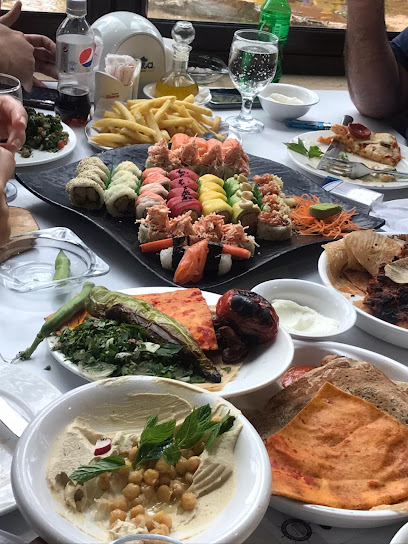
Hotel and Restaurant Shallalat Anjar -مطعم شلالات عنجر
0.8 km
Experience authentic Lebanese and Greek cuisine at Hotel and Restaurant Shallalat Anjar - where hospitality meets breathtaking views.
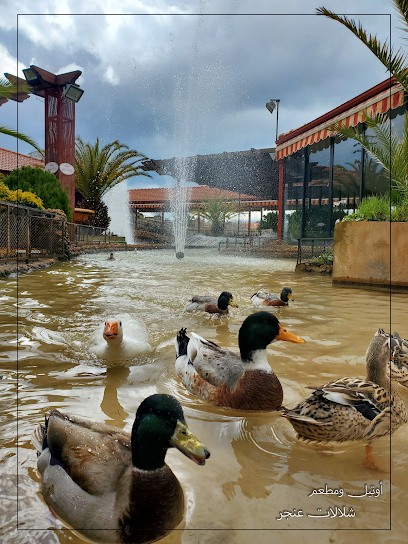
Razmig Resort and Restaurant
1.3 km
Experience exquisite dining at Razmig Resort and Restaurant in Aanjar, where culinary delights meet stunning natural beauty.
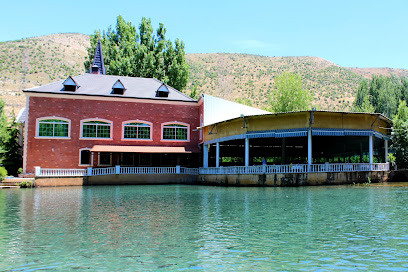
مطعم جزيرة عنجر
1.3 km
Experience the authentic taste of Lebanon at مطعم جزيرة عنجر in Aanjar – where every dish tells a story.
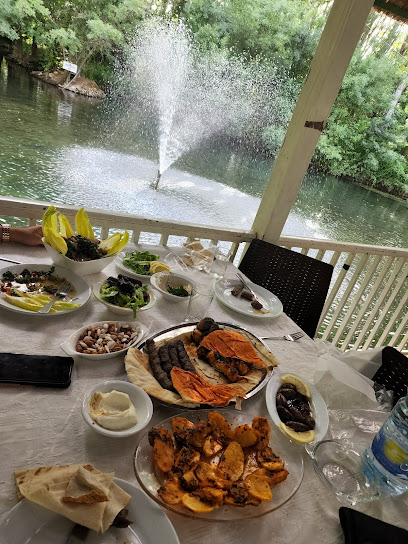
مطعم ديوان الوالي
1.3 km
Experience authentic Lebanese cuisine at مطعم ديوان الوالي - where every dish tells a story and every bite is a celebration.
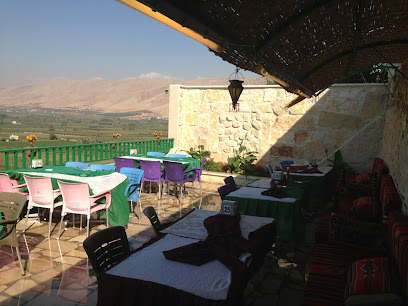
EAST RESORT (منتجع الشرق)
1.4 km
Experience unparalleled relaxation and luxury at East Resort in Aanjar - your ultimate destination for a tranquil getaway.
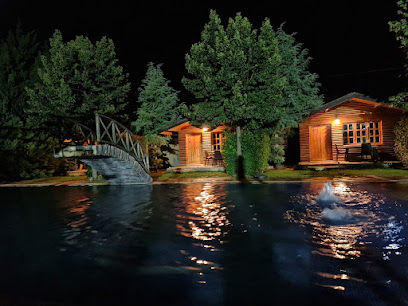
Pasta AL Ladaa
1.4 km
Experience authentic Italian cuisine at Pasta AL Ladaa in Aanjar, where every dish is made with passion and tradition.
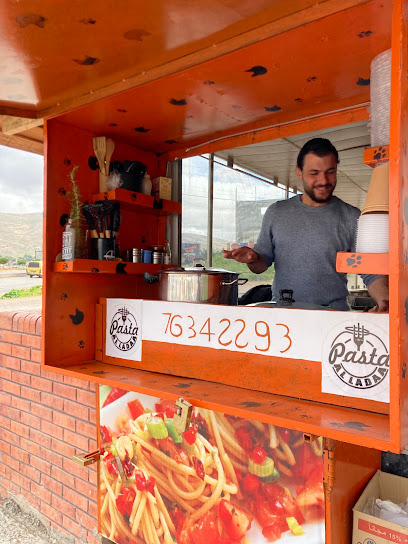
معجنات أبو سليمان
1.5 km
Discover authentic Lebanese pastries at Maajanat Abu Suleiman in Aanjar – where every bite celebrates rich culinary traditions.
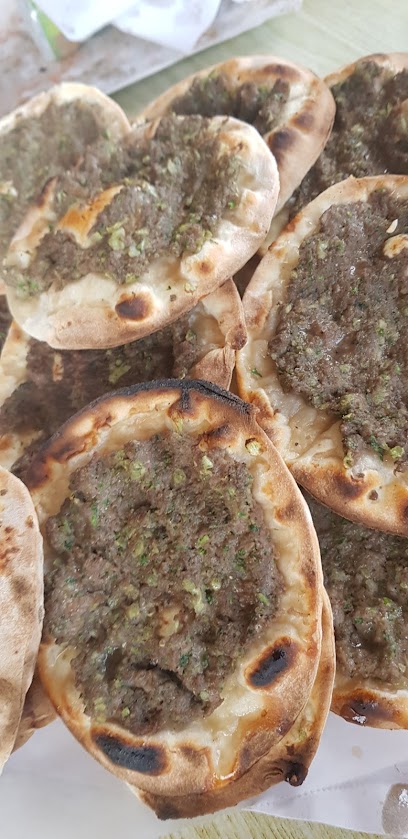
Hamada Restaurant
1.5 km
Experience the rich flavors of Lebanon at Hamada Restaurant in Majdal Aanjar – your gateway to authentic Lebanese dining.
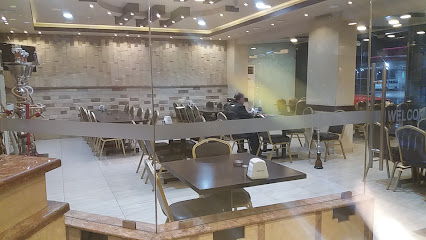
Ismael restaurant
1.6 km
Discover authentic Lebanese flavors at Ismael Restaurant, where tradition meets modern culinary artistry in an inviting atmosphere.
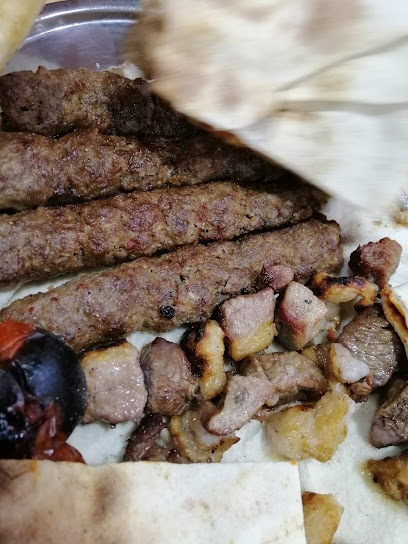
Al Shams Chicken and Sandwiches Anjar
2.1 km
Experience authentic Lebanese cuisine at Al Shams Chicken and Sandwiches Anjar - where flavor meets tradition on Damascus Highway.
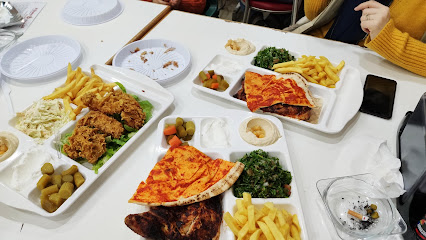
ثمار البحر
2.2 km
Savor exquisite seafood dishes at ثمار البحر in Lebanon – where culinary tradition meets modern flavor.
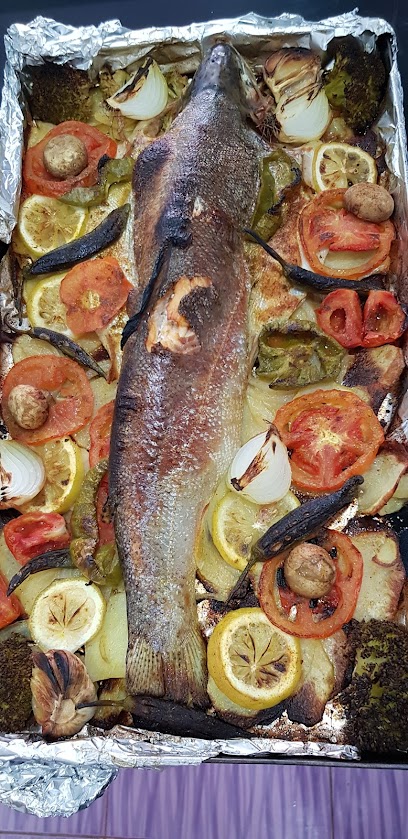
Crispy corner
2.2 km
Experience authentic Lebanese cuisine at Crispy Corner – where tradition meets flavor in every bite.
Markets, malls and hidden boutiques

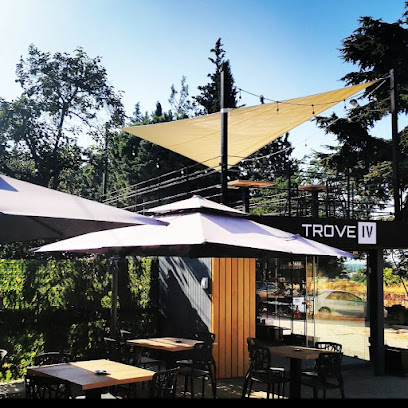
Trove IV
0.2 km
Discover the rich flavors and cozy atmosphere at Trove IV, a beloved coffee shop in Aanjar, perfect for coffee lovers and travelers alike.
Memento
0.3 km
Explore Memento in Aanjar, where creativity flourishes with a wide range of scrapbooking supplies and workshops for all skill levels.
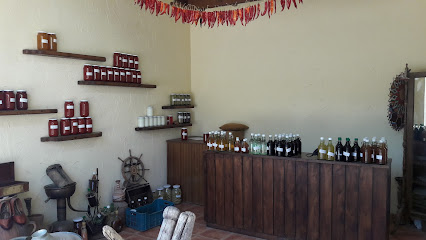
Captain's Mooneh
0.3 km
Explore the essence of Lebanese cuisine with organic delights at Captain's Mooneh, a must-visit food store in Beirut.
Pharmacie vako
0.3 km
Explore Aanjar with confidence! Pharmacie Vako offers essential health supplies and expert advice for tourists navigating Lebanon's rich culture.
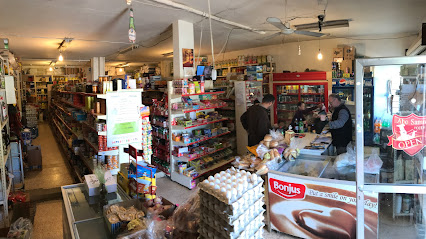
Supermarket Bedros Makhoulian
0.3 km
Experience the heart of Anjar at Supermarket Bedros Makhoulian, where local flavors and everyday essentials meet.
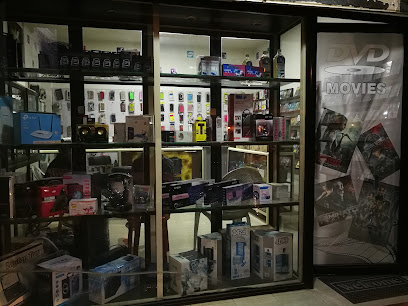
CompuNshan-Security Solutions
0.4 km
Explore the ultimate tech destination in Aanjar, where quality computer accessories and expert services meet in a friendly atmosphere.
SURYA fashion anjar
0.4 km
Explore the vibrant fashion scene at SURYA Fashion Anjar, where local style meets unique design in a delightful shopping experience.
Kadrian.com
0.4 km
Discover the latest in technology at Kadrian.com, Aanjar's premier computer store for all your tech needs.
Anjar
0.4 km
Discover the historical wonders of Anjar, a UNESCO World Heritage Site in Lebanon, where ancient ruins tell the stories of a remarkable past.
Zozo electronics
0.4 km
Explore the latest gadgets and electronics at Zozo Electronics in Aanjar, your one-stop shop for tech needs while traveling.
محل سامي سليم للأحذية
0.4 km
Explore exquisite craftsmanship at Sami Slim Shoe Store in Aanjar, offering a unique selection of footwear and accessories for every taste.
سوبر ماركت الزين
0.5 km
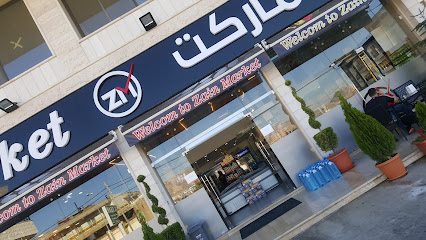
Experience the best of local shopping at سوبر ماركت الزين in الشام, Lebanon, with a wide selection of groceries and essentials.
Tamig Store
0.5 km
Discover a treasure trove of kitchen supplies and home improvement essentials at Tamig Store in Aanjar, Lebanon, perfect for culinary enthusiasts.
Silver lining@cozy cups
0.5 km
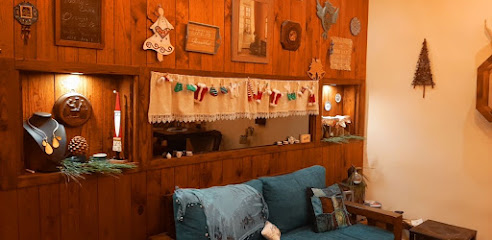
Discover the cozy ambiance and artisanal coffee at Silver Lining, a charming coffee shop in Aanjar that promises a delightful experience for every visitor.
Supermarket Harout berberian
0.5 km
Discover the essence of Lebanese cuisine at Supermarket Harout Berberian in Aanjar, where local flavors and essentials meet.
Essential bars & hidden hideouts

محمصة الملك
10.9 km
Experience the authentic flavors of Lebanese coffee at Mhamsta Al-Malik, a vibrant bar on the Chtoura-Zahlé Highway.
New Beaver
11.3 km
Discover the lively nightlife of New Beaver, a karaoke bar where music and friendship come together for an unforgettable experience in Lebanon.
Mawal bar
11.4 km
Discover the lively ambiance of Mawal Bar in Zahlé, where local culture meets modern nightlife in a vibrant setting.
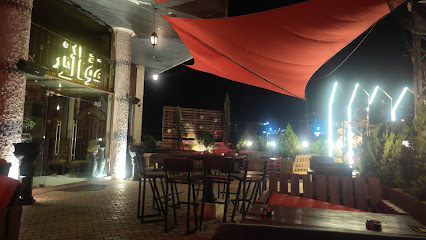
Sera Rooftop
11.4 km
Experience breathtaking views and exquisite drinks at Sera Rooftop in Zahlé, Lebanon's ultimate destination for relaxation and nightlife.
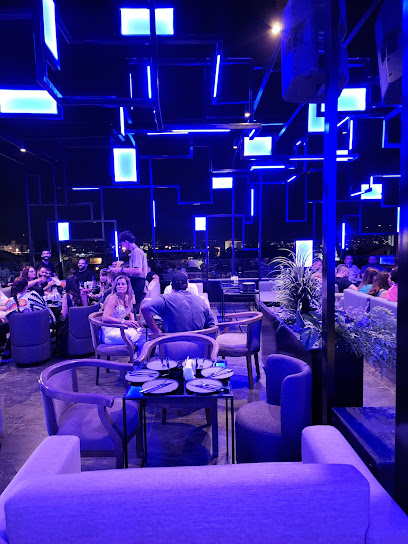
Casa Del Paz
11.4 km
Discover the tranquil ambiance of Casa Del Paz in Zahlé, where relaxation meets a rich selection of cigars and delightful beverages.
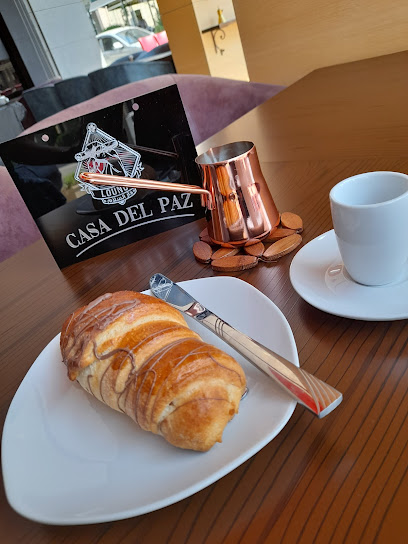
Savoia Resto Pub & Lounge Zahle
11.8 km
Discover the vibrant flavors and nightlife of Zahle at Savoia Resto Pub & Lounge, where culinary delights meet exciting entertainment.
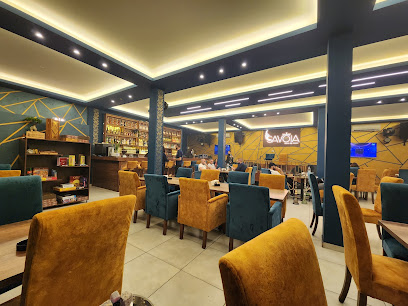
Respawn Gaming Lounge
12.0 km
Discover the ultimate gaming experience at Respawn Gaming Lounge in Zahlé, where fun and community come together in a vibrant atmosphere.

Piece
12.0 km
Experience the vibrant nightlife at Piece Bar in Lebanon, where cocktails flow and the atmosphere buzzes with excitement.
Brut Bar
12.1 km
Discover the charm of Brut Bar in Zahlé, where exquisite wines and craft beers meet Lebanese hospitality in a vibrant atmosphere.
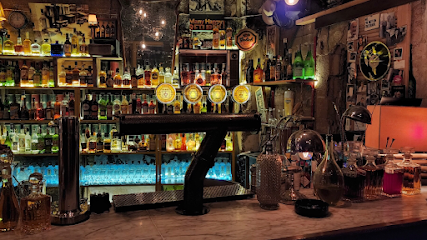
Club Social
12.1 km
Explore the elegance of Lebanon's wine culture at Club Social, a premier wine store, bar, and club in Zahlé, where every sip tells a story.
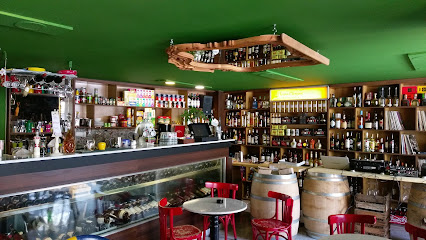
October 17 PUB
12.3 km
Dive into the lively atmosphere of October 17 PUB in Zahlé, where great drinks, live music, and local culture come together for an unforgettable night out.
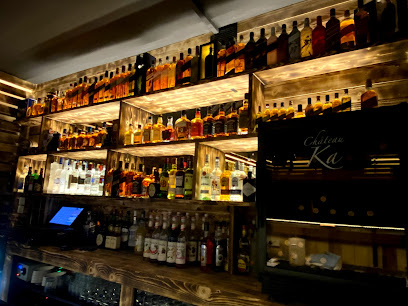
Drink And Sing Chtaura
12.6 km
Experience unforgettable nights of music and fun at Drink And Sing Chtaura, your go-to karaoke bar in Lebanon's vibrant nightlife scene.
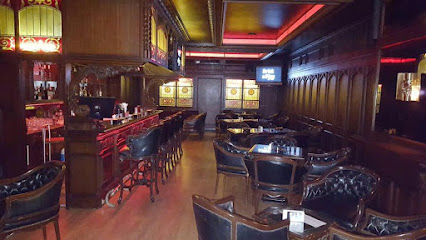
Drink and Sing Zahle
12.6 km
Experience the vibrant nightlife of Zahle at Drink and Sing, where karaoke meets fun in a lively atmosphere with great drinks and great company.

Nahle seid
13.0 km
Discover the lively atmosphere and local flavors at Nahle Seid, a premier bar in Zahlé's vibrant nightlife scene.
O'clock Coffee Shop & Pub
13.0 km
Discover the cozy charm of O'clock Coffee Shop & Pub in Zahlé, where delightful drinks and a warm atmosphere await you.

Nightclubs & after hour spots

Phantom Zahleh
11.3 km
Experience the vibrant nightlife of Zahleh at Phantom Zahleh, where the music never stops and the dance floor awaits.
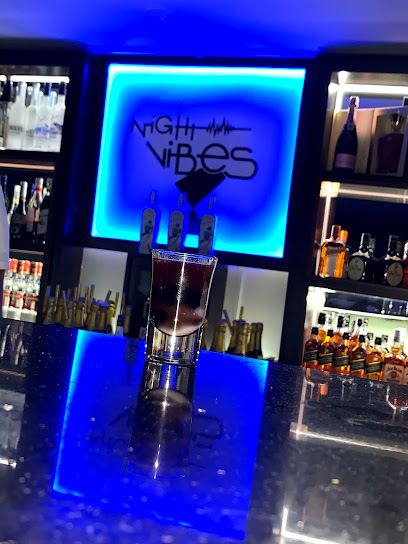
Masa Night club
11.4 km
Discover the electric atmosphere of Masa Night Club, your ultimate nightlife destination in Haouch El Oumaraa with unforgettable music and dance experiences.
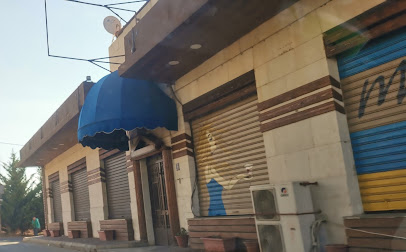
54 Revolution
13.2 km
Dive into the vibrant nightlife of Zahlé at 54 Revolution, where music, dance, and unforgettable memories await every visitor.
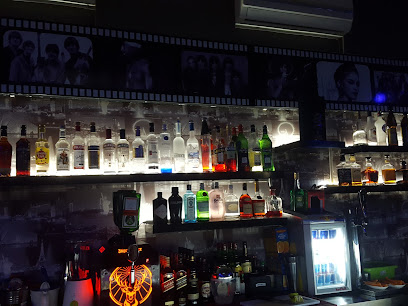
Leil Bar
13.3 km
Experience electrifying nightlife at Leil Bar, the ultimate night club in Zahlé, known for its vibrant atmosphere and unforgettable music.
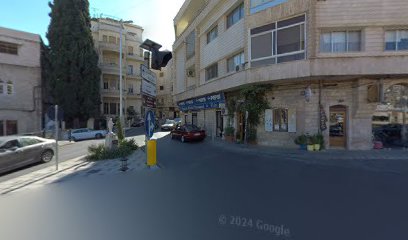
Castle Black
13.4 km
Discover the vibrant nightlife of Zahlé at Castle Black, a premier pub offering a lively atmosphere and a taste of local culture.
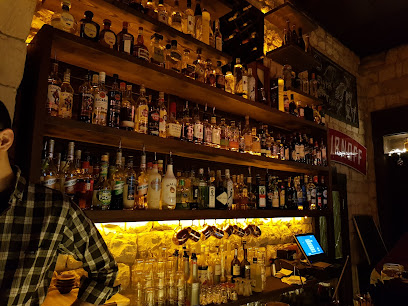
Chapter II
14.1 km
Experience the vibrant nightlife of Wadi El Aarayech at Chapter II, a bar known for its creative cocktails and lively atmosphere.
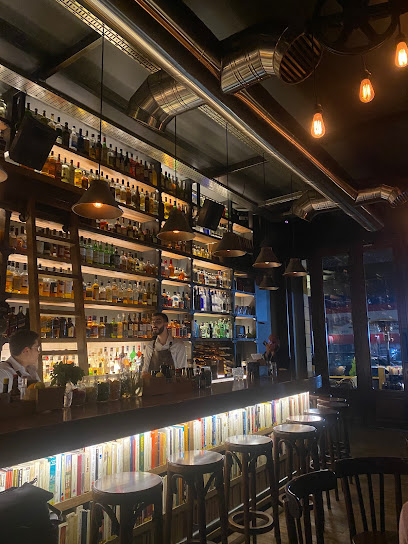
Lounge Lime Zahle
14.2 km
Experience the pulse of Zahle's nightlife at Lounge Lime Zahle, where music, drinks, and vibrant energy come together for an unforgettable evening.
Pravda Valley Zahle
14.5 km
Discover the vibrant nightlife at Pravda Valley Zahle, a top cocktail bar in Lebanon offering live music and a unique atmosphere for all.
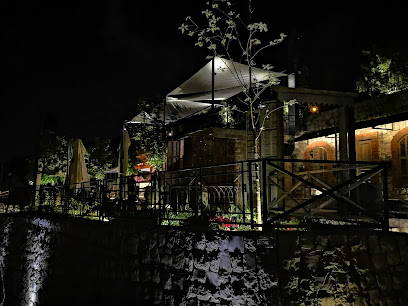
..
15.1 km
Discover the energetic nightlife at this top-rated night club in Lebanon, where music, dance, and unforgettable memories come alive.
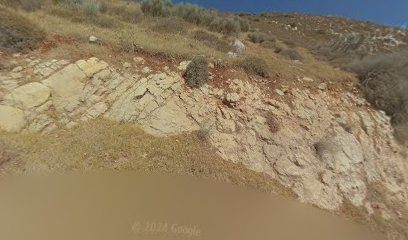
baalbeck
17.6 km
Experience the vibrant nightlife of Baalbeck, where ancient history meets modern dance culture in Lebanon's premier dance club.
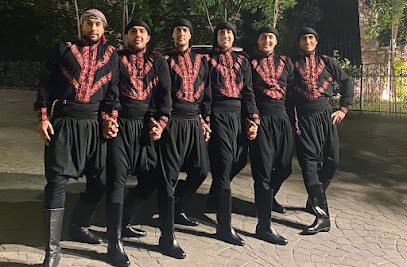
Royal venue
18.6 km
Discover the electrifying atmosphere and vibrant nightlife at the Royal Venue, the premier night club in Tal Znoub El Jdideh.
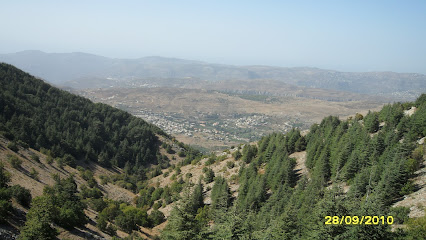
Shouf Cedars
18.8 km
Discover the stunning Shouf Cedars Nature Preserve, a UNESCO World Heritage site, rich in biodiversity and breathtaking landscapes perfect for all nature lovers.
Yammine's home
20.0 km
Unleash your night at Yammine's Home, Ain Dara's vibrant nightlife haven filled with music, dance, and unforgettable experiences.
Shouf Highland
20.6 km
Escape to Shouf Highland: A serene bar and bed & breakfast nestled in the breathtaking Shouf Cedar Reserve, perfect for nature lovers.
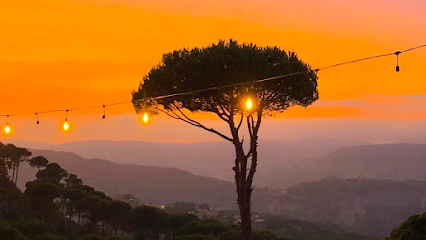
Shouf biosphere reserve/ Entrance to the Barouk Cedar forest
21.6 km
Discover the breathtaking beauty of Shouf Biosphere Reserve, Lebanon's premier national forest, rich in biodiversity and cultural heritage.