Jeita Grotto: A Lebanese Subterranean Wonder
Discover Lebanon's natural wonder: Explore the breathtaking Jeita Grotto, a stunning cave system with magnificent stalactites, stalagmites, and an underground river.
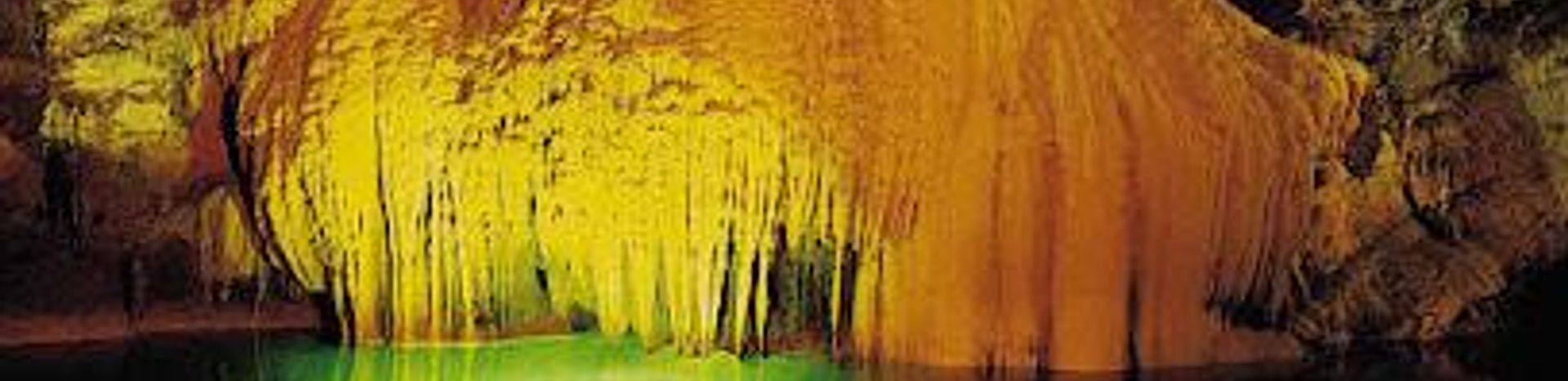
Jeita Grotto, located in the Nahr al-Kalb valley, is a stunning network of limestone caves north of Beirut. This natural marvel features both an upper grotto with impressive stalactites and stalagmites, and a lower grotto with an underground river accessible by boat.
A brief summary to Jeita Grotto
- Valley of the Dog River, Keserwan, Beirut, LB
- +9619220841
- Visit website
- Tuesday 9 am-5 pm
- Wednesday 9 am-5 pm
- Thursday 9 am-5 pm
- Friday 9 am-5 pm
- Saturday 9 am-5 pm
- Sunday 9 am-5 pm
Local tips
- Wear comfortable shoes suitable for walking on uneven surfaces within the caves.
- Bring a light jacket or sweater, as the temperature inside the grotto is cooler than outside.
- Check the official website for updated opening hours and potential seasonal closures of the Lower Grotto.
- Combine your visit with nearby attractions like the Lady of Lebanon statue in Harissa or the historic city of Byblos for a comprehensive day trip.
- Purchase tickets online in advance to save time, especially during peak season.

Getting There
-
Taxi
From Beirut, the most straightforward way to reach Jeita Grotto is by taxi. A taxi ride from Beirut to Jeita Grotto typically takes around 18 minutes and costs approximately $35-45. Taxis can be found throughout Beirut, or you can arrange for a ride through services like Chouf Taxi.
-
Driving
If driving from Beirut, follow the signs towards Jeita; the route is well-marked. The drive is approximately 21 kilometers and takes about 18 minutes. Parking is available at Jeita Grotto. Expect to pay a small fee for parking.
Discover more about Jeita Grotto
Iconic landmarks you can’t miss

Armenian Genocide Monument
3.7 km
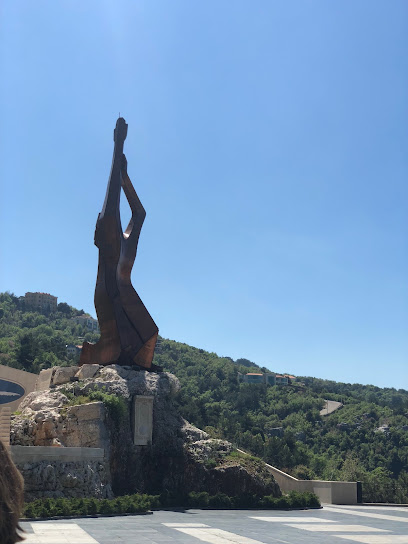
Explore the Armenian Genocide Monument in Ain Aalaq, a powerful tribute to resilience and a significant historical landmark for cultural reflection.
Residence “Chris Maalouf”
3.7 km
Discover the ancient wonders of Residence Chris Maalouf in Adonis Kesrouane, a museum showcasing pre-historic artifacts and rich historical narratives.
Bay Lodge Boutique Hotel
3.8 km
Discover exquisite luxury and stunning coastal views at Bay Lodge Boutique Hotel in Jounieh, Lebanon, your perfect getaway destination.
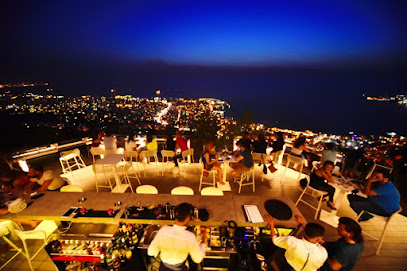
St. Paul Greek Melkite Basilica
4.1 km
Experience the spiritual beauty of St. Paul Greek Melkite Basilica in Harissa, a masterpiece of architecture with stunning views and rich history.
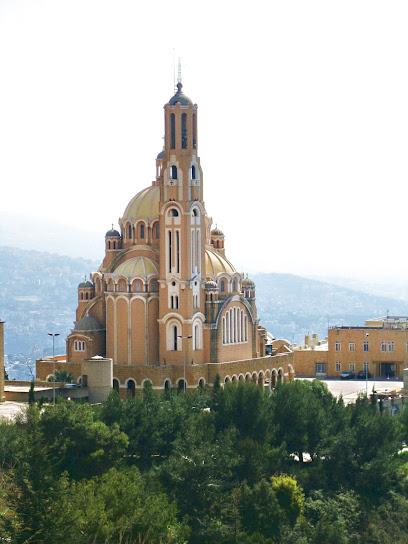
Amar Harissa - قمر
4.1 km
Discover the authentic taste of Lebanese cuisine at Amar Harissa, where every meal is a celebration of flavor and tradition along the breathtaking Harissa Highway.
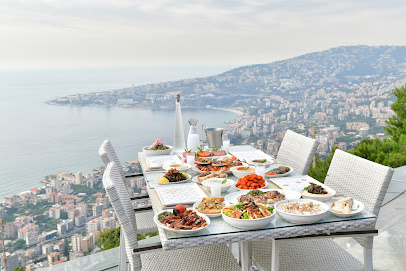
Stelae of Lykos River (Nahr el-Kalb)
4.2 km
Explore the Stelae of Lykos River in Nahr El Kalb, a captivating historical landmark that unveils the ancient stories of Lebanon's rich civilizations.
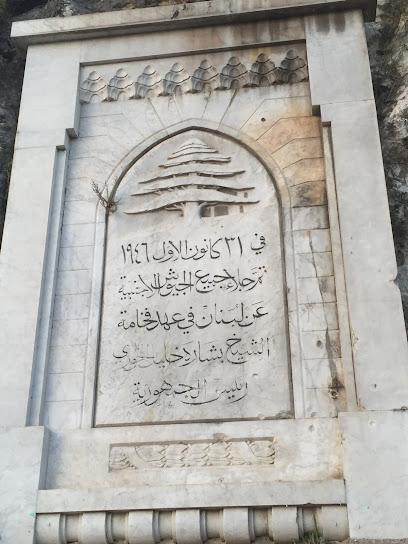
Boogie Strike Bowling Jounieh
4.3 km
Experience the excitement of bowling at Boogie Strike Bowling in Jounieh, where fun meets competition in a vibrant setting!
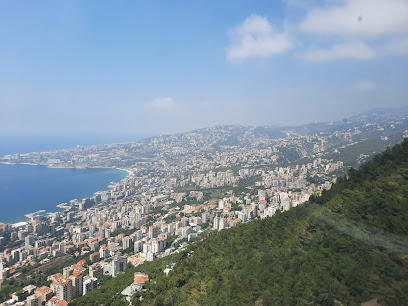
Téléferique Harissa
4.4 km
Discover the stunning views and cultural heritage of Lebanon at Téléférique Harissa, where adventure meets breathtaking scenery.
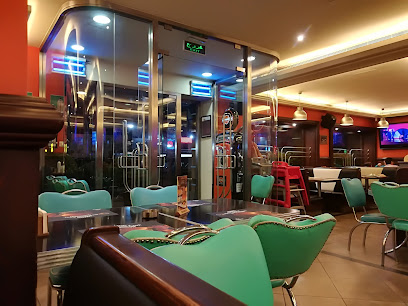
Roadster Diner
4.4 km
Discover the vibrant culinary experience at Roadster Diner in Jounieh, where local flavors meet international favorites.
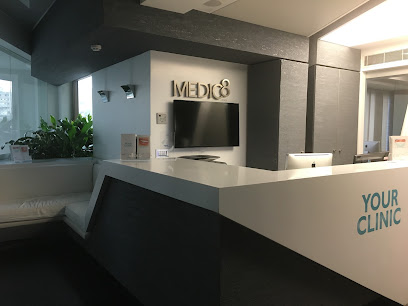
Medic8
4.4 km
Explore Kaslik's Medic8, your trusted medical center offering exceptional healthcare services for tourists and locals in Lebanon.
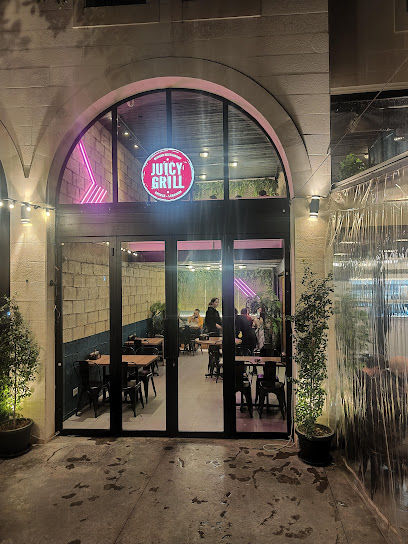
Juicy Grill
4.4 km
Indulge in mouthwatering burgers at Juicy Grill, Jounieh’s premier fast-food destination, where flavors and quality come together for an unforgettable dining experience.
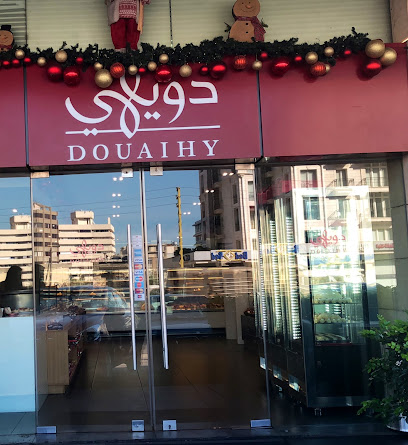
Douaihy Sweets - Jounieh
4.5 km
Experience the exquisite flavors of Lebanon at Douaihy Sweets, Jounieh's premier destination for traditional pastries and confections.
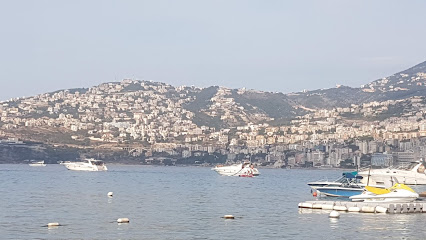
Lagon Club - Beach
4.5 km
Discover the vibrant atmosphere and beautiful sands of Lagon Club - Beach, where relaxation meets adventure on the Lebanese coast.
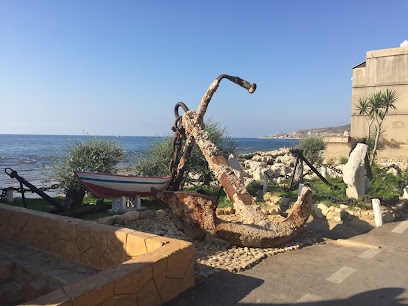
Chez Zakhia
4.5 km
Discover authentic Lebanese flavors and seafood delights at Chez Zakhia in the historic Old Souk of Jounieh.
Norman Pizza
4.5 km
Discover the flavors of Jounieh at Norman Pizza, where every slice is crafted with fresh ingredients and served with a side of stunning coastal views.

Unmissable attractions to see

Parc De Jeita
0.2 km
Discover tranquility amidst nature's beauty at Parc De Jeita, a serene Lebanese escape with scenic trails and unique sculptures.
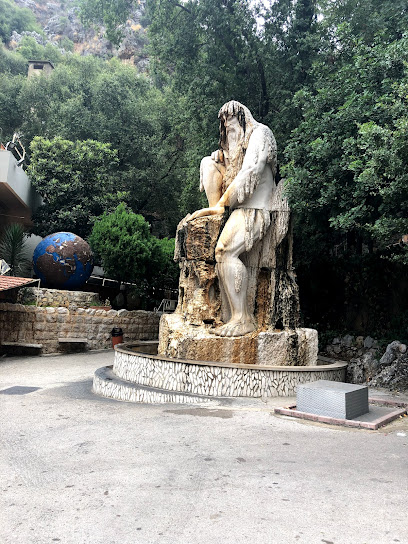
Jeita upper cave
0.5 km
Experience the breathtaking beauty of Jeita Upper Cave, Lebanon’s monumental natural treasure with stunning limestone formations and rich geological history.
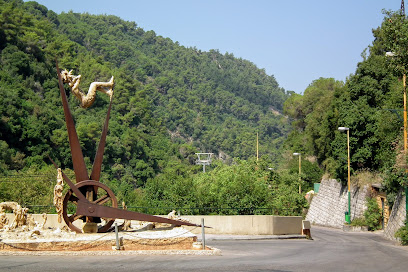
Lebanese Marine and Wildlife Museum
0.9 km
Discover Lebanon's natural wonders at the Lebanese Marine and Wildlife Museum; a unique zoological experience for all ages.
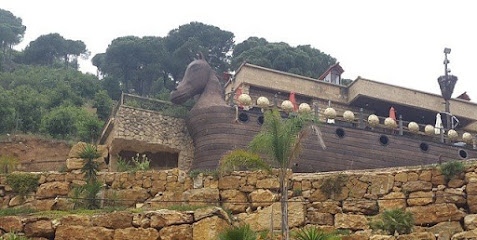
Ameen Rihani Museum
1.6 km
Discover the life and legacy of Ameen Rihani, a pioneer of Arab-American literature, at his family home turned museum in Fraikeh, Lebanon.
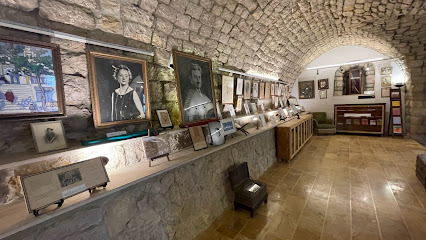
Hall Of Fame
1.7 km
Meet Lebanese and international icons at the Hall of Fame museum in Mazraat El Ras, a celebration of history and culture.
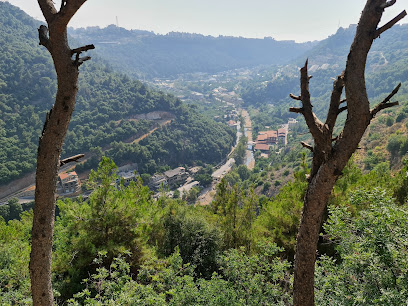
Animal City
1.7 km
Discover Animal City in Zekrit, Lebanon: An immersive animal park offering wildlife encounters, educational experiences, and family-friendly fun.
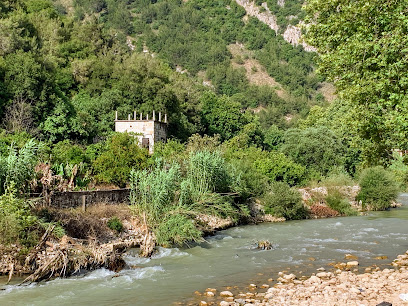
Darb el Qamar (Sentier de la Lune)
2.0 km
Hike through scenic Lebanese landscapes on Darb el Qamar, where history and natural beauty converge for an unforgettable adventure.
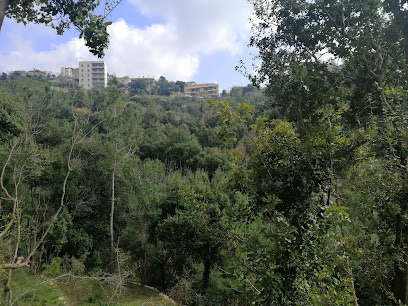
The Park, Ain Aar
2.1 km
Discover The Park in Ain Aar, a beautiful green refuge in Lebanon, perfect for relaxation and family fun amidst nature's beauty.
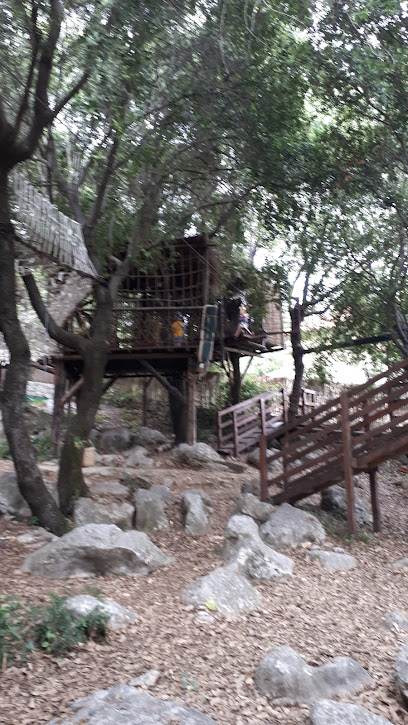
Jardin ecologique
2.9 km
Escape to the serene Jardin Ecologique in Ballouneh, a community garden showcasing Lebanon's natural beauty and promoting ecological awareness.
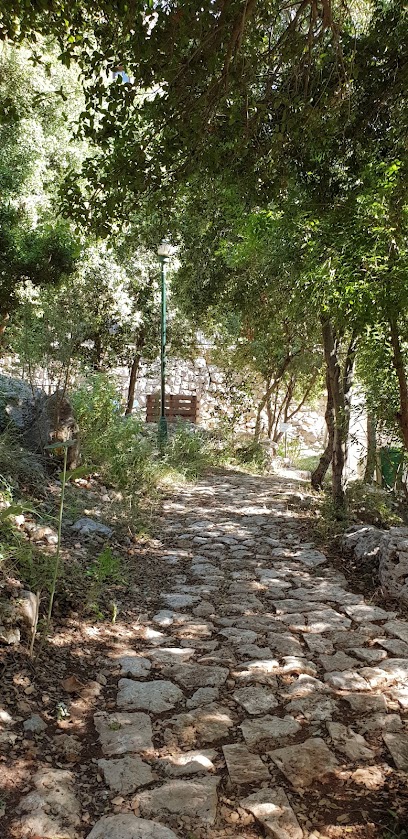
Zouk Mikael Public Garden
2.9 km
Experience the serene beauty of Zouk Mikael Public Garden, a perfect escape for nature lovers and relaxation seekers in Lebanon.
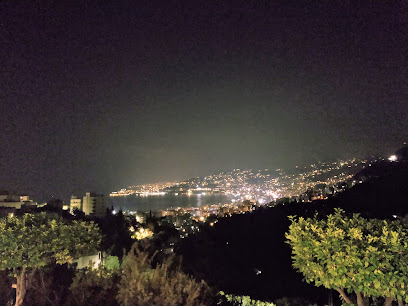
Marbad
3.0 km
Explore the serene landscapes of Marbad Park in Lebanon, a perfect retreat for relaxation, picnics, and connecting with nature.
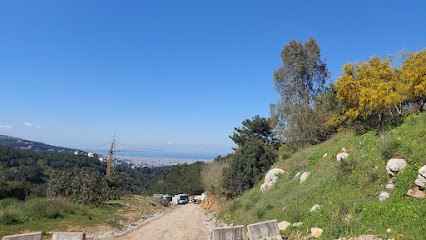
Old Souk Zouk Mikael
3.0 km
Explore the historic Old Souk Zouk Mikael, a charming Lebanese marketplace with artisan crafts, traditional architecture, and cultural experiences.
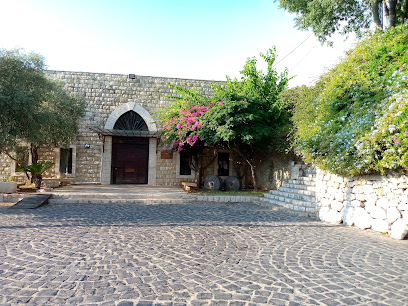
Dream Park
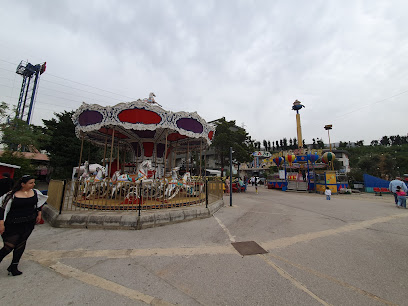
3.2 km
Experience thrills and create lasting memories at Dream Park, Lebanon's ultimate family entertainment destination in Zouk Mosbeh!
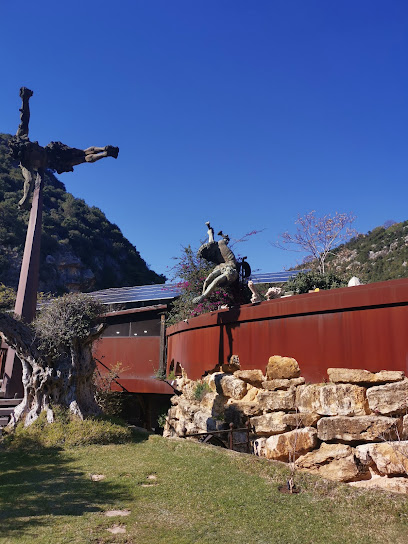
Domaine Rudy Rahme
3.3 km
Discover a unique Lebanese art experience where sculpture, nature, and personal reflection intertwine at the enchanting Domaine Rudy Rahme.
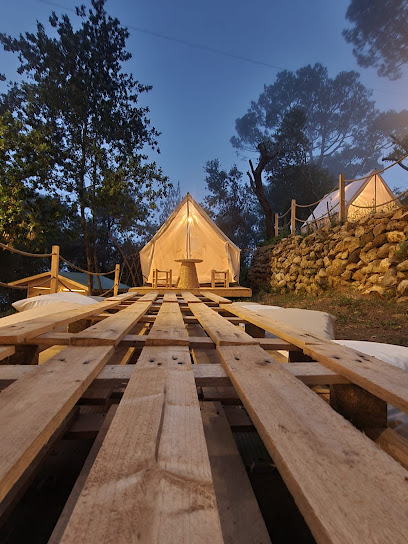
Glamp.lb
3.3 km
Experience the serenity of Glamp.lb in Beit Chabeb, Lebanon – a hidden gem for nature lovers and peaceful retreats.
Essential places to dine

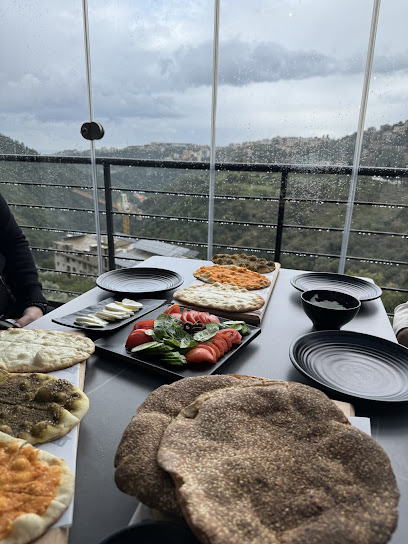
Ontop
1.1 km
Experience breathtaking views and exquisite Lebanese cuisine at Ontop—where every meal becomes a memorable journey.
Al Mazar
1.2 km
Discover authentic Lebanese flavors at Al Mazar in Deir Tamich - a delightful dining experience awaits!
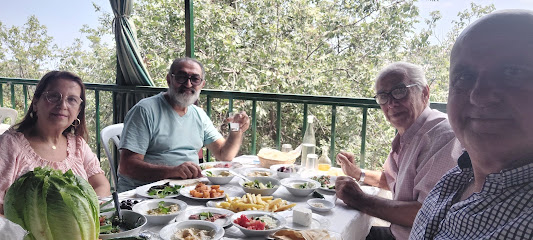
Clay Diner & Playground
2.6 km
Discover endless fun and delicious dining at Clay Diner & Playground in Qornet Chahouane - perfect for family outings!
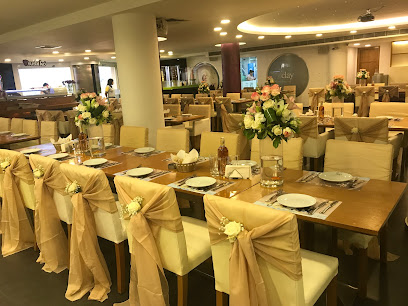
Stone Restaurant & Lounge
3.1 km
Experience authentic Lebanese cuisine at Stone Restaurant & Lounge in Zouk Mkayel – where flavor meets elegance in every bite.
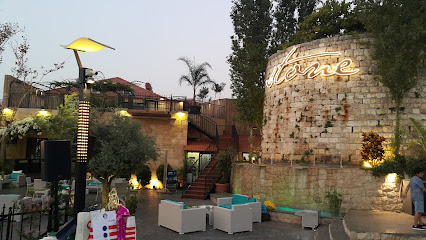
- Restaurant Fouad Khalil - مطعم فؤاد خليل
3.1 km
Discover the essence of Lebanese cuisine at Restaurant Fouad Khalil in Harissa - where every dish tells a story.
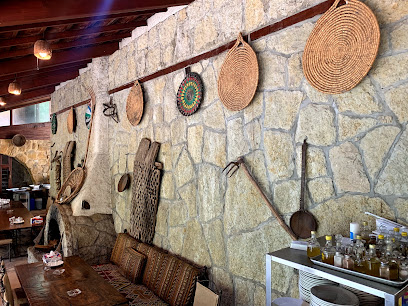
La Chicane - Restaurant
3.5 km
Experience authentic Lebanese cuisine at La Chicane in Ain Aalaq, where delightful dishes meet warm hospitality in a cozy setting.
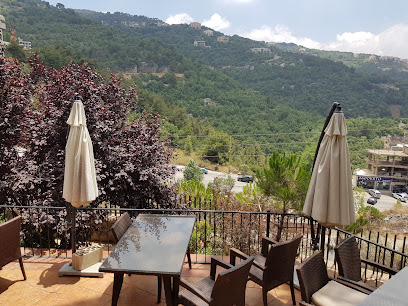
Chez Toni - Restaurant
3.6 km
Discover authentic Lebanese cuisine at Chez Toni in Ghadir - a culinary journey through rich flavors and warm hospitality.
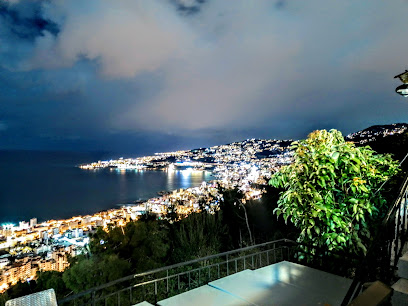
Best View restaurant
3.6 km
Experience exquisite dining with stunning views at Best View Restaurant in Bkerki - where every meal becomes memorable.
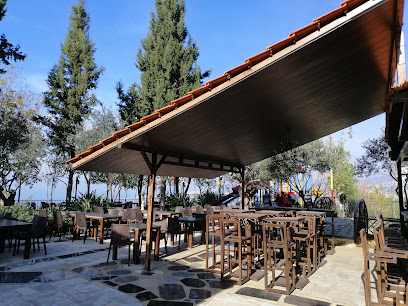
مناظر
3.8 km
Discover the taste of Lebanon at Manazir - a culinary haven offering authentic dishes and breathtaking views.
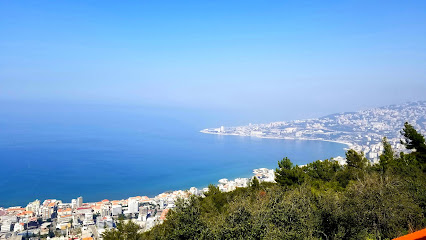
3ind Judy
3.8 km
Discover exquisite Lebanese flavors at 3ind Judy in Harissa - a perfect venue for dining and events with stunning views.
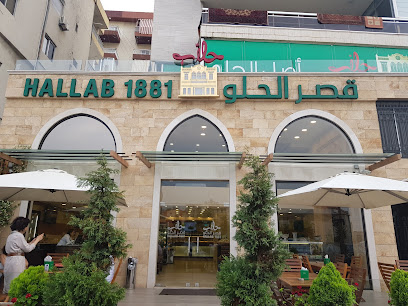
Hallab
4.0 km
Discover Hallab: A cherished Lebanese restaurant known for its delectable sweets and authentic dishes along the beautiful Jounieh coastline.
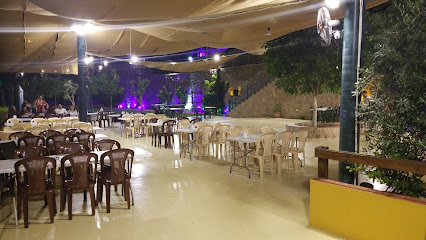
L Auberge Des Bois
4.0 km
Experience authentic Lebanese flavors at L Auberge Des Bois in Bharsaf - where every meal is a celebration of culture and taste.
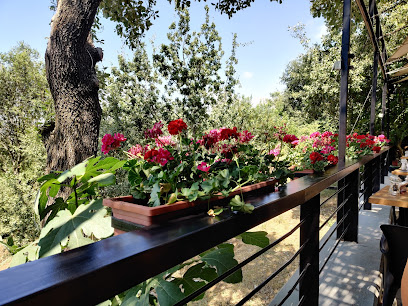
Khaymet El Morjan - Restaurant
4.1 km
Discover Khaymet El Morjan in Harissa: A delightful blend of stunning views and authentic Lebanese flavors awaits you.
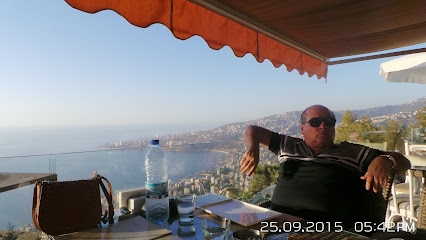
Caesar
4.1 km
Discover Caesar in Sarba – A must-visit restaurant offering delicious local cuisine in an inviting atmosphere.
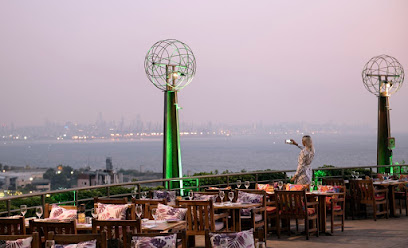
Le Jardin Du Royal Restaurant
4.1 km
Discover exquisite dining at Le Jardin Du Royal Restaurant in Dbayeh – where Lebanese tradition meets global flavors in an elegant setting.
Markets, malls and hidden boutiques

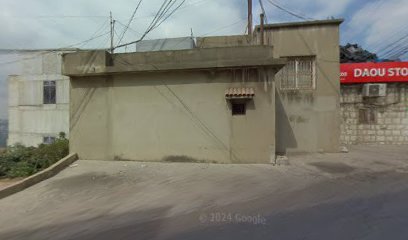
Daou Store - ضو ستور
1.1 km
Experience the true flavors of Lebanon at Daou Store, your go-to grocery destination in beautiful Jeita, offering fresh produce and local delights.
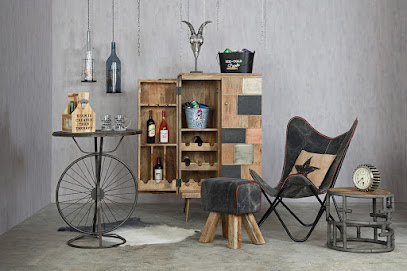
Boutique du Monde | Zouk Mosbeh
1.8 km
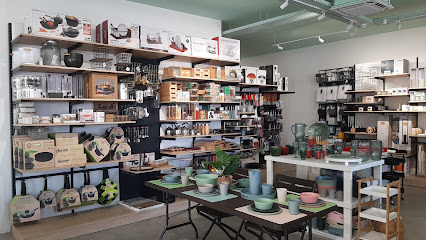
Discover the charm of Boutique du Monde in Zouk Mosbeh, offering unique gifts, home goods, and stylish outdoor furniture that reflect Lebanon's rich culture.
Moulin Vert
2.6 km
Discover the enchanting world of artisanal chocolates at Moulin Vert in Beit Al Koukko, a must-visit destination for chocolate enthusiasts.
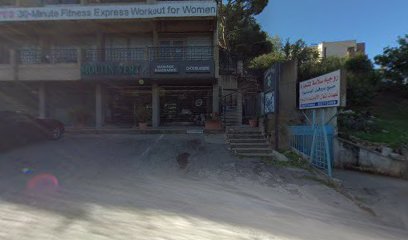
Elise’s Touch
2.8 km
Discover unique Lebanese souvenirs and crafts at Elise's Touch in Mtaileb, a perfect stop for tourists seeking authentic local artistry.
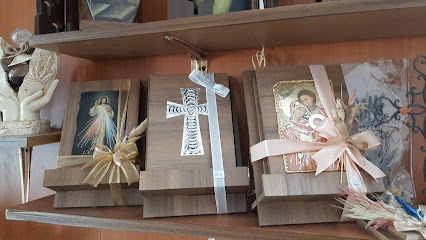
Les Tagueurs
2.8 km
Explore creativity at Les Tagueurs, a delightful scrapbooking store in Zouk Mosbeh, offering unique supplies for all your crafting needs.
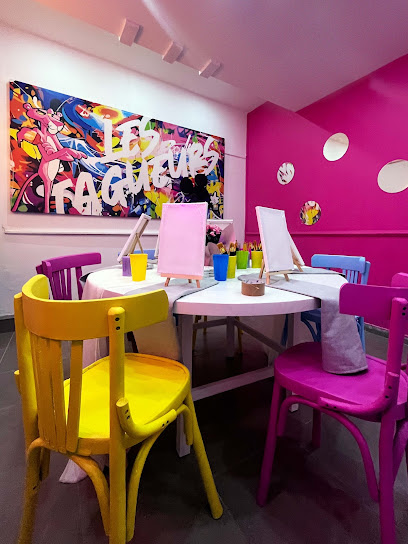
Jawwal Store
3.1 km
Explore unique gifts and local artistry at Jawwal Store, a charming gift shop in the historical Old Souk of Lebanon.
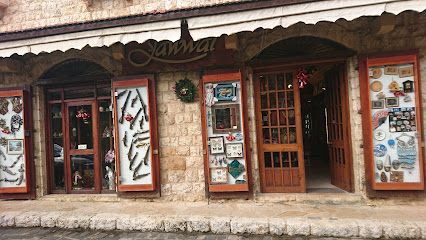
Kelee
3.6 km
Discover the charm of Lebanon at Kelee, your go-to gift shop in Zouk Mosbeh for unique, locally crafted souvenirs.
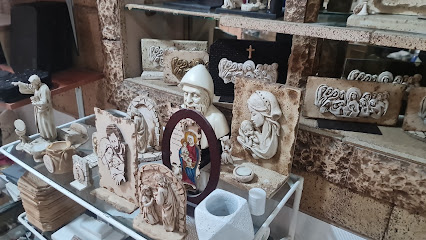
Crazy Nuts Jounieh
4.0 km
Visit Crazy Nuts Jounieh for an unforgettable selection of fresh nuts and dried fruits along the stunning coastal highway of Lebanon.
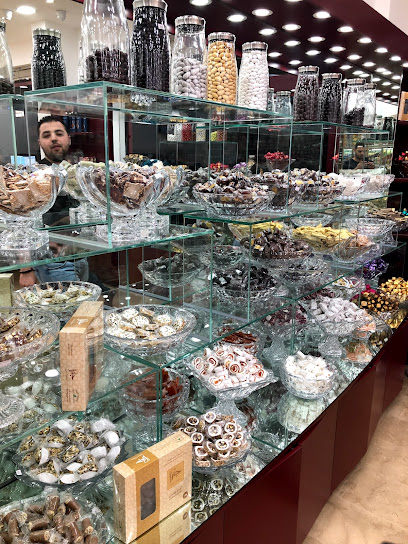
Nutrifit Jounieh ( Organic shop )
4.1 km
Discover Nutrifit Jounieh: Your go-to organic shop for fresh produce, health foods, and eco-friendly products on the Jounieh - Beirut Highway.
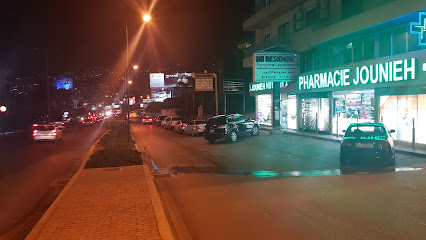
CDS - City Department Store
4.1 km
Discover endless shopping options at CDS - City Department Store, where fashion, beauty, and festive finds await every visitor.
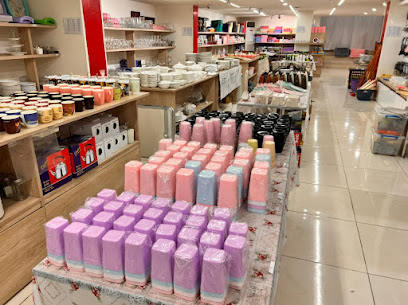
Panda boutique
4.1 km
Explore Panda Boutique in Jounieh for exquisite furniture and decor that beautifully marry modern elegance with traditional craftsmanship.
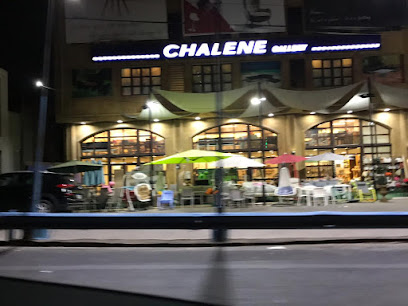
Chalene Gallery
4.1 km
Explore Chalene Gallery for exquisite outdoor furniture and decor in the heart of Beirut, blending style and functionality for your living space.
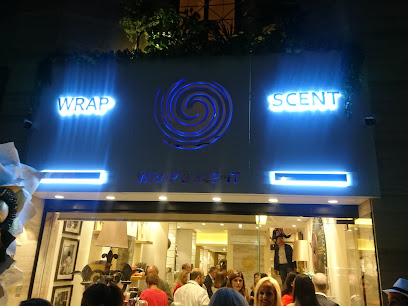
WRAP & SCENT
4.1 km
Explore WRAP & SCENT, Sarba's charming gift shop offering artisanal treasures and unique souvenirs that capture the essence of Lebanese culture.
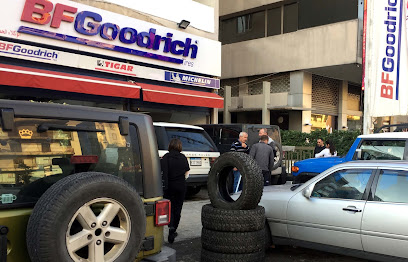
Global Tires Lebanon | BFGoodrich & Tigar tires exclusive importer and distributor
4.2 km
Explore Global Tires Lebanon for top-quality BFGoodrich & Tigar tires, expert installation, and exceptional service for a safer driving experience.
The overall shop
4.2 km
Explore the enchanting gift shop in Jounieh, offering unique souvenirs and local crafts reflective of Lebanon's rich cultural heritage.
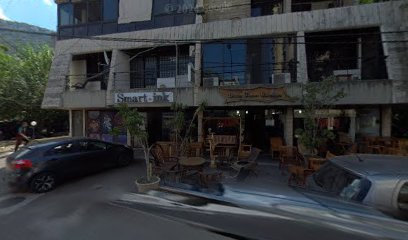
Essential bars & hidden hideouts

Reia
2.1 km
Experience vibrant nightlife at Reia, a top pub in Fraikeh known for its lively atmosphere, delicious drinks, and local entertainment.
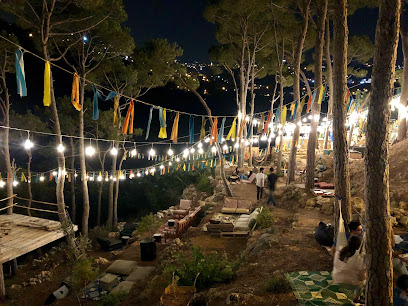
PYLE
3.0 km
Discover PYLE, the perfect pub in Zouk Mosbeh for a cozy drink and vibrant local atmosphere.
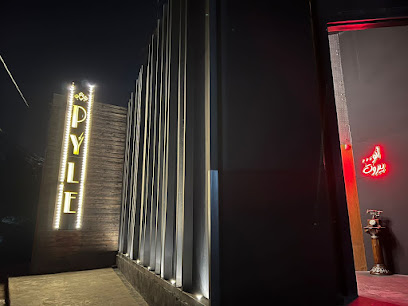
Barhoppers
3.2 km
Discover the vibrant nightlife at Barhoppers in Zouk Mosbeh, where signature cocktails and a lively atmosphere await every visitor.
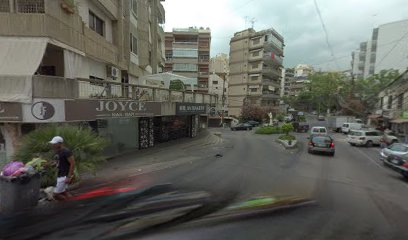
Soul - The Sunset Bar
3.8 km
Experience breathtaking sunsets and refreshing drinks at Soul - The Sunset Bar, your perfect retreat in Lebanon.
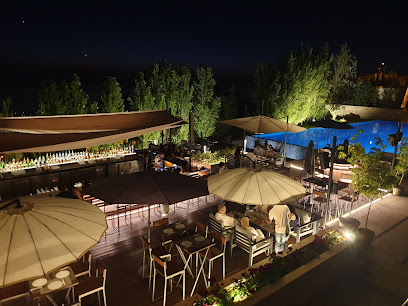
The Terrace Restaurant / Bar Lounge
3.8 km
Experience fine dining at The Terrace Restaurant / Bar Lounge with stunning views of Jounieh Bay and exceptional cocktails.
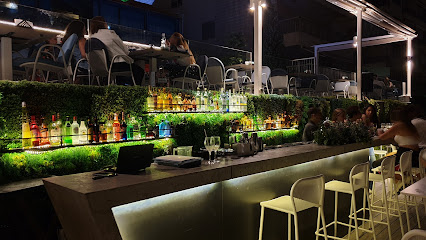
Toekan bar
3.9 km
Experience the Charm of Harissa at Toekan Bar - A Serene Spot for Drinks with Stunning Views.
KUZ-SunsetBar
3.9 km
Experience breathtaking sunsets and vibrant ambiance at KUZ-SunsetBar in Harissa, where relaxation meets stunning vistas.

Bar National
4.2 km
Experience the vibrant atmosphere of Bar National, a coastal bar offering refreshing drinks and stunning views along Sea Side Rd in Lebanon.
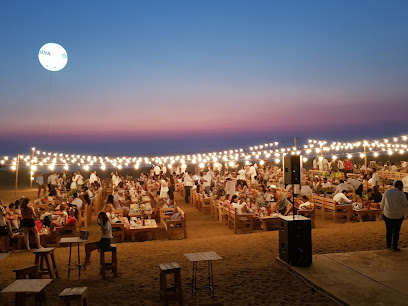
Andarina
4.3 km
Discover Andarina, a vibrant bar in Jounieh, Lebanon, perfect for enjoying great drinks and stunning Mediterranean views in a lively atmosphere.
C Bar
4.4 km
Experience the vibrant nightlife of Kaslik at C Bar, a stylish lounge perfect for relaxation and socializing with friends.
Fat Monk
4.4 km
Discover the lively bar scene at Fat Monk in Zouq El Kharab, where local brews and a vibrant atmosphere await every visitor.
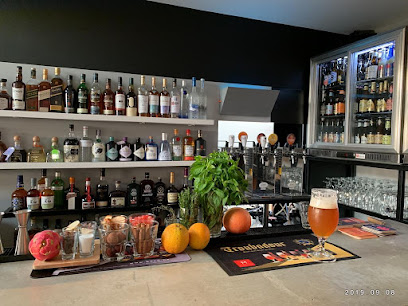
Crazy sky
4.4 km
Discover the vibrant nightlife at Crazy Sky Lounge in Kaslik, where stunning views and expertly crafted cocktails await every visitor.
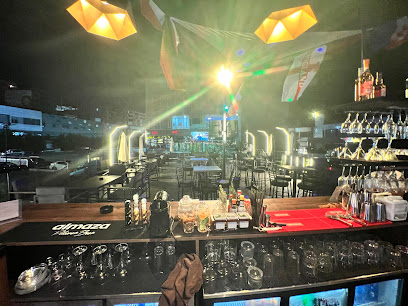
The Blacksmith
4.5 km
Discover the vibrant nightlife at The Blacksmith in Jounieh, a bar where locals and tourists unite for unforgettable drinks and live entertainment.
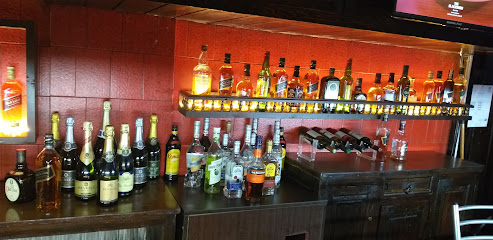
Crafthaus Cocktail Bar
4.5 km
Experience the vibrant nightlife at Crafthaus Cocktail Bar in Jounieh, known for its expertly crafted cocktails and lively atmosphere.
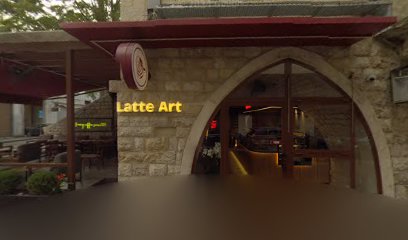
Tiki Bar - Lagon
4.5 km
Experience the vibrant nightlife at Tiki Bar - Lagon in Jounieh, where tropical vibes meet stunning Mediterranean views.
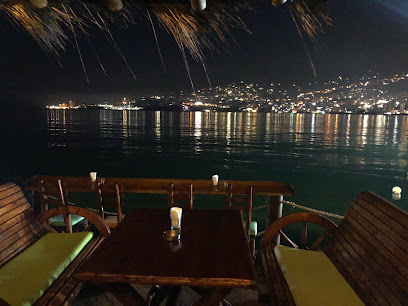
Nightclubs & after hour spots

the white penthouse
2.9 km
Experience the electrifying nightlife at The White Penthouse in Beit Ech Chaar, where chic decor meets pulsating music for an unforgettable night.
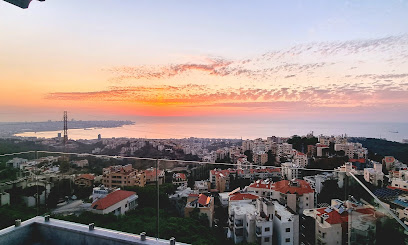
Pause (African) Pub & Karaoke Bar
3.7 km
Dive into the lively nightlife at Pause Pub & Karaoke Bar in Zouq El Kharab, where music and fun come alive under the stars.
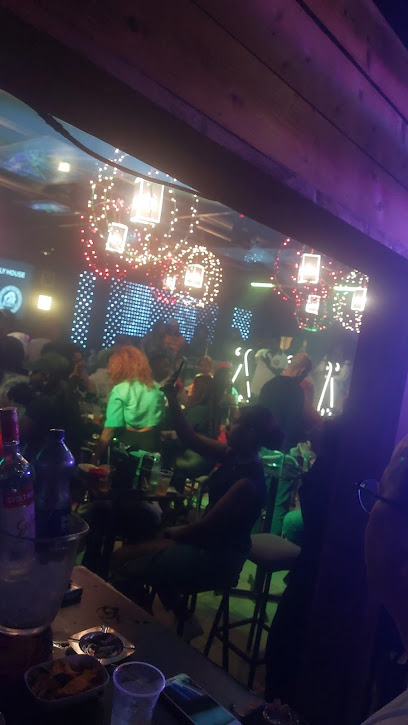
Pulso Night Club
4.3 km
Discover the electrifying nightlife at Pulso Night Club in Kaslik, where vibrant music and dancing create unforgettable memories.
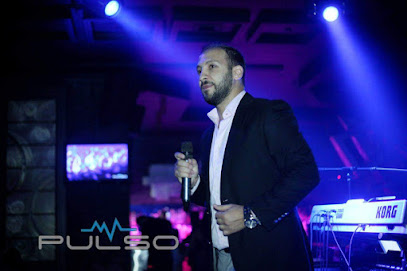
Rabih Club
4.4 km
Discover the electrifying nightlife at Rabih Club in Sarba, where unforgettable memories and lively music come together for an incredible experience.
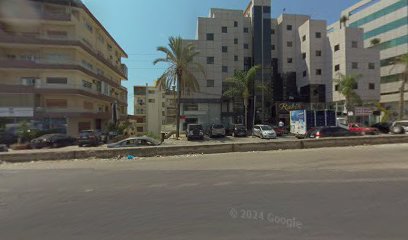
Noa rooftop
4.4 km
Discover Noa Rooftop, an iconic night club in Lebanon offering stunning views, vibrant music, and an unforgettable nightlife experience.
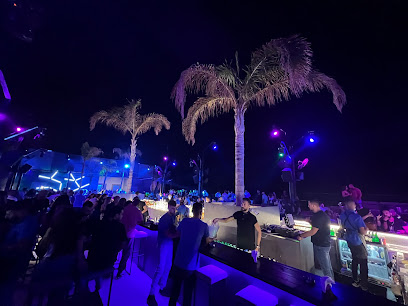
Voice Club Kaslik
4.4 km
Explore the vibrant nightlife of Kaslik at Voice Club, the premier destination for music, dance, and unforgettable experiences.
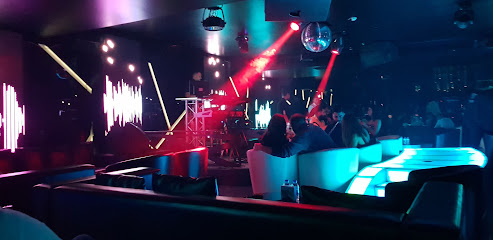
Vault Night Club
4.4 km
Experience the electrifying nightlife at Vault Night Club, Sarba's premier disco destination with top DJs and unforgettable vibes.
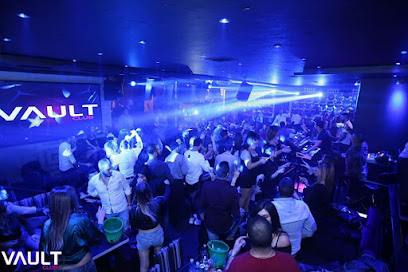
California Dreamers
4.5 km
Experience the vibrant nightlife at California Dreamers, where electrifying music and unforgettable moments await in this premier night club.
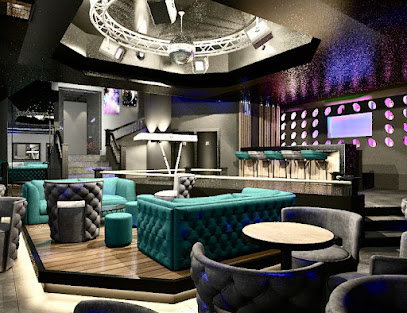
The Bass Lounge
4.5 km
Discover the electrifying nightlife at The Bass Lounge in Jounieh, where music and fun create unforgettable moments.
X-O Club
4.5 km
Discover the electrifying nightlife of Sarba at X-O Club, where music, dancing, and unforgettable memories await.
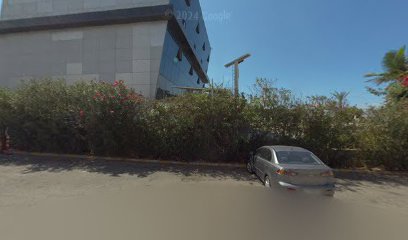
Troy jounieh
4.6 km
Discover the electrifying nightlife at Troy Jounieh, a premier night club in Lebanon offering stunning views and unforgettable experiences.
Privé Resto Pub
4.6 km
Experience unforgettable nights at Privé Resto Pub in Jounieh, where lively music meets exquisite cocktails in a stylish setting.
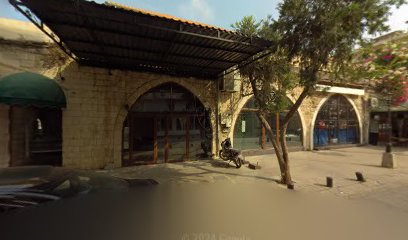
Tarabia club kaslik
4.6 km
Discover the electrifying nightlife at Tarabia Club Kaslik, where vibrant music, stunning views, and unforgettable experiences await.
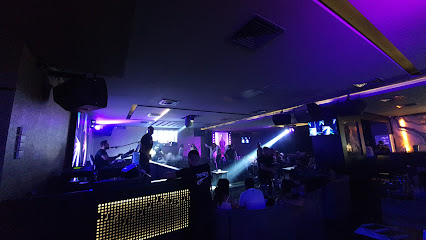
Shiwar
4.9 km
Dive into the heart of Lebanon's nightlife at Shiwar, a dynamic night club offering electrifying music and an unforgettable atmosphere.
Amesterdam club
5.0 km
Discover the electrifying nightlife at Amsterdam Club, where unforgettable nights and vibrant beats come alive on Seaside Road.