Wadi El Salib, Kesserwan Travel Guide
Discover the serene beauty and historical echoes of Wadi El Salib, a hidden gem for hikers near Deir Chamra, Lebanon.
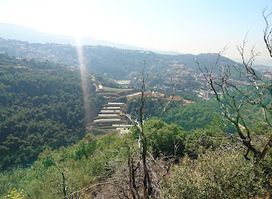
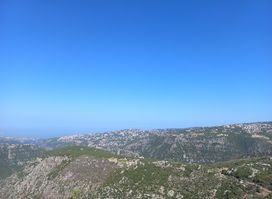
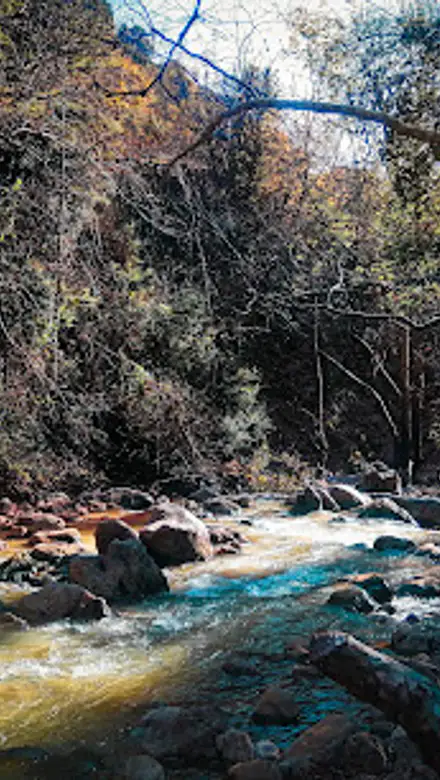
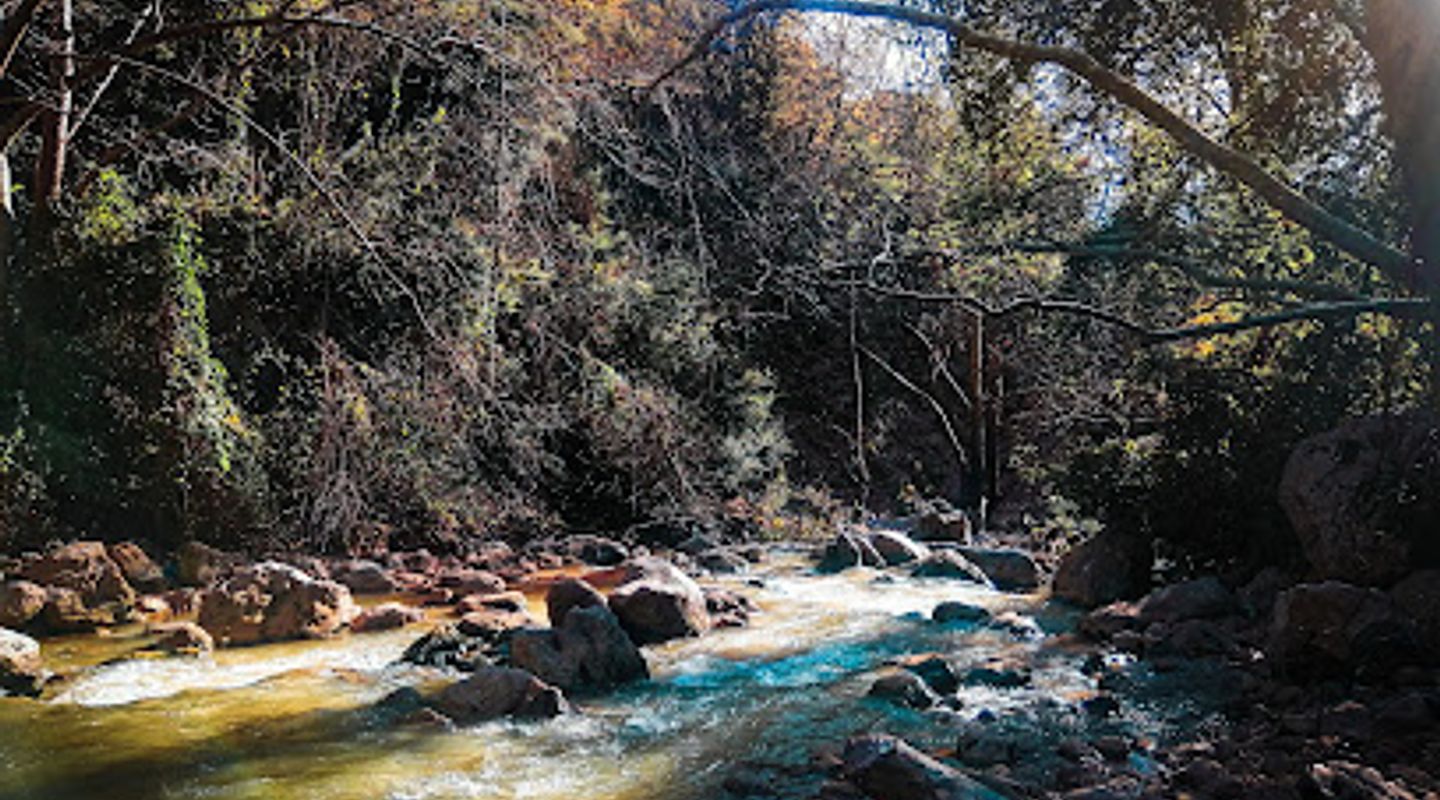
Wadi El Salib, or the Valley of the Cross, is a scenic hiking area near Deir Chamra, Lebanon, offering a blend of natural beauty and historical significance. Once a thriving agricultural community, it now invites visitors to explore its trails, Ottoman-era bridge, and the remains of mills and traditional Lebanese houses.
A brief summary to Wadi El Salib
- XP4C+XXR, Deir Chamra, LB

Know before you go
Hi, I'm Eve. Here are a few practical things to know before exploring Wadi El Salib.
- Wear sturdy hiking shoes as the trails can be rocky and uneven.
- Visit during the cooler months for the best weather conditions for hiking.
- Bring water and snacks to stay hydrated and energized during your hike.
Do you manage this location?
Take control to get all the benefits, like improved information, better appearance, and stronger visibility across AI-powered discovery. Learn more about listing your business on Evendo
Activate your presenceOther nearby places you may find interesting
The closest places of the same kind, if this one is not quite what you had in mind.


Explore Wadi El Salib on the Map
A handpicked selection of must-see spots near Wadi El Salib, mapped for you.
Getting There
-
Public Transport
From Beirut, take a bus to Jounieh (approximately 5,000 LBP). In Jounieh, transfer to a local minibus heading to Deir Chamra (around 2,000 LBP). Ask the driver to drop you off at the closest point to Wadi El Salib, from where a short walk will lead you to the entrance.
-
Taxi
Take a taxi directly to Wadi El Salib in Deir Chamra. A taxi from Jounieh to Wadi El Salib may cost around 20,000 to 30,000 LBP, depending on traffic and time of day.
-
Car
Drive towards Deir Chamra in the Keserwan District. Once in Deir Chamra, follow local signs directing you to Wadi El Salib. There is a designated parking area, and from there, it's a short walk to the entrance of Wadi El Salib.
Discover more about Wadi El Salib













Your all‑in‑one travel companion app
Explore expert travel guides, compare and book tours, experiences, hotels, and more—all from the palm of your hand. Download now for seamless trip planning wherever your wanderlust takes you.


Explore More of Kesserwan
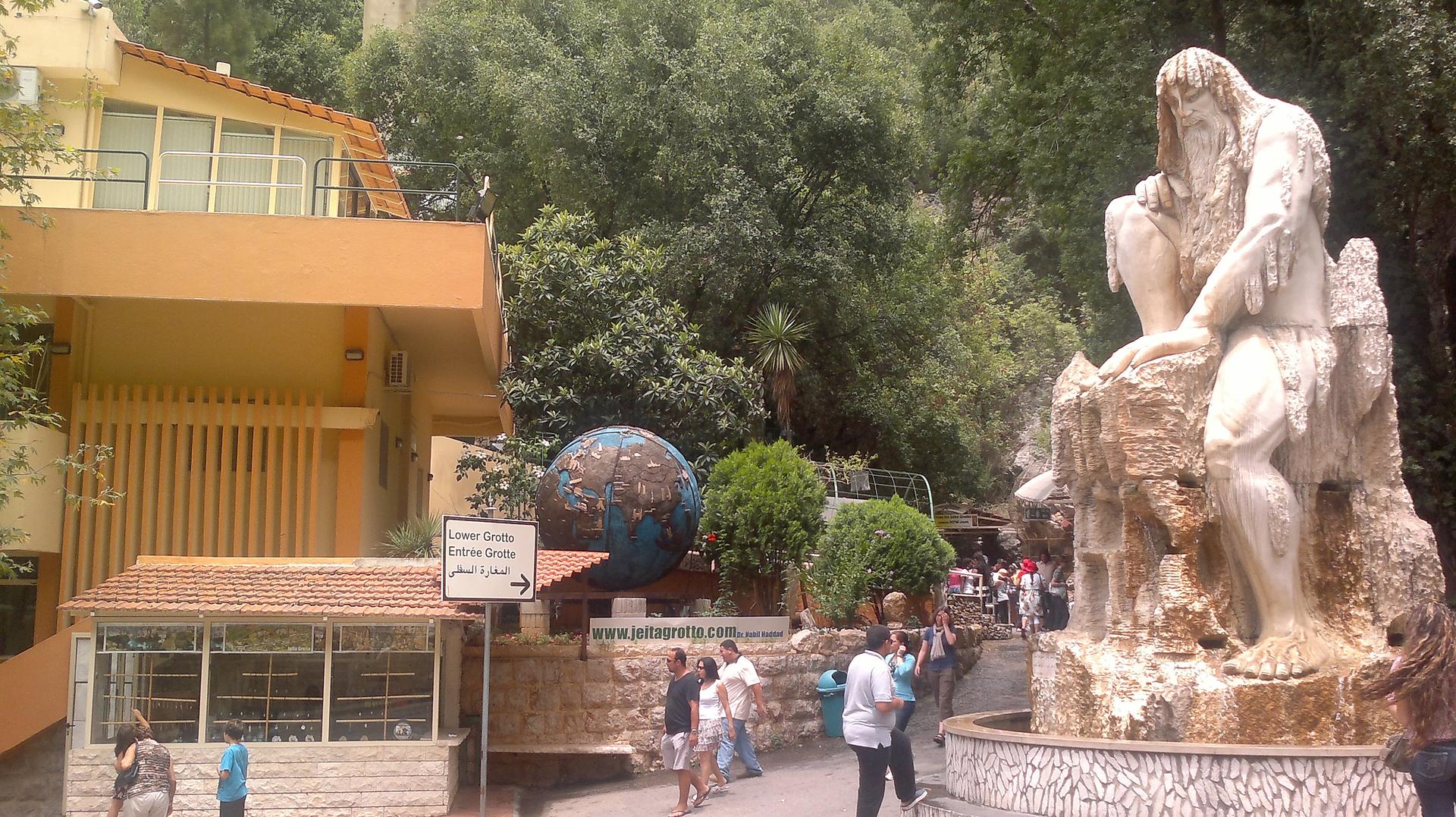
Looking beyond Wadi El Salib? Discover Kesserwan for broader travel guides, local hot-spots, and regional highlights.
Explore Kesserwan