

Free Kesserwan Travel Guide & Mobile App
Explore Kesserwan with free travel guides. Discover regional history, expert tips, proposed trips, and audio guides on web or mobile app.


Explore Keserwan in Lebanon for Jounieh Bay, Harissa’s shrine, mountain villages, Roman ruins, Lebanese cuisine and highland scenery.
Read more about Kesserwan
When is the best time to visit Kesserwan?
Best: April–May, October · 25–30°C| Month | High (°C) | Rainfall (mm) |
|---|---|---|
| January | 15 | 120 |
| February | 17 | 100 |
| March | 20 | 80 |
| April (best) | 25 | 60 |
| May (best) | 30 | 40 |
| June | 34 | 20 |
| July | 37 | 10 |
| August | 37 | 10 |
| September | 33 | 20 |
| October (best) | 28 | 40 |
| November | 22 | 60 |
| December | 16 | 100 |
Getting to and around Kesserwan
How to get there
Transportation
Top city travel guides in Kesserwan
The cities of Kesserwan, and the easiest places to base yourself.
-

-

-
-

-


Swipe for more cities
Destinations in Kesserwan
Resorts, valleys and scenic spots worth a trip of their own.
-

-

-


Swipe for more destinations
Best attractions in Kesserwan
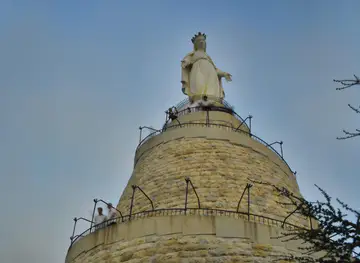
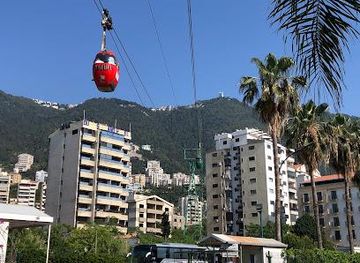
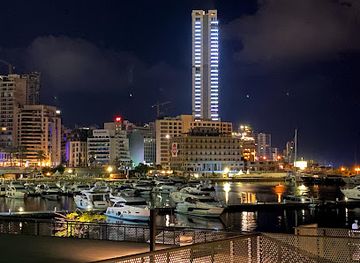
Keserwan’s attractions range from the built-up shore around Jounieh to cool highland landscapes above the coast. The Teleferique leads up to Harissa, where visitors can combine panoramic views with the shrine of Our Lady of Lebanon and the surrounding religious institutions. Jounieh Bay offers waterfront promenades, restaurants and coastal scenery, while nearby Zouk Mikael provides a more historic urban setting with traditional stone architecture and cultural venues. The district’s Christian heritage is also visible in the churches and monasteries of Ghazir, Ghosta and Bkerke. Inland, Faqra is the principal archaeological attraction, with Roman-period remains set among limestone outcrops and mountain trails. Faraya and the surrounding uplands support hiking in warmer months and winter sports when snow conditions allow. The best experiences depend on combining several sites rather than treating the region as one compact sightseeing area; coastal traffic, steep roads and changing mountain weather can make distances deceptive.
-
Promenade
Zaituna Bay
Experience Beirut's vibrant waterfront at Zaitunay Bay: a modern marina offering dining, leisure, and stunning Mediterranean views.
-
Tourist attraction
Jeita Grotto
Explore the enchanting Jeita Grotto, a natural wonder in Lebanon, with stunning limestone formations and serene underground lakes that promise an unforgettable adventure.
-
Catholic church
Our Lady of Lebanon بازيليك سيدة لبنان
Visit Our Lady of Lebanon in Harissa, a symbol of faith, unity, and breathtaking views overlooking the Mediterranean Sea and the Bay of Jounieh.
-
Mountain cable car
Teleferique du Liban
Discover breathtaking vistas and thrilling adventures at Teleferique du Liban, an iconic mountain cable car attraction in Lebanon.


Best landmarks in Kesserwan
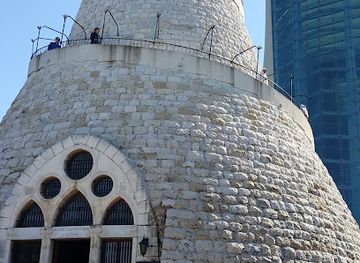
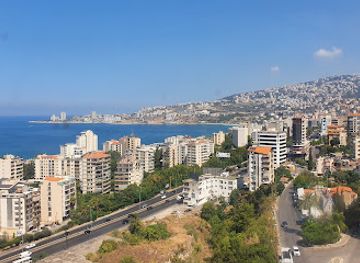
The monumental statue of Our Lady of Lebanon on Harissa is Keserwan’s most recognisable landmark, rising above Jounieh Bay and serving as a national pilgrimage destination as well as a visual symbol of the coast. The Teleferique’s route to the shrine is itself part of the district’s modern identity. In the old quarters of Zouk Mikael and Ghazir, stone houses, churches and narrow lanes preserve the architectural character of historic Mount Lebanon settlements, while Bkerke is an important centre of Maronite religious life. Faqra’s Roman-period ruins provide a very different landmark: weathered limestone temples, columns and monumental remains set in the high country. The broad arc of Jounieh Bay, seen from coastal roads or elevated viewpoints, is a geographical landmark shaped by dense urban development and the steep mountain wall behind it. Together these places express Keserwan’s principal contrasts—religious mountain heritage, ancient archaeology, coastal urban growth and dramatic elevation changes.
-
Promenade
Zaitunay Bay
Explore Zaitunay Bay: Beirut's picturesque promenade, blending stunning views with delightful dining and vibrant local culture.
-
Tourist attraction
Jeita Grotto
Explore Jeita Grotto, Lebanon's stunning natural wonder featuring breathtaking limestone formations and an amazing underground river experience.
-
Catholic church
Our Lady of Lebanon بازيليك سيدة لبنان
Discover the breathtaking Our Lady of Lebanon, a stunning Catholic church with panoramic views and rich cultural significance in Harissa.
-
Mountain cable car
Teleferique du Liban
Soar high above Lebanon's breathtaking landscapes at the Teleferique du Liban, where stunning views and cultural experiences await.
Explore Kesserwan on the map
Plan your trip on one map. See where the top cities, national parks and sights are, and book hotels and experiences in a few clicks.
Best hotels in Kesserwan
Best restaurants in Kesserwan
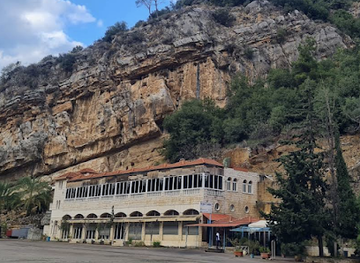
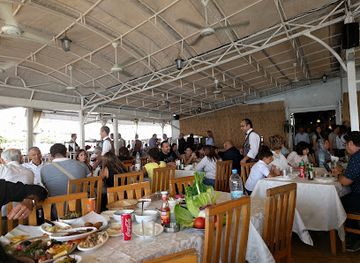
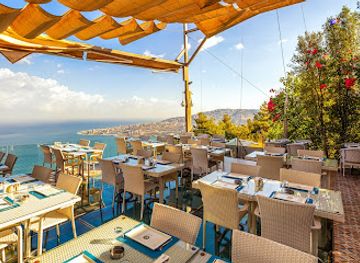
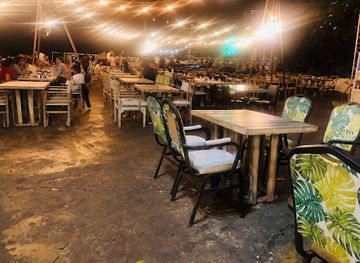
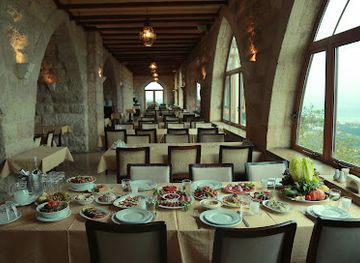
Dining in Keserwan reflects the district’s position between the Mediterranean and Mount Lebanon. Jounieh and the coastal settlements have restaurants specialising in fish, seafood, grilled meats, mezze and Lebanese pastries, with views towards the bay often forming part of the setting. Inland villages and mountain resorts offer family-run eateries, bakeries and restaurants serving hummus, tabbouleh, kibbeh, grilled dishes, seasonal vegetables and dairy products. Lebanese culinary traditions are shared nationally, but Keserwan’s coastal location gives seafood a particularly visible role, while highland agriculture contributes fruit, herbs and preserved foods. Cafés and patisseries are common in the more urban parts of the district, and Lebanese coffee, tea, arak and locally produced wines or spirits may appear on menus. Farmers’ produce and home cooking are easier to encounter through village contacts than through a formal regional food trail, so menus and availability can change with the season and the economic situation.
-
Restaurant
Manuella
Discover authentic Lebanese flavors and fresh seafood at Manuella along Jounieh's stunning coastline.
-
Lebanese
Amar Harissa - قمر
Experience authentic Lebanese cuisine with stunning views at Amar Harissa on the scenic Harissa Highway.
-
Restaurant
Palms Beach House
Savor delicious Lebanese cuisine while enjoying breathtaking Mediterranean views at Palms Beach House in Jounieh.
-
Restaurant
Al Sakhra - Cliff House - مطعم الصخرة
Experience exquisite Lebanese cuisine with breathtaking views at Al Sakhra - Cliff House in Chemlan.
Best bars in Kesserwan
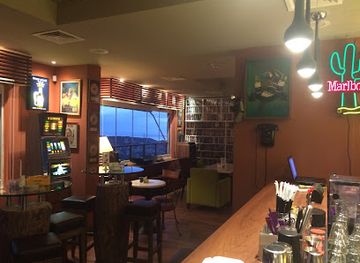
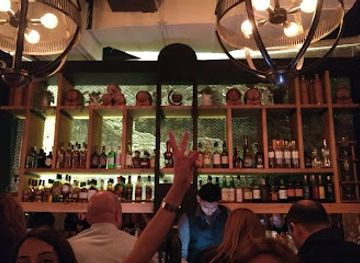
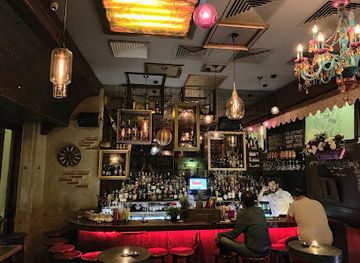
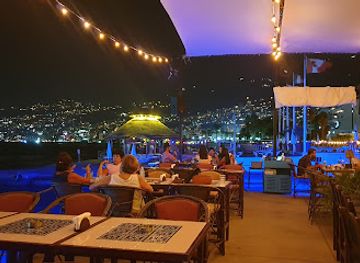
Keserwan has one of Lebanon’s more established leisure and evening scenes, concentrated around Jounieh, Maameltein and the coastal road. Depending on current conditions, visitors may find restaurants with late service, hotel bars, lounges, live music and entertainment venues, while the district’s traditional cafés and pubs provide quieter alternatives. The coast is generally more active in summer, when visitors and residents gather after dark, but opening patterns can change quickly. In Ghazir, Zouk Mikael and the mountain villages, evenings are more often centred on restaurants, coffee shops, family gatherings and occasional cultural performances than on large clubs. A taxi or pre-arranged driver is preferable after drinking, and visitors should check the current status, location and payment arrangements of any venue before travelling. Nightlife should be understood as part of Keserwan’s commercial and social life, not as a requirement for experiencing the district.
-
Restaurant
House Of Music HQ Cafe/Bar
Experience the vibrant fusion of music, coffee, and cocktails at House Of Music HQ Cafe/Bar, a local gem in Ain Saade, Lebanon.
-
Lounge
Bar Du Port
Discover the elegance of Bar Du Port, a premier lounge in Antelias offering stunning sea views, exquisite drinks, and a vibrant atmosphere.
-
Bar
The Bohemian Bar
Experience the vibrant nightlife of Beirut at The Bohemian Bar, where exquisite cocktails and a lively atmosphere await.
-
Bar
Pablo Escobar - Cóctel Y Cocina
Discover the lively nightlife of Jounieh at Pablo Escobar - Cóctel Y Cocina, where exquisite cocktails and vibrant ambiance await every visitor.
Best nightclubs in Kesserwan
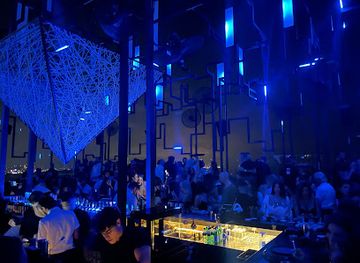
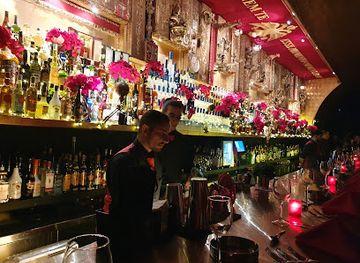
Keserwan has one of Lebanon’s more established leisure and evening scenes, concentrated around Jounieh, Maameltein and the coastal road. Depending on current conditions, visitors may find restaurants with late service, hotel bars, lounges, live music and entertainment venues, while the district’s traditional cafés and pubs provide quieter alternatives. The coast is generally more active in summer, when visitors and residents gather after dark, but opening patterns can change quickly. In Ghazir, Zouk Mikael and the mountain villages, evenings are more often centred on restaurants, coffee shops, family gatherings and occasional cultural performances than on large clubs. A taxi or pre-arranged driver is preferable after drinking, and visitors should check the current status, location and payment arrangements of any venue before travelling. Nightlife should be understood as part of Keserwan’s commercial and social life, not as a requirement for experiencing the district.
-
Lounge
SPINE Beirut
Experience the vibrant nightlife of SPINE Beirut, where luxury meets lively entertainment in a breathtaking setting.
-
Night club
MusicHall Starco
Discover the heartbeat of Beirut's nightlife at MusicHall Starco, where every night is a celebration of music and dance.
-
Disco club
Kult Beirut
Dive into the electrifying nightlife of Kult Beirut, a premier disco club in Dora, where vibrant music and unforgettable experiences await you.
-
Night club
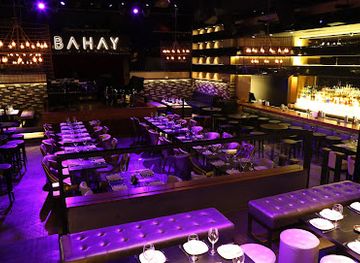
BAHAY
Experience the vibrant nightlife at BAHAY, a premier night club in Baouchriyeh, perfect for dancing and enjoying live music in a chic setting.

Best shops in Kesserwan
Shopping in Keserwan is strongest in the urban coastal corridor, especially around Jounieh and the larger settlements leading towards Beirut. Visitors will find everyday Lebanese fashion, electronics, cosmetics, cafés and modern retail alongside smaller shops selling sweets, pastries, mezze ingredients and local produce. Zouk Mikael and older village centres offer a more traditional atmosphere, with specialist food shops, craft items, books, religious objects and locally made gifts appearing among historic streets. In the mountain areas, seasonal fruit, preserves, honey, dairy products and other rural produce can be more distinctive purchases than mass-market souvenirs, although availability depends on the time of year. Art galleries and cultural shops are more likely around established town centres and performance venues than in remote villages. Bargaining may be possible in some independent shops, but it is not appropriate everywhere; ask the price and payment currency clearly, particularly when buying from small businesses affected by Lebanon’s changing exchange rates.
-
Shopping mall
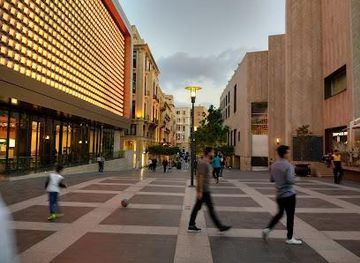
Beirut Souks
Discover the heart of Beirut’s shopping experience at the Beirut Souks, where luxury meets tradition in a vibrant setting.
-
Shopping mall
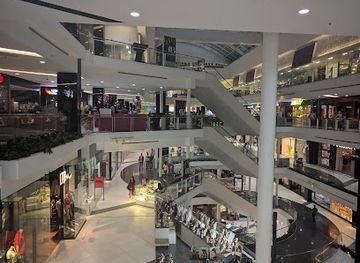
LeMall
Discover the ultimate shopping experience at LeMall in Beirut, where fashion, dining, and entertainment come together in a vibrant atmosphere.
-
Shopping mall
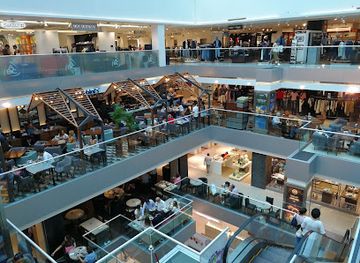
ABC
Explore ABC, Lebanon's leading shopping mall, where retail therapy meets culinary delights and family fun in a modern setting.
-
Gift shop
Jack Gifts Accessories
Discover unique gifts, fashionable accessories, and stylish handbags at Jack Gifts Accessories in the heart of the municipality.
Get your free copy of our complete guide to Kesserwan, delivered straight to you.
Everything on this page, from attractions and restaurants to essentials and local phrases, in one PDF you can read offline, print or share.
Already have an account? Sign in
Your Kesserwan guide is ready.
We'll send it to · Not you? Sign out

Getting your guide ready…
We are putting together a fresh copy of the Kesserwan guide. This can take up to a minute.
This can take a few moments. If your browser asks, choose Allow so the download can start. You'll find the guide in your Downloads folder.
Nothing happened? Download it again
Sorry, the guide is taking longer than usual. Please try again in a minute, or get it by email instead.
Kesserwan essentials
Currency and Payment
Safety
Emergency Situations
Do's and Don'ts
Local Tips
From Eve
Local phrases worth knowing
You don't need to get them perfect. A few words go a long way, and locals appreciate the effort.
Basics
| English | Local | Say it |
|---|---|---|
| Hello | مرحبا | [Marhaba] |
| Goodbye | وداعا | [Wad'a] |
| Yes | نعم | [Na'am] |
| No | لا | [La] |
| Please/You're welcome | من فضلك | [Min fadlak] |
| Thank you | شكرا | [Shukran] |
| Excuse me/Sorry | عفوا | [Afwan] |
| How are you? | كيف حالك؟ | [Kayfa halak?] |
| Fine. And you? | بخير. وأنت؟ | [Bikhayr. Wa anta?] |
| Do you speak English? | هل تتحدث الإنجليزية؟ | [Hal tatahadath al-ingliziya?] |
| I don't understand | لا أفهم | [La afham] |
Eating & Drinking
| English | Local | Say it |
|---|---|---|
| I'd like to see the menu, please | أود أن أرى القائمة، من فضلك | [Awad an ara al-qa'ima, min fadlak] |
| I don't eat meat | لا آكل اللحم | [La akul al-lahm] |
| Cheers! | صحتين | [Sahtein] |
| I would like to pay, please | أود أن أدفع، من فضلك | [Awad an adfa', min fadlak] |
Emergencies
| English | Local | Say it |
|---|---|---|
| Help! | مساعدة! | [Musaa'ada!] |
| Go away! | ابتعد! | [Ibt'id!] |
| Call the Police! | اتصل بالشرطة! | [Ittasil bil-shurta!] |
| Call a doctor! | اتصل بطبيب! | [Ittasil bi-tabeeb!] |
| I'm lost | أنا ضائع | [Ana da'i'] |
| I'm ill | أنا مريض | [Ana marid] |
Shopping
| English | Local | Say it |
|---|---|---|
| I'd like to buy... | أود أن أشتري... | [Awad an ashtari...] |
| I'm just looking | أنا فقط أنظر | [Ana faqat anzur] |
| How much is it? | كم ثمنه؟ | [Kam thamunuh?] |
| That's too expensive | هذا مكلف جدا | [Hatha mukallaf jidan] |
| Can you lower the price? | هل يمكنك تخفيض السعر؟ | [Hal yumkinuka takhfid al-si'r?] |
Time & Numbers
| English | Local | Say it |
|---|---|---|
| What time is it? | كم الساعة؟ | [Kam al-saa'a?] |
| It's one o'clock | الساعة واحدة | [Al-saa'a wahida] |
| Half past (10) | نصف بعد (10) | [Nisf ba'd (10)] |
| Morning | صباحا | [Sabahan] |
| Afternoon | بعد الظهر | [Ba'd al-zuhur] |
| Evening | مساء | [Masa'an] |
| Yesterday | أمس | [Ams] |
| Today | اليوم | [Al-yawm] |
| Tomorrow | غدا | [Ghadan] |
| 1 | 1 | [Wahid] |
| 2 | 2 | [Ithnayn] |
| 3 | 3 | [Thalatha] |
| 4 | 4 | [Arba'a] |
| 5 | 5 | [Khamsa] |
| 6 | 6 | [Sitta] |
| 7 | 7 | [Sab'a] |
| 8 | 8 | [Thamaniya] |
| 9 | 9 | [Tis'a] |
| 10 | 10 | [Ashra] |
Transport & Directions
| English | Local | Say it |
|---|---|---|
| Where's a/the...? | أين يوجد...؟ | [Ayna yujad...?] |
| What's the address? | ما هو العنوان؟ | [Ma huwa al-unwan?] |
| Can you show me (on the map)? | هل يمكنك أن تريني (على الخريطة)؟ | [Hal yumkinuka an turini (ala al-kharita)?] |
| When's the next (bus)? | متى تكون الحافلة القادمة؟ | [Mata takun al-hafila al-qadima?] |
| A ticket (to ....) | تذكرة (إلى ....) | [Tathkara (ila ....)] |
History of Kesserwan
Prehistoric and Ancient Mountain Settlement
The valleys and limestone uplands of Mount Lebanon have supported human settlement since prehistoric times, although the archaeological record is unevenly distributed and many sites require specialist interpretation. Keserwan’s natural corridors connected the coast with the interior, allowing movement of people, animals and goods between maritime settlements and mountain communities. The region’s caves, springs and defensible slopes formed part of a wider landscape inhabited long before the emergence of the Phoenician cities on the Lebanese coast.
Roman Faqra and the Ancient Highland Sanctuary
The archaeological complex at Faqra preserves substantial evidence of Roman-period activity in the highlands of Keserwan. Its surviving temples, columns, altar and monumental structures reflect the adaptation of imperial architectural forms to a mountain setting. The site is associated with the ancient cult of Adonis and with later religious use, illustrating how sacred landscapes could acquire new meanings over time. Faqra’s remains also demonstrate that the high country was not isolated from the commercial and cultural networks of the Roman eastern Mediterranean.
Christian Communities and Medieval Mountain Networks
Christian communities became deeply established in the mountains of present-day Lebanon during late antiquity and the medieval period. Keserwan’s valleys and villages formed part of the wider Maronite sphere, while local monasteries and churches helped preserve religious institutions, manuscripts and community organisation. Medieval power shifted between regional dynasties and larger authorities, including the Mamluks, but mountain settlements retained considerable importance because of their difficult terrain and agricultural resources. Much of the district’s later religious identity grew from these long-established networks.
Ottoman Mount Lebanon and the Growth of Maronite Institutions
Under Ottoman rule, Keserwan developed within the changing political framework of Mount Lebanon. Maronite landholding, village institutions and monasteries became increasingly influential, while silk production and the cultivation of mulberry trees connected mountain households with regional and European markets. The nineteenth century brought stronger commercial links with the coast and Beirut, as well as periods of severe communal and political tension in Mount Lebanon. Churches, monasteries, village houses and estate landscapes in the district still reflect aspects of this era.
Silk, Coastal Trade and Modern Communications
During the nineteenth and early twentieth centuries, the silk economy helped transform parts of Mount Lebanon. Raw silk and related trade encouraged contact with Mediterranean merchants, expanded the role of coastal ports and supported new investment in roads, schools and religious institutions. Jounieh and the coastal settlements of Keserwan became increasingly connected to Beirut and to international commerce. The later decline of silk did not erase the infrastructure or social changes it had set in motion; instead, the area gradually turned towards services, migration, commerce and tourism.
Independence, Conflict and the Tourism Economy
After Lebanon’s independence in 1943, Keserwan’s proximity to Beirut and its coastal and mountain landscapes encouraged the growth of hotels, restaurants, entertainment venues and second homes. Jounieh became one of the country’s most recognisable leisure centres, while Harissa gained national symbolic importance through its shrine and pilgrimage traditions. The Lebanese Civil War and subsequent political and economic crises disrupted tourism and everyday life, but the district retained its role as a major residential, religious and recreation area. Its contemporary character combines historic communities with dense development and seasonal mountain tourism.
Kesserwan in Photos
Browse through our photo collection highlighting the charm and character of the destination.
Neighbouring regions of Kesserwan
The closest regions to Kesserwan, if you have time for more than one.
-

-

-

-

-


Swipe for more regions
Explore more

Explore more of Lebanon
Discover Lebanon: A land of ancient history, vibrant culture, stunning landscapes, and delicious cuisine, nestled on the Mediterranean coast.
Explore Lebanon