Cedars of God: Ancient Sentinels of Lebanon
Walk among ancient giants in Lebanon's Cedars of God, a UNESCO World Heritage Site and symbol of the nation's enduring strength.
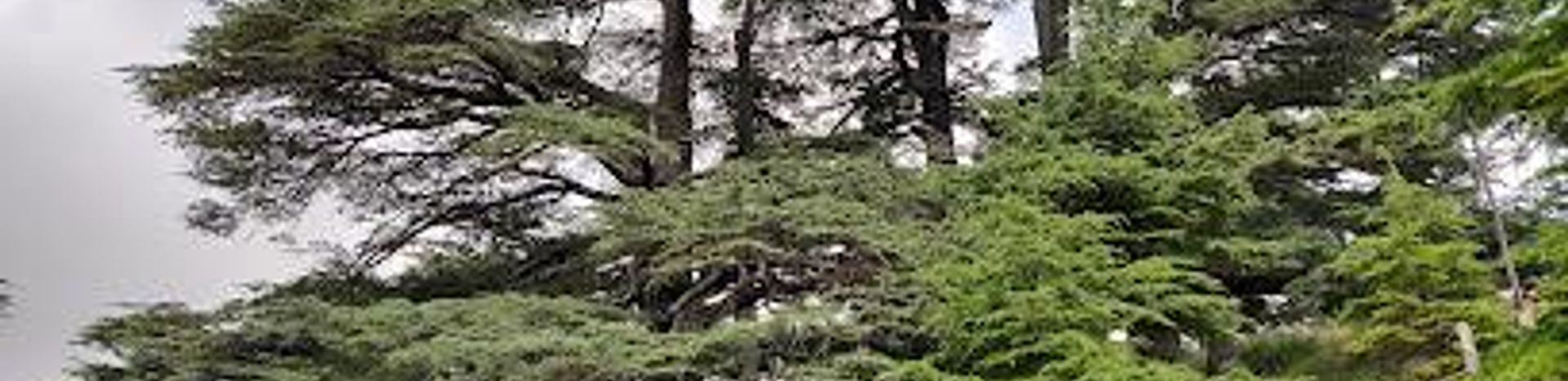
The Cedars of God, a UNESCO World Heritage site near Bsharri, Lebanon, are the last remnants of the great cedar forests that once blanketed Mount Lebanon. Revered for millennia, these majestic trees stand as a symbol of the country's history, resilience, and spiritual significance.
A brief summary to Cedars of God Bsharri
- 62VX+HH3, Bsharri, LB
- Monday 10 am-6 pm
- Tuesday 10 am-6 pm
- Wednesday 10 am-6 pm
- Thursday 10 am-6 pm
- Friday 10 am-6 pm
- Saturday 10 am-6 pm
- Sunday 10 am-6 pm
Local tips
- Visit during spring (April-June) or fall (September-November) for pleasant weather and optimal hiking conditions.
- Wear layers, as the weather in the mountains can be unpredictable.
- Entry to the Cedars of God is free, but donations to support reforestation efforts are welcome.
- Combine your visit with a trip to the nearby Gibran Museum or the monasteries in the Qadisha Valley.

Getting There
-
Walking
From the town center of Bsharri, the Cedars of God are approximately 3 kilometers away. The walk is uphill and takes around 30-45 minutes. Follow the signs directing you towards the Cedars. Be sure to wear comfortable shoes and bring water, especially during warmer months.
-
Public Transport
From Beirut, take a bus or shared taxi to Tripoli. From Tripoli, transfer to another bus or taxi to Bsharri. From Bsharri, you can walk (3km uphill) or take a local taxi to the Cedars of God. The bus from Beirut to Tripoli costs approximately 20,000-30,000 LBP. A taxi from Tripoli to Bsharri will cost an additional 50,000-75,000 LBP. A local taxi from Bsharri to the Cedars will cost around 10,000-15,000 LBP.
-
Car
From Beirut, take the coastal highway north towards Tripoli. Before entering Tripoli, follow signs to El Mina, which will lead you to the mountain road towards Bsharri. Continue to Bsharri and follow signs for the Cedars of God. Turn left onto a smaller road just before entering Bsharri town. Drive straight until you reach the parking area near the entrance of the Cedars of God. Parking fees may apply.
Discover more about Cedars of God Bsharri
Iconic landmarks you can’t miss

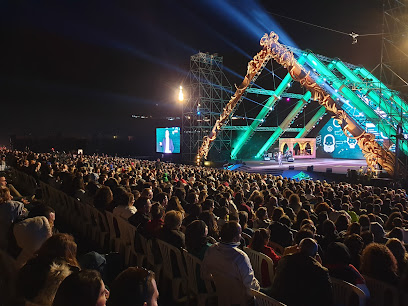
Cedars international festival
0.6 km
Discover the vibrant Cedars International Festival in Lebanon, a cultural celebration of music, art, and local traditions amidst breathtaking cedar landscapes.
Bsharri Cross
1.9 km
Experience the spiritual serenity at Bsharri Cross, a stunning church nestled in the breathtaking landscapes of Bsharri, Lebanon.
Sequoia Guesthouse
3.1 km
Experience the charm and tranquility of Sequoia Guesthouse in Bsharri, Lebanon, surrounded by nature and offering cozy accommodations and unique outdoor activities.
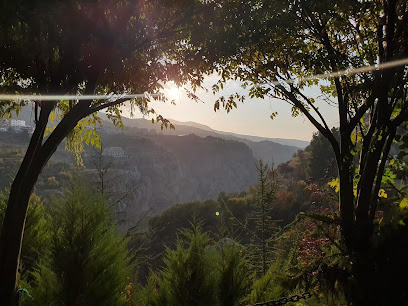
Gibran Khalil Gibran's home
3.6 km
Discover the childhood home of Gibran Khalil Gibran, a historical museum that celebrates the life and works of Lebanon's famed poet and philosopher.
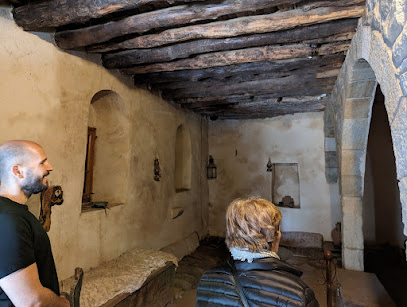
Tiger Guest House
3.6 km
Experience the serene beauty of Bsharri at Tiger Guest House, your cozy mountain retreat in Lebanon's stunning landscapes.
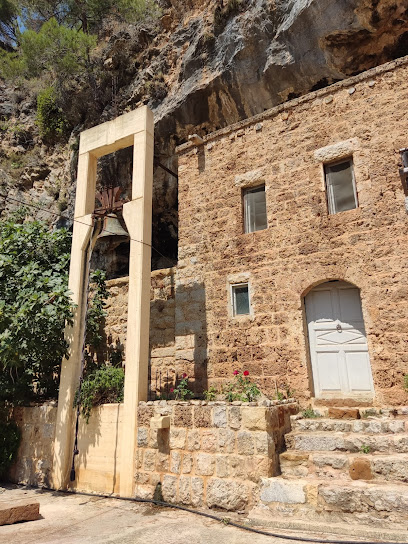
Beit El Qanater
3.7 km
Discover tranquility and authentic Lebanese hospitality at Beit El Qanater, a charming guest house nestled in the picturesque Bsharri region.
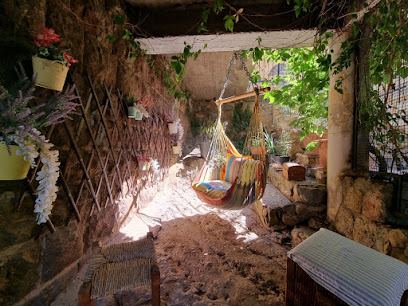
Al Zaytouni - Bcharre
3.8 km
Experience authentic Lebanese cuisine at Al Zaytouni in Bcharre – where every dish tells a story steeped in tradition and local flavor.
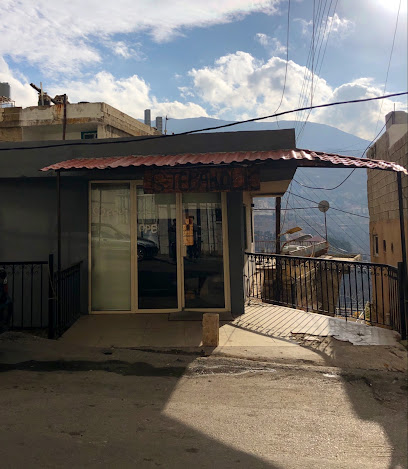
Hotel Chbat
4.3 km
Experience comfort and scenic beauty at Hotel Chbat in Bsharri, Lebanon, your gateway to the Qadisha Valley and the Cedars of God.

Bauhaus Chalets & Motel
4.4 km
Experience comfort and adventure in Bsharri at Bauhaus Chalets & Motel, your gateway to Lebanon's natural beauty and cultural heritage.
MIST Hotel & Spa
7.6 km
Discover the serene beauty and luxury of MIST Hotel & Spa in Ehden, Lebanon – a perfect escape for relaxation and adventure amidst nature's wonders.
Ehden
8.0 km
Explore Ehden, Lebanon: A serene mountain town brimming with natural beauty, rich history, and vibrant local culture, perfect for a peaceful getaway.
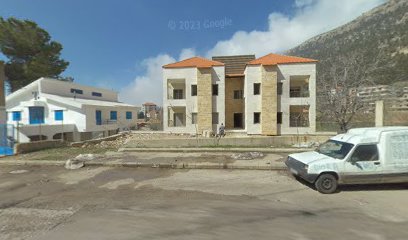
Dar Ehden Hotel
8.1 km
Experience unparalleled luxury and stunning natural beauty at Dar Ehden Hotel, your perfect retreat in the Lebanese mountains.
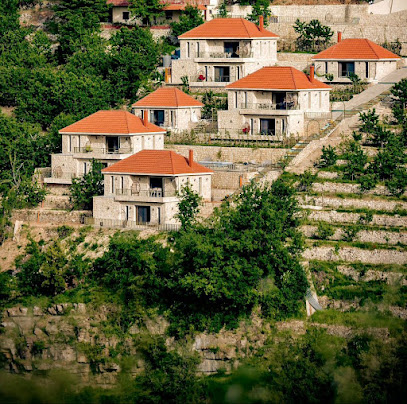
Ehdeniyat
8.3 km
Discover the vibrant Ehdeniyat festival, where rich Lebanese culture, music, and culinary delights come together in a spectacular celebration in Ehden, Lebanon.
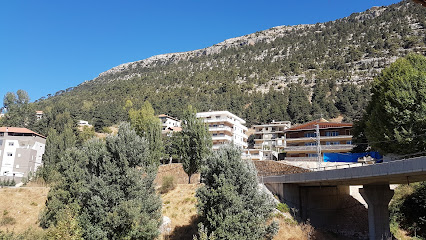
Qurnat as Sawda'
8.4 km
Conquer Lebanon's highest peak: Hike Qurnat as Sawda' for breathtaking views and a rewarding alpine experience.
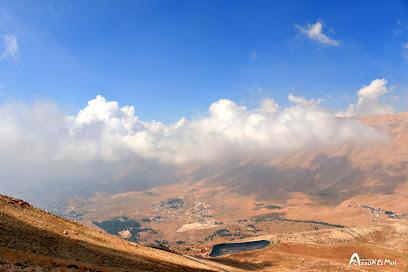
Discover Ehden
8.6 km
Explore the breathtaking trails and rich history of Ehden, a hidden gem in Lebanon perfect for outdoor enthusiasts and culture lovers alike.
Unmissable attractions to see

La Jetée
1.0 km
Explore La Jetée, a historical landmark in Bsharri, Lebanon, surrounded by breathtaking landscapes and rich cultural heritage.
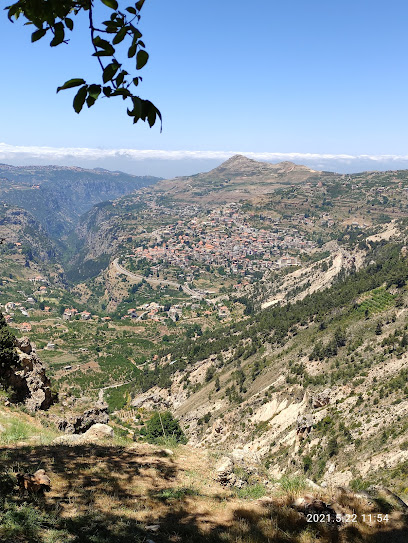
My tree
1.4 km
Experience tranquility and natural beauty at My Tree in Ariz, a perfect oasis for relaxation and connection with nature.
Le Cedrus Outdoors Venue
1.5 km
Discover the natural beauty of Le Cedrus Outdoors Venue in Ariz – a perfect getaway for families and nature lovers alike.
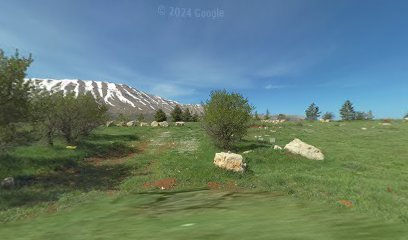
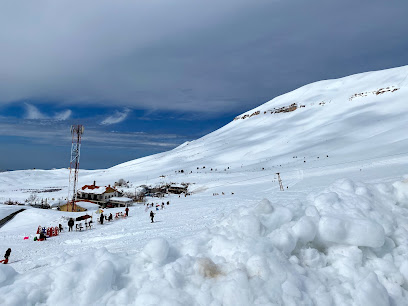
Cedars Bsharri Ski Resort
1.8 km
Discover the enchanting Cedars Bsharri Ski Resort, where exhilarating slopes meet stunning natural beauty in Lebanon's heart.
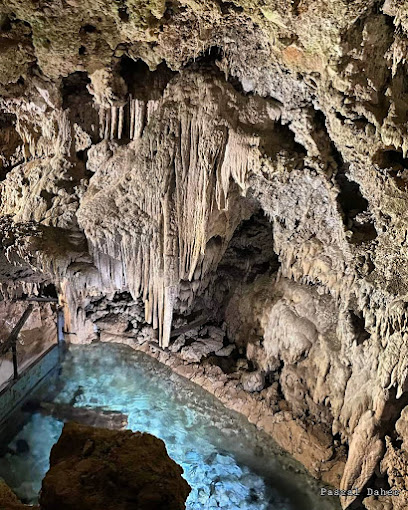
Kadisha cave entrance
1.9 km
Explore the depths of Kadisha Cave: A journey into Lebanon's subterranean beauty and natural wonders in the heart of the Holy Valley.
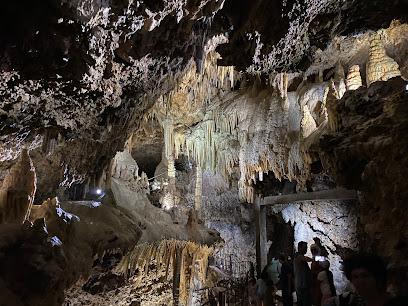
Kadisha cave bcharre
1.9 km
Discover the breathtaking Kadisha Cave in Bcharre, a natural wonder steeped in history and surrounded by stunning Lebanese landscapes.
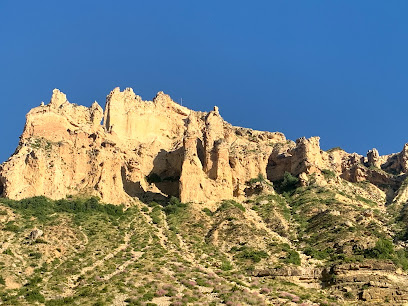
Shire el Aren
2.1 km
Explore Shire el Aren in Bsharri, Lebanon – a picturesque hiking area offering stunning views and serene trails for nature lovers and adventure seekers alike.
بركة الجرد
2.4 km
Explore Barka Al-Jurd in Ariz, Lebanon: A serene garden oasis with diverse flora, perfect for nature lovers and tranquility seekers.
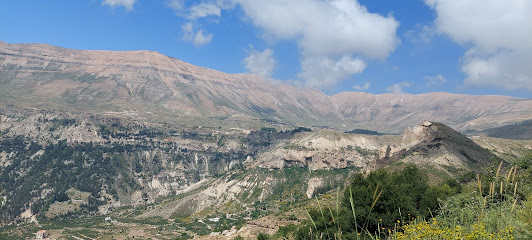
نبع الكذاب
2.6 km
Explore the serene beauty of Naba' al-Kazab Garden in Bsharri, a peaceful retreat filled with lush greenery and stunning landscapes.
Kahlil Gibran Museum
2.8 km
Discover the Kahlil Gibran Museum in Bsharri, a cultural treasure showcasing the life and art of Lebanon's beloved poet against a stunning natural backdrop.
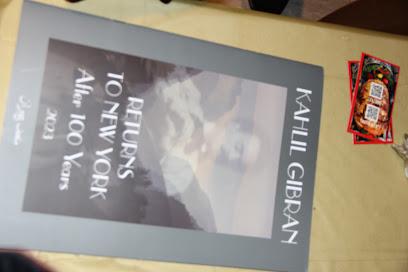
Public Garden
3.3 km
Discover the serene beauty of Bsharri's Public Garden, a lush park perfect for relaxation, picnics, and family outings amidst nature.
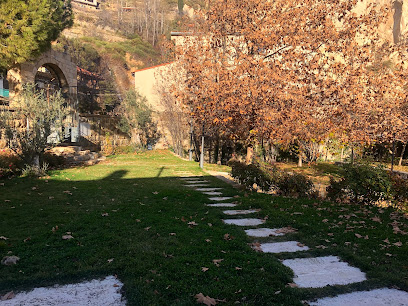
Valley qadisha
3.3 km
Discover the breathtaking landscapes and rich history of Valley Qadisha, a UNESCO World Heritage site in Lebanon, perfect for adventurous travelers.
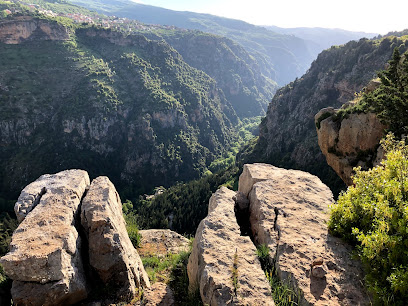
Statue of St. Charbel
3.3 km
Experience the tranquility and spirituality at the Statue of St. Charbel in Bqaa Kafra, a breathtaking hiking area with stunning views.
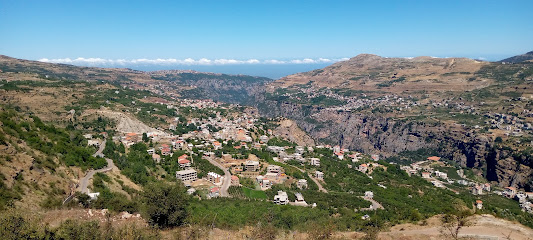
ܩܪܢܬ ܣܗܕ̈ܐ Qornet Sohde
3.5 km
Explore Qornet Sohde, a stunning tourist attraction in Bsharri, Lebanon, where breathtaking landscapes and rich history await every traveler.
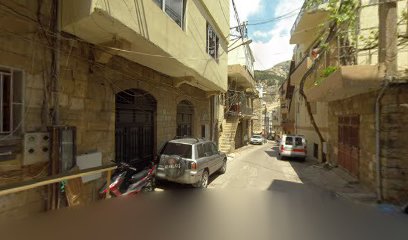
Bcharre tunnel
3.5 km
Experience the breathtaking views and remarkable engineering of the Bcharre Tunnel, a must-visit destination in Lebanon's stunning landscapes.
Essential places to dine

Al Arzeh - Restaurant
0.2 km
Experience authentic Lebanese cuisine at Al Arzeh Restaurant in Ariz - where tradition meets taste.
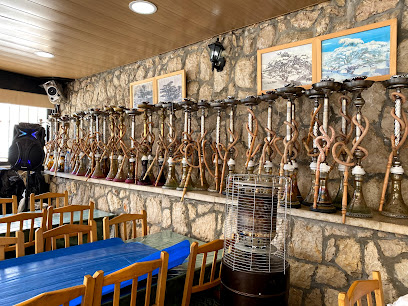
Cafe des cèdres
0.2 km
Experience authentic Lebanese cuisine at Café des Cèdres in Bsharri—where flavor meets tradition in a warm and inviting setting.
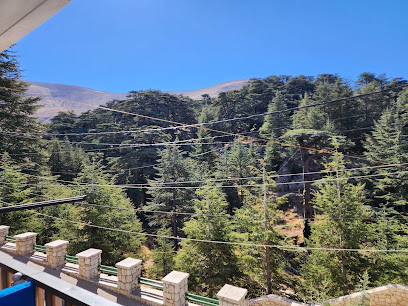
Le Pichet des Cèdres - Restaurant
0.7 km
Discover authentic Lebanese cuisine at Le Pichet des Cèdres in Ariz - where every meal is a celebration of local flavors and stunning views.
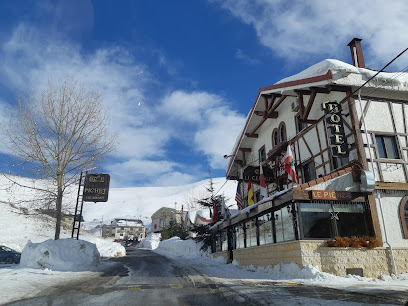
Restaurant Bourj Al Arz
0.7 km
Experience authentic Lebanese cuisine amidst breathtaking mountain views at Restaurant Bourj Al Arz in Bsharri.
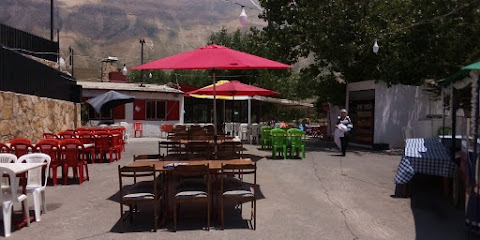
Sizzle Resto Bar
0.9 km
Discover a delightful dining experience at Sizzle Resto Bar in Cedars, where exquisite flavors meet breathtaking views in an inviting atmosphere.
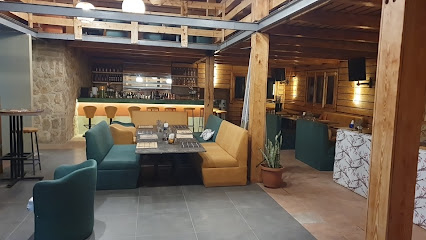
Jag Grill Leb
0.9 km
Experience authentic Lebanese flavors at Jag Grill Leb in Ehden – where culinary excellence meets warm hospitality.
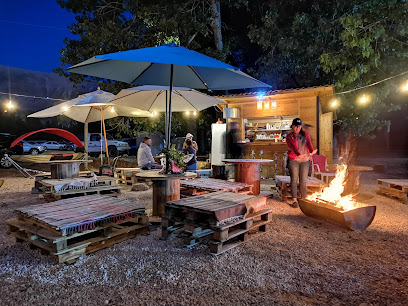
Kawkab restaurant
1.0 km
Experience the best of Lebanese cuisine at Kawkab Restaurant along Baalbeck Road - where flavor meets tradition in every dish.
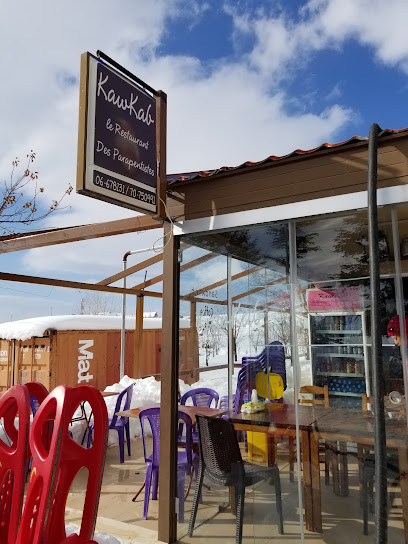
Samarula
1.2 km
Discover Samarula: A charming coffee shop in Lebanon offering exquisite brews amidst stunning natural beauty.
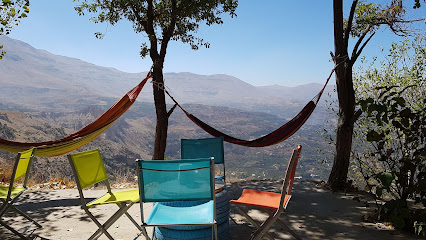
Paradise Cedars | Restaurant & Chalets
1.7 km
Discover culinary delights at Paradise Cedars in Bsharri, where exquisite Lebanese cuisine meets stunning natural beauty.
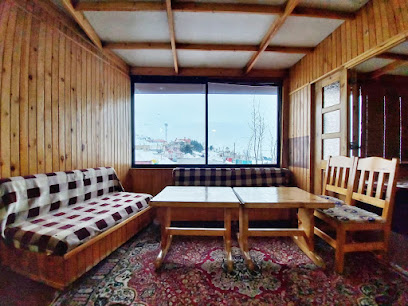
AVIA CEDARS
1.7 km
Experience exquisite Lebanese cuisine amidst the majestic beauty of Cedars of God at AVIA CEDARS.
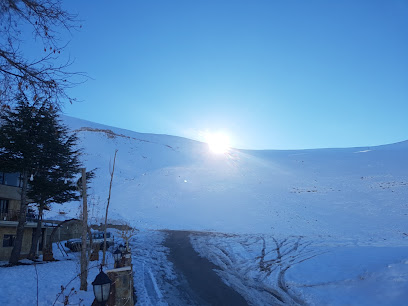
INCHIRAH RESTAURENT
1.8 km
Savor authentic Lebanese flavors amidst stunning mountain views at Inchirah Restaurant in Bsharri.
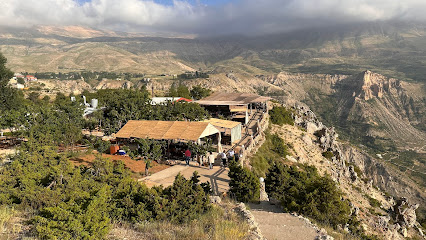
Cidars heaven resto
1.9 km
Discover Cedar's Heaven Resto in Bsharri - where exquisite Lebanese cuisine meets breathtaking mountain views for an unforgettable dining experience.
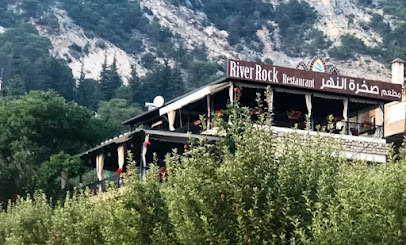
River Rock Restaurant مطعم صخرة النهر
2.7 km
Experience authentic Lebanese and Mediterranean cuisine at River Rock Restaurant in Bcharry—where flavor meets breathtaking views.
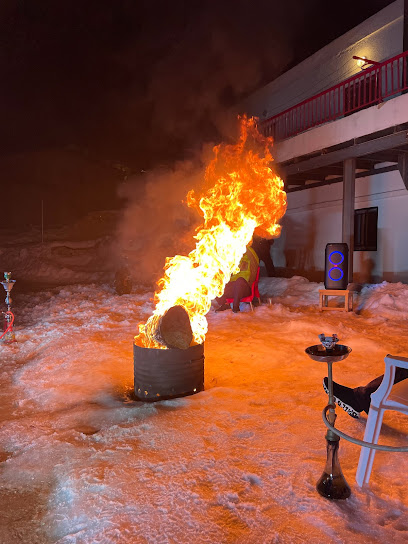
CHICHA café Restaurant
2.7 km
Discover authentic Lebanese flavors at CHICHA Café Restaurant in Bsharri - where culinary tradition meets breathtaking views.
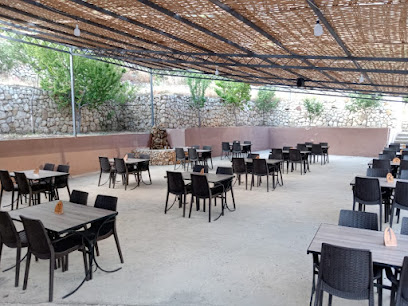
Sabbagh - Restaurant
2.7 km
Experience authentic Lebanese flavors at Sabbagh Restaurant in Bsharri – where tradition meets breathtaking mountain views.
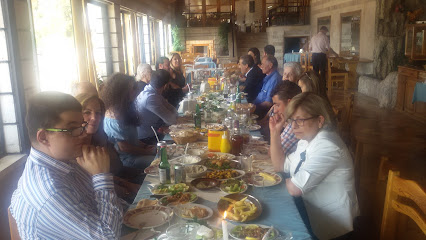
Markets, malls and hidden boutiques

Ariz souvenir shop street
0.2 km
Discover unique souvenirs and local crafts at Ariz Souvenir Shop Street, a vibrant hub of Lebanese culture and artistry.
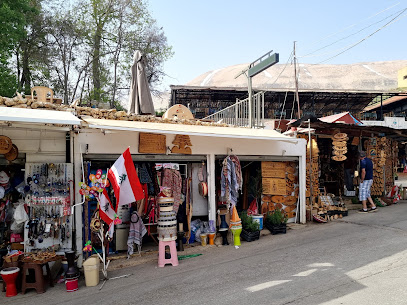
Cedart - Liliane
0.2 km
Explore Cedart - Liliane, the ultimate souvenir store in the Cedars of Lebanon, offering unique treasures that embody the spirit of Lebanese culture.
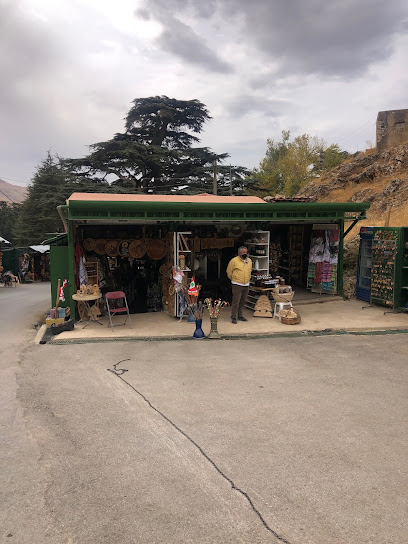
Al arz cedrium
0.6 km
Experience the charm of Al Arz Cedrium, a serene hotel in Bsharri, surrounded by ancient cedars and breathtaking mountain views.
Le Cedrus Boutique Hotel
0.7 km
Discover luxury and natural beauty at Le Cedrus Boutique Hotel, your serene getaway in the heart of Bsharri, Lebanon.
Janet Al Arez
1.9 km
Experience the essence of Lebanese cuisine at Janet Al Arez in Cedars, where every dish tells a story of tradition and flavor.
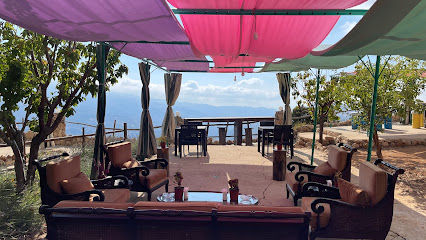
Bsharri Market
3.2 km
Discover the essence of Bsharri at the bustling market, where fresh produce meets local culture in a vibrant shopping experience.
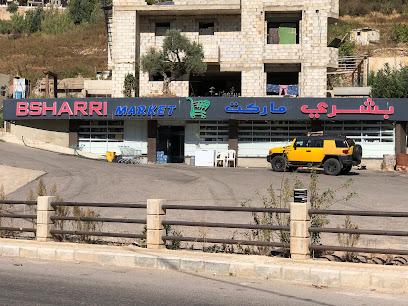
St. Georges - Pharmacy
3.3 km
Explore Bsharri with peace of mind at St. Georges Pharmacy, your trusted source for health and wellness products in Lebanon.
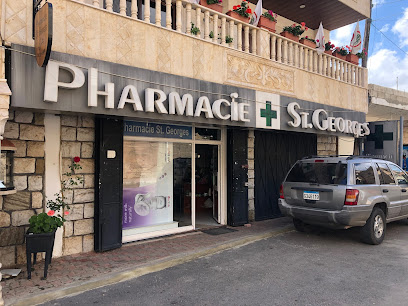
tawfeer supermarket saida
3.5 km
Explore Tawfeer Supermarket in Bsharri for unbeatable deals and a taste of local Lebanese cuisine amidst stunning mountain views.
Pharmacy St Charbel
3.5 km
Discover Pharmacy St Charbel in Bsharri, Lebanon - your trusted source for health and wellness essentials during your travels.
ASTRO GAMER
3.5 km
Experience the ultimate gaming adventure at ASTRO GAMER in Bsharri, Lebanon, with an extensive range of video games available for rental.
Abdou
3.5 km
Explore Abdou in Bsharri, a jewelry store offering exquisite handcrafted pieces, blending tradition and elegance in every design.
BASBOUS MARKET
3.5 km
Explore Basbous Market in Bsharri for an authentic taste of Lebanese culture with fresh produce, traditional delicacies, and local artisan goods.
Saeba gamil
3.5 km
Experience the vibrant flavors of Lebanon at Saeba Gamil, your go-to supermarket in Bsharri for local delicacies and fresh produce.
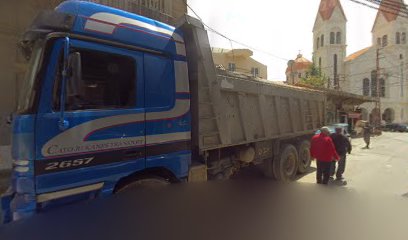
Fertaike - The Lebanese Fork
3.5 km
Explore authentic Lebanese flavors at Fertaike - The Lebanese Fork in Bsharri, offering natural goods that celebrate the region's rich culinary heritage.
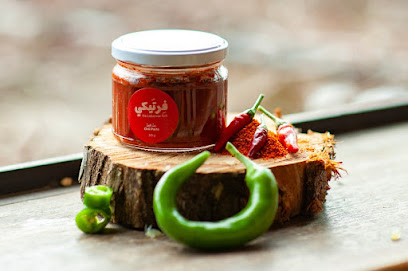
KAYOUSS MARKET
3.5 km
Discover the vibrant KAYOUSS MARKET in Bsharri for a unique shopping experience filled with local flavors and friendly faces.
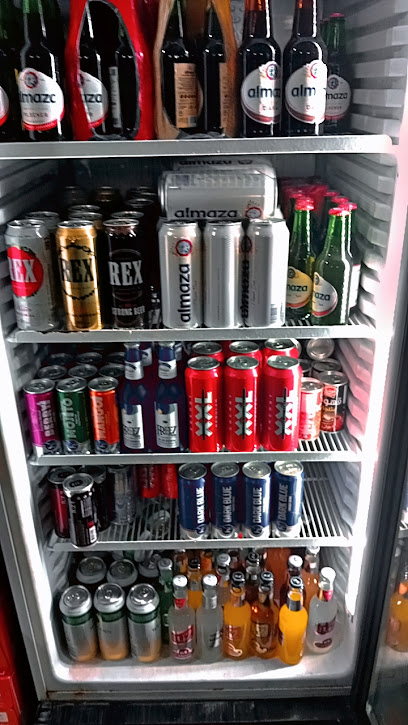
Essential bars & hidden hideouts

Zoofaa
1.0 km
Experience the lively atmosphere of Zoofaa, a premier pub in Baalbeck, perfect for drinks, socializing, and enjoying local culture.
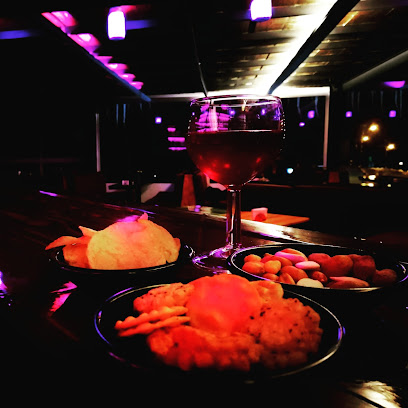
Heaven70seven
1.1 km
Discover the cozy charm of Heaven70seven, a top-rated bar and restaurant in Ariz offering delicious cuisine and a vibrant atmosphere.
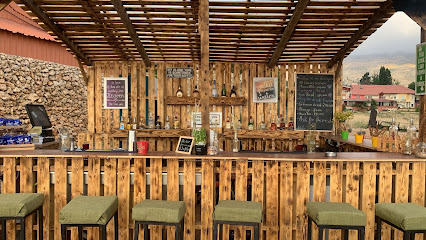
Vibes_lb_
3.0 km
Experience the vibrant atmosphere of Vibes_lb_ in Bsharri, where authentic Lebanese cuisine meets a lively pub ambiance.
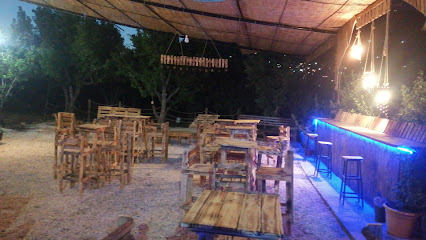
SnooBar
3.1 km
Experience the vibrant nightlife at SnooBar in Bsharri, where stunning views meet an eclectic drink selection and a welcoming atmosphere.
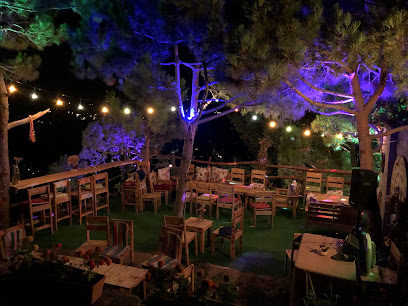
Cave Du Roi
3.6 km
Discover Cave Du Roi, a charming bar near Saint Saba Cathedral in Bsharri, where local drinks meet stunning views and a cozy atmosphere.
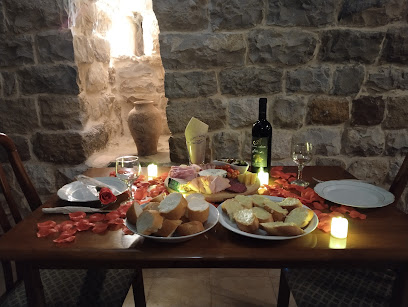
admin_beirut
3.6 km
Experience the cozy charm of Bsharri's favorite bar, offering delightful drinks in a stunning natural setting.
The Alpine Ale
3.9 km
Discover the warm ambiance and local flavors at The Alpine Ale in Bsharri, where craft beers meet traditional Lebanese cuisine.
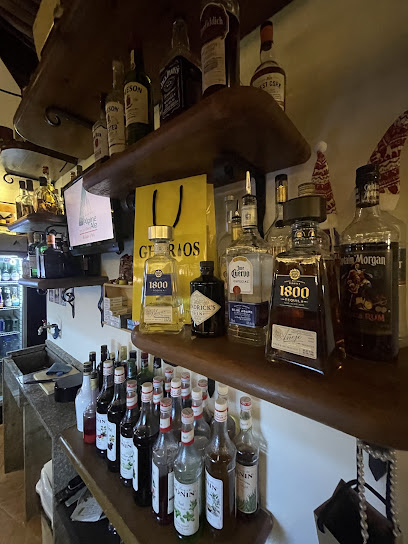
Grilla resto-bar
3.9 km
Experience the taste of Lebanon at Grilla Resto-Bar in Bsharri, where local flavors and breathtaking views come together for an unforgettable dining experience.
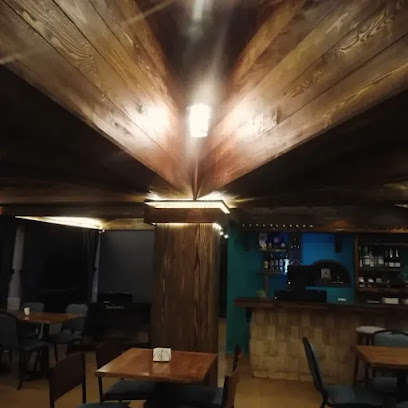
Borea
4.4 km
Experience the charm of Borea, a cozy bar in Bsharri, where local flavors meet breathtaking mountain views.
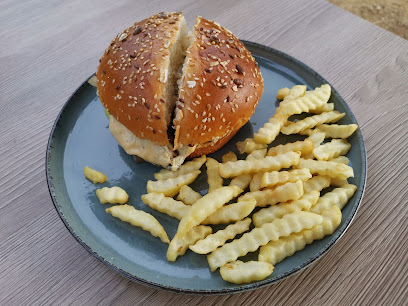
fruitbar
4.5 km
Discover the vibrant atmosphere of Fruitbar in Bsharri, where refreshing beverages and local culture unite for an unforgettable night out.
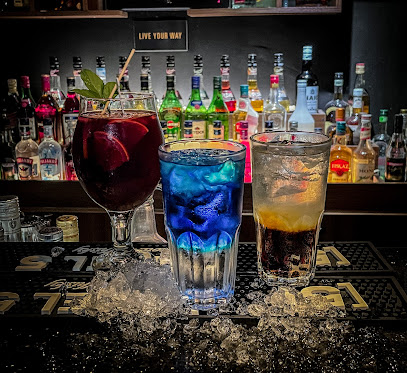
Masa Restaurant
4.5 km
Experience authentic Lebanese flavors and international delights at Masa Restaurant, nestled within the serene Samar Resort.
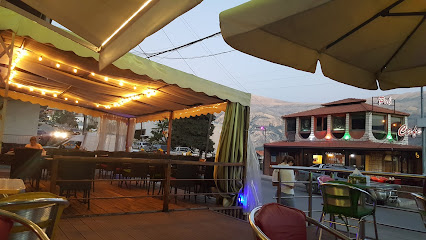
Jisr Al Kamar - Restaurant
4.6 km
Discover the flavors of Lebanon at Jisr Al Kamar Restaurant in Bsharri, where exceptional cuisine meets stunning views.
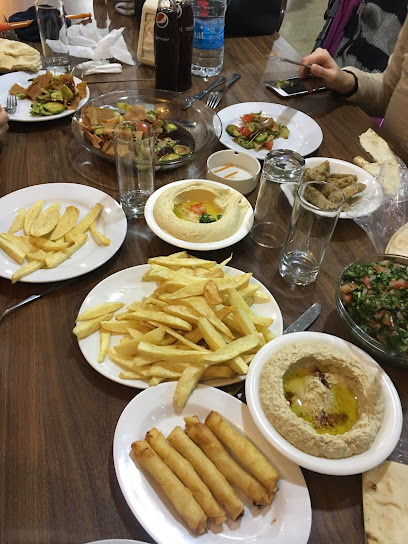
Muse bar
4.6 km
Experience breathtaking sunsets and vibrant nightlife at Muse Bar, the ultimate destination for relaxation and enjoyment in Bsharri.
Lacasa de nieve
4.6 km
Experience the vibrant nightlife at Lacasa de nieve in Bsharri, Lebanon, a bar offering unique drinks and a cozy atmosphere for travelers.
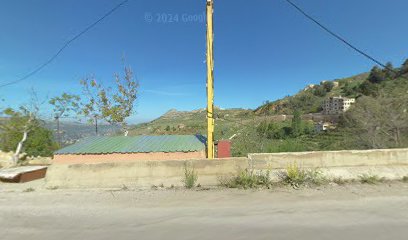
Atlal - Restaurant
4.6 km
Discover the authentic flavors of Lebanon at Atlal, a cozy restaurant in Bsharri, offering a delightful culinary experience with stunning views.
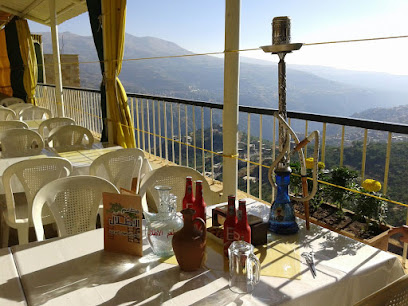
Nightclubs & after hour spots

White Cedar Hotel & Resort
0.6 km
Experience luxury and vibrant nightlife at White Cedar Hotel & Resort in stunning Cedars, North Lebanon, perfect for relaxation and adventure.
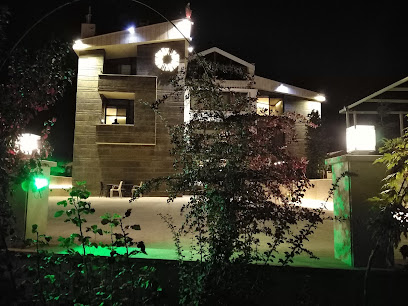
Raven Club
6.4 km
Experience the electrifying nightlife at Raven Club in Lebanon, where music, dance, and culture unite for an unforgettable evening.
Enchanted - Lounge Bar
7.7 km
Experience the enchanting vibes of Ehden's nightlife at the Enchanted Lounge Bar, where exquisite drinks and a warm atmosphere await.
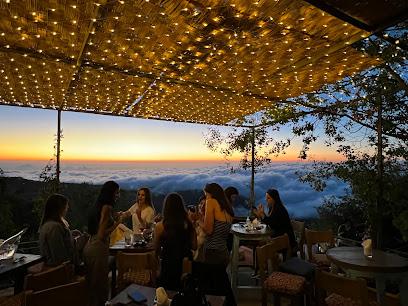
Obar Ehden
7.9 km
Dive into the energetic nightlife at Obar Ehden, where music, dancing, and vibrant atmosphere create unforgettable memories.
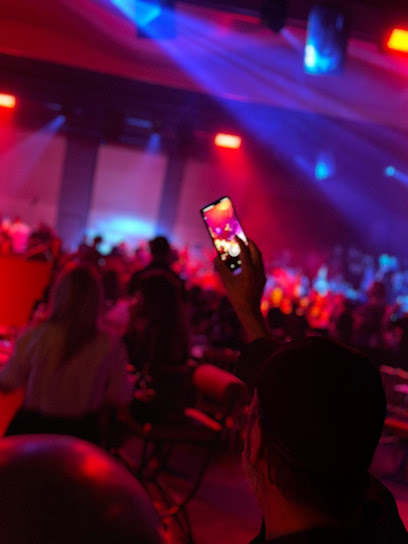
Loui’s Bar
9.0 km
Discover the lively atmosphere of Loui's Bar in Ehden, where delicious drinks and unforgettable nights await you.
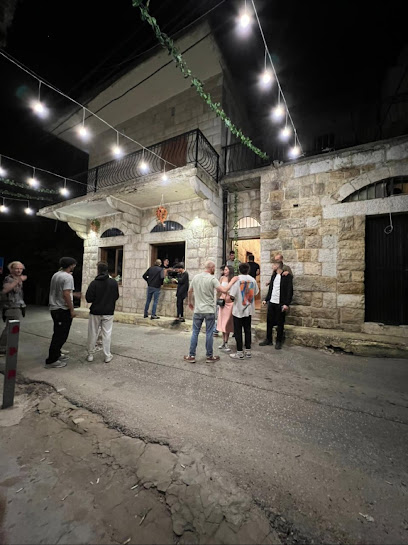
Ocean Night Club
9.1 km
Discover the ultimate nightlife experience at Ocean Night Club, where the beats are infectious and the atmosphere is electrifying.
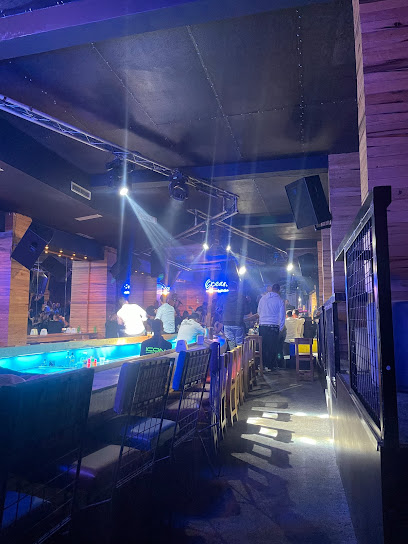
Minus Pub
9.1 km
Discover the vibrant nightlife of Ehden at Minus Pub, where crafted cocktails and live music create unforgettable evenings.
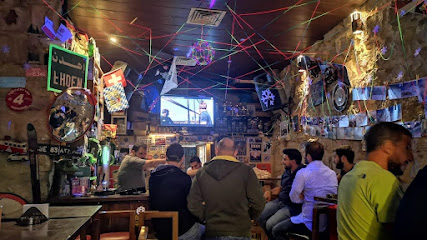
Label ehden
9.7 km
Discover the electrifying nightlife at Label Ehden, where music, dance, and unforgettable moments await in the heart of Lebanon's mountains.
Joker's lounge bar
9.8 km
Experience vibrant nightlife at Joker's Lounge Bar in Ehden, Lebanon - a lively venue for drinks, music, and unforgettable memories.
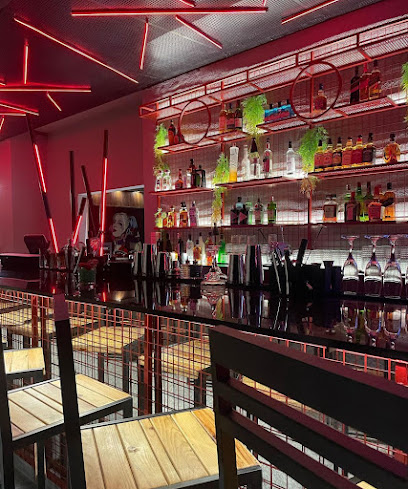
Vee Lounge
9.8 km
Experience the vibrant nightlife of Ehden at Vee Lounge, where stylish ambiance meets exquisite drinks and unforgettable moments.
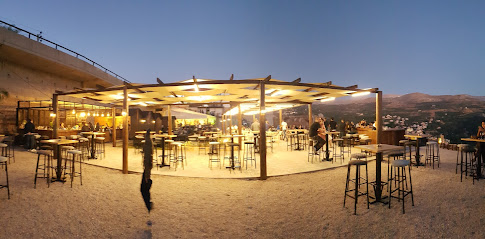
Cloud 9
9.9 km
Discover the vibrant nightlife of Cloud 9 in Ehden, where breathtaking views and great drinks create unforgettable moments.
Bhava
9.9 km
Discover Bhava: Ehden's lively bar offering a perfect blend of music, cocktails, and a vibrant atmosphere for unforgettable nights.
War & Peace hotel - nightClub
14.1 km
Discover the electrifying nightlife at War & Peace Hotel NightClub in Kfar Hatta, where vibrant music meets exceptional hospitality.
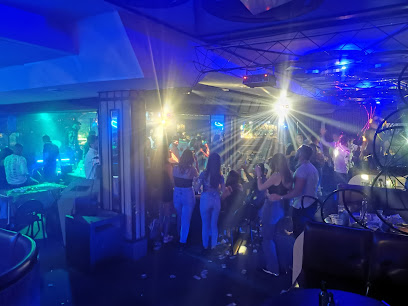
Chamoun gaming lounge/bar
15.2 km
Experience the vibrant nightlife at Chamoun Gaming Lounge & Bar in Aabdine, where gaming meets socializing in a captivating atmosphere.
Zouzou Bar
18.1 km
Experience the vibrant nightlife at Zouzou Bar in Rechdebine, where music, dance, and unforgettable cocktails come together for an exhilarating night out.