
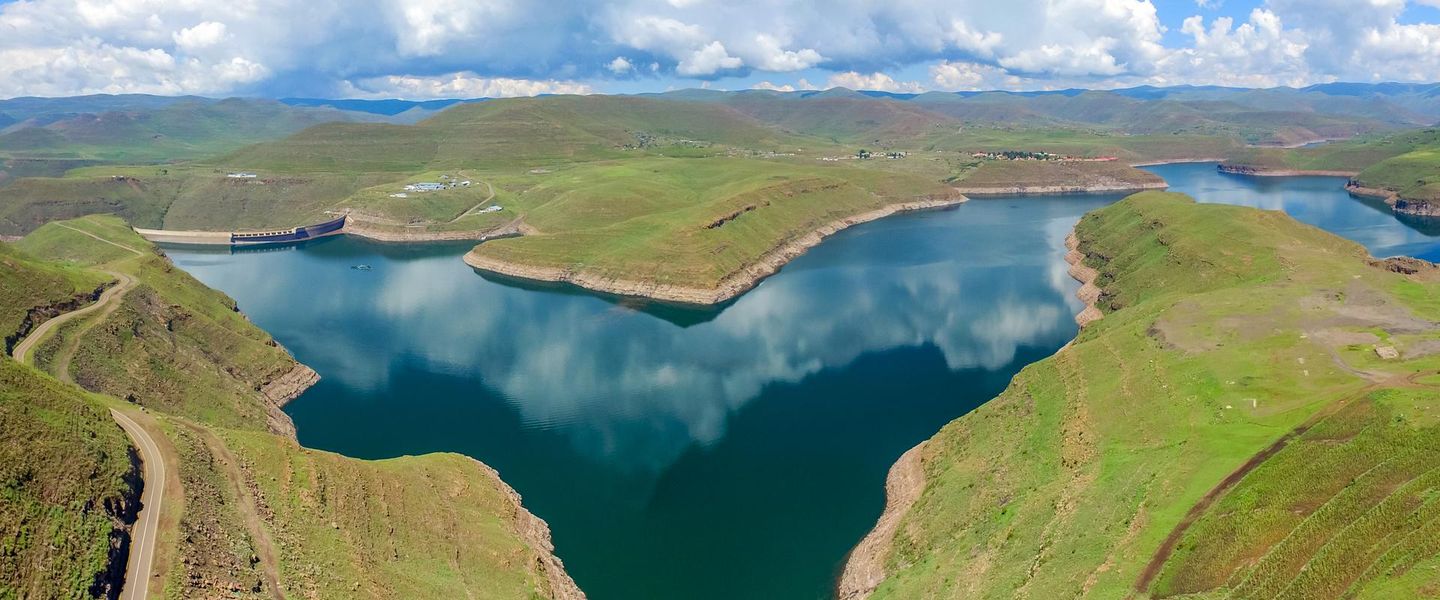
Butha-Buthe, Lesotho Travel Guide
Discover Butha-Buthe: Lesotho's gateway to the stunning Maloti Mountains, rich in culture, history, and outdoor adventures. Perfect for nature lovers and cultural enthusiasts alike.
Nestled in the northern part of Lesotho, Butha-Buthe is a charming town that serves as the gateway to the breathtaking Maloti Mountains. This town, surrounded by rolling hills and dramatic landscapes, offers a unique blend of natural beauty and cultural heritage. Butha-Buthe is renowned for its friendly locals and vibrant community life. The local markets are a hive of activity, where you can find an array of handcrafted goods, traditional Basotho blankets, and fresh produce. The town's name, which means 'Place of Lying Down,' hints at its tranquil and laid-back atmosphere, making it a perfect escape from the hustle and bustle of city life. Outdoor enthusiasts will find plenty to do in Butha-Buthe. The nearby Maloti Mountains provide excellent opportunities for hiking, bird-watching, and exploring ancient rock art. For those interested in history and culture, a visit to the Butha-Buthe Plateau is a must. This historical site offers panoramic views of the surrounding countryside and insights into the region's past. Whether you're an adventurer seeking thrills in the great outdoors or a traveler looking to immerse yourself in local culture, Butha-Buthe offers something for everyone. Its unique blend of natural beauty, history, and community spirit makes it a destination worth exploring.

Know before you go
Hi, I'm Eve. Here are a few practical things to know before exploring Butha-Buthe.
- Visit the local markets early in the morning for the best selection of fresh produce and handmade crafts.
- Bring comfortable hiking shoes to explore the Maloti Mountains and discover ancient rock art.
- Make time to visit the Butha-Buthe Plateau for panoramic views and historical insights into the region.
- Engage with the friendly locals to learn about Basotho culture and traditions.
- Consider staying in a local guesthouse to fully experience the town's hospitality and charm.
Explore Butha-Buthe: Things to Do, Places to Eat, Hotels & More
Handpicked recommendations for top attractions, local dining, accommodations, and more

Best attractions in Butha-Buthe
Top-rated picks
Best Attractions
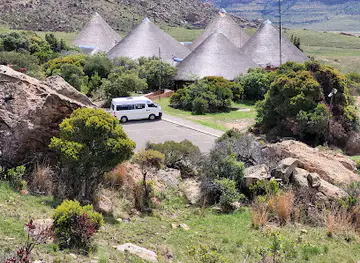
Basotho Cultural Village
Experience the vibrant Basotho culture at this living museum in the Golden Gate Highlands National Park, South Africa.

Destiny Castle in Fouriesburg
Discover a medieval-style castle in South Africa's Free State: breathtaking views, luxurious accommodation, and a unique historical experience.

Tsehlanyane national park
Discover Lesotho's natural beauty in Tsehlanyane National Park: hiking, birdwatching, and breathtaking mountain views await!

Thimuli Cave
Discover the breathtaking rock formations and serene ambiance of Thimuli Cave, a hidden natural wonder in South Africa's Maluti Mountains.

Best landmarks in Butha-Buthe
Top-rated picks
Best Landmarks

Maliba Lodge
Discover the perfect blend of luxury and adventure at Maliba Lodge in the stunning Lesotho mountains, ideal for nature lovers and relaxation seekers.

Qhanolla Guest House
Discover the warmth of Basotho hospitality at Qhanolla Guest House in Butha Buthe, where comfort meets cultural immersion.

Liphofung Cave,chalets
Explore Liphofung Cave in Khukhune, Lesotho – a natural wonder filled with stunning geology and rich cultural history.

Moroeroe lodge
Discover the tranquility of Moroeroe Lodge in Butha Buthe, a perfect blend of comfort and nature for unforgettable travel experiences.

Best restaurants in Butha-Buthe
Top-rated picks
Best Restaurants

Di Plaasstoep Restaurant
Experience authentic South African cuisine at Di Plaasstoep Restaurant in Fouriesburg – where flavor meets hospitality in a stunning setting.

Maliba Lodge
Discover unparalleled luxury and natural beauty at Maliba Lodge in Lesotho – your perfect escape into nature's embrace.
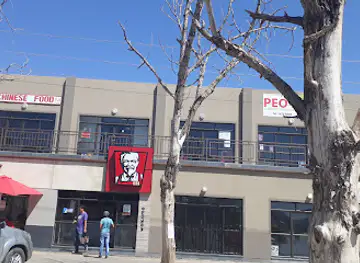
KFC Butha-Buthe
Experience the iconic taste of KFC in Butha-Buthe with delicious fried chicken and quick service perfect for busy travelers.

Le Rook's Cafe
Experience the heart of Hlotse at Le Rook's Cafe - where delicious meals meet warm hospitality in an inviting atmosphere.

Best bars in Butha-Buthe
Top-rated picks
Best Bars

Qhanolla Guest House
Discover the warmth of Lesotho at Qhanolla Guest House, where comfort meets local charm amidst stunning natural landscapes.

KFC Butha-Buthe
Savor the iconic taste of KFC in Butha Buthe, where crispy chicken and local hospitality meet in a fast-food haven.
Moroeroe lodge
Discover tranquility at Moroeroe Lodge in Butha Buthe, where comfort meets the stunning landscapes of Lesotho.

Maluti Mountain Brewery
Discover the essence of Lesotho with locally crafted brews at Maluti Mountain Brewery, where flavor meets community in a breathtaking setting.

Best nightclubs in Butha-Buthe
Top-rated picks
Best Nightclubs

Butha-Buthe, Lipelaneng {#carlifornia}
Discover Butha-Buthe's vibrant nightlife at the premier dance club, where music and culture blend for an unforgettable experience.

Dancing Bean Cafe
Experience the warm hospitality and local flavors at Dancing Bean Cafe in Butha Buthe, a charming pub perfect for relaxation and socializing.

Black Box Pub & GRILL
Discover the vibrant nightlife and delicious cuisine at Black Box Pub & Grill in Butha Buthe, where friends and flavors come together.

Black Box Night Club
Dive into Butha Buthe's nightlife at Black Box Night Club, where music, dance, and fun create unforgettable moments!

Best shops in Butha-Buthe
Top-rated picks
Best Shops

Anwary's Supermarket
Explore the vibrant local culture at Anwary's Supermarket in Butha Buthe, where fresh produce and unique South African products await.

Boloka Building Material
Explore Boloka Building Material in Butha Buthe, where quality hardware meets friendly service and local craftsmanship.

Usave Butha Buthe
Discover local flavors and essentials at Usave Butha Buthe, your go-to grocery store in the heart of Lesotho.

Village Walk
Experience the charm of Butha Buthe at Village Walk, a vibrant shopping mall filled with local culture, shops, and delicious dining options.

Explore Butha-Buthe on the Map
A handpicked selection of must-see spots in Butha-Buthe, mapped for you.
Butha-Buthe Essentials
-
Butha-Buthe is located in the northern part of Lesotho, near the border with South Africa. The closest major airport is Moshoeshoe I International Airport in Maseru, approximately 125 kilometers away. From Maseru, you can take a taxi or rental car to Butha-Buthe, which typically takes around 2 to 3 hours by road. Alternatively, you can cross the border from South Africa via the Caledonspoort border post, which is only a few kilometers from Butha-Buthe.
-
Butha-Buthe is a small town, and many attractions are within walking distance. For longer distances, local taxis and minibuses (known as kombis) are readily available and relatively affordable. If you prefer more flexibility, renting a car is a convenient option for exploring the surrounding areas. While public transportation is available, schedules can be irregular, so plan accordingly.
-
The official currency of Lesotho is the Lesotho Loti (LSL), which is pegged to the South African Rand (ZAR). Both currencies are accepted interchangeably in Butha-Buthe. Credit cards are increasingly accepted in hotels, restaurants, and larger shops, but it is advisable to carry cash for smaller establishments and rural areas. ATMs are available in Butha-Buthe, but ensure you have sufficient cash before traveling to more remote areas.
-
Butha-Buthe is generally a safe destination for tourists, but it's important to take standard precautions. Avoid walking alone at night in unfamiliar areas and keep an eye on your belongings in crowded places. While there are no specific high-crime areas targeting tourists, it is always best to stay vigilant and aware of your surroundings. Petty theft can occur, so keep valuables secure.
-
In case of emergency, dial 112 for immediate assistance. The local police station and medical facilities are available in Butha-Buthe. It is recommended to have travel insurance that covers medical emergencies. For minor health issues, there are pharmacies in the town where you can purchase over-the-counter medications. Additionally, it's useful to know the location of the nearest hospital or clinic.
-
Fashion: Do dress modestly, especially when visiting religious or traditional sites. Avoid wearing revealing clothing. Religion: Do respect local customs and traditions. Always ask for permission before taking photos of people or religious sites. Public Transport: Do be respectful and give up your seat to elderly passengers. Don't eat or drink on public transport. Greetings: Do greet people with a handshake, but wait for the other person to extend their hand first. A slight bow of the head is also a sign of respect. Eating & Drinking: Do try local delicacies and accept food offerings graciously. Don't refuse hospitality, as it is considered impolite.
-
To experience Butha-Buthe like a local, visit the local markets where you can buy fresh produce and traditional Basotho goods. Engage with locals, as they are often friendly and willing to share stories about the town's history and culture. Don't miss visiting the nearby Maluti Mountains for hiking and breathtaking views. For a unique experience, attend a traditional Basotho cultural event or music festival if your visit coincides with one.
When is the best time to visit Butha-Buthe?
Useful Local Phrases for Butha-Buthe
You don't need to speak the language perfectly. Even learning a few simple words can make conversations warmer—and locals usually appreciate the effort.
— Eve

Here are the phrases I use most often in Butha-Buthe. Try a few—you'll be surprised how far they go! 😊
❤️
-
- HelloLumela
[loo-meh-lah] - GoodbyeTsamaya hantle
[tsah-mah-yah hahn-tleh] - YesEa
[eh-ah] - NoChe
[chay] - Please/You're welcomeKa khotso
[kah khoh-tsoh] - Thank youKea leboha
[keh leh-boh-hah] - Excuse me/SorryKe kopa litsebele
[keh koh-pah leet-seh-beh-leh] - How are you?U phela joang?
[oo peh-lah jwahng] - Fine. And you?Ke phela hantle. Le wena?
[keh peh-lah hahn-tleh. leh weh-nah] - Do you speak English?Na u bua setsoalo sa English?
[nah oo boo-ah seht-soh-ah-loh sah English] - I don't understandHa ke utloa
[hah keh ooh-tloh-ah]
- HelloLumela
-
- I'd like to see the menu, pleaseKe kopa ho bona menu, kuhle
[keh koh-pah hoh boh-nah meh-noo, koo-hleh] - I don't eat meatHa ke ea nyama
[hah keh ay-ah nyah-mah] - Cheers!Tsotella!
[tsoh-teh-lah] - I would like to pay, pleaseKe kopa ho fumana, kuhle
[keh koh-pah hoh foo-mah-nah, koo-hleh]
- I'd like to see the menu, pleaseKe kopa ho bona menu, kuhle
-
- Help!Thuso!
[too-soh] - Go away!Hoa!
[hoh-ah] - Call the Police!Bula polasi!
[boo-lah poh-lah-see] - Call a doctor!Bula moruti!
[boo-lah moh-roo-tee] - I'm lostKe ile ka khotha
[keh ee-leh kah kho-tah] - I'm illKe hobane
[keh hoh-bah-neh]
- Help!Thuso!
-
- I'd like to buy...Ke kopa ho rekisa...
[keh koh-pah hoh reh-kee-sah] - I'm just lookingKe kopa ho bona chelete
[keh koh-pah hoh boh-nah chay-leh-teh] - How much is it?Ke bokae?
[keh boh-kah-eh] - That's too expensiveEna ke e nchafu
[eh-nah keh eh nchah-foo] - Can you lower the price?Na o fumana pampiri e khutšo?
[nah oh foo-mah-nah pahm-pee-ree eh khooh-tsoh]
- I'd like to buy...Ke kopa ho rekisa...
-
- What time is it?Ke kae nako?
[keh kah-eh nah-koh] - It's one o'clockKe nako ya ho tsehla
[keh nah-koh yah hoh tseh-lah] - Half past (10)Mokete e khutso (10)
[moh-keh-teh eh khooh-tsoh (10)] - MorningBoholo
[boh-hoh-loh] - AfternoonE mong
[eh moh-ng] - EveningMotsama
[moh-tsah-mah] - YesterdayNaha
[nah-hah] - TodayNamuhla
[nah-moo-hlah] - TomorrowBoholo ba khale
[boh-hoh-loh bah kha-leh] - 1Mokhoro
[moh-koh-roh] - 2Puo
[poo-oh] - 3Tharo
[tah-roh] - 4Nne
[nneh] - 5Hlano
[hlah-noh] - 6Tlhatso
[tlah-tsoh] - 7Mošušu
[moh-shoo-shoo] - 8Sebete
[seh-beh-teh] - 9Setereke
[seh-teh-reh-keh] - 10Lesome
[leh-soh-meh]
- What time is it?Ke kae nako?
-
- Where's a/the...?Kae e...
[kah-eh eh...] - What's the address?Na ha lebitso la motse?
[nah hah leh-bee-tsoh lah moht-seh] - Can you show me (on the map)?Na o nka bo iketsa (ka mokhethi)?
[nah oh ng-kah boh ee-keh-tsah (kah moh-kheh-tee)] - When's the next (bus)?Ke nako efe (baas) e tla?
[keh nah-koh eh-feh (bahs) eh tlah] - A ticket (to ....)Litsela (ho ....)
[leet-seh-lah (hoh)]
- Where's a/the...?Kae e...
History of Butha-Buthe
-
Butha-Buthe, named after the mountain of the same name, was founded in the early 19th century by King Moshoeshoe I. Originally, the site served as a strategic fortress against the Zulu and other hostile forces. The mountain's natural defenses made it an ideal location for Moshoeshoe I to protect his people and establish the Basotho nation.
-
During his time at Butha-Buthe, Moshoeshoe I implemented various defensive strategies, such as building stone walls and creating hidden escape routes. These defenses played a crucial role in repelling attacks from the Zulu King Shaka's forces and other adversaries. The success of these strategies cemented Moshoeshoe I's reputation as a shrewd and capable leader.
-
In 1824, Moshoeshoe I decided to move his stronghold from Butha-Buthe to the more defensible Thaba Bosiu mountain. This relocation marked a significant shift in the history of Butha-Buthe, as it transitioned from a central seat of power to a regional stronghold. Thaba Bosiu would later become the heart of the Basotho kingdom.
-
During the colonial era, Butha-Buthe played a role in the broader context of Lesotho's history. The area experienced various administrative changes under British rule, and it became part of the larger narrative of resistance and adaptation by the Basotho people. The colonial influence can still be seen in some of the architectural and cultural elements present in Butha-Buthe today.
-
After Lesotho gained independence from British rule in 1966, Butha-Buthe began to develop as a modern town. Infrastructure improvements, such as the construction of roads, schools, and healthcare facilities, contributed to the town's growth. Today, Butha-Buthe serves as a key commercial and administrative center in northern Lesotho, while still retaining its historical significance.
-
Butha-Buthe is rich in cultural heritage, with traditions that have been passed down through generations. The local community continues to celebrate traditional Basotho customs, such as the wearing of the Basotho blanket and the performance of traditional songs and dances. These cultural practices offer a glimpse into the vibrant history and identity of the Basotho people.
Cities near Butha-Buthe
The closest cities to Butha-Buthe, if you have time for more than one stop.


Your all‑in‑one travel companion app
Explore expert travel guides, compare and book tours, experiences, hotels, and more—all from the palm of your hand. Download now for seamless trip planning wherever your wanderlust takes you.


Butha-Buthe in Photos
Browse through our photo collection highlighting the charm and character of the destination.
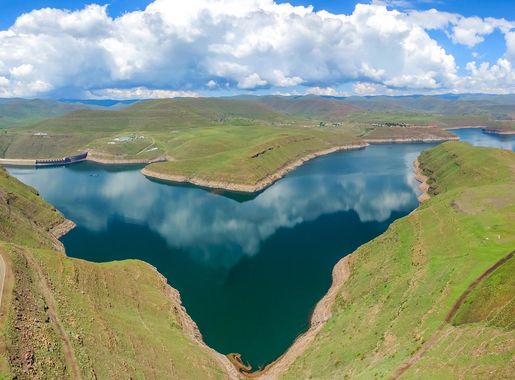


Butha-Buthe: The Gateway to Lesotho's Highlands
Nestled in the northern part of Lesotho, Butha-Buthe is a charming town that serves as the gateway to the breathtaking Maloti Mountains. This town, surrounded by rolling hills and dramatic landscapes, offers a unique blend of natural beauty and cultural heritage. Butha-Buthe is renowned for its friendly locals and vibrant community life. The local markets are a hive of activity, where you can find an array of handcrafted goods, traditional Basotho blankets, and fresh produce. The town's name, which means 'Place of Lying Down,' hints at its tranquil and laid-back atmosphere, making it a perfect escape from the hustle and bustle of city life. Outdoor enthusiasts will find plenty to do in Butha-Buthe. The nearby Maloti Mountains provide excellent opportunities for hiking, bird-watching, and exploring ancient rock art. For those interested in history and culture, a visit to the Butha-Buthe Plateau is a must. This historical site offers panoramic views of the surrounding countryside and insights into the region's past. Whether you're an adventurer seeking thrills in the great outdoors or a traveler looking to immerse yourself in local culture, Butha-Buthe offers something for everyone. Its unique blend of natural beauty, history, and community spirit makes it a destination worth exploring.
Explore More of Lesotho

Looking beyond Butha-Buthe? Discover Lesotho for broader travel guides, local hot-spots, and regional highlights.
Explore Lesotho