

Free Thaba-Tseka Travel Guide & Mobile App
Plan your Thaba-Tseka trip with Evendo. Get free guides to top attractions, restaurants, hotels, and bars. Web access or download the mobile app.


Thaba-Tseka, Lesotho, offers highland scenery, Basotho culture, mountain roads and a gateway to Katse Dam and the remote Maloti mountain landscape.
A Highland Administrative Centre
Thaba-Tseka is the principal town of Lesotho’s eastern-central Thaba-Tseka District, set among broad uplands and rugged ranges of the Maloti Mountains. At an elevation of roughly 2,200 metres, it has a crisp mountain climate, open horizons and a markedly quieter atmosphere than Maseru. The town functions chiefly as a regional service and administration centre, with government offices, schools, shops, churches and a modest local market rather than a dense concentration of conventional tourist attractions.Read more about Thaba-Tseka
Landscape and Basotho Life
Gateway to the Maloti Highlands
When is the best time to visit Thaba-Tseka?
Best: January–March · 23–26°C| Month | High (°C) | Rainfall (mm) |
|---|---|---|
| January (best) | 26 | 120 |
| February (best) | 24 | 111 |
| March (best) | 23 | 101 |
| April | 20 | 91 |
| May | 17 | 81 |
| June | 13 | 71 |
| July | 13 | 62 |
| August | 11 | 52 |
| September | 9 | 42 |
| October | 6 | 32 |
| November | 5 | 22 |
| December | 3 | 13 |
Getting to and around Thaba-Tseka
How to get there
Transportation
Best attractions in Thaba-Tseka
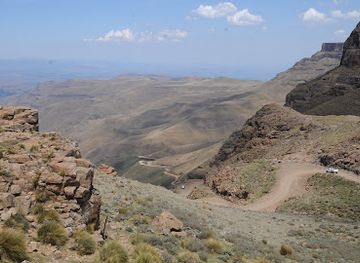
Thaba-Tseka’s principal attraction is the highland setting itself: open plateaux, folded ridges and valleys where scattered Basotho villages sit beside grazing land. The town’s market and central streets provide a grounded introduction to local commerce, woollen clothing and the practical rhythm of a district centre. For a wider excursion, Katse Dam lies in the surrounding Thaba-Tseka highlands, where the vast reservoir, engineered dam wall and steep mountain scenery show how the Lesotho Highlands Water Project has reshaped the region. Nearby Katse Botanical Garden preserves plants from Lesotho’s mountain habitats and offers a more focused way to understand the local flora. Rural roads and village approaches reveal traditional rondavels, livestock and changing patterns of settlement, although visits should be arranged respectfully. The appeal is less a concentration of museums or monuments than the combination of altitude, infrastructure, working communities and dramatic Maloti scenery.
-
Tourist attraction
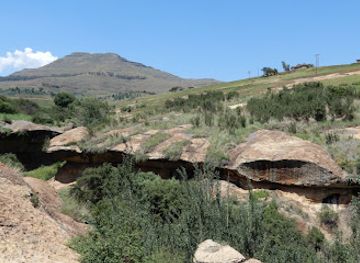
Liphofung Cave,chalets
Explore ancient San rock art and Basotho heritage at Liphofung Cave, a historically significant site in the heart of Lesotho.
1 h 46 min drive · 86 km from city centre
-
Tourist attraction
Maletsunyane Information Centre
Explore Lesotho's natural wonders and Basotho culture at the Maletsunyane Information Centre, your gateway to the majestic Maletsunyane Falls.
1 h 27 min drive · 67 km from city centre
-
Weir
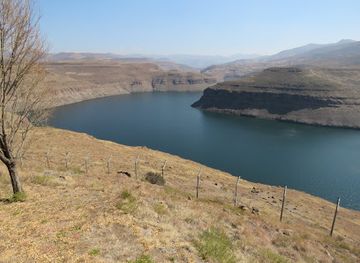
Katse Dam
Discover Katse Dam: A marvel of engineering in Lesotho's highlands, providing water and wonder in equal measure.
43 min drive · 23 km from city centre
-
National park
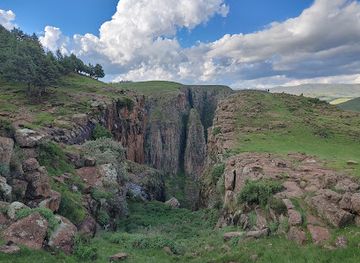
Bokong Nature Reserve
Discover Lesotho's highlands at Bokong Nature Reserve: breathtaking views, hiking trails, and the mesmerizing Lepaqoa Waterfall.
44 min drive · 24 km from city centre

Best landmarks in Thaba-Tseka
The most significant landmarks associated with Thaba-Tseka are tied to landscape, administration and modern water engineering. The town’s district-government precinct represents its role as the administrative centre for a large, sparsely settled mountain region, while the surrounding Maloti ridges provide the defining natural framework. In the wider district, Katse Dam is the strongest architectural landmark: its immense concrete structure and reservoir belong to the Lesotho Highlands Water Project, linking local geography to a major cross-border water scheme. Katse Botanical Garden, near the dam, adds a cultural and environmental dimension by presenting mountain plants in a carefully maintained setting. Traditional Basotho rondavels and village layouts are not isolated monuments, but are important vernacular features of the landscape. Their value lies in showing how settlement, livestock and architecture have adapted to the demanding highland environment.
-
 Lodge
Katse Lodge
Discover the beauty of Bokong, South Africa, at Katse Lodge, your serene retreat amidst stunning landscapes and rich cultural experiences.
45 min drive · 25 km from city centre
-
Tourist attraction
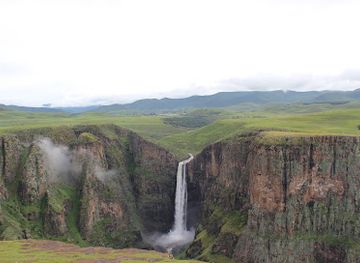
Maletsunyane Falls
Discover the breathtaking beauty of Maletsunyane Falls, a must-see natural wonder in Semonkong, Lesotho, perfect for adventure and photography.
1 h 26 min drive · 66 km from city centre
-
Border crossing station
Sani Pass Border Control (Lesotho)
Discover the breathtaking landscapes and rich culture at Sani Pass Border Control, your gateway to the majestic mountains of Lesotho.
1 h 26 min drive · 66 km from city centre
-
Guest house
Qhanolla Guest House
Discover the warmth and charm of Qhanolla Guest House, your perfect base for exploring the scenic beauty and rich culture of Butha Buthe, Lesotho.
1 h 52 min drive · 92 km from city centre
Explore Thaba-Tseka on the map
Plan your Thaba-Tseka trip on one map. See where the top attractions, landmarks, restaurants, bars and hotels are, find what's near where you're staying, and book hotels and experiences in a few clicks.
Best hotels in Thaba-Tseka
Best restaurants in Thaba-Tseka
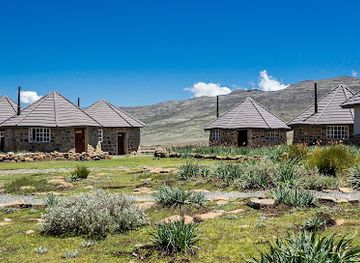
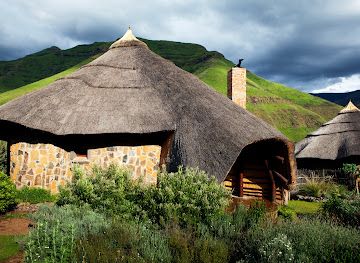
Dining in Thaba-Tseka is generally informal and locally oriented, with small cafés, takeaway counters, guesthouse kitchens and shops supplying the essentials rather than a large restaurant district. Everyday Basotho food may include papa, a maize-meal staple, served with vegetables, beans, meat or relishes, while grilled meat and simple stews are common in casual settings. Lesotho’s highland economy is reflected in the availability of mutton and dairy products, and wool and mohair are more important cultural products than culinary ones. Visitors should expect straightforward meals, tea and soft drinks, with menus and opening times varying by establishment. The market and small food sellers are useful for snacks and provisions, but travellers heading into remote areas should carry water and supplies. Formal dining is more likely at accommodation around the town or near Katse than in a dedicated central restaurant quarter.
-
Restaurant
Sani Mountain Lodge
Experience breathtaking views and local flavors at Sani Mountain Lodge – your gateway to adventure in the Drakensberg mountains.
1 h 26 min drive · 66 km from city centre
-
Restaurant
Maliba Lodge
Experience luxury amidst nature at Maliba Lodge - your ultimate escape in Lesotho's breathtaking landscapes.
1 h 30 min drive · 70 km from city centre
-
Lodge
Katse Lodge
Experience breathtaking views and cozy accommodations at Katse Lodge in Bokong, your gateway to South Africa's majestic highlands.
45 min drive · 25 km from city centre
-
Restaurant
Motherland Guest House
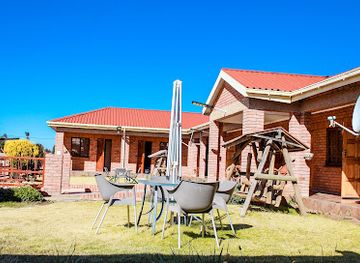
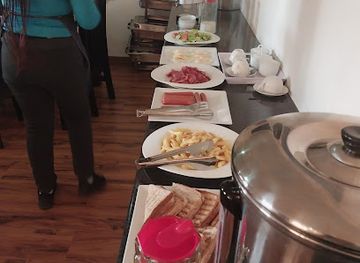
Discover the beauty of Thaba-Tseka at Motherland Guest House – your cozy retreat with delicious dining options.
14 min walk · 1.1 km from city centre
Best bars in Thaba-Tseka
Thaba-Tseka has a modest evening scene rather than a purpose-built nightlife district. Local bars and shebeens provide informal meeting places for residents, while some guesthouses have lounges or offer dinner and drinks to staying guests. Evenings may feature conversation, music and televised sport more often than organised club entertainment. In rural areas around the town, nightlife is limited and distances, darkness and mountain roads make returning late unattractive. Visitors should use trusted transport, avoid displaying cash and respect the atmosphere of local venues rather than expecting an international-style bar circuit. Churches and community gatherings are also important parts of social life in the district, and cultural music may be encountered at local events or celebrations rather than on a regular commercial stage. Alcohol should be consumed discreetly and never combined with driving on highland roads.
-
Lodging
Mohale Oa Masite Hotel
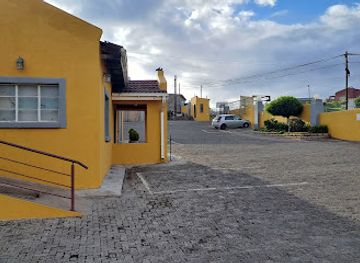
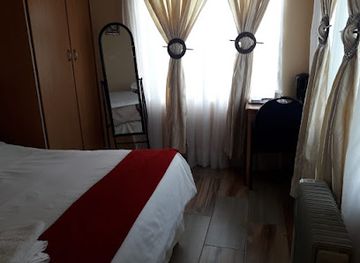
Discover the beauty of Thaba-Tseka while enjoying a comfortable stay at Mohale Oa Masite Hotel, where warm hospitality meets the charm of Lesotho.
14 min walk · 1.2 km from city centre
-
Lodging
Sisters of Charity Guesthouse
Discover serenity at Sisters of Charity Guesthouse in Thaba-Tseka, where comfort meets the breathtaking beauty of Lesotho's landscapes.
17 min walk · 1.4 km from city centre
-
Hotel
Nchebeng Guest House
Discover comfort and adventure at Nchebeng Guest House, your perfect base in Thaba-Tseka, Lesotho for exploring breathtaking landscapes.
12 min walk · 1.0 km from city centre
-
Grill
Lethaha public bar
Discover the flavors of Lesotho at Lethaha Public Bar, where traditional grill dishes meet a warm, inviting atmosphere in Thaba-Tseka.
2 min walk · 0.1 km from city centre
Best nightclubs in Thaba-Tseka
Thaba-Tseka has a modest evening scene rather than a purpose-built nightlife district. Local bars and shebeens provide informal meeting places for residents, while some guesthouses have lounges or offer dinner and drinks to staying guests. Evenings may feature conversation, music and televised sport more often than organised club entertainment. In rural areas around the town, nightlife is limited and distances, darkness and mountain roads make returning late unattractive. Visitors should use trusted transport, avoid displaying cash and respect the atmosphere of local venues rather than expecting an international-style bar circuit. Churches and community gatherings are also important parts of social life in the district, and cultural music may be encountered at local events or celebrations rather than on a regular commercial stage. Alcohol should be consumed discreetly and never combined with driving on highland roads.
-
Grill
Lethaha public bar
Experience the flavors of Thaba-Tseka at Lethaha Public Bar, where grilled delights meet local culture in a vibrant atmosphere.
2 min walk · 0.1 km from city centre
-
Bar
50/50 public bar
Experience the vibrant local culture at 50/50 Public Bar in Thaba-Tseka, where drinks and camaraderie await every visitor.
5 min walk · 0.4 km from city centre
-
Night club
Black Box Night Club
Experience the vibrant nightlife of Butha Buthe at Black Box Night Club, where music and dance create unforgettable moments.
1 h 51 min drive · 91 km from city centre
-
Bar
Chochonia
Discover Chochonia in Thaba-Tseka, where vibrant culture meets stunning mountain views at this charming local bar.
17 min walk · 1.4 km from city centre
Best shops in Thaba-Tseka
Shopping in Thaba-Tseka is practical and local, centred on small shops, market stalls and informal trading rather than large malls or designer retail. The market and town streets are places to look for everyday provisions, clothing and household goods, while locally made woollen items, Basotho blankets, knitted garments and woven crafts reflect the district’s strong association with mountain livestock and textile traditions. Lesotho is also known for mohair, produced from Angora goats, although visitors should ask sellers about the origin and quality of fibre products. Beaded accessories, carved items and traditional hats may appear in local trading areas, but stock is variable rather than guaranteed. Cash is useful for small purchases, and respectful bargaining may be acceptable where prices are not fixed. Formal retail options become scarcer outside the town, so visitors travelling into the mountains should obtain food, fuel and other essentials beforehand.
-
Guest house
Motherland Guesthouse
Discover the beauty of Lesotho at Motherland Guesthouse, where comfort meets local charm in the heart of Thaba-Tseka.
14 min walk · 1.1 km from city centre
-
Lodging
Sisters of Charity Guesthouse
Discover tranquility and heartfelt hospitality at the Sisters of Charity Guesthouse in scenic Thaba-Tseka, Lesotho.
17 min walk · 1.4 km from city centre
-
Bicycle repair shop
Thaba-Tseka Bike Shop
Discover adventure at Thaba-Tseka Bike Shop – your go-to spot for bicycle repairs and cycling tips in Lesotho’s scenic landscapes.
5 min drive · 1.6 km from city centre
-
General store
Lucky seven shop
Explore Lucky Seven Shop in Bokong for unique local goods and a charming shopping experience that captures the essence of the region.
43 min drive · 23 km from city centre
Get your free copy of our complete guide to Thaba-Tseka, delivered straight to you.
Everything on this page, from attractions and restaurants to essentials and local phrases, in one PDF you can read offline, print or share.
Already have an account? Sign in
Your Thaba-Tseka guide is ready.
We'll send it to · Not you? Sign out

Getting your guide ready…
We are putting together a fresh copy of the Thaba-Tseka guide. This can take up to a minute.
This can take a few moments. If your browser asks, choose Allow so the download can start. You'll find the guide in your Downloads folder.
Nothing happened? Download it again
Sorry, the guide is taking longer than usual. Please try again in a minute, or get it by email instead.
Thaba-Tseka essentials
Currency and Payment
Safety
Emergency Situations
Do's and Don'ts
Local Tips
From Eve
Local phrases worth knowing
You don't need to get them perfect. A few words go a long way, and locals appreciate the effort.
Basics
| English | Local | Say it |
|---|---|---|
| Hello | Lumela | [loo-MEH-lah] |
| Goodbye | Sala hantle | [SAH-lah hahn-tleh] |
| Yes | Ea | [EH-ah] |
| No | Che | [cheh] |
| Please/You're welcome | Ka kopo | [kah KOH-poh] |
| Thank you | Kea leboha | [keh leh-BOH-hah] |
| Excuse me/Sorry | Tlameha | [tlah-MEH-hah] |
| How are you? | O kae? | [oh GAY] |
| Fine. And you? | Ke ea hoo? | [keh EH-ah hoo] |
| Do you speak English? | U bua sechaba? | [oo BOO-ah seh-CHA-bah] |
| I don't understand | Ha ke utloa | [hah keh oot-LOH-ah] |
Eating & Drinking
| English | Local | Say it |
|---|---|---|
| I'd like to see the menu, please | Ke kopa ho bona menu | [keh KOH-pah hoh BOH-nah MEH-noo] |
| I don't eat meat | Ha ke ea nyama | [hah keh EH-ah nyah-mah] |
| Cheers! | Pholo e monate | [POH-loh eh moh-NAH-teh] |
| I would like to pay, please | Ke kopa ho feta | [keh KOH-pah hoh FEH-tah] |
Emergencies
| English | Local | Say it |
|---|---|---|
| Help! | Matla! | [MAH-tlah] |
| Go away! | Ngoa! | [NGOH-ah] |
| Call the Police! | Nka etsa thuto ea likotsi! | [NG-kah EHT-sah TOO-toh EH-ah lee-KOH-tsee] |
| Call a doctor! | Nka etsa thuto ea moruti! | [NG-kah EHT-sah TOO-toh EH-ah moh-ROO-tee] |
| I'm lost | Ke ile ke tsoha | [keh EE-leh keh tsoh-hah] |
| I'm ill | Ke tla lebetse | [keh tlah leh-BEH-tseh] |
Shopping
| English | Local | Say it |
|---|---|---|
| I'd like to buy... | Ke kopa ho rekisa... | [keh KOH-pah hoh reh-KEE-sah] |
| I'm just looking | Ke tla etsa sebopeho | [keh tlah EHT-sah seh-BOH-peh-hoh] |
| How much is it? | Ke kae? | [keh GAY] |
| That's too expensive | Le tla fihla lefu | [leh tlah FEE-lah LEH-foo] |
| Can you lower the price? | Na u fihla tsela? | [nah oo FEE-lah TSEH-lah] |
Time & Numbers
| English | Local | Say it |
|---|---|---|
| What time is it? | Ke sa kae? | [keh sah GAY] |
| It's one o'clock | Ke sa e leholo | [keh sah EH LEH-hoh-loh] |
| Half past (10) | Ketla e haholo (10) | [KEH-tlah EH HAH-hoh-loh] |
| Morning | Bohloko | [boh-HLOH-koh] |
| Afternoon | Metsotso | [meh-TSOH-tsoh] |
| Evening | Sesiu | [seh-SEE-oo] |
| Yesterday | Naale | [NAH-leh] |
| Today | Namuhla | [NAH-moo-hlah] |
| Tomorrow | Boholo | [boh-HOH-loh] |
| 1 | Teele | [teh-EH-leh] |
| 2 | Puo | [POH-oo] |
| 3 | Tharo | [TAH-roh] |
| 4 | Nne | [nneh] |
| 5 | Tlhano | [TLAH-noh] |
| 6 | Tsele | [TSEH-leh] |
| 7 | Supa | [SOO-pah] |
| 8 | Robo | [ROH-boh] |
| 9 | Koporo | [koh-POH-roh] |
| 10 | Lesome | [leh-SOH-meh] |
Transport & Directions
| English | Local | Say it |
|---|---|---|
| Where's a/the...? | Kae...? | [GAY] |
| What's the address? | Ho na le aterese? | [hoh nah leh ah-teh-REH-seh] |
| Can you show me (on the map)? | Na u ka hloka ka lapeng? | [nah oo kah HLOH-kah kah lah-PEH-ng] |
| When's the next (bus)? | Ke kae ho naha (bus)? | [keh GAY hoh NAH-hah bus] |
| A ticket (to ....) | Litsela (kho ....) | [LEE-tseh-lah khoh] |
History of Thaba-Tseka
Basotho Settlement in the Maloti
Long before the modern town emerged, the highlands around present-day Thaba-Tseka were occupied and used by Basotho communities whose livelihoods combined cultivation in suitable valleys with livestock grazing across the uplands. The region’s altitude and difficult terrain encouraged dispersed settlement rather than a large urban centre. Seasonal movement, cattle ownership and the use of mountain passes shaped connections between villages and neighbouring districts. Rock shelters, historic settlements and longstanding rural practices reflect a wider history of life in Lesotho’s eastern mountains, where the landscape was both a source of pasture and a natural barrier.
The Formation of Lesotho
During the nineteenth century, Moshoeshoe I consolidated the Basotho nation amid conflict and upheaval in southern Africa. The mountain country offered strategic refuge, while the expanding kingdom developed political and economic links across the plateau. Thaba-Tseka’s wider region became part of the territory that later came under British protection as Basutoland in 1868. Colonial administration did not turn the remote eastern highlands into a major town, but it formalised boundaries, taxation and local government structures that influenced later district administration and transport routes.
Colonial Administration and Rural Change
Under British rule, the highlands remained predominantly rural, with communities relying on agriculture, livestock and seasonal work beyond Lesotho. Roads and administrative services expanded gradually, although access across the mountains continued to be difficult. Christian missions, schools and local chieftainship became important institutions in many parts of the district. Wool and mohair production developed particular importance in Lesotho’s uplands, linking remote households with national and international markets. The social landscape visible around Thaba-Tseka today still reflects the interaction of customary authority, church institutions and modern government.
Independence and a New District Centre
Lesotho gained independence from Britain in 1966, after which national government expanded services beyond Maseru. Thaba-Tseka developed as the administrative centre of its own district, providing offices, schools, health services and commercial facilities for a widely scattered population. The town’s identity is therefore closely tied to public administration and regional access rather than industrial growth. Its planned civic functions sit within an older highland environment of villages, grazing land and mountain routes, illustrating the gradual extension of the modern state into Lesotho’s remote interior.
The Highlands Water Project Era
The Lesotho Highlands Water Project brought a major new chapter to the wider district. Conceived through an agreement between Lesotho and South Africa and implemented from the late twentieth century, the project stores water in mountain reservoirs and transfers it through tunnels to South Africa while generating electricity for Lesotho. Katse Dam, completed in the 1990s, transformed part of the surrounding landscape and connected remote communities to large-scale engineering and new infrastructure. It also created roads, employment and tourism possibilities, while raising complex questions about resettlement, compensation and the social effects of major development projects.
Thaba-Tseka in Photos
Browse through our photo collection highlighting the charm and character of the destination.
Cities near Thaba-Tseka
The closest cities to Thaba-Tseka, if you have time for more than one stop.
-
-

-
-

-


Swipe for more cities
Explore more

Explore more of Lesotho
Lesotho, the Kingdom in the Sky, offers stunning mountain landscapes, rich cultural heritage, and thrilling outdoor adventures for an unforgettable travel experience.
Explore Lesotho