

Free Sanniquellie Travel Guide & Mobile App
Plan your Sanniquellie trip with Evendo. Get free guides to top attractions, restaurants, hotels, and bars. Web access or download the mobile app.


Sanniquellie, Liberia: explore Nimba County’s history, rainforest landscapes, local markets and the welcoming culture of northeast Liberia and its communities.
A Gateway to Nimba County
Sanniquellie is the capital of Liberia’s Nimba County, a modest inland city in the country’s north-east near the borders with Guinea and Côte d’Ivoire. Its broad regional importance comes less from a concentration of monumental sights than from its role as an administrative, commercial and cultural centre for surrounding towns and rural communities. The city is closely associated with the Gio and Mano peoples, whose languages, customs and artistic traditions form an important part of Nimba’s identity. Red-earth roads, market activity and the forested highlands beyond the urban area give Sanniquellie a distinctly regional character.Read more about Sanniquellie
History in a Living Landscape
Rural Connections and Community Life
When is the best time to visit Sanniquellie?
Best: January–March · 29–30°C| Month | High (°C) | Rainfall (mm) |
|---|---|---|
| January (best) | 29 | 150 |
| February (best) | 29 | 150 |
| March (best) | 30 | 150 |
| April | 31 | 250 |
| May | 30 | 300 |
| June | 29 | 350 |
| July | 28 | 350 |
| August | 28 | 350 |
| September | 27 | 350 |
| October | 28 | 300 |
| November | 28 | 250 |
| December | 28 | 200 |
Getting to and around Sanniquellie
How to get there
Transportation
Best landmarks in Sanniquellie
Sanniquellie’s principal landmark is historical rather than architectural: the city’s name is permanently associated with the Sanniquellie Conference of 1959, which brought African leaders together to discuss cooperation and continental unity. Public buildings and administrative spaces reflect its role as the capital of Nimba County, though the city does not possess a large collection of preserved monumental architecture. Religious buildings, including local churches and mosques, form important parts of the urban landscape and community life, but their significance is primarily local and visitors should seek permission before entering or photographing them. The surrounding Nimba highlands are the region’s most powerful natural landmark, associated with forest, mineral resources and cross-border conservation. Mount Nimba Strict Nature Reserve, however, is outside Liberia’s Sanniquellie city area and extends into Guinea and Côte d’Ivoire, so it should not be presented as an urban landmark.
-
 University
nimba county community college
Explore Nimba County Community College, an educational landmark in Liberia fostering growth and community engagement through diverse academic programs.
8 min drive · 2.6 km from city centre
-
Government office
Sanniquille Police Station
Discover the Sanniquille Police Station, a key pillar of governance in Liberia offering insights into local law enforcement and community engagement.
5 min drive · 1.6 km from city centre
Explore Sanniquellie on the map
Plan your Sanniquellie trip on one map. See where the top attractions, landmarks, restaurants, bars and hotels are, find what's near where you're staying, and book hotels and experiences in a few clicks.
Best hotels in Sanniquellie
Best restaurants in Sanniquellie
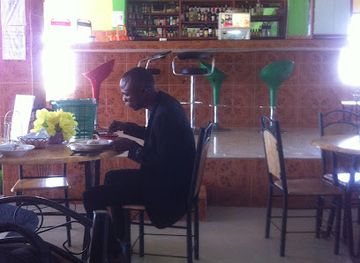
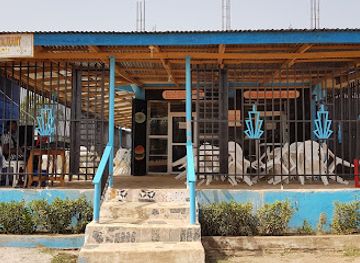
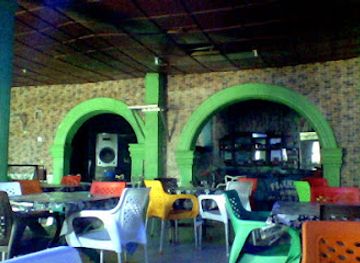
Dining in Sanniquellie is centred on modest local eateries, market stalls, cookshops and home-style meals rather than a developed restaurant scene. Liberian staples commonly encountered in the region include rice served with soups or sauces, cassava, plantain, greens, beans and fish or meat, with chilli, palm oil and locally available vegetables shaping many dishes. Roadside food and market cooking provide a useful window into daily life, although hygiene standards and opening times can vary, so choose busy stalls where food is freshly prepared and served hot. The city’s position in Nimba also brings culinary influences from neighbouring communities and cross-border trade with Guinea and Côte d’Ivoire. Visitors should expect simple settings, changing menus and cash payment, and should carry personal dietary supplies if they require specialised or imported ingredients.
-
Restaurant
Justina's Bar And Restaurant
Experience authentic Liberian cuisine at Justina's Bar and Restaurant in Ganta - where delicious flavors meet warm hospitality.
54 min drive · 34 km from city centre
-
Restaurant
Kotianzaye Bar and Restaurant
Experience authentic Liberian cuisine at Kotianzaye Bar and Restaurant in Sanniquellie, where flavor meets culture in every dish.
12 min walk · 1.0 km from city centre
-
Restaurant
Planet 44 Bar & Restaurant
Discover authentic Liberian flavors at Planet 44 Bar & Restaurant in Ganta – your gateway to delicious local cuisine.
54 min drive · 34 km from city centre
-
Bar
Jackie's Bar
Experience the vibrant atmosphere of Jackie's Bar in Yekepa – your go-to spot for cool drinks and lively conversations.
49 min drive · 29 km from city centre

Best bars in Sanniquellie
Sanniquellie has a small-scale evening scene rather than a concentrated nightlife district. Local bars, drinks counters and informal social spots may become meeting places after work, with conversation, music and football often more central than dancing or elaborate cocktails. Music heard in the city reflects Liberia’s contemporary popular culture alongside West African styles, while occasional community, religious or political events provide other forms of evening activity. Facilities and opening patterns can change, and visitors should ask accommodation staff or trusted residents which places are operating and appropriate at the time of travel. Street lighting and transport options are limited in parts of town, so evening movement is best kept local, discreet and arranged in advance rather than relying on a late-night taxi network.
-
Restaurant
Justina's Bar And Restaurant
Experience the vibrant flavors of Liberia at Justina's Bar And Restaurant in Ganta, where every meal is a journey into local culinary traditions.
54 min drive · 34 km from city centre
-
Restaurant
Kotianzaye Bar and Restaurant
Experience authentic Liberian cuisine and vibrant local culture at Kotianzaye Bar and Restaurant in Sanniquellie.
12 min walk · 1.0 km from city centre
-
Restaurant
Planet 44 Bar & Restaurant
Experience the essence of Liberian cuisine at Planet 44 Bar & Restaurant in Ganta, where vibrant flavors meet a lively atmosphere.
54 min drive · 34 km from city centre
-
Grocery store
Green Bar
Explore the local flavors at Green Bar, Yekepa's vibrant grocery store, offering a unique blend of fresh produce and international snacks.
51 min drive · 31 km from city centre


Best nightclubs in Sanniquellie
Sanniquellie has a small-scale evening scene rather than a concentrated nightlife district. Local bars, drinks counters and informal social spots may become meeting places after work, with conversation, music and football often more central than dancing or elaborate cocktails. Music heard in the city reflects Liberia’s contemporary popular culture alongside West African styles, while occasional community, religious or political events provide other forms of evening activity. Facilities and opening patterns can change, and visitors should ask accommodation staff or trusted residents which places are operating and appropriate at the time of travel. Street lighting and transport options are limited in parts of town, so evening movement is best kept local, discreet and arranged in advance rather than relying on a late-night taxi network.
-
Night club
Dokie quarter
Dokie Quarter in Sanniquellie offers an electrifying nightlife experience with vibrant music, dance, and local culture in a lively night club atmosphere.
7 min walk · 0.6 km from city centre
Best shops in Sanniquellie
Shopping in Sanniquellie is concentrated around local markets, roadside stalls, small general shops and informal trading areas serving nearby communities. Visitors may find fresh produce, rice, cassava, plantain, household necessities, clothing, phone credit and practical travel supplies, while the selection changes with deliveries and agricultural seasons. Locally made food products and simple crafts can sometimes be found through individual sellers, but Sanniquellie is not a specialised craft-shopping centre and should not be approached with expectations of a large souvenir industry. Bargaining may occur in informal markets, although a courteous approach matters more than pressing for the lowest price. Carry Liberian or United States cash in small denominations, ask before taking photographs and remember that shops outside the central trading areas may close early or stock only basic goods.
-
Home goods store
Teacher Youhn Yard
Explore Teacher Youhn Yard in Kahnple for unique home goods that showcase the rich culture and artistry of Liberia.
45 min drive · 25 km from city centre
-
Supermarket
Yekepa Supermarket
Discover the heart of local shopping at Yekepa Supermarket in Liberia, where convenience meets authentic local culture.
51 min drive · 31 km from city centre
-
Grocery store
Green Bar
Explore the vibrant atmosphere of Green Bar in Yekepa, Liberia, where local flavors and community spirit come together.
51 min drive · 31 km from city centre
-
Home audio store
Êâzî
Explore Êâzî in Kahnple, Liberia – your ultimate destination for premium home audio equipment and an immersive sound experience.
45 min drive · 25 km from city centre


Get your free copy of our complete guide to Sanniquellie, delivered straight to you.
Everything on this page, from attractions and restaurants to essentials and local phrases, in one PDF you can read offline, print or share.
Already have an account? Sign in
Your Sanniquellie guide is ready.
We'll send it to · Not you? Sign out

Getting your guide ready…
We are putting together a fresh copy of the Sanniquellie guide. This can take up to a minute.
This can take a few moments. If your browser asks, choose Allow so the download can start. You'll find the guide in your Downloads folder.
Nothing happened? Download it again
Sorry, the guide is taking longer than usual. Please try again in a minute, or get it by email instead.
Sanniquellie essentials
Currency and Payment
Safety
Emergency Situations
Do's and Don'ts
Local Tips
From Eve
Local phrases worth knowing
You don't need to get them perfect. A few words go a long way, and locals appreciate the effort.
Basics
| English | Local | Say it |
|---|---|---|
| Hello | Yah mehn | [Yah mehn] |
| Goodbye | Bye-bye | [Bye-bye] |
| Yes | Yah | [Yah] |
| No | Nay | [Nay] |
| Please/You're welcome | Pilz | [Pilz] |
| Thank you | Tenki | [Tenki] |
| Excuse me/Sorry | Sowree | [Sowree] |
| How are you? | How da bodi? | [How da bodi?] |
| Fine. And you? | Fine. An you? | [Fine. An you?] |
| Do you speak English? | Yor sabi Inglis? | [Yor sabi Inglis?] |
| I don't understand | Mi noh sabi | [Mi noh sabi] |
Eating & Drinking
| English | Local | Say it |
|---|---|---|
| I'd like to see the menu, please | Mi wahn si di menyu, pilz | [Mi wahn si di menyu, pilz] |
| I don't eat meat | Mi noh de eat mii | [Mi noh de eat mii] |
| Cheers! | Cheers! | [Cheers!] |
| I would like to pay, please | Mi wahn pay, pilz | [Mi wahn pay, pilz] |
Emergencies
| English | Local | Say it |
|---|---|---|
| Help! | Help! | [Help!] |
| Go away! | Go wey! | [Go wey!] |
| Call the Police! | Kol di Polis! | [Kol di Polis!] |
| Call a doctor! | Kol dokta! | [Kol dokta!] |
| I'm lost | Mi los | [Mi los] |
| I'm ill | Mi siik | [Mi siik] |
Shopping
| English | Local | Say it |
|---|---|---|
| I'd like to buy... | Mi wahn bay... | [Mi wahn bay...] |
| I'm just looking | Mi juz luk | [Mi juz luk] |
| How much is it? | How moch? | [How moch?] |
| That's too expensive | Dat tu expensiv | [Dat tu expensiv] |
| Can you lower the price? | Yu fit lowa di praiz? | [Yu fit lowa di praiz?] |
Time & Numbers
| English | Local | Say it |
|---|---|---|
| What time is it? | Wetin taim? | [Wetin taim?] |
| It's one o'clock | Na wuhn taim | [Na wuhn taim] |
| Half past (10) | Haaf pahs | [Haaf pahs] |
| Morning | Mornin | [Mornin] |
| Afternoon | Aftanun | [Aftanun] |
| Evening | Ivinin | [Ivinin] |
| Yesterday | Yistide | [Yistide] |
| Today | Tudeh | [Tudeh] |
| Tomorrow | Tamara | [Tamara] |
| 1 | Wuhn | [Wuhn] |
| 2 | Tu | [Tu] |
| 3 | Tri | [Tri] |
| 4 | Foh | [Foh] |
| 5 | Fayv | [Fayv] |
| 6 | Siks | [Siks] |
| 7 | Sevun | [Sevun] |
| 8 | Eyt | [Eyt] |
| 9 | Nain | [Nain] |
| 10 | Ten | [Ten] |
Transport & Directions
| English | Local | Say it |
|---|---|---|
| Where's a/the...? | We yu go fain di...? | [We yu go fain di...?] |
| What's the address? | Wetin di adres? | [Wetin di adres?] |
| Can you show me (on the map)? | Yu fit sho mi? | [Yu fit sho mi?] |
| When's the next (bus)? | Wen di nekst (bus)? | [Wen di nekst (bus)?] |
| A ticket (to ....) | Wahn tiket (to ....) | [Wahn tiket (to ....)] |
History of Sanniquellie
Early Communities of Nimba
The area around present-day Sanniquellie has long been inhabited by communities connected with the wider cultural world of the Gio and Mano peoples. Settlement, farming, forest use and regional exchange developed around the uplands and river systems of what became Nimba County. Rather than emerging as an ancient monumental city, Sanniquellie grew from the relationships linking villages, agricultural lands and trading routes in the interior. Oral traditions, family histories and customary institutions remain important to understanding the region, alongside the written record. The surrounding landscape helped shape local livelihoods and later attracted outside attention because of its dense forests, mineral resources and position close to the borders of Guinea and Côte d’Ivoire.
Liberian Administration Expands Inland
During the nineteenth and early twentieth centuries, the Liberian state gradually extended administrative influence into the interior through appointed officials, trading relationships and new transport links. Sanniquellie developed as an administrative centre for the area that became Nimba County, bringing together government functions, commerce and services for surrounding communities. This process did not erase existing social structures: customary authority, kinship networks and local agricultural economies continued to shape daily life. The city’s position in north-eastern Liberia also gave it a cross-border character, with movement and exchange connecting the region to neighbouring Guinea and Côte d’Ivoire.
The Sanniquellie Conference of 1959
Sanniquellie became internationally significant in July 1959 when Liberian President William V. S. Tubman hosted a conference with African leaders including Ethiopia’s Emperor Haile Selassie and Ghana’s President Kwame Nkrumah. The discussions addressed African cooperation and the future of continental unity during the final years of colonial rule in much of Africa. Although the meeting did not itself create a continental organisation, it formed part of the political debate that preceded the establishment of the Organisation of African Unity in Addis Ababa in 1963. The conference remains the city’s most prominent historical association and links a small inland Liberian centre to the wider history of African diplomacy.
Mining, Migration and Regional Change
Nimba County’s iron-ore deposits brought major economic and political change during the twentieth century. Mining activity around Mount Nimba and the wider Nimba range encouraged new roads, employment and migration, while also placing pressure on forests and communities. The mineral economy connected the interior to Liberian ports and international markets, although its benefits were unevenly distributed and later affected by political instability. Sanniquellie’s role as a county centre grew within this changing regional system. Its markets and public institutions served communities whose livelihoods continued to include farming, small-scale trade and forest-based activities alongside links to the mining economy.
War, Recovery and Contemporary Sanniquellie
Nimba County was heavily affected by Liberia’s civil wars, particularly from the late 1980s through the 1990s and again during the renewed conflict of the early 2000s. Population displacement, damaged infrastructure and insecurity disrupted local life across the region. Since the restoration of peace, Sanniquellie has participated in Liberia’s broader process of reconstruction, with renewed attention to roads, public services, education and local government. Recovery remains an ongoing process rather than a completed chapter. Contemporary Sanniquellie is therefore shaped by both its historic role in African political thought and the practical resilience of communities rebuilding homes, businesses and civic institutions.
Sanniquellie in Photos
Browse through our photo collection highlighting the charm and character of the destination.
Cities near Sanniquellie
The closest cities to Sanniquellie, if you have time for more than one stop.
-

-

-

-

-


Swipe for more cities
Explore more

Explore more of Liberia
Discover Liberia: where pristine beaches meet lush rainforests, and vibrant culture blends with rich history in the heart of West Africa.
Explore Liberia