

Gasr Al-Haj Travel Guide
Free Guide: Discover the ancient Berber granary of Gasr Al-Haj, a remarkable example of communal architecture and resourcefulness in the Libyan landscape.


A brief summary of Gasr Al-Haj
Discover the ancient Berber granary of Gasr Al-Haj, a remarkable example of communal architecture and resourcefulness in the Libyan landscape.
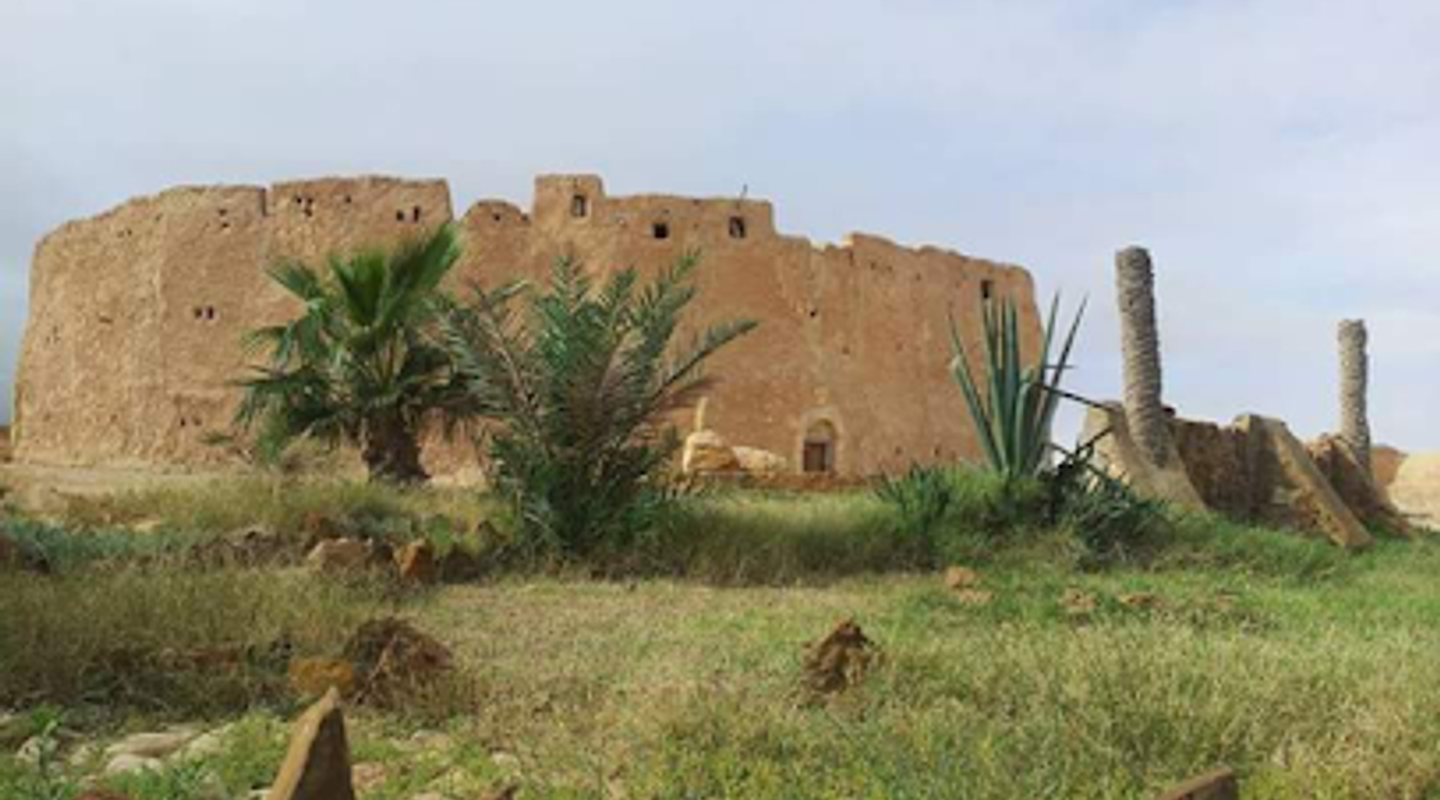
Gasr Al-Haj is a remarkable, well-preserved fortified granary dating back to the 13th century AD. This circular structure, built by Abdallah Abu Jatla, showcases traditional Berber architecture and ingenuity, serving as a communal storage facility for local families.
- Address
- 25V7+RWJ, Qasr al Hajj
- Website
Getting there
Driving
Discover more about Gasr Al-Haj
Overview
Gasr Al-Haj, also spelled Qasr Al-Haj, stands as a testament to Libya's rich Berber history and architectural innovation. Located approximately 130 km from Tripoli on the Tripoli-Aziziya-Al Jawf route, this impressive structure was constructed in the 13th century AD by Abdallah Abu Jatla.Originally, Gasr Al-Haj functioned as a fortified granary, providing a secure place for families in the surrounding area to store their crops. In return for this service, a quarter of their harvest was given to the owner, who, according to some accounts, used it as a waqf (endowment) for teaching the Quran and Islamic subjects. The building's design is both practical and aesthetically pleasing. Its circular shape encloses a central courtyard, around which 114 cave-like storage rooms (ghorfas) are arranged on multiple levels. These rooms provided protection from the elements, thieves, and animals, ensuring the preservation of valuable food supplies.Each family had its designated storage space within the Gasr, reflecting a communal approach to resource management. The lower level, partially underground, was typically used for storing olive oil in clay jars, while the upper levels were reserved for grains like barley and wheat. Some historians suggest that these types of structures indicate that Libyans were early pioneers of a banking system, with each room acting as a vault for a family's valuables. Over time, the structure has seen some modifications, with the number of chambers increasing to 119 due to inheritance disputes and the addition of cellars.While its name might suggest a fortress, Gasr Al-Haj was primarily a storage facility rather than a defensive structure. The name 'Pilgrim's Castle' comes from its use as a resting and meeting point for pilgrims on their way to coastal cities. Today, Gasr Al-Haj remains a striking example of Berber architecture and a reminder of the communal spirit of pre-colonial North African societies.
Evendo Review Centre
 Google
Guest reviews
Explore Gasr Al-Haj on the map
A handpicked selection of must-see spots near Gasr Al-Haj, mapped for you.
Get your free copy of our complete guide to Gasr Al-Haj, delivered straight to you.
Everything on this page, from opening hours and how to get there to Eve’s tips and the best time to go, in one PDF you can read offline, print or share.
Already have an account? Sign in
Your Gasr Al-Haj guide is ready.
We'll send it to · Not you? Sign out

Getting your guide ready…
We are putting together a fresh copy of the Gasr Al-Haj guide. This can take up to a minute.
This can take a few moments. If your browser asks, choose Allow so the download can start. You'll find the guide in your Downloads folder.
Nothing happened? Download it again
Sorry, the guide is taking longer than usual. Please try again in a minute, or get it by email instead.
Other nearby places you may find interesting
The closest places of the same kind, if this one is not quite what you had in mind.
-
-
-
-


Swipe for more places
More to explore near Gasr Al-Haj

 Best experiences near Gasr Al-Haj
 Best hotels near Gasr Al-Haj
 Best landmarks near Gasr Al-Haj
 Best attractions near Gasr Al-Haj
 Best shops near Gasr Al-Haj
 Best restaurants near Gasr Al-Haj
 Best bars near Gasr Al-Haj
Do you manage this location?
Take control to get all the benefits, like improved information, better appearance, and stronger visibility across AI-powered discovery.
Explore more
Explore more of Gharyan
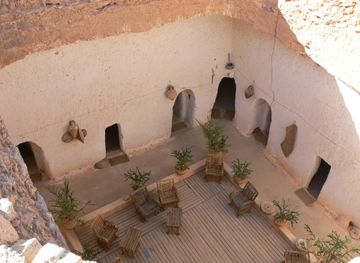
Discover Gharyan: Libya's Hidden Gem with Ancient Troglodyte Dwellings and Rich Berber Culture in the Scenic Nafusa Mountains.
Explore Gharyan
Explore more of Libya
Discover Libya: Ancient ruins, vast deserts, and Mediterranean charm await in this North African gem.
Explore Libya
