

Free Gharyan Travel Guide & Mobile App
Explore Gharyan with free travel guides. Discover regional history, expert tips, proposed trips, and audio guides on web or mobile app.


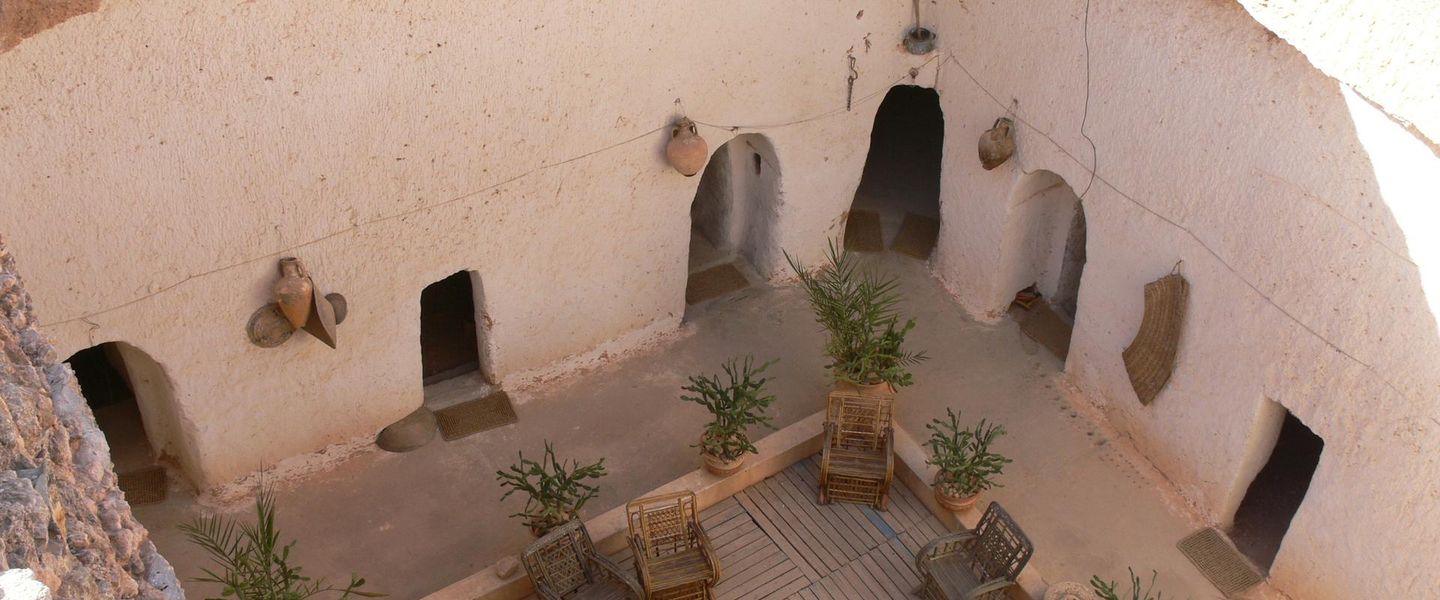


Explore Gharyan in Libya’s Nafusa Mountains for Amazigh heritage, underground homes, traditional pottery, olive groves and mountain landscapes.
Read more about Gharyan
When is the best time to visit Gharyan?
Best: April–May, October · 21–26°C| Month | High (°C) | Rainfall (mm) |
|---|---|---|
| January | 13 | 30 |
| February | 14 | 25 |
| March | 17 | 20 |
| April (best) | 21 | 15 |
| May (best) | 26 | 5 |
| June | 31 | 0 |
| July | 34 | 0 |
| August | 34 | 5 |
| September | 30 | 10 |
| October (best) | 26 | 20 |
| November | 19 | 25 |
| December | 14 | 30 |
Getting to and around Gharyan
How to get there
Transportation
Best attractions in Gharyan
Gharyan’s attractions centre on living heritage and mountain landscapes rather than a large collection of formal tourism facilities. Traditional underground and semi-subterranean houses are the region’s most distinctive architectural experience, with excavated rooms, enclosed courtyards and thick earthen walls that demonstrate how families moderated heat and protected stores. Access is often private or locally managed, so visits should be arranged respectfully. Pottery workshops provide another important attraction, allowing visitors to see a craft closely associated with Gharyan and to buy locally made vessels where sales are available. The surrounding Nafusa uplands offer olive groves, cultivated valleys, rocky slopes and viewpoints across the Tripolitanian interior. Historic villages and small religious or community buildings may be valuable to those interested in Amazigh and Islamic heritage, although facilities are limited and sites may not be signposted. Rural exploration should never be improvised in areas affected by insecurity or poor roads. Gharyan is best experienced through conversations with residents, careful observation of building traditions and a locally guided introduction to farming, food and craft production.
-
Sabratha Ancient Theatre
Explore the stunning Sabratha Ancient Theatre, a UNESCO World Heritage site showcasing Roman architecture and Libyan history on the Mediterranean coast.
-
Al-Quba Al-Falakia
Explore the cosmos at Tripoli's premier planetarium, where the mysteries of the universe come to life for all ages.
-
Gasr Al-Haj
Discover the ancient Berber granary of Gasr Al-Haj, a remarkable example of communal architecture and resourcefulness in the Libyan landscape.
-
Gurgi Mosque
Explore the Gurgi Mosque in Tripoli's Old City: A blend of Ottoman and Islamic architecture with a rich history and serene atmosphere.
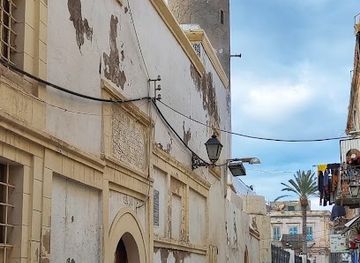
Best landmarks in Gharyan
Gharyan’s most recognisable landmarks are linked to its geology, settlement traditions and recent history. The traditional underground houses, with their sunken courtyards and earth-sheltered rooms, are architectural landmarks because they express a practical response to the Nafusa climate while preserving the form of older community life. The broad mountain escarpment and cultivated plateau provide the region’s principal natural landmarks, marking a clear transition from the coastal plain around Tripoli to the elevated interior. Local mosques, village compounds and surviving older houses contribute to the visual identity of individual settlements, although many are working or private places rather than formal monuments. Pottery kilns and workshops are landmarks of Gharyan’s material culture, representing a craft that has become closely identified with the town. The region also carries visible reminders of the conflicts that shaped modern Libya, but military sites, checkpoints and damaged buildings should be treated as sensitive places, not sightseeing subjects. Visitors should rely on local guidance when identifying accessible historic structures.
-
Historical landmark
Martyr's Square
Discover the vibrant history and culture of Tripoli at Martyr's Square, Libya's iconic historical landmark and gathering place.
-
Historical landmark
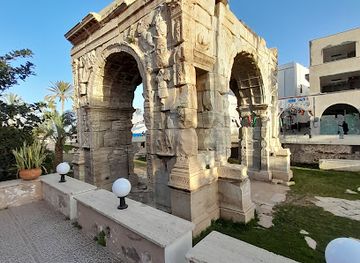
Arc of Marcus Aurelius
Experience the grandeur of the Arc of Marcus Aurelius in Tripoli, a historical landmark that embodies the essence of ancient Roman architecture and culture.
-
National museum
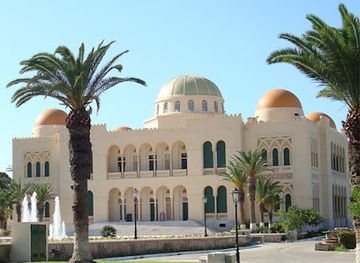
The Museum of Libya
Immerse yourself in Libya's rich history at The Museum of Libya, where artifacts tell the story of a nation through ancient to modern times.
-
Historical landmark
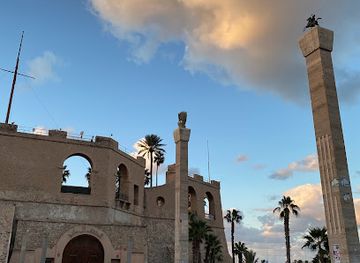
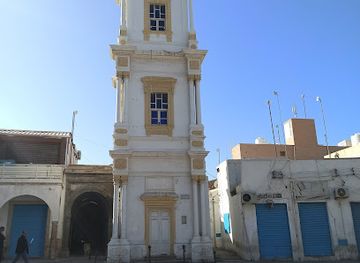
Clock Tower
Discover the Clock Tower of Tripoli, an iconic Ottoman-era landmark that embodies the city's rich history and architectural splendor.
Explore Gharyan on the map
Plan your trip on one map. See where the top cities, national parks and sights are, and book hotels and experiences in a few clicks.
Best hotels in Gharyan
Best restaurants in Gharyan
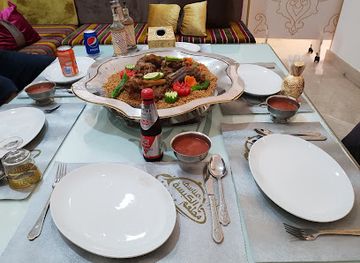
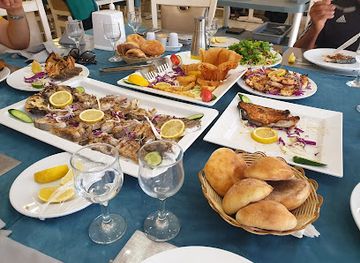
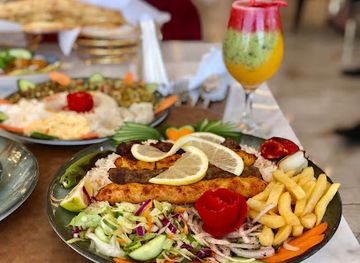
Dining in Gharyan is generally informal and locally arranged rather than built around a specialist restaurant scene. Meals may include couscous, bazeen, soups, breads, dates, olives, olive oil and seasonal vegetables, with meat served according to household and restaurant custom. The mountain setting gives olive cultivation particular importance, and locally produced oil may be available through family or agricultural networks, though visitors should check provenance and packaging before carrying it onwards. Small cafés and modest restaurants in the town provide places for tea, coffee and simple meals, while rural hospitality may offer the most memorable introduction to local cooking. Food traditions overlap with those of western Libya, so dishes should not automatically be labelled exclusive to Gharyan. Travellers should confirm opening arrangements, availability and payment methods in advance, especially outside the main urban area. Bottled or reliably treated water is the prudent choice for visitors unfamiliar with local supplies.
-
Restaurant
Al Nebras Restaurant
Experience authentic Libyan cuisine at Al Nebras Restaurant in Tripoli – where tradition meets flavor in every dish.
-
Seafood
Rubian Restuarant
Experience exquisite seafood dining at Rubian Restaurant in Tripoli - where fresh flavors meet local tradition.
-
Family-friendly
Taksim Garaba Restaurant
Experience authentic Turkish, Lebanese, and Italian cuisine at Taksim Garaba Restaurant in Tripoli's vibrant Ben Ashour district.
-
Restaurant
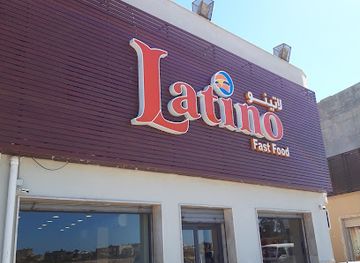
Latino
Discover Latino in Tripoli: A culinary hotspot serving mouth-watering burgers and diverse dishes in a vibrant atmosphere.
Best bars in Gharyan
Gharyan does not have a conventional bar or nightclub culture. Libya is predominantly Muslim, and public nightlife is more likely to centre on cafés, tea, family visits and evening meals than on alcohol-led entertainment. In the town, cafés may provide informal meeting places, although opening arrangements and available facilities can change with security conditions. Evening social life is generally local and private, and visitors should not expect a developed late-night entertainment district. Alcohol should not be assumed to be available and should never be requested or consumed in public. Because roads outside the built-up area may be poorly lit and the security situation can change after dark, visitors should return to their accommodation before night travel becomes necessary. Cultural evenings, family hospitality and conversations with a trusted host offer a more appropriate way to understand local social life than searching for clubs.
-
Bar
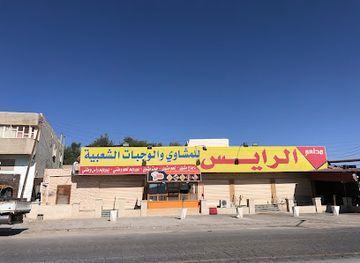
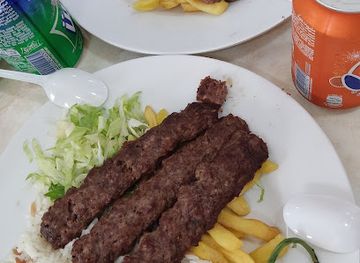
مطعم الرايــس للمشاوي و الوجبات الشعبية
Experience the rich flavors of Libyan cuisine at مطعم الرايــس للمشاوي و الوجبات الشعبية, where tradition and taste come together in a welcoming setting.
-
Bar
مطعم انطاكيا التركي
Savor the rich flavors of Turkey at مطعم انطاكيا التركي in Garyan, where authentic cuisine meets warm hospitality.
-
Bar
مقهى جليانة
Experience the flavors of Libya at مقهى جليانة, a charming restaurant in Bu Gheilan offering a delightful mix of traditional and modern cuisine.
-
Bar
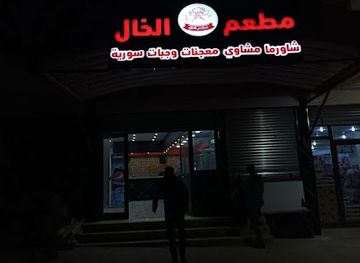
مطعم الخال
Discover the authentic flavors of Libya at مطعم الخال in Garyan, where every dish tells a story and every meal is a celebration.
Best nightclubs in Gharyan
Gharyan does not have a conventional bar or nightclub culture. Libya is predominantly Muslim, and public nightlife is more likely to centre on cafés, tea, family visits and evening meals than on alcohol-led entertainment. In the town, cafés may provide informal meeting places, although opening arrangements and available facilities can change with security conditions. Evening social life is generally local and private, and visitors should not expect a developed late-night entertainment district. Alcohol should not be assumed to be available and should never be requested or consumed in public. Because roads outside the built-up area may be poorly lit and the security situation can change after dark, visitors should return to their accommodation before night travel becomes necessary. Cultural evenings, family hospitality and conversations with a trusted host offer a more appropriate way to understand local social life than searching for clubs.
-
Night club
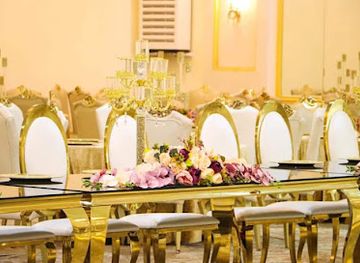
صالة لازورد
Discover the tranquil oasis of Lounge Lazward in Tripoli, where delightful refreshments meet a serene atmosphere.
-
Night club
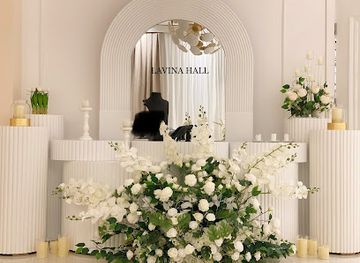
قاعة لافينا للمناسبات
Discover the elegance and vibrancy of Tripoli at قاعة لافينا للمناسبات, a premier concert hall for unforgettable events and cultural experiences.
-
Night club
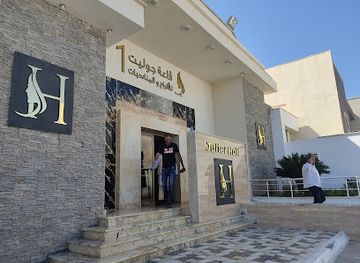
صالة جوليت للأفراح والمناسبات الاجتماعية
Experience the elegance of social gatherings at صالة جوليت للأفراح والمناسبات الاجتماعية, where every event is a celebration of culture and community.
-
Night club
قاعة المعلمين للأفراح والمناسبات الإجتماعية
Discover the elegance of قاعة المعلمين للأفراح والمناسبات الإجتماعية, your premier destination for unforgettable social events in Tripoli.

Best shops in Gharyan
Shopping in Gharyan is primarily local and craft-based rather than centred on large retail complexes. Traditional pottery is the most characteristic purchase, with jars, bowls, plates and decorative pieces often displaying the warm earth colours associated with the region. Buy directly from an established workshop where possible, ask about safe packing and avoid removing archaeological-looking objects or old stones. Olive oil, dates and other food products may be available through local shops or agricultural connections, but packaging, customs rules and airline restrictions should be checked before travelling onwards. Small markets and town shops supply everyday goods, clothing and household items, while independent sellers may offer a more personal introduction to mountain products than formal souvenir outlets. Availability can vary according to security, season and transport disruption. Bargaining should be courteous and proportionate, and visitors should confirm the final price and currency before completing a purchase.
-
 Store
Storeالنجمة3
Explore the vibrant النجمة3 in Garyan, where local craftsmanship meets unique shopping experiences for every traveler.
-
Cosmetics store
لمسة جمال Beauty Touch
Explore the finest cosmetics and beauty products at لمسة جمال Beauty Touch in Garyan, Libya, your ultimate beauty destination.
-
Souvenir store
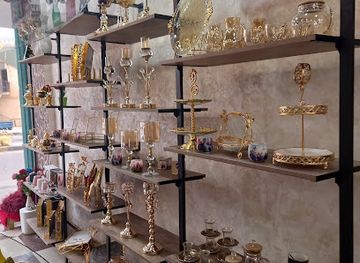
Qween
Discover unique handcrafted souvenirs at Qween in Garyan, a treasure trove celebrating Libyan culture and artistry.
-
Souvenir store
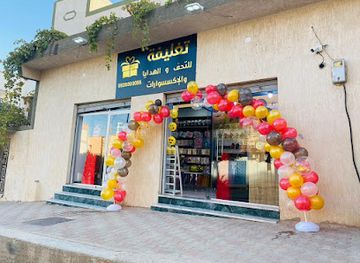
تغليفة - متجر هدايا
Explore تغليفة - متجر هدايا in Garyan for unique souvenirs that embody the rich culture and history of Libya.
Get your free copy of our complete guide to Gharyan, delivered straight to you.
Everything on this page, from attractions and restaurants to essentials and local phrases, in one PDF you can read offline, print or share.
Already have an account? Sign in
Your Gharyan guide is ready.
We'll send it to · Not you? Sign out

Getting your guide ready…
We are putting together a fresh copy of the Gharyan guide. This can take up to a minute.
This can take a few moments. If your browser asks, choose Allow so the download can start. You'll find the guide in your Downloads folder.
Nothing happened? Download it again
Sorry, the guide is taking longer than usual. Please try again in a minute, or get it by email instead.
Gharyan essentials
Currency and Payment
Safety
Emergency Situations
Do's and Don'ts
Local Tips
From Eve
Local phrases worth knowing
You don't need to get them perfect. A few words go a long way, and locals appreciate the effort.
Basics
| English | Local | Say it |
|---|---|---|
| Hello | مرحبا | [Marhaban] |
| Goodbye | وداعا | [Wadaa'an] |
| Yes | نعم | [Na'am] |
| No | لا | [La] |
| Please/You’re welcome | من فضلك | [Min fadlik] |
| Thank you | شكرا | [Shukran] |
| Excuse me/Sorry | عفوا | [Afwan] |
| How are you? | كيف حالك؟ | [Kayfa halak?] |
| Fine. And you? | بخير، وأنت؟ | [Bikhayr, wa anta?] |
| Do you speak English? | هل تتحدث الإنجليزية؟ | [Hal tatahaddath al-ingliziyya?] |
| I don't understand | لا أفهم | [La afham] |
Eating & Drinking
| English | Local | Say it |
|---|---|---|
| I’d like to see the menu, please | أود رؤية القائمة، من فضلك | [Awad ru'yat al-qa'ima, min fadlik] |
| I don’t eat meat | لا أتناول اللحم | [La atanaawal al-lahm] |
| Cheers! | في صحتك! | [Fi sihhatak!] |
| I would like to pay, please | أود الدفع، من فضلك | [Awad ad-daf', min fadlik] |
Emergencies
| English | Local | Say it |
|---|---|---|
| Help! | نجدة! | [Najda!] |
| Go away! | اذهب بعيدا! | [Idhhab ba'eedan!] |
| Call the Police! | اتصل بالشرطة! | [Ittasil bil-shurtah!] |
| Call a doctor! | اتصل بالطبيب! | [Ittasil bil-tabeeb!] |
| I’m lost | أنا ضائع | [Ana da'i'] |
| I’m ill | أنا مريض | [Ana marid] |
Shopping
| English | Local | Say it |
|---|---|---|
| I’d like to buy... | أود شراء... | [Awad shira'a...] |
| I’m just looking | أنا فقط أنظر | [Ana faqat anzur] |
| How much is it? | كم ثمنه؟ | [Kam thamanu?] |
| That’s too expensive | هذا مكلف جدا | [Hatha mukallaf jiddan] |
| Can you lower the price? | هل يمكنك خفض السعر؟ | [Hal yumkinuka khafd as-si'r?] |
Time & Numbers
| English | Local | Say it |
|---|---|---|
| What time is it? | كم الساعة؟ | [Kam as-saa'a?] |
| It’s one o’clock | الساعة الواحدة | [As-saa'a al-wahida] |
| Half past (10) | نصف (10) | [Nisf (10)] |
| Morning | صباح | [Sabah] |
| Afternoon | بعد الظهر | [Ba'd adh-dhuhr] |
| Evening | مساء | [Masa'] |
| Yesterday | أمس | [Ams] |
| Today | اليوم | [Al-yawm] |
| Tomorrow | غدا | [Ghadan] |
| 1 | واحد | [Wahid] |
| 2 | اثنان | [Ithnan] |
| 3 | ثلاثة | [Thalatha] |
| 4 | أربعة | [Arba'a] |
| 5 | خمسة | [Khamsa] |
| 6 | ستة | [Sitta] |
| 7 | سبعة | [Sab'a] |
| 8 | ثمانية | [Thamaniya] |
| 9 | تسعة | [Tis'a] |
| 10 | عشرة | [Ashara] |
Transport & Directions
| English | Local | Say it |
|---|---|---|
| Where's a/the...? | أين ...؟ | [Ayn ...?] |
| What’s the address? | ما هو العنوان؟ | [Ma huwa al-'unwan?] |
| Can you show me (on the map)? | هل يمكنك إظهار لي (على الخريطة)؟ | [Hal yumkinuka izhar li (ala al-kharita)?] |
| When’s the next (bus)? | متى تكون الحافلة القادمة؟ | [Mata takun al-hafila al-qadima?] |
| A ticket (to ....) | تذكرة (إلى ...) | [Tadhkirah (ila ...)] |
History of Gharyan
Early settlement of the Nafusa uplands
The Nafusa Mountains have supported human settlement for many centuries because their elevated valleys, seasonal water sources and cultivable soils offered advantages over the surrounding semi-arid plains. Communities adapted their homes and storage spaces to the local geology, sometimes excavating into soft rock or constructing houses around protected courtyards. The surviving architectural tradition is not a single ancient style, but the accumulated result of environmental adaptation and local building knowledge. Gharyan’s historic landscape should therefore be understood as part of a wider mountain culture rather than as an isolated urban development.
Amazigh communities and Islamic history
The Nafusa Mountains became an important centre of Amazigh culture in western Libya, with local communities maintaining distinctive linguistic and social traditions alongside Islam. Mountain settlements were connected to wider networks linking the interior with the Tripolitanian coast, and religious teachers, merchants and agricultural communities helped shape the region’s social life. In and around Gharyan, cultural identity has remained varied rather than uniform: Amazigh heritage is highly significant, but Arabic language and broader Libyan customs are also part of everyday life.
Ottoman administration and regional trade
Under Ottoman rule, the settlements of Tripolitania were incorporated into an imperial system that governed through local elites, officials and military relationships. Gharyan’s position on the route between the coast and the interior gave it practical importance, even though it remained a predominantly rural and mountain-based society. Agriculture, livestock, olive growing and local exchange sustained communities, while the wider region was connected to the markets and political affairs of Tripoli. The period contributed to the layered Ottoman, Arab and Amazigh influences visible in western Libya today.
Italian conquest and resistance after 1911
Italy invaded Ottoman Libya in 1911 and gradually extended colonial control into Tripolitania, including the Nafusa Mountains. Italian rule brought military occupation, administrative reorganisation and attempts to control movement, land and taxation. Mountain communities resisted colonial authority in different ways, and the wider Jabal Nafusa became a difficult region for the Italian administration to govern. The period left physical and political traces, but it also belongs to a history of coercion, displacement and resistance rather than simply an era of infrastructure or architectural change.
Gharyan in the modern Libyan state
After independence in 1951, Gharyan developed within the new Libyan state while retaining its mountain-based economy and cultural connections. Roads and administrative services increasingly linked the town with Tripoli and other parts of western Libya, and pottery became one of the area’s most recognisable crafts. Later decades brought urban growth, changing agricultural patterns and wider migration for education and employment. These developments connected Gharyan more closely to national life without erasing the importance of local family networks, village communities and Amazigh heritage.
The 2011 uprising and later conflict
Gharyan was among the western Libyan centres that joined the uprising against Muammar Gaddafi in 2011, making the town an important strategic point between the mountains and Tripoli. The conflict and its aftermath affected transport, administration and livelihoods across the region. Gharyan again became strategically prominent during the 2019 offensive towards Tripoli and subsequent fighting, when control of the town changed and its roads carried military as well as civilian traffic. Contemporary travel must take this recent history seriously because security and infrastructure remain changeable.
Gharyan in Photos
Browse through our photo collection highlighting the charm and character of the destination.
Neighbouring regions of Gharyan
The closest regions to Gharyan, if you have time for more than one.
-

-

-

-

-


Swipe for more regions
Explore more

Explore more of Libya
Discover Libya: Ancient ruins, vast deserts, and Mediterranean charm await in this North African gem.
Explore Libya