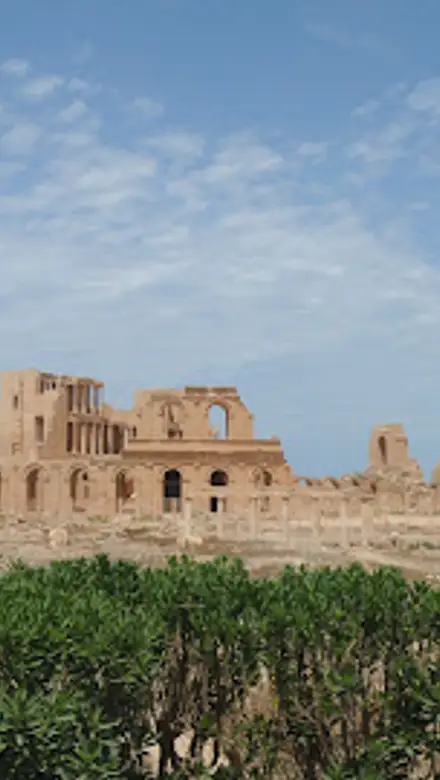
Isis Temple Travel Guide
Free Guide: Explore the ancient Isis Temple in Sabratha, a testament to Roman cultural exchange and Egyptian religious influence.


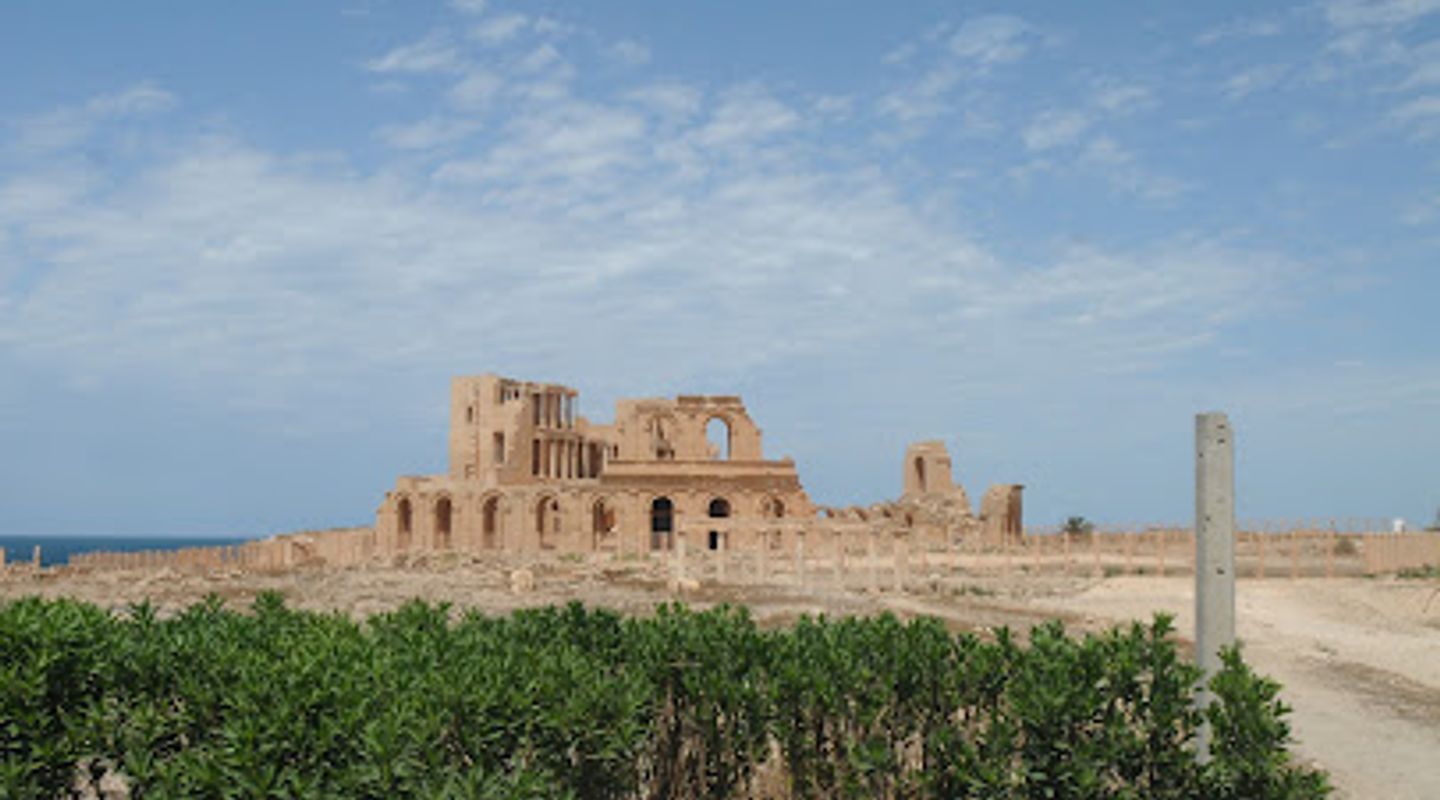
A brief summary of Isis Temple
Explore the ancient Isis Temple in Sabratha, a testament to Roman cultural exchange and Egyptian religious influence.
The Isis Temple in Sabratha, Libya, stands as a testament to the Roman Empire's embrace of foreign cultures, showcasing the worship of the Egyptian goddess Isis in a North African setting. Its well-preserved columns and ruins offer a glimpse into the religious diversity of the ancient world.
- Address
- RF5Q+357, Sabratah
Getting there
Taxi
Walking
Public Transport
Discover more about Isis Temple
Overview
The Temple of Isis in Sabratha, part of the city's stunning Roman archaeological site, provides a fascinating look into the cultural exchanges of the Roman Empire. Dedicated to the Egyptian goddess Isis, the temple highlights the widespread influence of Egyptian religious practices in the Roman world. Sabratha, originally a Phoenician trading post, evolved into a significant Roman city, and the temple reflects the city's cosmopolitan character during its Roman heyday. Built during the 2nd and 3rd centuries AD, the Temple of Isis was part of a larger construction boom initiated by Emperor Antoninus Pius. The temple's architecture reflects a blend of Roman and Egyptian styles, with its columns and layout indicative of Roman design, while its dedication to Isis reveals the integration of Egyptian religious beliefs. Isis, known as a protector of seafarers, was a popular deity throughout the Roman Empire, and temples dedicated to her were common in port cities like Sabratha.Today, the ruins of the Isis Temple offer visitors a tangible connection to the past. The temple's location near the sea provides a dramatic backdrop, enhancing the sense of history and wonder. Exploring the temple grounds, visitors can appreciate the intricate carvings and architectural details that have withstood the test of time. The site is a reminder of Sabratha's importance as a cultural and religious center in Roman North Africa.
Evendo Review Centre
 Google
Guest reviews
Explore Isis Temple on the map
A handpicked selection of must-see spots near Isis Temple, mapped for you.
Get your free copy of our complete guide to Isis Temple, delivered straight to you.
Everything on this page, from opening hours and how to get there to Eve’s tips and the best time to go, in one PDF you can read offline, print or share.
Already have an account? Sign in
Your Isis Temple guide is ready.
We'll send it to · Not you? Sign out

Getting your guide ready…
We are putting together a fresh copy of the Isis Temple guide. This can take up to a minute.
This can take a few moments. If your browser asks, choose Allow so the download can start. You'll find the guide in your Downloads folder.
Nothing happened? Download it again
Sorry, the guide is taking longer than usual. Please try again in a minute, or get it by email instead.
Other nearby places you may find interesting
The closest places of the same kind, if this one is not quite what you had in mind.
-
-
-


Swipe for more places
More to explore near Isis Temple

 Best experiences near Isis Temple
 Best hotels near Isis Temple
 Best landmarks near Isis Temple
 Best attractions near Isis Temple
 Best shops near Isis Temple
 Best restaurants near Isis Temple
 Best bars near Isis Temple
Do you manage this location?
Take control to get all the benefits, like improved information, better appearance, and stronger visibility across AI-powered discovery.
Explore more

Explore more of Zuwara
Discover Zuwara: Libya's hidden coastal treasure with pristine beaches, rich Berber culture, and vibrant local markets.
Explore Zuwara
Explore more of Libya
Discover Libya: Ancient ruins, vast deserts, and Mediterranean charm await in this North African gem.
Explore Libya