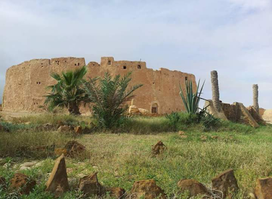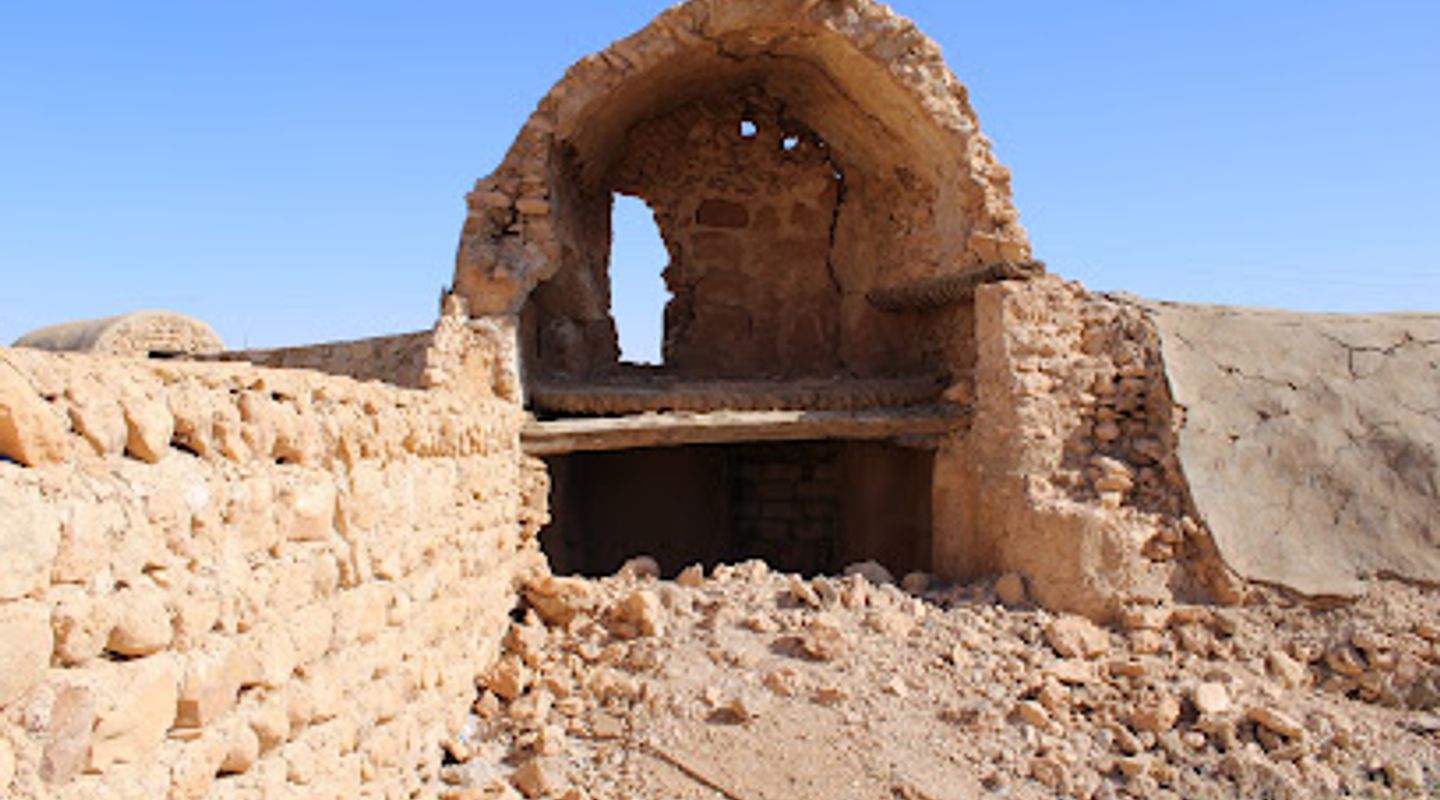
Gasr Al-Haj, Jebel Nafusa Travel Guide
Explore Gasr Al-Haj, a stunning 13th-century Berber granary showcasing Libya's unique architecture and rich cultural heritage.
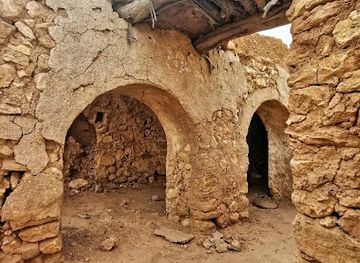
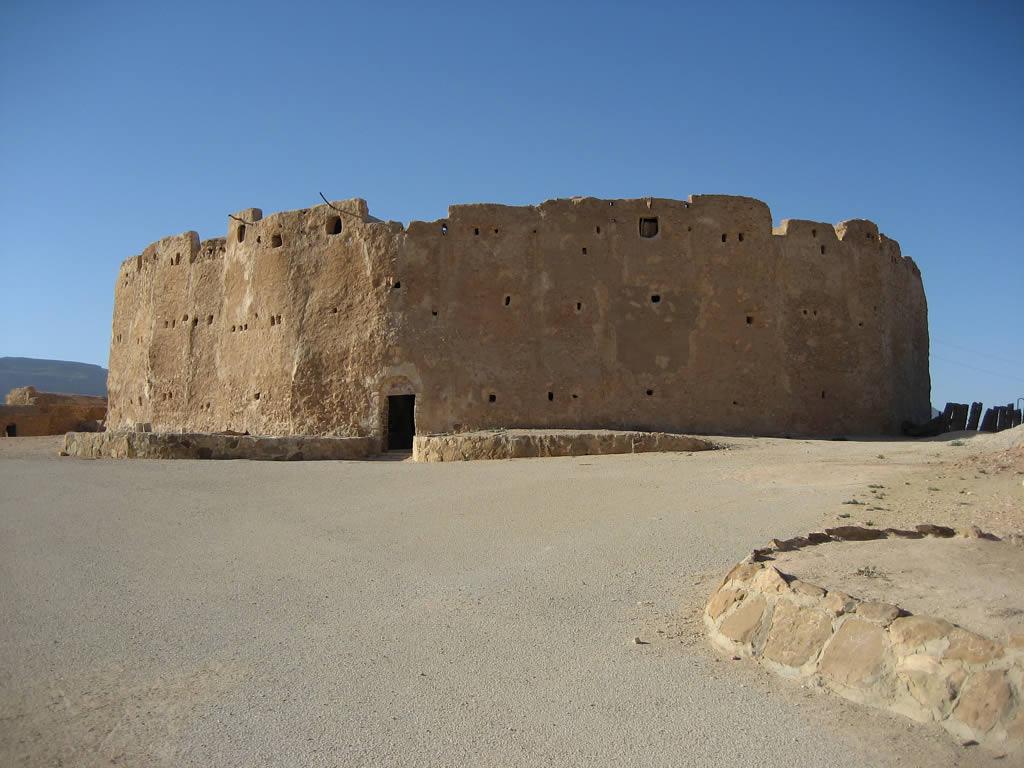
Gasr Al-Haj is a remarkable, well-preserved example of Berber architecture in Libya, serving as a fortified granary since the 13th century. Its circular design and numerous storage chambers evoke a sense of history and communal living, offering visitors a unique glimpse into the region's cultural heritage.
A brief summary to Gasr Al-Haj
- 25V7+RWJ, Qasr al Hajj, LY
- Click to display

Know before you go
Hi, I'm Eve. Here are a few practical things to know before exploring Gasr Al-Haj.
- Visit early in the morning or late afternoon to avoid crowds and enjoy a more relaxed experience.
- Since the building is still in use, visitors are encouraged not to enter the cells without the caretaker's guidance or permission from the owners.
- Take your time to walk around the structure and appreciate the intricate details of the Berber architecture.
Do you manage this location?
Take control to get all the benefits, like improved information, better appearance, and stronger visibility across AI-powered discovery. Learn more about listing your business on Evendo
Activate your presenceOther nearby places you may find interesting
The closest places of the same kind, if this one is not quite what you had in mind.
Explore Gasr Al-Haj on the Map
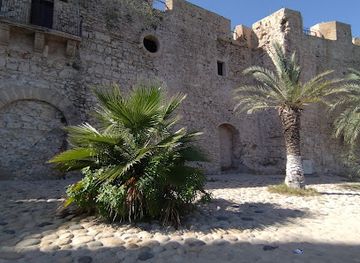
A handpicked selection of must-see spots near Gasr Al-Haj, mapped for you.
Getting There
-
Car
If you are driving from the center of Gharyan, head southwest on the main road (Road 7) towards Qasr al Hajj. Continue straight for approximately 15 kilometers. As you approach Qasr al Hajj, look for the coordinates marked 25V7+RWJ. The Gasr Al-Haj archaeological museum will be on your right side. Ensure to park in designated parking areas to avoid any fines.
-
Taxi
You can hail a taxi from anywhere in Gharyan. Inform the driver that you want to go to Gasr Al-Haj. It is advisable to show them the coordinates (25V7+RWJ) as a reference. The fare should be negotiated before the ride, but expect to pay around 10-15 LYD (Libyan Dinar) for the trip. The journey should take about 15-20 minutes.
Discover more about Gasr Al-Haj













Your all‑in‑one travel companion app
Explore expert travel guides, compare and book tours, experiences, hotels, and more—all from the palm of your hand. Download now for seamless trip planning wherever your wanderlust takes you.


Explore More of Jebel Nafusa
Looking beyond Gasr Al-Haj? Discover Jebel Nafusa for broader travel guides, local hot-spots, and regional highlights.
Explore Jebel Nafusa