

Free Jebel Nafusa Travel Guide & Mobile App
Explore Jebel Nafusa with free travel guides. Discover regional history, expert tips, proposed trips, and audio guides on web or mobile app.


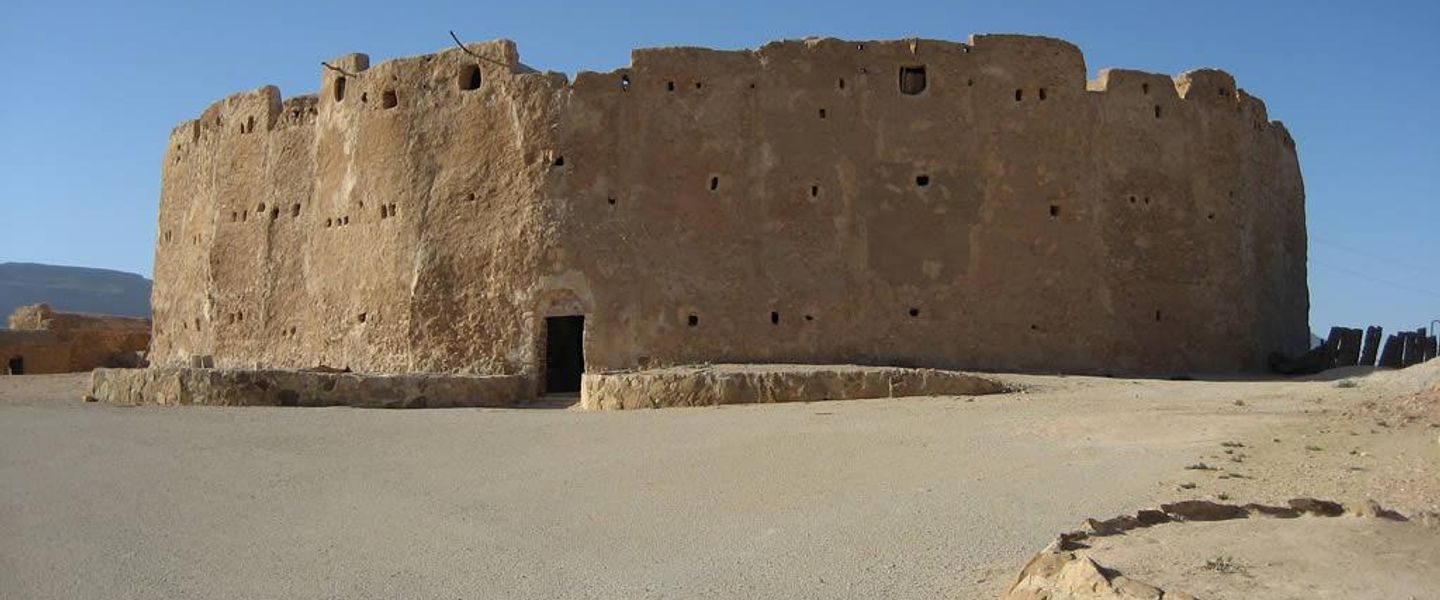


Explore Jebel Nafusa in Libya through Amazigh mountain culture, fortified ksour, dry valleys, olive terraces and deeply layered history.
Read more about Jebel Nafusa
When is the best time to visit Jebel Nafusa?
Best: April–May, October · 24–29°C| Month | High (°C) | Rainfall (mm) |
|---|---|---|
| January | 13 | 25 |
| February | 15 | 20 |
| March | 19 | 15 |
| April (best) | 24 | 10 |
| May (best) | 29 | 5 |
| June | 35 | 3 |
| July | 39 | 2 |
| August | 38 | 2 |
| September | 34 | 3 |
| October (best) | 28 | 10 |
| November | 21 | 15 |
| December | 15 | 20 |
Getting to and around Jebel Nafusa
How to get there
Transportation
Top city travel guides in Jebel Nafusa
The cities of Jebel Nafusa, and the easiest places to base yourself.
-

-


Swipe for more cities
Best attractions in Jebel Nafusa
Jebel Nafusa’s principal attractions are its historic mountain settlements, vernacular architecture and broad escarpment landscapes rather than a developed network of visitor facilities. Nalut is associated with a large historic ksar and old town structures, while Kabaw has another important fortified granary whose compact chambers illustrate how mountain communities stored harvests. Yefren offers views across dry valleys, cultivated terraces and limestone slopes, and Zintan provides a larger urban base for understanding the contemporary western highlands. The region also appeals to visitors interested in Amazigh culture, oral history, traditional agriculture and the relationship between villages and scarce water. Short excursions may reveal olive groves, fig trees, cisterns, old paths and cavernous rock formations, but access must be locally assessed. There are no dependable assumptions about marked trails, staffed museums, public toilets or rescue services. Historic buildings can be fragile, and former conflict zones may contain unexploded ordnance or restricted areas. Jebel Nafusa is therefore best approached as a cultural landscape requiring careful introductions and security planning, not as an ordinary sightseeing itinerary.
-
Historical landmark
Martyr's Square
Explore Tripoli's Martyrs' Square: a historic landmark reflecting Libya's vibrant culture and resilience, surrounded by architectural grandeur and local life.
-
Park
Sabratha Family Park
Escape to Sabratha Family Park: A serene oasis with lush greenery, playgrounds, and stunning sea views for family fun and relaxation.
-
Archaeological museum
Gasr Al-Haj
Explore Gasr Al-Haj, a stunning 13th-century Berber granary showcasing Libya's unique architecture and rich cultural heritage.
-
Mountain peak
Nafusa Mountains
Explore the rugged beauty and rich Berber heritage of Libya's Nafusa Mountains. A journey through history and culture.
Best landmarks in Jebel Nafusa
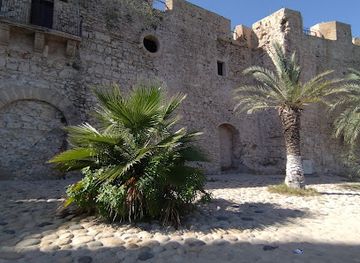
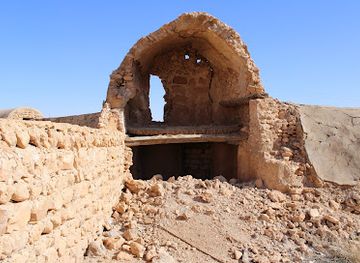
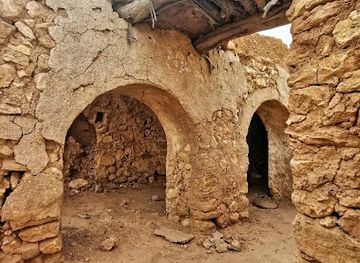
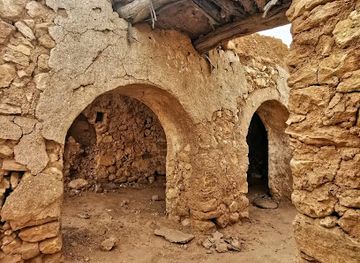
The fortified granary of Nalut is Jebel Nafusa’s most recognisable architectural landmark, with stone-built storage chambers arranged in a form that records the mountain community’s need to protect grain and valuables. The historic ksar at Kabaw expresses the same architectural logic, although its character and state of preservation are distinct; both structures are important examples of Amazigh and North African communal storage design. Yefren’s elevated setting is itself a geographical landmark, with cultivated terraces and dry valleys unfolding around the town below the limestone uplands. Across the range, old villages, cisterns, rough stone walls and defensive-looking settlements form a scattered vernacular monument to life on a semi-arid escarpment. The mountains’ visual significance lies in this combination of geology and human adaptation rather than in monumental single structures. Access to these places is not guaranteed, and some buildings are unstable or located near sensitive areas. A local guide should establish whether entry, photography and road travel are appropriate on the day.
-
Historical landmark
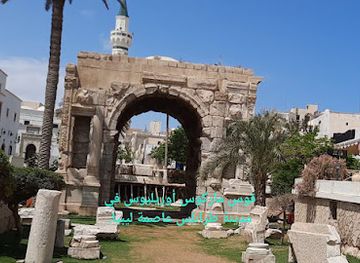
Arc of Marcus Aurelius
Explore the grandeur of the Arc of Marcus Aurelius, a stunning historical landmark in Tripoli that showcases ancient Roman architecture and rich cultural heritage.
-
Archaeological museum
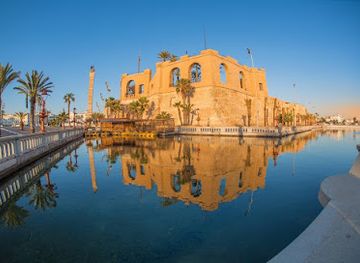
Saraya Museum
Explore Libya's rich archaeological heritage at Saraya Museum, located in Tripoli's historic Old City.
-
Historical place
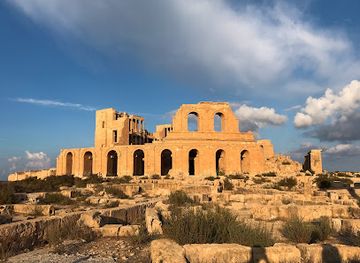
Sabratha Ancient Theatre
Discover the grandeur of Sabratha Ancient Theatre, a UNESCO World Heritage Site that showcases the marvels of Roman architecture and rich history.
-
Park
Sabratha Family Park
Discover Sabratha Family Park, a serene escape filled with lush greenery and family-friendly activities in the heart of Libya.
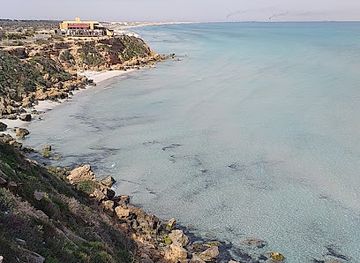
Explore Jebel Nafusa on the map
Plan your trip on one map. See where the top cities, national parks and sights are, and book hotels and experiences in a few clicks.
Best hotels in Jebel Nafusa
Best restaurants in Jebel Nafusa
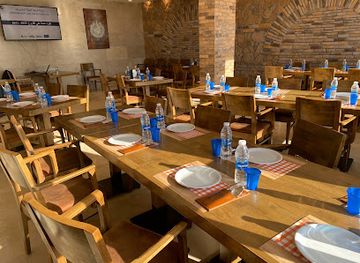
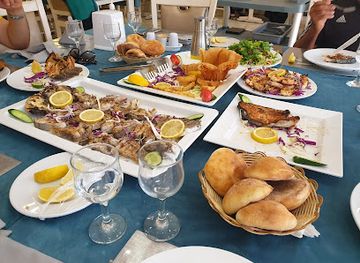
Dining in Jebel Nafusa is generally home-based or locally oriented rather than organised around a tourist restaurant scene. Meals draw on the food culture of western Libya and the Amazigh mountain communities, with couscous, barley and wheat preparations, flatbreads, olive oil, dates, figs, vegetables and preserved ingredients forming a practical foundation. Lamb and other meats may appear at family meals or communal occasions, while tea and coffee are commonly offered as part of hospitality. The mountain environment has encouraged the cultivation and preservation of olives, almonds, figs and grains, although availability varies by season and town. In larger settlements, simple cafés and informal eateries may provide grilled food, soups, sandwiches or traditional dishes, but standards, opening arrangements and payment methods can change. Visitors should arrange meals through trusted local contacts, respect household customs and avoid assuming that a familiar dish has a specifically Jebel Nafusa origin when it belongs to the wider Libyan or North African culinary tradition.
-
Lebanese
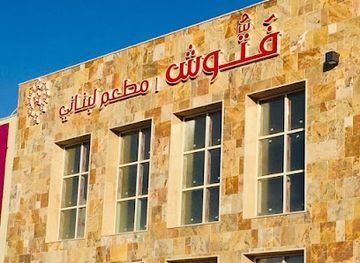
Fattoush Lebanese Restaurant
Experience authentic Lebanese cuisine at Fattoush Restaurant in Tripoli - a delightful culinary journey awaits.
-
Italian
Punto Alto
Experience authentic Italian cuisine at Punto Alto in Tripoli - where flavor meets tradition in a welcoming atmosphere.
-
Seafood
Rubian Restuarant
Discover exquisite seafood dishes at Rubian Restaurant in Tripoli, where freshness meets flavor in a vibrant Mediterranean setting.
-
Restaurant
La Plaka
Experience authentic Lebanese cuisine at La Plaka in Tripoli - where every meal tells a story of tradition and flavor.

Best bars in Jebel Nafusa
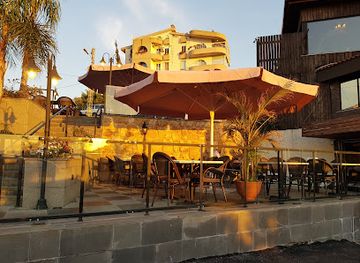
Jebel Nafusa does not have a conventional bar or nightclub culture. Libya’s Muslim social norms and the region’s conservative, community-based character mean that evenings are more likely to centre on family visits, cafés, tea, conversation and private gatherings than on alcohol-led entertainment. Larger towns such as Zintan and Yefren may have more cafés and informal evening activity than smaller villages, but opening arrangements and public life can change with security conditions. Alcohol should not be assumed to be available or socially appropriate, and visitors should not seek nightlife in ways that draw unnecessary attention. After dark, movement is also affected by poor lighting, road conditions, checkpoints and local security advice. Cultural evenings, when arranged through a trusted host, may offer conversation about Amazigh language, music, food and history, but visitors should ask before recording performances or photographing participants.
-
Lebanese
Fattoush Lebanese Restaurant
Discover the rich flavors of Lebanese cuisine at Fattoush Lebanese Restaurant in the heart of Tripoli, where tradition meets taste.
-
Restaurant
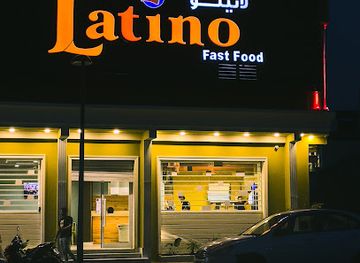
Latino
Experience the vibrant culinary scene at Latino in Tripoli, where traditional flavors meet modern tastes in a welcoming atmosphere.
-
Cafe
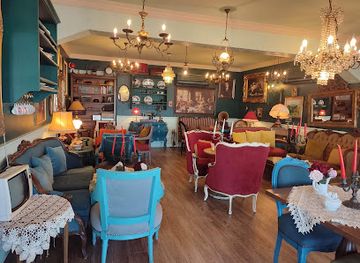
At Home Cafe
Discover the charm of Tripoli at At Home Cafe, where delicious breakfasts and a cozy atmosphere await every visitor.
-
Cafe
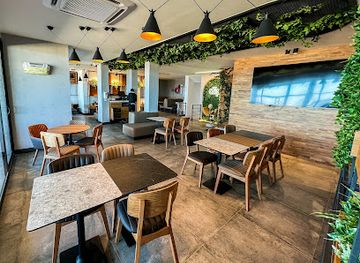
dipndip Libya
Experience the sweetest side of Tripoli at dipndip Libya, a café famous for its rich chocolate desserts and stunning seaside views.
Best nightclubs in Jebel Nafusa
Jebel Nafusa does not have a conventional bar or nightclub culture. Libya’s Muslim social norms and the region’s conservative, community-based character mean that evenings are more likely to centre on family visits, cafés, tea, conversation and private gatherings than on alcohol-led entertainment. Larger towns such as Zintan and Yefren may have more cafés and informal evening activity than smaller villages, but opening arrangements and public life can change with security conditions. Alcohol should not be assumed to be available or socially appropriate, and visitors should not seek nightlife in ways that draw unnecessary attention. After dark, movement is also affected by poor lighting, road conditions, checkpoints and local security advice. Cultural evenings, when arranged through a trusted host, may offer conversation about Amazigh language, music, food and history, but visitors should ask before recording performances or photographing participants.
-
Mountain peak
Nafusa Mountains
Discover the breathtaking beauty and rich culture of the Nafusa Mountains in Libya, a hidden gem for adventurous travelers.
-
Lounge
قاعة وايت دريم للافراح و المناسبات الاجتماعية
Discover the elegance of White Dream Hall in Sabratah, a perfect venue for weddings and social events, combining exquisite dining with enchanting ambiance.
-
Night club
مصيف شمس الاصيل
Discover the pulse of Sabratah's nightlife at مصيف شمس الاصيل, where music, dance, and vibrant energy collide for an unforgettable experience.
-
 Lounge
قاعة اورانوس للمناسبات
Discover the vibrant atmosphere of قاعة اورانوس للمناسبات in Sabratah, a lounge perfect for relaxation and social gatherings.

Best shops in Jebel Nafusa
Shopping in Jebel Nafusa is local and practical rather than oriented towards large retail centres. Small town shops and markets may sell household goods, clothing, dates, olive oil, seasonal produce and everyday food supplies, while the best regional purchases are usually obtained through trusted households, cooperatives or established local contacts. Olive products, dried fruit, almonds, woven items and other food or craft goods can reflect the mountain economy, but quality and availability vary considerably. Nalut, Kabaw, Yefren and Zintan each serve their surrounding communities, with Zintan generally offering a broader range of ordinary retail services than smaller settlements. Visitors should not assume that formal tourist shops, reliable card payment or fixed opening hours exist. Ask before photographing craftwork or private production, buy only items that can be legally exported, and avoid antiquities, archaeological objects or old architectural pieces offered for sale. Supporting contemporary makers and food producers is preferable to removing material from the region’s vulnerable heritage.
-
Shopping mall
Tripoli Mall
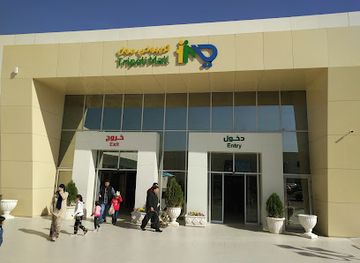
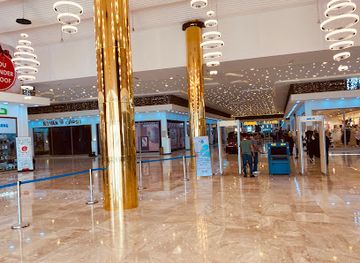
Explore Tripoli Mall: A lively shopping paradise in Tajoura, where culture, cuisine, and retail converge for an unforgettable experience.
-
Shopping mall
Mall Of Benghazi
Shop, dine, and explore at Mall Of Benghazi, a modern shopping hub offering diverse retail and entertainment options in Libya's vibrant city.
-
Shopping mall
Budzirh Mall
Discover Budzirh Mall in Benghazi: A vibrant shopping haven offering diverse stores, delicious dining, and family-friendly entertainment.
-
Shopping mall
صبراته مول
Discover Sabratah Mall, a shopping paradise in Libya offering a mix of local brands, international stores, and fun-filled entertainment for everyone.
Get your free copy of our complete guide to Jebel Nafusa, delivered straight to you.
Everything on this page, from attractions and restaurants to essentials and local phrases, in one PDF you can read offline, print or share.
Already have an account? Sign in
Your Jebel Nafusa guide is ready.
We'll send it to · Not you? Sign out

Getting your guide ready…
We are putting together a fresh copy of the Jebel Nafusa guide. This can take up to a minute.
This can take a few moments. If your browser asks, choose Allow so the download can start. You'll find the guide in your Downloads folder.
Nothing happened? Download it again
Sorry, the guide is taking longer than usual. Please try again in a minute, or get it by email instead.
Jebel Nafusa essentials
Currency and Payment
Safety
Emergency Situations
Do's and Don'ts
Local Tips
From Eve
Local phrases worth knowing
You don't need to get them perfect. A few words go a long way, and locals appreciate the effort.
Basics
| English | Local | Say it |
|---|---|---|
| Hello | سلام | [salam] |
| Goodbye | مع السلامة | [ma'a as-salama] |
| Yes | نعم | [na'am] |
| No | لا | [la] |
| Please/You're welcome | من فضلك | [min fadlik] |
| Thank you | شكرا | [shukran] |
| Excuse me/Sorry | عفوا | [afwan] |
| How are you? | كيف حالك؟ | [kayfa halak?] |
| Fine. And you? | بخير، وأنت؟ | [bikhayr, wa anta?] |
| Do you speak English? | هل تتحدث الإنجليزية؟ | [hal tatahaddath al-ingliziyya?] |
| I don't understand | لا أفهم | [la afham] |
Eating & Drinking
| English | Local | Say it |
|---|---|---|
| I'd like to see the menu, please | أود رؤية القائمة، من فضلك | [awad ru'yat al-qaimah, min fadlik] |
| I don't eat meat | لا آكل اللحم | [la akul al-lahm] |
| Cheers! | في صحتك! | [fi sihtak!] |
| I would like to pay, please | أود الدفع، من فضلك | [awad ad-daf', min fadlik] |
Emergencies
| English | Local | Say it |
|---|---|---|
| Help! | نجدة! | [najda!] |
| Go away! | ابتعد! | [ibt'id!] |
| Call the Police! | اتصل بالشرطة! | [ittasil bil-shurta!] |
| Call a doctor! | اتصل بالطبيب! | [ittasil bil-tabeeb!] |
| I'm lost | أنا ضائع | [ana da'i'] |
| I'm ill | أنا مريض | [ana marid] |
Shopping
| English | Local | Say it |
|---|---|---|
| I'd like to buy... | أود شراء... | [awad shira'] |
| I'm just looking | أنا فقط أنظر | [ana faqat anzur] |
| How much is it? | كم ثمنه؟ | [kam thamanuh?] |
| That's too expensive | هذا غالي جدا | [hatha ghali jidan] |
| Can you lower the price? | هل يمكنك تخفيض السعر؟ | [hal yumkinuka takhfid as-si'r?] |
Time & Numbers
| English | Local | Say it |
|---|---|---|
| What time is it? | ما الوقت؟ | [ma al-waqt?] |
| It's one o'clock | الساعة الواحدة | [as-saa'a al-wahidah] |
| Half past (10) | نصف (10) | [nisf (10)] |
| Morning | صباح | [sabah] |
| Afternoon | بعد الظهر | [ba'd al-zahr] |
| Evening | مساء | [masa'] |
| Yesterday | أمس | [ams] |
| Today | اليوم | [al-yawm] |
| Tomorrow | غدا | [ghadan] |
| 1 | واحد | [wahid] |
| 2 | اثنان | [ithnayn] |
| 3 | ثلاثة | [thalatha] |
| 4 | أربعة | [arba'a] |
| 5 | خمسة | [khamsa] |
| 6 | ستة | [sitta] |
| 7 | سبعة | [sab'a] |
| 8 | ثمانية | [thamania] |
| 9 | تسعة | [tis'a] |
| 10 | عشرة | [ashara] |
Transport & Directions
| English | Local | Say it |
|---|---|---|
| Where's a/the...? | أين...؟ | [ayna...?] |
| What's the address? | ما هو العنوان؟ | [ma huwa al-'unwan?] |
| Can you show me (on the map)? | هل يمكنك أن تريني (على الخريطة)؟ | [hal yumkinuka an turini (ala al-kharita)?] |
| When's the next (bus)? | متى يكون (الحافلة) التالية؟ | [mata yakun (al-hafila) at-taliya?] |
| A ticket (to ....) | تذكرة (إلى ....) | [tadhkira (ila ....)] |
History of Jebel Nafusa
Prehistoric settlement and the mountain environment
The Nafusa uplands have long attracted settlement because the escarpment combines defensible terrain with pockets of cultivable land. Prehistoric communities across western Libya adapted to climatic changes, moving between valleys, plateaux and springs as conditions shifted. Archaeological evidence in the wider region includes ancient tools, settlement traces and rock imagery, although many sites are poorly protected and difficult to visit safely. The landscape’s terraces, cisterns and old routes should therefore be understood as the outcome of a long relationship between people, scarce water and a demanding semi-arid environment rather than as a purely natural wilderness.
Roman and late antique influence
Roman authority reached the Tripolitanian interior through roads, military administration, agriculture and trade, although the mountains were never simply transformed into a Roman landscape. Towns and estates on the surrounding plains were connected to the wider province of Tripolitania, while the escarpment remained shaped by local communities and difficult terrain. Late antique religious and economic changes also affected western Libya. Surviving traces in the broader Jebel Nafusa area are less monumental than the celebrated Roman remains of the coast, but they form part of the region’s history of interaction between indigenous societies and Mediterranean empires.
Islamisation and the development of Amazigh mountain communities
From the early Islamic period onwards, the Nafusa Mountains became an important centre of Amazigh Muslim life. Ibadi Islam acquired a durable presence in parts of the range, and religious institutions, learned traditions and community organisation helped distinguish the interior from many coastal centres. Over centuries, villages and fortified settlements developed around agriculture, storage and mutual protection. Arabic and Amazigh cultural influences interacted rather than forming a simple division, and the region’s identity emerged through local institutions, family networks, language and religious history.
Ksour, agriculture and trans-Saharan connections
The fortified granaries of Nalut, Kabaw and other mountain settlements reflect a society that needed to preserve harvests and valuables in conditions of scarcity and insecurity. A ksar typically contained small storage chambers arranged around a protected structure, with access controlled by the community. Olive growing, grain cultivation, figs, almonds and livestock supported local life, while mountain routes linked the interior with the coastal plain and Saharan trade networks. These buildings are important historical records of Amazigh architecture and of the practical organisation of rural economies.
Ottoman and Italian rule
The region became part of the Ottoman province of Tripolitania, although central control over the mountains varied and local authorities retained considerable influence. Italy’s invasion of Libya in 1911 brought a more aggressive colonial military presence and resistance across the interior. Roads, administrative posts and military operations altered movement through the range, while conflict imposed heavy costs on communities. The colonial period also contributed to the political boundaries and administrative structures inherited by the modern Libyan state, without erasing the mountain’s local identities.
The modern Libyan state and Amazigh cultural revival
During the twentieth century, the Nafusa Mountains were incorporated into the changing institutions of Libya, while migration, education and state administration connected mountain towns more closely with Tripoli and other centres. Under Muammar Gaddafi, public expression of Amazigh language and identity faced restrictions, although cultural practices continued within communities. After the 2011 uprising, Amazigh activists and local institutions gained greater public space for language, heritage and cultural expression. The region’s contemporary identity is consequently shaped by both longstanding traditions and modern debates about Libya’s political and cultural future.
The 2011 uprising and continuing instability
In 2011, several towns in Jebel Nafusa played a significant role in the uprising against Gaddafi. Fighting, displacement and damaged infrastructure affected communities across the range, while local forces and cross-border supply routes became important to the conflict. The subsequent fragmentation of Libya left the western mountains exposed to shifting political and security arrangements. Although the region contains important cultural and architectural heritage, access remains dependent on local conditions, and the legacy of conflict includes security restrictions, unexploded ordnance risks and uneven public services.
Jebel Nafusa in Photos
Browse through our photo collection highlighting the charm and character of the destination.
Neighbouring regions of Jebel Nafusa
The closest regions to Jebel Nafusa, if you have time for more than one.
-

-

-

-

-


Swipe for more regions
Explore more

Explore more of Libya
Discover Libya: Ancient ruins, vast deserts, and Mediterranean charm await in this North African gem.
Explore Libya